

A blind eel with gelatinous skin that gives birth to live offspring and a lizard fish with razor-sharp teeth are two examples of previously undiscovered deep-sea life that scientists have discovered.
advertisement
In a distant area of the Indian Ocean, a "bizarre" collection of recently discovered deep-sea species were discovered close to underwater volcanoes.
Australian researchers from the Museums Victoria Research Institute were astounded to discover eels with no eyes, bat-like fish, and lizard fish with rows of razor-sharp teeth.
They were discovered during an excursion to Australia's distant Cocos (Keeling) Islands Marine Park, which covers an area of 290,213 square miles (467,054 square kilometers). Perth, located in western Australia, is about 1,708 miles (2,750 km) northwest of the discovery site.
The two coral atolls that make up the area are 27 little islands with white sand beaches, palm palms, and lagoons.
advertisement
The crew studied previously undiscovered deep-sea creatures, including a blind eel with thick skin that gives birth to live young, while collecting samples from roughly three miles under the ocean's surface.
The creature's underdeveloped eyes, discovered at a depth of more than three kilometers, captivated the researchers.
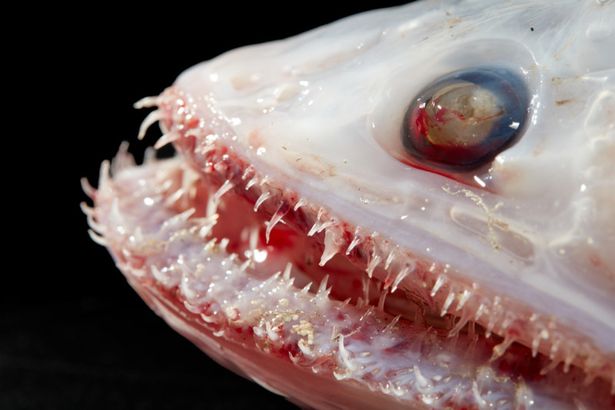
A High fin lizardfish was also found, which had both ovaries and testicles simultaneously.
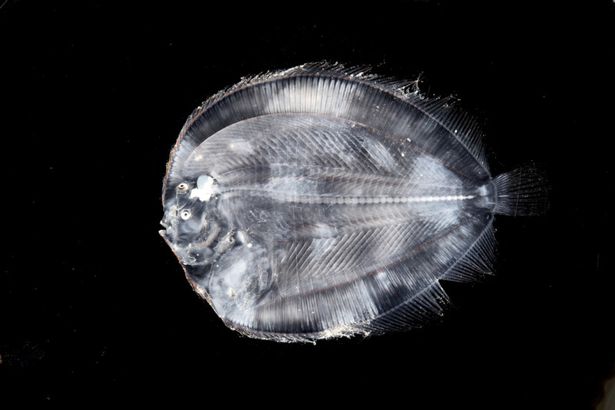
A flatfish with eyes on one side of its head was also discovered, allowing it to see while lying on the seafloor.
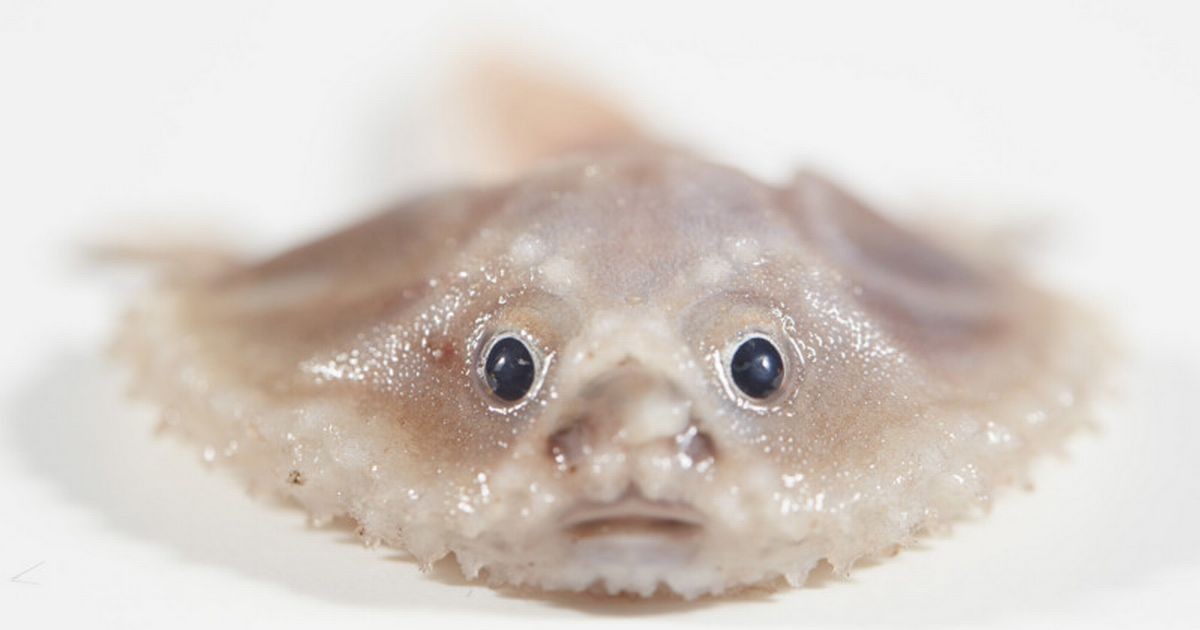
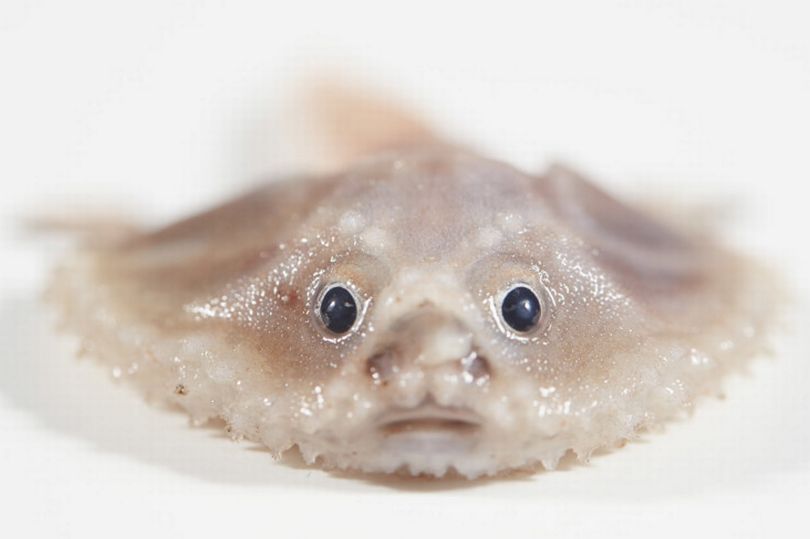
Also discovered were deep sea batfishes that move across the ocean floor on their arm-like fins.
Among the specimens, Sloane's Viperfish stood out because of the extensive light trail that ran along its underside.
advertisement
According to Tim O'Hara, expedition head scientist from the Museums Victoria Research Institute, "the fish are the standout deep-sea fashionistas."
"They come in all shapes and sizes, with light organs, lures, rays modified into tripods or camouflage appendages, and huge (or missing) eyes. Each species superbly adapted to the extreme deep-sea environments."
He added: “We have discovered an amazing number of potentially new species living in this remote marine park."
advertisement
Another first was the team's creation of precise three-dimensional photographs of the enormous mountain underneath the islands.
“It’s truly an honor to see, for the first time, these stunning features revealed from the deep," Nelson Kuna, one of two Hydrographic Surveyors on board, said.