'Historical' Movies That Were Terribly Inaccurate
By
Michael Avery in
Entertainment
On 23rd December 2016
First off: Do not take your history lessons from movies.
Their primary job is not to prove historical accuracy in your life. And the problem is, we all do it.
I do it. That's why I wanted to look back at movies I've seen and assumed I could rely on because they had some phrase like, "Based on a true story" or "Inspired by a true story."
But nah, man. Their primary job is to entertain, not to teach.
#1 Pearl Harbor
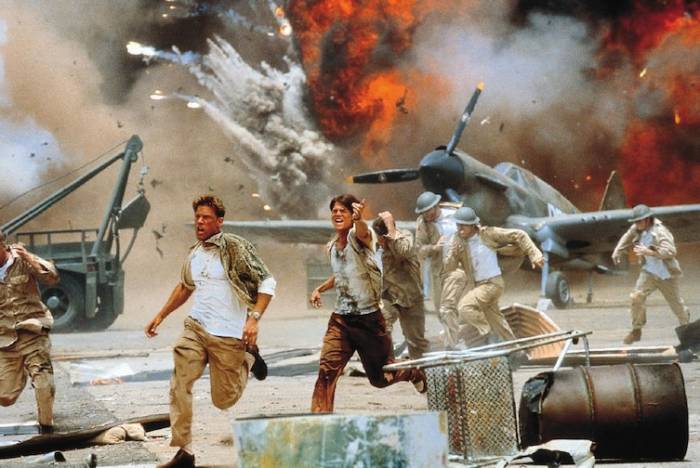
Let's start with the obvious one. Pearl Harbor, whose notion that a couple fighter pilots managed to get to the hanger and take down SO MANY Japanese fighters. One of the two real-life pilots who helped take down six Japanese fighters called the film, "a piece of trash... over-sensationalized and distorted."
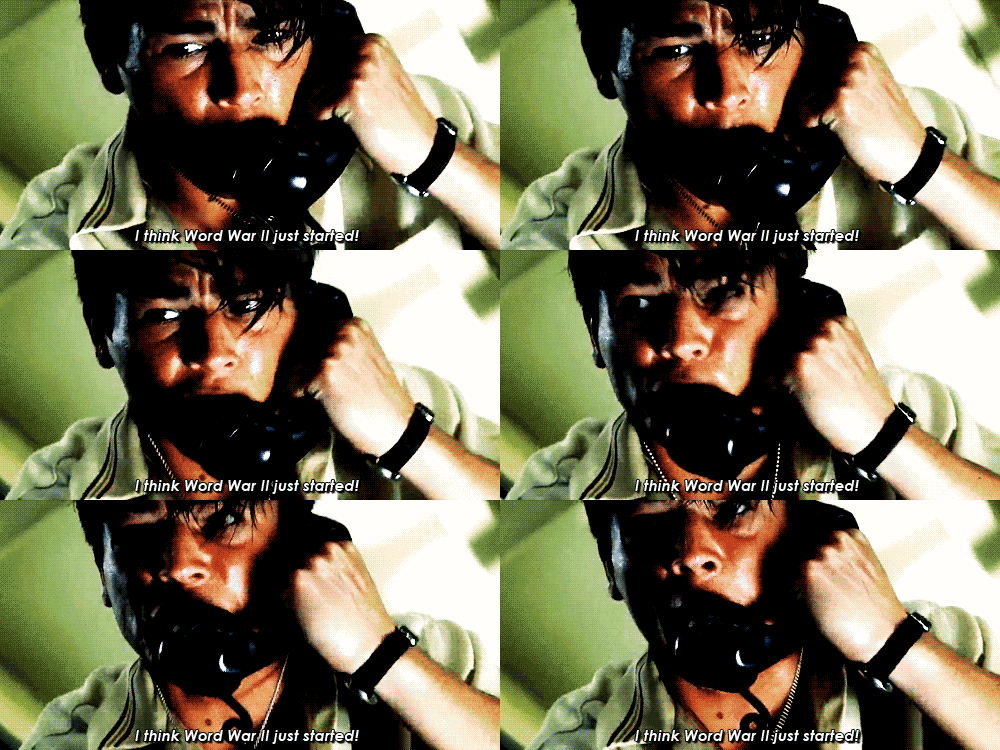
And then take this line from Josh Harnett.
While this attack was what dragged the United States into WWII, America was well aware that the world was already at war. The attack of the Naval base happened on December 7, 1941, and the war had been going on since 1939.
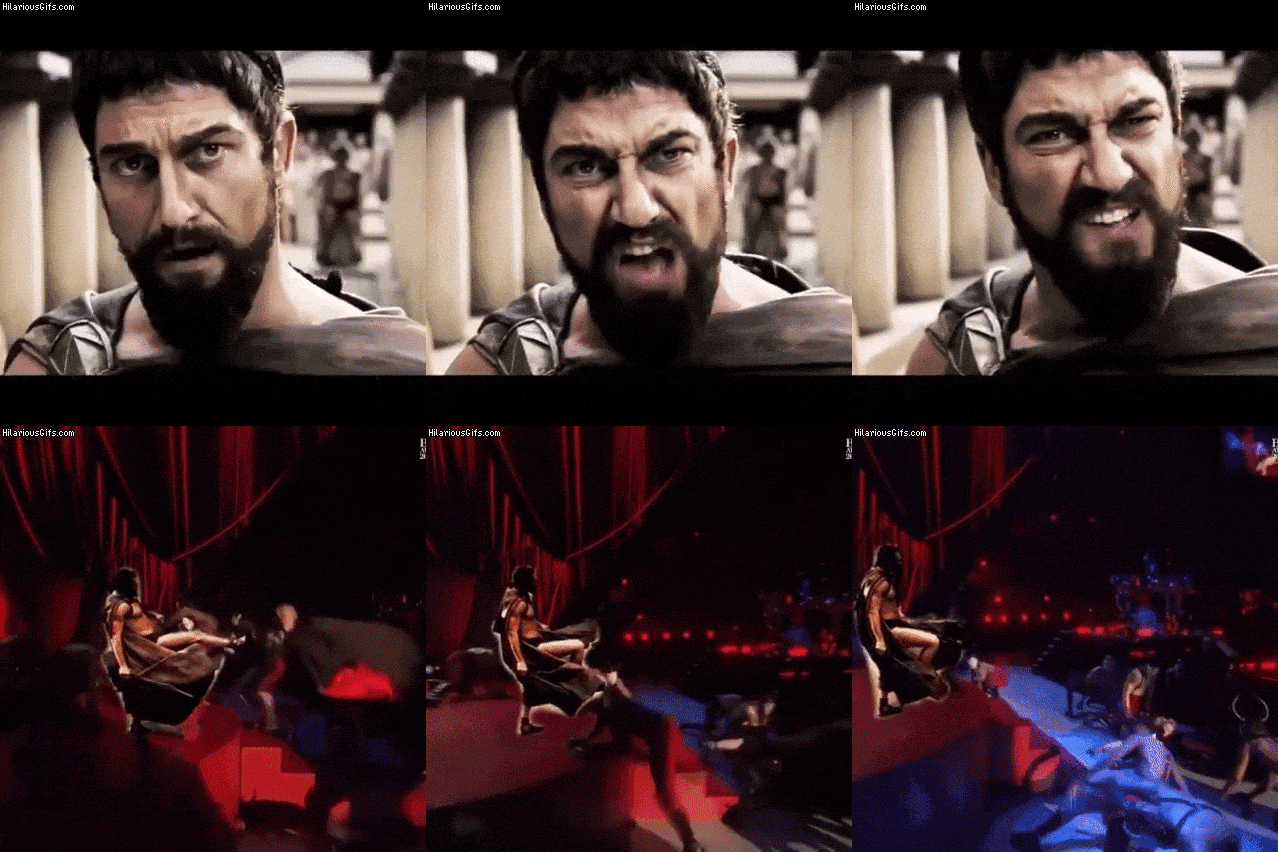
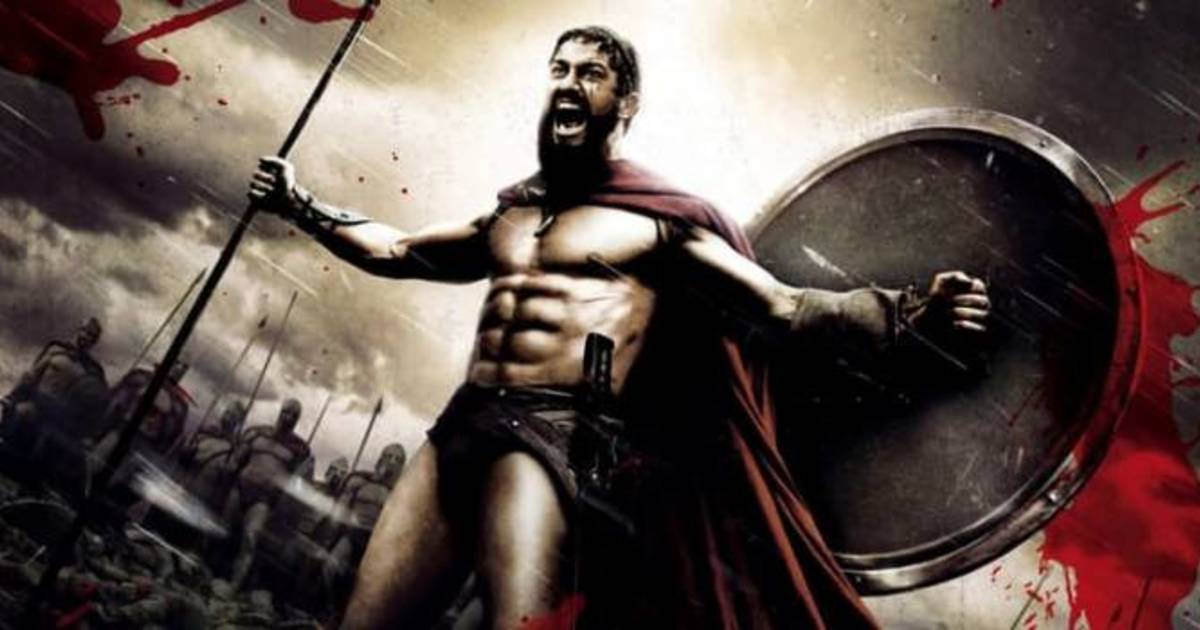
#2 300
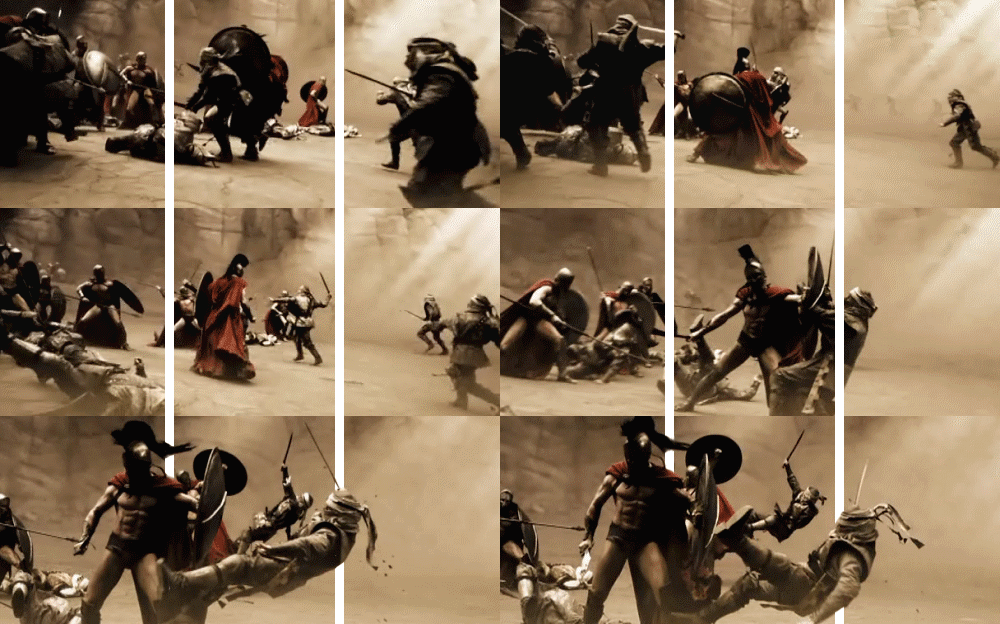
300. The real Battle of Thermopylae wasn't just Spartans standing against the Persian Army. They teamed up with other Greek city-states to come up with 7000 soldiers, not 300. Plus they fought WITH SHIRTS ON!
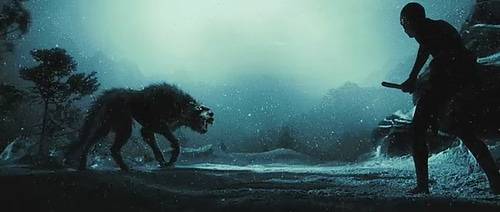
And remember how kid Spartans had to kill a wolf to become men? Nope. They had to kill slaves.
Plus they make the Persians feel like slave traders when the Spartans were slave masters themselves.
#3 Gladiator
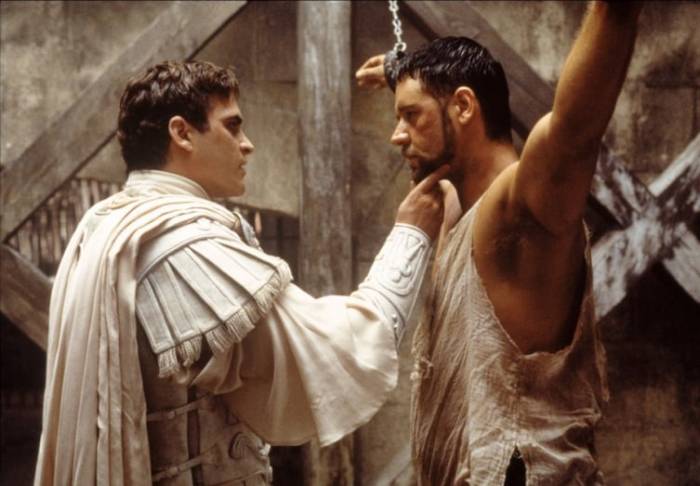
Gladiator was based on Russel Crowe's fictional main character, but the villain was based on a real emperor. Commodus wasn't killed in the arena by some random soldier. He was killed in his bath by a wrestler dude named Narcissus.
Plus he wasn't in power for a short amount of time. He was top dog for 12 years.
It wasn't short like the movie suggests.
#4 JFK
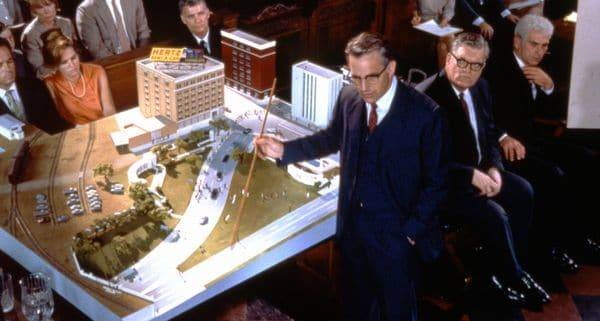
JFK was a heavy-handed conspiracy-driven take on the Kennedy assassination. The film basically implied that the whole attack on the President was driven by his vice president, Lyndon B. Johnson. But there's no evidence of that.
#5 Pocahontas
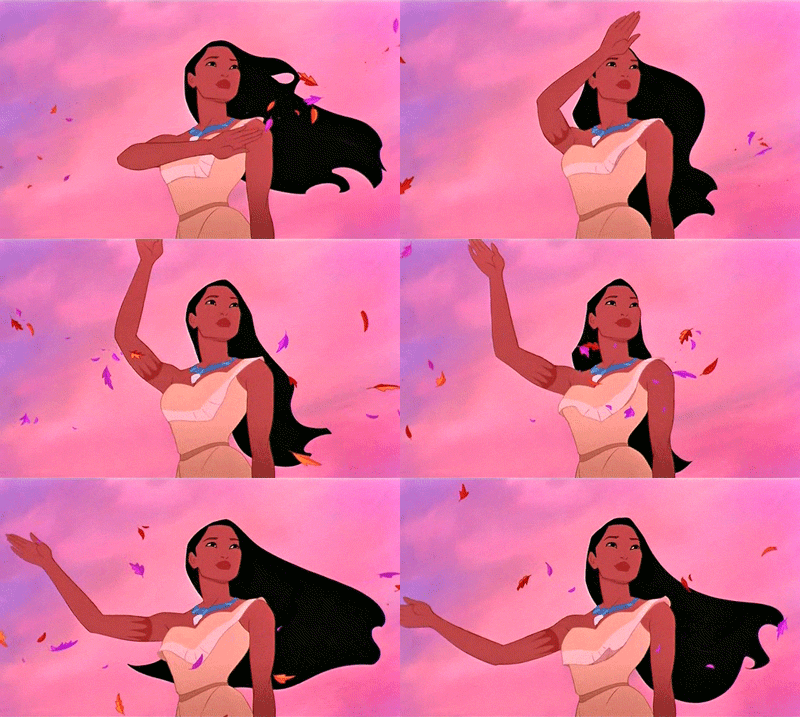
Pocahontas was not actually a love story between an Native American woman and explorer John Smith. She was actually only 10 years old. But she did try to save him from being killed. She married some dude named John Wolf and died from an English disease when she was only 21.
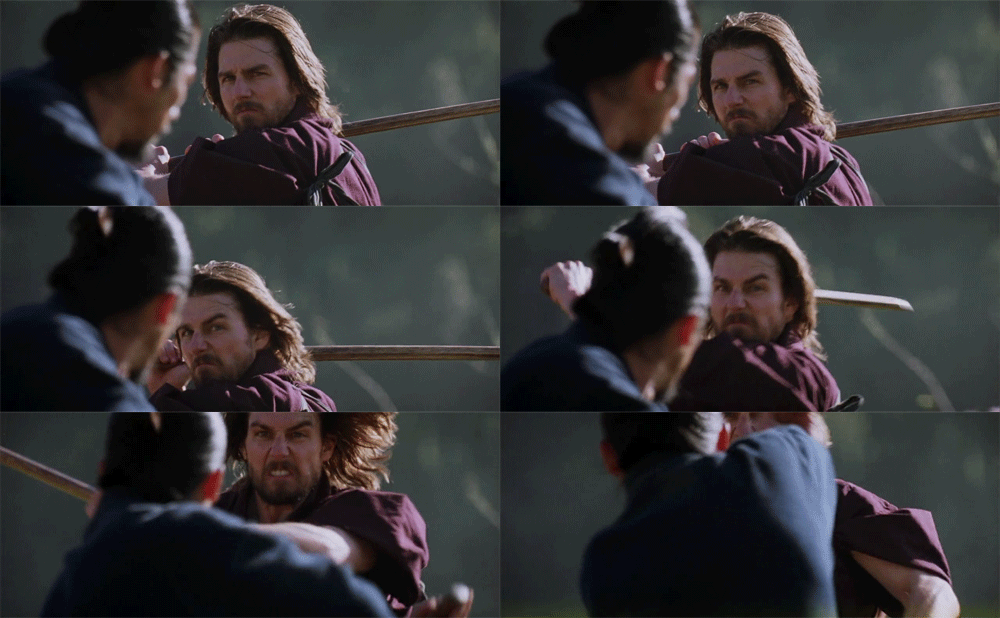
#6 The Last Samurai
The Last Samurai had a white dude learn how to be a samurai. The guy was hired by the Japanese to teach them about war. But they never hired an American historically.
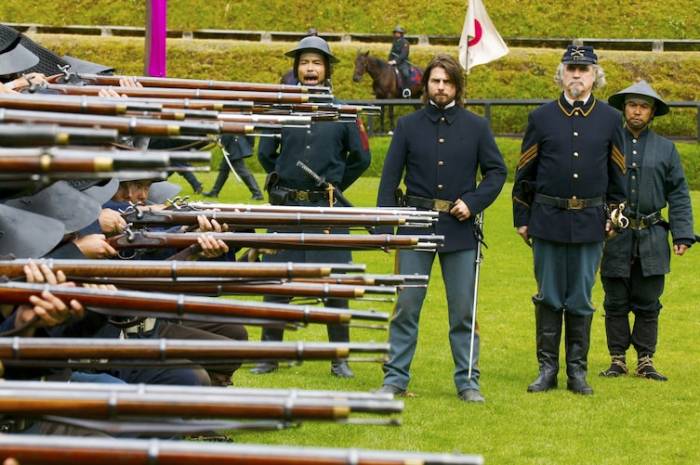
They also show Tom Cruise showing the Japanese how to use muskets.
But by the late 1800s, they were already quite proficient at firing guns.
#7 Argo
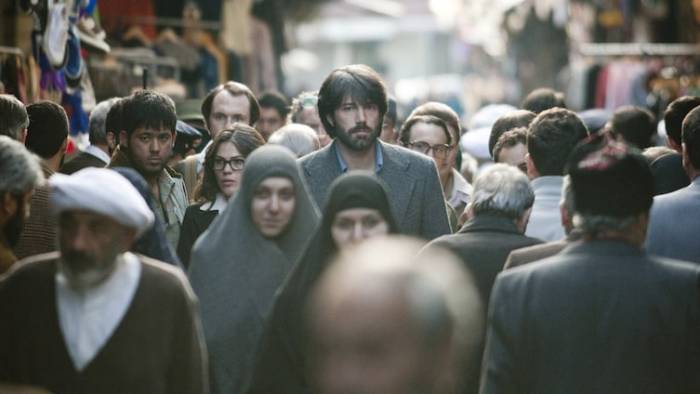
Argo, which showed the lengths the CIA went to pretend they were shooting a movie to get a handful of Americans out of revolutionized Iran in 1980. But President Jimmy Carter said that 90% of the contributions to the ideas and the plan were Canadian, not the CIA.
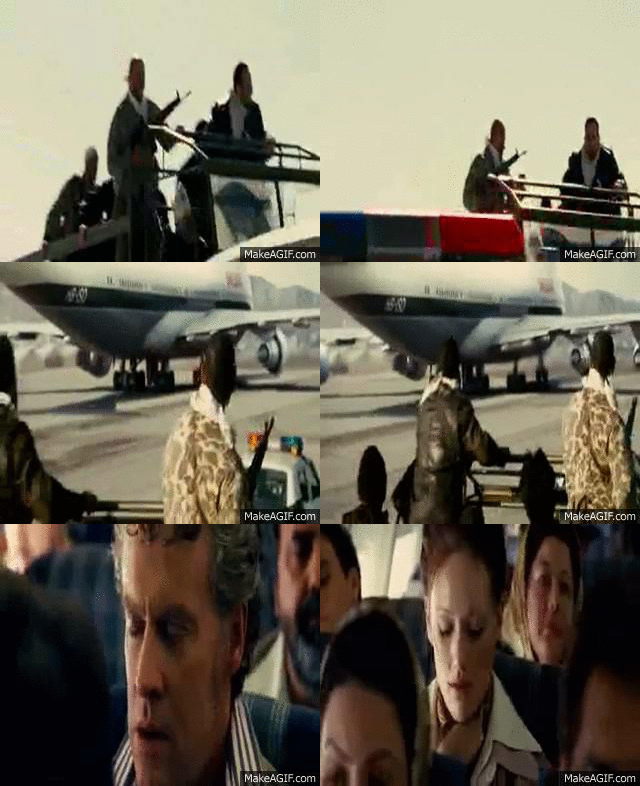
And there was no last-minute interrogation and high-speed chase on the airport tarmac. Everything actually went smoothly.
Sorry, Ben Affleck.
#8 Braveheart
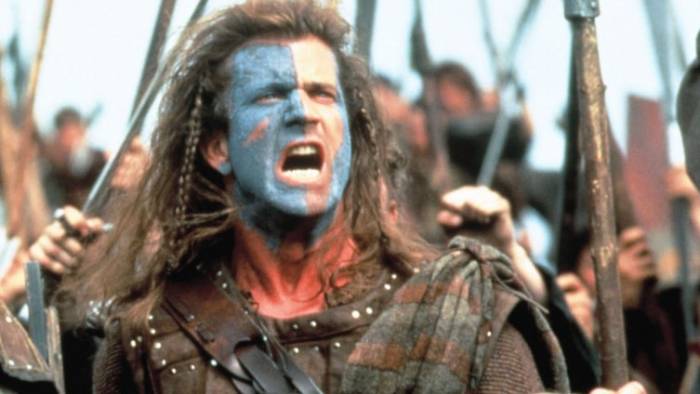
I loved Braveheart, but Scotsman William Wallace fighting against King Edward I was impossible because both sides were at peace in 1276. Scottish historian Ewan J. Innes goes so far as to state that the film "hasn't an iota of fact in it."
#9 10,000 B.C.
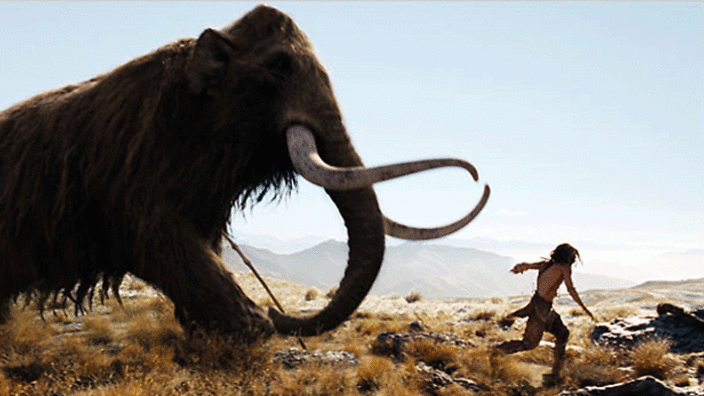
10,000 B.C. had big wooly mammoths living in the desert and there's literally no evidence for that at any point in history. And they didn't help build the pyramids. The movie takes place in the mesolithic age, but the famous Pyramids weren't built for another 8,000 years.
#10 Jobs
Then, of course, there was Jobs, a movie that looked at the life of Apple CEO Steve Jobs and his rise to power. But the thing is, Apple co-founder Steve Wozniak said he had a lot of help from many, many others. He refused to be consulted on the film because he was "abhorred" by the script.
#11 Shakespeare In Love
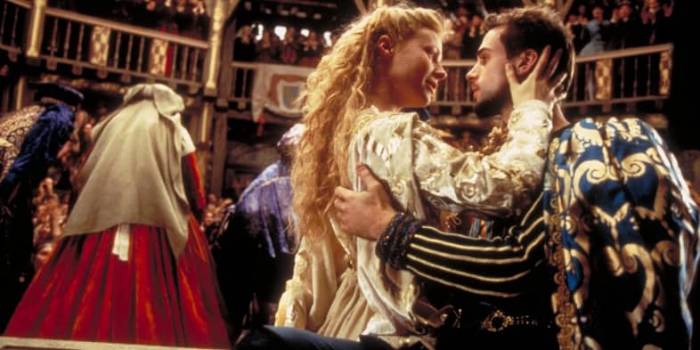
This Best Picture Oscar winner stars Joseph Fiennes as a young, broke Shakespeare with writer's block who meets his dream girl and is thusly motivated to write one of his most famous plays. While the story is not one draped in historical accuracy, the background and setting draw the eye to inaccuracies that stand out. The characters drink out of modern beer glasses and the Queen attends a play publicly; any plays she would have seen would have been performed in her own court. Add to that the theatres would have been closed anyway in the dying days of the bubonic plague outbreak, and you've got yourself a fairly impossible scenario.
The film creates an alternate universe where Shakespeare's inspiration for ‘Romeo and Juliet' mirrors his own experience in forbidden love. Luckily, screenwriter Marc Norman never pretended the film was rooted in fact, but its liberal take on the life of the most famous writer in history undoubtedly mislead numerous viewers into thinking Shakespeare was essentially a run-of-the-mill starving artist at one stage, just like countless others.
#12 U-571
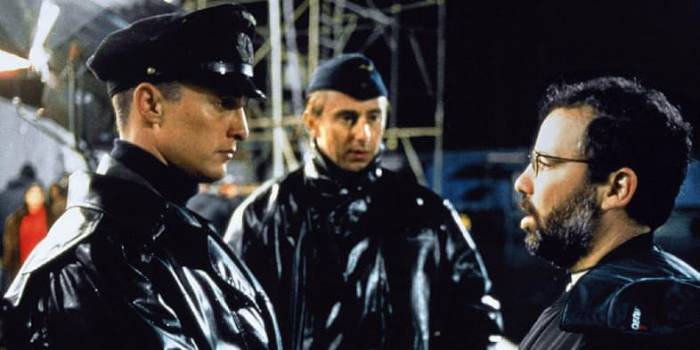
In this turn of the century war film, a German submarine is commandeered by disguised American submariners as they attempt to capture the Enigma cipher machine. U-571 is so inaccurate, UK Prime Minister Tony Blair labelled it "an affront to the real sailors." The film is based on the real story of "Operation Primrose," where the U-110 was captured, not the U-571. There were no Americans involved, as the operation was undertaken by the British before the U.S. had even entered the war.
Director Jonathan Mostow's film gives the American squad credit for capturing the enigma machine and helping crack the encrypted Nazi messages. None of these Americans actually had anything to do with the codes being broken, it was a joint effort between Polish and British mathematicians in a far away office. An honorable mention goes to this movie for starring Jon Bon Jovi, who gets shot over the side and goes out in quite a "Blaze of Glory."
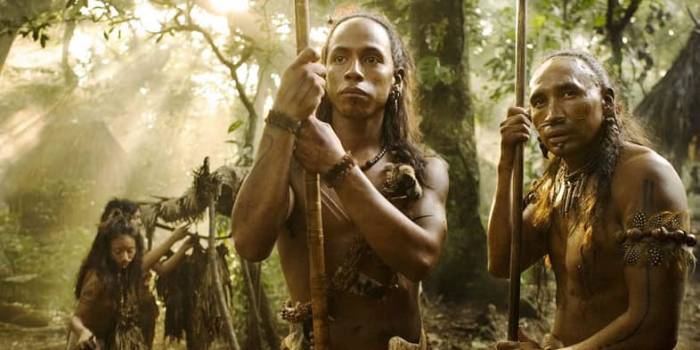
#13 Apocalypto
Set in the Mayan Kingdom in the face of its demise, the rulers insist the key to survival is to build more temples and offer human sacrifices. Jaguar Paw (Rudy Youngblood), one of the young men captured for sacrifice, runs away to avoid his death. The use of the real ancient Mayan language throughout director Mel Gibson's film gives the film a true sense of authenticity, one that isn't mirrored by its historical accuracy.
The Mayans in the film were portrayed as radical savages, which was more akin to the Aztecs; the Mayans were a reasonably peaceful people. Mayans also rarely performed any human sacrifice. If they did, it was against treacherous elites, never commonfolk. Additionally, the movie ends with the arrival of the Spaniards, which didn't happen in Mexico until around 400 years after the Mayan collapse.
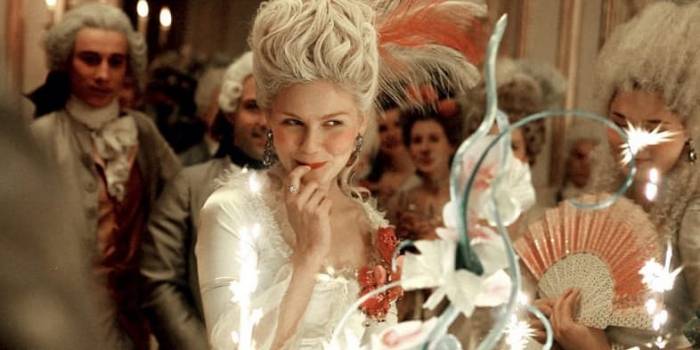
#14 Marie Antoinette
Sofia Coppola's eye catching depiction of France in the lead up to the French Revolution is a beautiful film. The vibrancy of both colour pallette and costuming gave the movie a unique visual look, one that almost helped disguise the historical accuracy. The almost fantastical approach to the setting allowed Coppola to take (a bit too much) artistic liberty, resulting in the portrayal of France's iconic Queen being more of a painting than a photograph.
Coppola's visual style caused issues too. Clothes were dyed colours unavailable at the time, and even a pair of Converse shoes can be spotted under a dress. But the greatest liberties were taken in the storytelling department. In the film, Marie Antoinette and Louis-Auguste share a bed together, which they didn't. Her seduction took a few months on screen. In real life, it was seven years. The main issue with the film is that there are no politics. It seems people don't like her, but it's not made clear why. All the time is tediously spent between shopping, eating, being fettered upon, and a sexual liaison with Count Axel Fersen one which is historically disputed.
Marie Antoinette isn't the most offensive portrayal of a historical figure, it's just a boring one.
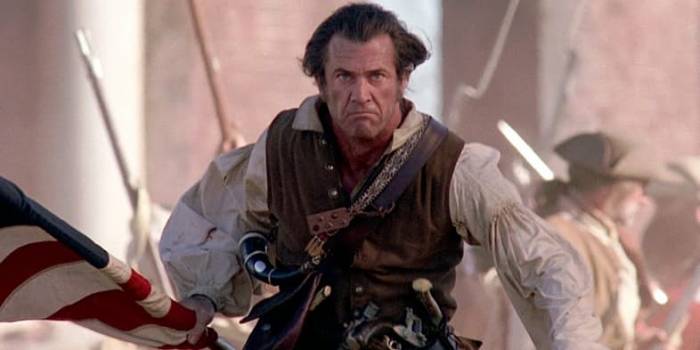
#15 The Patriot
This portrayal of the American Revolution follows Benjamin Martin (Mel Gibson, in his second appearance on our list) as he leads the Colonial Militia after his son is murdered by a British officer. The film is more akin to American patriot propaganda, particularly in the unfair representation of the British Soldiers whose depiction is reminiscent of the Nazi's in World War II. This is most prevalent in the scene where the soldiers burn the elderly, women and children to death inside a church. Jason Isaacs' evil British colonel was based on the historical figure Col. Tarleton, and there is no evidence that he ever broke the rules of engagement, let alone by shooting a child in cold blood.
While Gibson's character is a sympathetic father in The Patriot, it is historically recorded that the man on which his character was based, Francis "The Swamp Fox' Marion, hunted Native Americans for sport and raped his female slaves. He also didn't have his children until after the war when he married his cousin. While watching this movie, definitely keep in mind that it's almost entirely a work of fiction, albeit entertaining fiction. No fact typifies the inaccuracies in this movie quite like the final battle of Guilford Court House, where Martin defeats his nemesis. In reality, the Americans lost that skirmish.
COMMENT and tell us which movies were WAY off historically!