

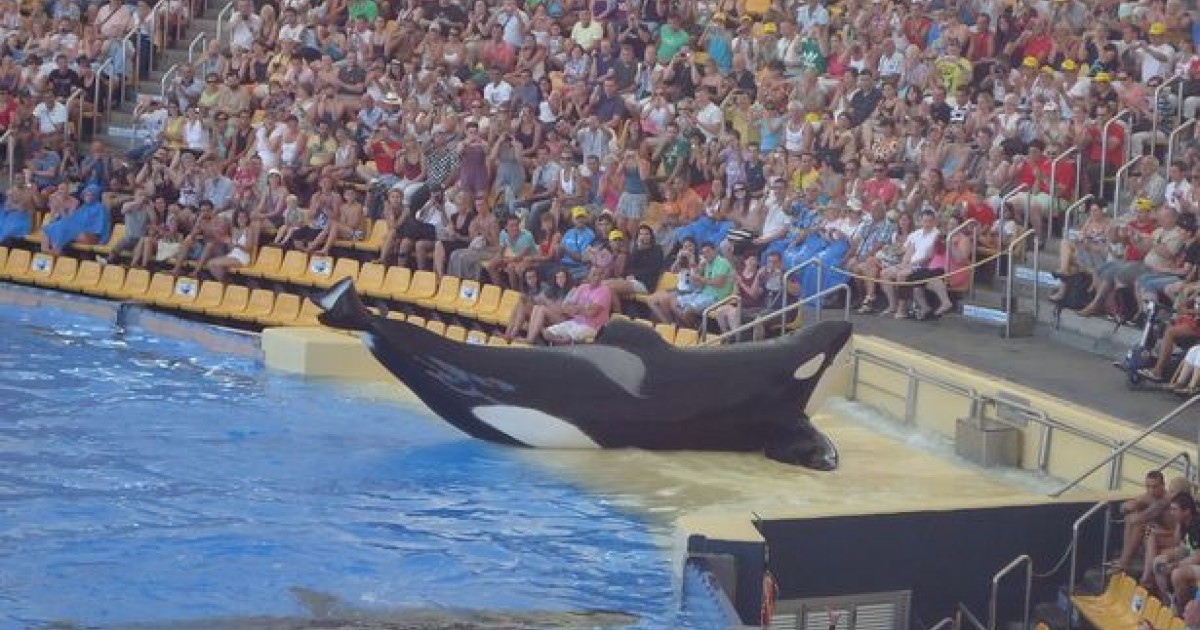
Once described as playful and energetic, the favorite Tilikum, became a deadly whale who killed a 20-year-old Marine biology student as she slipped and fell into the orca pool after a show.
"I Don’t Want To Die!" Student Screamed As She Tried To Escape The Deadly Whales Who Drowned Her
By
Sumaiya Ghani in
Horrors and Creepy
On 27th July 2022
advertisement
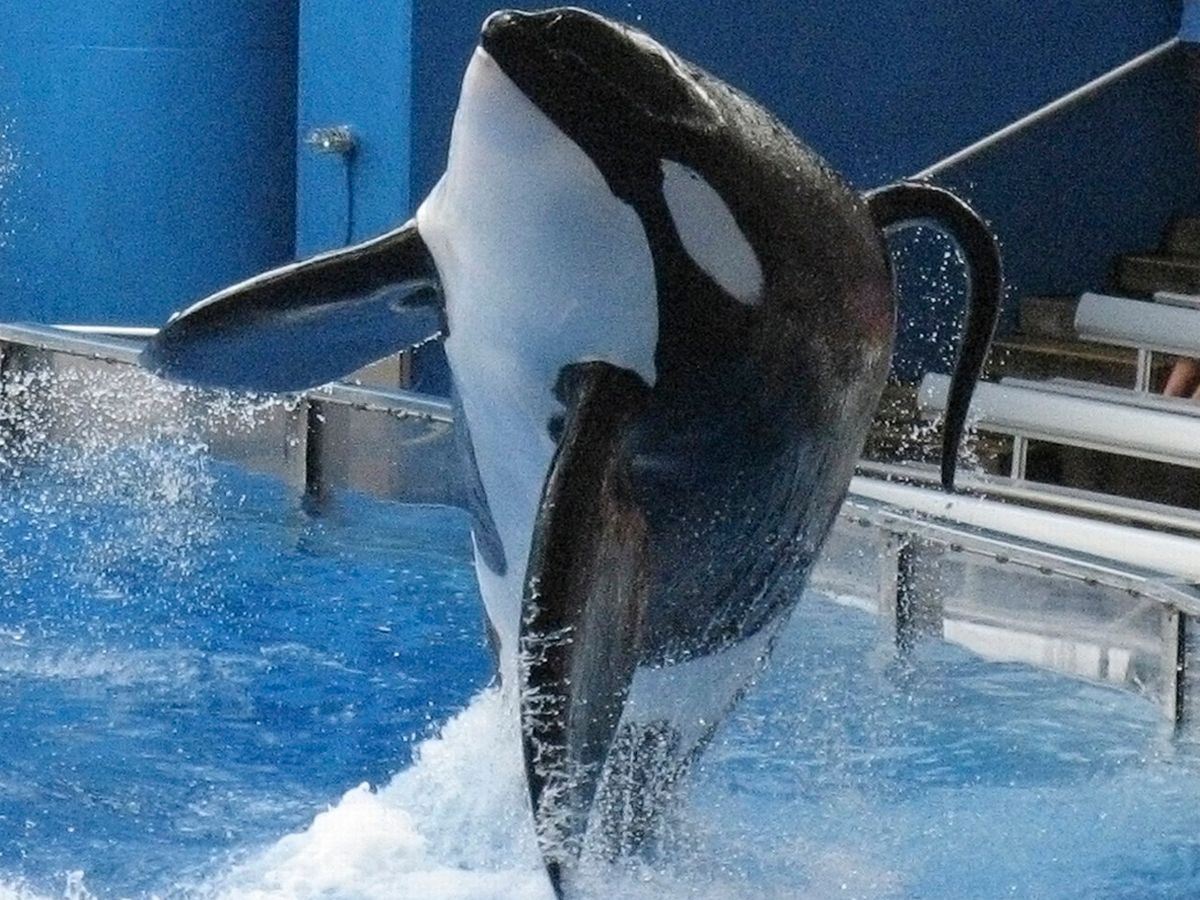
After being removed from his home near the Iceland coast, just at the age of two, the killer whale, Tilikum was taken to a concrete holding tank. However, the whale was later moved to his new home, the rundown Sealand of the Pacific, on British Columbia's Vancouver Island in 1984.
The young whale lived in his new home with two older female orcas named Haida II and Nootka IV who sought dominance, with females being at the top of the social structure in the wild.
The three creatures were forced into a 26ft wide enclosed pool where the female orcas raked Tilikum with their teeth in the darkness.
( Image: Orca Pod)
It did not take long before Tilikum was moved to a medical pool because of his stomach ulcers and injuries.
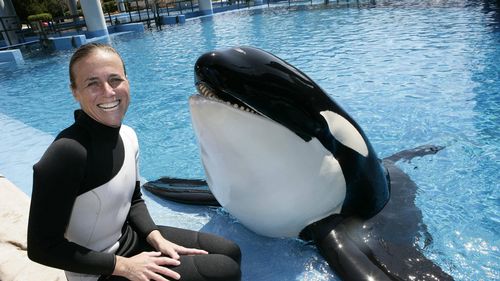
People working at the Sealand shared that Tilikum had a playful personality. He was described as "youthful, energetic and eager to learn".
"Tilikum was our favourite. He was the one we all really liked to work with," Biologist Eric Walters said.
( Image: Orca Pod)
advertisement
One of the female orcas, Nootka was unpredictable, possibly because of her health problems, and had bitten her trainers and even a blind woman in the audience who had been invited to pat her.
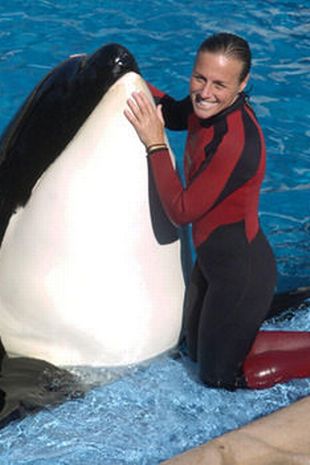
Former SeaWorld head trainer, Bruce Stephens was asked to make recommendations to improve practices at the aquarium.
The trainer gave everyone a handbook that warned "if you fail to provide your animals with the excitement they need, you may be certain they will create the excitement themselves".
( Image: Orca Pod)
"They basically ran it like you would run McDonald's. It just can't be good for an animal that is so intelligent to do the same thing every day," the biologist Eric agreed with the warning but not much was done about it.
Eric soon quit his job at Sealand and wrote a letter to the Canadian Federation of Humane Societies.
"I feel that sooner or later someone is going to get seriously hurt," he mentioned in his letter.
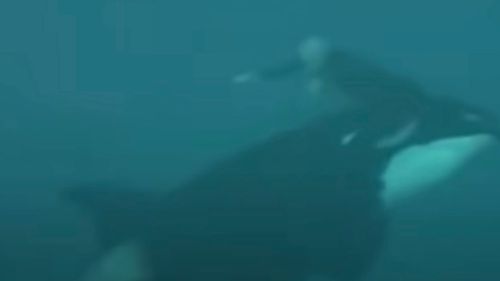
Two years after Eric quit his job, in 1991, a 20-year-old Marine biology student from the University of Victoria was killed by the deadly trio as she slipped and her foot fell into the orca pool after a show.
( Image: Orca Pod)
advertisement
"Tilikum grabbed her in his mouth and dragged her around the pool underwater as the others worked to keep help away," a witness had shared.
"I don't want to die," the young girl screamed every time she managed to escape herself from the trio and reach the side but the orcas worked together to pull her back.
"I just heard her scream my name," trainer Karen McGee recalled.
"I threw the life-ring out to her. She was trying to grab the ring, but the whale, basically, wouldn't let her. To them, it was a play session, and she was in the water," she added.
Keltie Byrne's body was saved by the employees in two hours as the orcas released it.
"It was just a tragic accident. I just can't explain it," Al Bolz, Sealand's manager, shared at the time. However, Paul Spong, director of OrcaLab, in British Columbia who had done research at Sealand, disagreed with Al Bolz's statement.
"If you pen killer whales in a small steel tank, you are imposing an extreme level of sensory deprivation on them. Humans who are subjected to those same conditions become mentally disturbed," he said.
advertisement
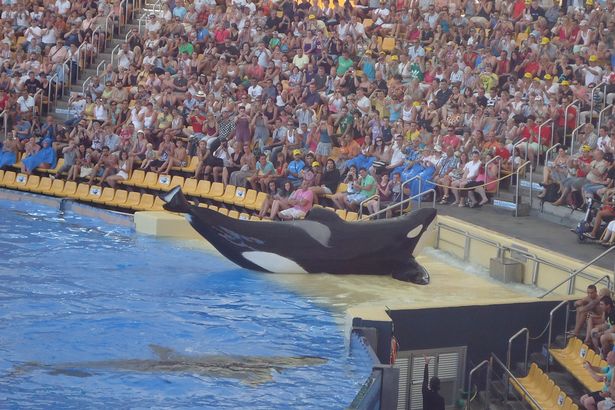
Tilikum was later sold to SeaWorld Orlando where he sired 21 calves, making him the industry's most prolific breeder.
As told in the documentary, the trainers did not know about Tilikum's violent past until in 1999, SeaWorld physical trainer Michael Dougherty glanced in the underwater viewing area by his office and saw Tilikum looking back with two human feet hanging down his side.
It was later found out that Tilikum's new victim was Daniel Dukes, a 27-year-old who had attended the park the day before and evaded security to stay overnight.
( Image: Orca Pod)