There seems to be a trend going on in Hollywood where every other movie is either a sequel, a prequel, or a remake.
And while audiences might be getting thirsty for some new original stories, sequels and other entries into established storylines are often viewed as safer projects to greenlight when it comes to where studios want to put their money. Just look at Disney. With the recent failure of Tomorrowland you can bet they probably wished they had used the production costs to fund that planned sequel to Tron instead.
However, sometimes directors attempt to get the best of both worlds by trying something new using the elements from an existing movie. And when that happens, it's often the case that the final product is really a sequel is disguise.
With that in mind, here are 10 movies you might not have known were actually considered sequels
War Inc. (2008)
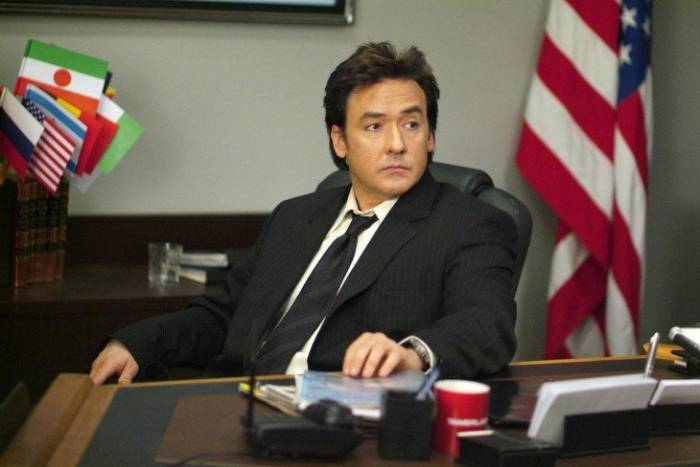
Though both movies feature separate plots and characters, a lot of people consider War Inc. to be somewhat of an informal sequel to Grosse Pointe Blank. The idea comes from the observation that both movies are dark comedies with a similar style and themes, and both feature John Cusack as a protagonist who is working as an assassin. Additional similarities come in the form of Joan Cusack as his assistant, and Dan Akroyd in a supporting role.
John Cusack himself (who co-wrote the film) even stated that he thought of War Inc. as Grosse Pointe Blank 2, describing it as a "spiritual cousin to Grosse Pointe Blank." Unfortunately, unlike Grosse Pointe Blank, War Inc. wasn't nearly as critically or commercially successful, and even netted Ben Kingsley a Razzie for Worst Supporting Actor.
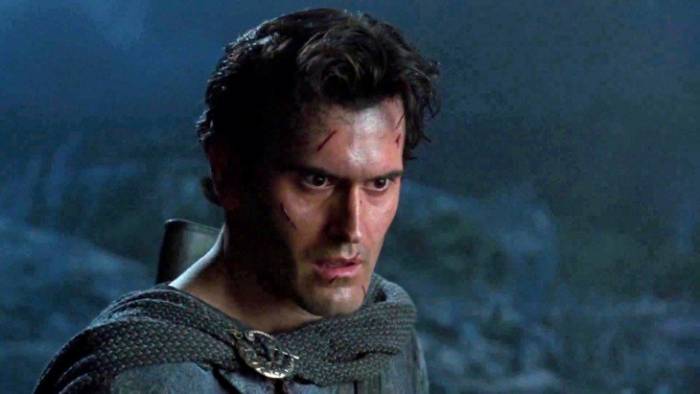
Army of Darkness (1992)
Army of Darkness may function well as stand-alone movie, but it's actually the third installment in Sam Raimi's Evil Dead franchise. Army of Darkness had a considerably larger budget than its predecessors, and told a much more ambitious story that set it apart from the other movies which both took place at a mysterious cabin in the woods. Picking up immediately after the events of Evil Dead II, Army of Darkness sees protagonist and archetypal badass Ash Williams stranded in the 14th century. After striking fear into the hearts of the locals using his 20th century ‘boomstick', Ash sets out on a quest to find the Necronomicon so he can open a gateway back to his own time. However, in the process, he inadvertently raises the army of Deadites that give the film its title.
Soldier (1998)
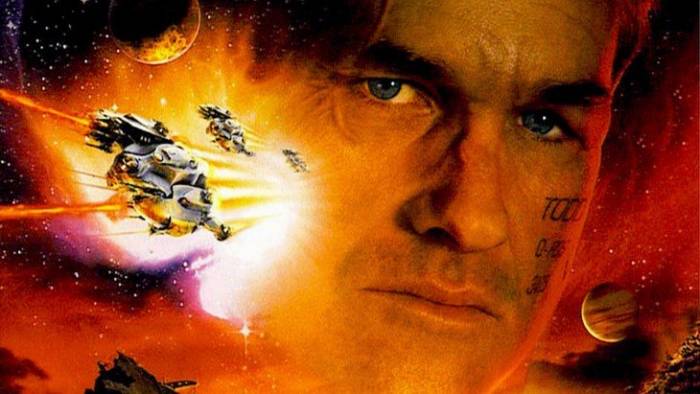
Right now, there are hordes of excited fans who are anxiously awaiting the release of the new Blade Runner movie scheduled for 2017. But who knew there was actually an unofficial Blade Runner sequel that came out almost 20 years ago?
Though it was advertised as a stand-alone movie starring Kurt Russell as a genetically engineered super human, director Paul W.S. Anderson intended Soldier to exist within the same fictional future universe as the 1982 sci-fi classic starring Harrison Ford. Screenwriter David Peoples, who wrote the script for Soldier and co-wrote the script for Blade Runner, refers to the movie as a "sidequel." Soldier even makes various references to the writings of Philip K. Dick, who wrote Do Androids Dream of Electric Sheep?, which is the source material that Blade Runner is based on. And if you watch the movie closely, you should notice a spinner vehicle from Blade Runner in a pile of wreckage on the junk planet where the majority of the film takes place.
The Color of Money (1986)
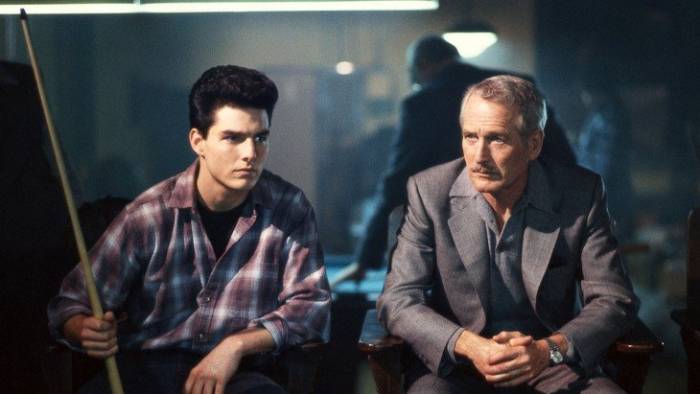
Since Martin Scorsese has made so many good movies in the years since then, a lot of people forget his 1986 Tom Cruise collaboration, The Color of Money. But if you happen to be a pool shark who loves movies about about the world of high stakes billiards, you might be surprised to know that The Color of Money is actually a sequel to the 1961 Robert Rossen movie The Hustler.
In The Hustler, screen legend Paul Newman stars as Edward "Fast Eddie" Felson, a role that came to define his career. In The Color of Money, Newman reprises that role playing the mentor/stakehorse to hot shot pool player Vincent Lauria (Tom Cruise), who acts very much like Felson did in his younger years.
Though The Color of Money is by no means a bad movie (it's actually quite good, with a 90% score of Rotten Tomatoes), it's generally considered inferior to the original film.
This is 40 (2012)
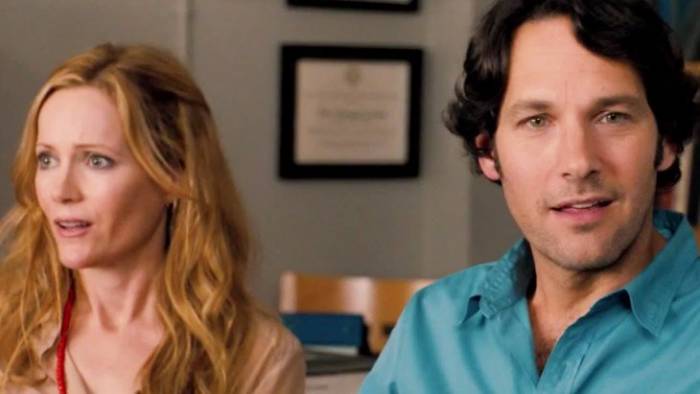
This movie is more like half a sequel and half a spin-off to Judd Apatow's 2007 movie Knocked Up. This Is 40 follows the lives of married couple Pete (Paul Rudd) and Debbie (Leslie Mann), who were supporting characters in the first film, as they each approach their 40th birthdays. It mostly deals with the pair coping with all the issues and emotions that surround getting older.
Apatow has been reluctant to make direct sequels to his movies in the past, but in a few interviews he's talked about doing a sequel to This is 40 that would shift the focus from married couple Pete and Debbie, and instead center around their teenage daughter Sadie, who was played by Apatow's daughter Maude.
The Silence of the Lambs (1991)
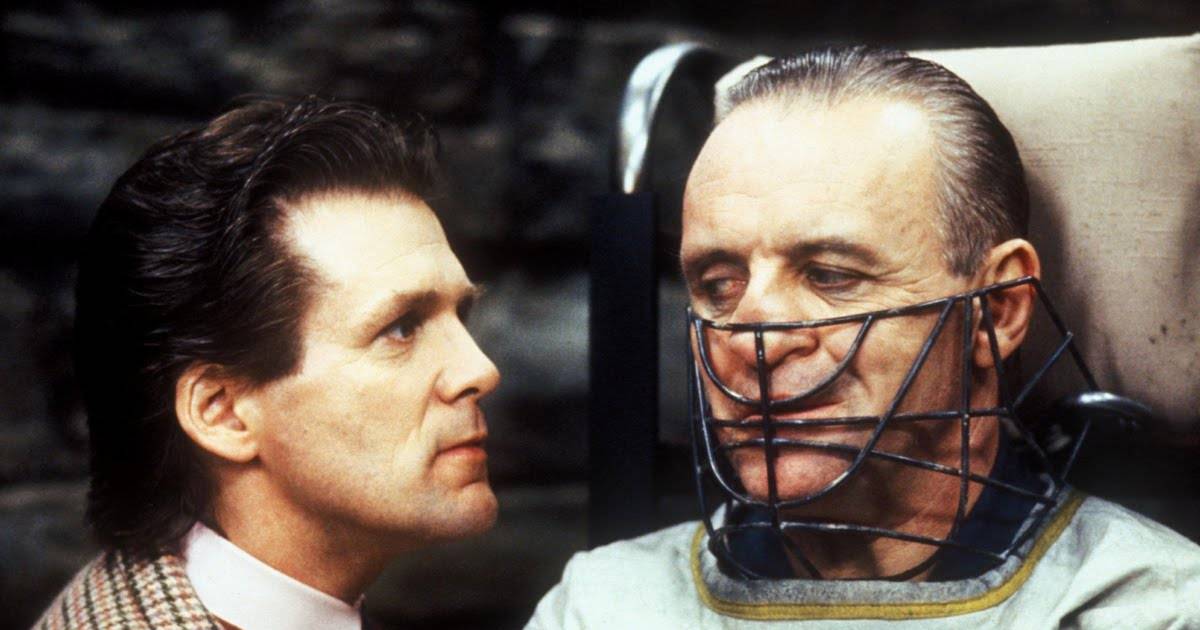
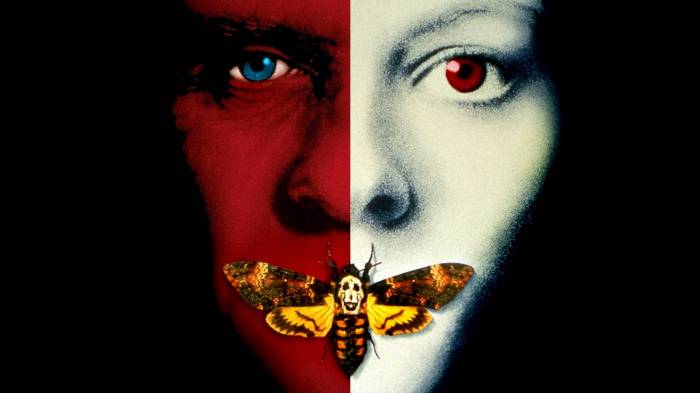
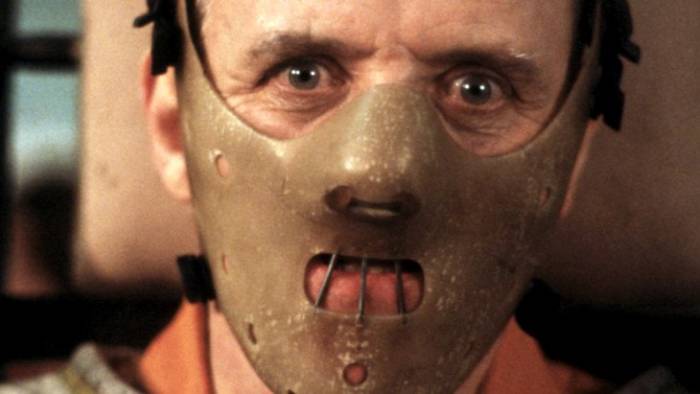
Anthony Hopkins may have won an Academy Award for his chilling portrayal of serial killer Hannibal Lecter in 1991's The Silence of the Lambs, he wasn't the first actor to play the psychiatrist with cannibalistic tendencies on the big screen. The movie is actually a sequel to Michael Mann's 1986 film Manhunter, starring Brian Cox as the intelligent psychopath and William Petersen as FBI profiler Will Graham. Manhunter itself was actually remade in 2001 as Red Dragon, with Hopkins reprising the famous role he played so superbly.
It Runs in the Family / My Summer Story (1994)
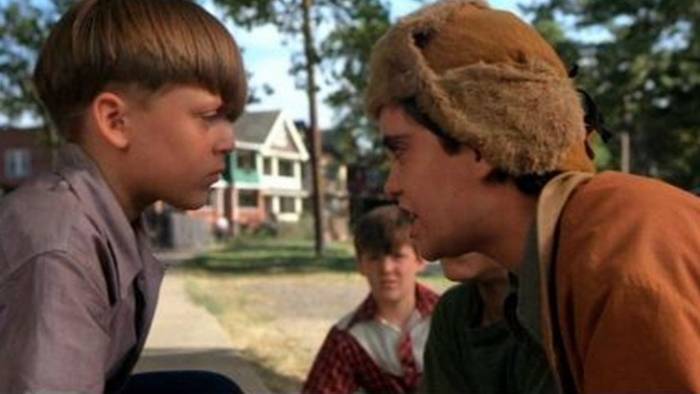
Originally released with the title It Runs in the Family, then then later undergoing a name change to My Summer Story, this film continues the story of Ralphie Parker and his family from A Christmas Story. But despite being billed as a sequel, the original cast had aged so noticeably in the 11 years between movies that nearly every character had to be recast with new actors, making it much harder to make any sort of association.
Though both films are based on the semi-autobiographical stories by Jean Shepherd, My Summer Story was found to be less enjoyable by many because it lacked the same charm as A Christmas Story, which is probably why few people have even heard of it, let alone seen it.
Shock Treatment (1981)
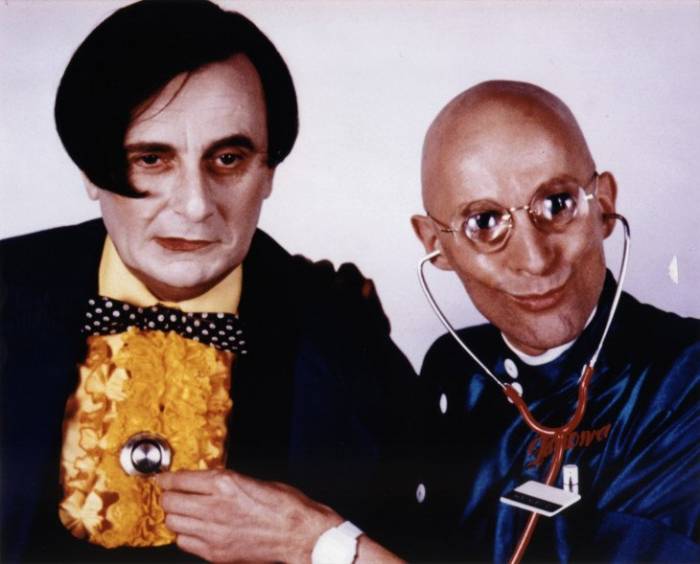
Following in the footsteps of The Rocky Horror Picture Show, Shock Treatment features several characters from the 1975 British-American musical horror comedy, albeit played by different actors. To make matters more confusing, it also features several Rocky Horror actors playing completely different characters. The need for a casting overhaul arose when many actors from the original movie stated they were unable, or unwilling, to commit to revisiting the material, resulting in the filmmakers having to get creative with the new movie.
Shock Treatment sees Brad and Janet Majors from Rocky Horror once again caught in the middle of some incredibly bizarre events as they're stuck in Denton, USA, and must journey through the town which is entirely encased within a production studio for a local network.
Despite a lot of pre-release hype, including a promotional TV special called The Rocky Horror Treatment, the film was both a critical and commercial failure when it was released in 1981. In addition, due to the increased budget it received because of Rocky Horror's post-box office cult following, it ended up being regarded as an even bigger flop.
U.S. Marshals (1998)
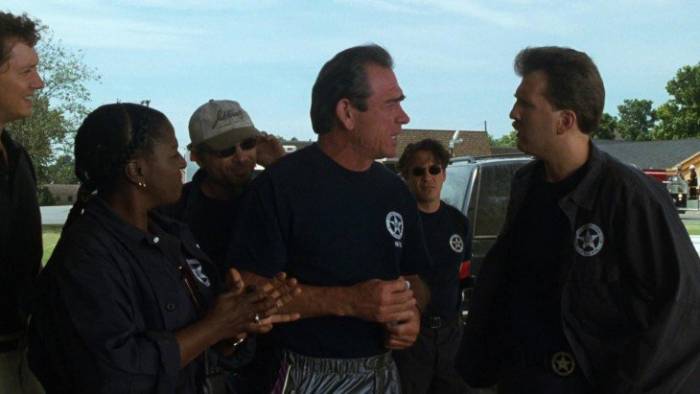
A sequel to the movie The Fugitive, U.S. Marshals follows Tommy Lee Jones as he reprises his role of U.S. Marshal Sam Gerard. But instead of continuing his relentless pursuit of Harrison Ford's character from The Fugitive, Gerard has a new target, played by Wesley Snipes, who is on the trail of an international conspiracy scandal.
Even though U.S. Marshals was deemed a commercial success, it didn't come anywhere close to critical acclaim that its predecessor had, with many reviews citing its lack of tension and suspense when compared to The Fugitive.
Sahara (2005)
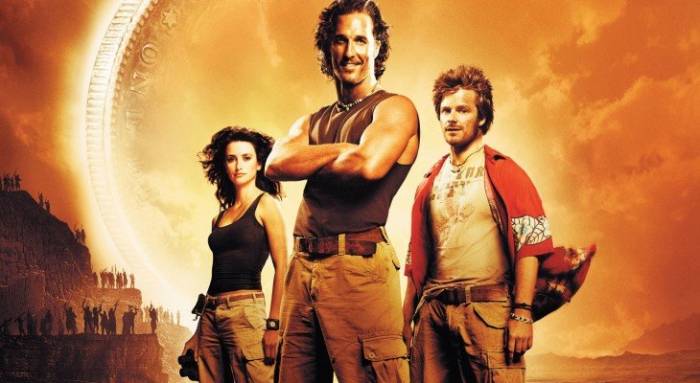
Based on the Clive Cussler novel of the same name, this 2005 action movie stars Matthew McConaughey as Dirk Pitt, a globetrotting treasure hunter looking for a lost Confederate ship that's said to have been carrying unimaginable riches. Though the movie had some success at the box office, debuting at number one and going on to make over $200 million, since it cost over $280 million to produce and distribute, it was largely considered a flop.
Nevertheless, this wasn't the first time that fictional adventurer Dirk Pitt appeared on screen in a quest to find a lost ship. In the 1980 movie Raise the Titanic, actor Richard Jordan played the role of Pitt, who was searching for the famous sunken ocean liner. And, much like Sahara, this movie was also a commercial disaster, earning only $7 million in ticket sales and receiving mostly negative reviews from critics. In fact, Cussler was so disgusted with the film adaption of his book that he refused to give permission for any more movies to be made based on his writing. Which is why, in 2006, after Sahara suffered those huge financial losses, Cussler sued the filmmakers behind it for failing to consult with him on the script.
Although no mention of the events that occur in Raise the Titanic are made in Sahara, in the film's opening credits, newspaper clippings are seen of Pitt's past exploits, including his efforts to raise the ill-fated ship from the North Atlantic.