Inflammation is the body’s natural response to infection and injury. It is an important defense mechanism that helps our body to heal by bringing nutrients and immune cells to the affected area. On the other hand chronic inflammation is the running thread linking a wide variety of common health problems, from obesity to cancer. Chronic inflammation can include diseases like heart disease, Parkinson’s disease, and Crohn’s disease, to conditions like eczema, asthma, and arthritis. Your diet is key for reducing chronic inflammation! Eating an anti-inflammatory diet can help reduce inflammation in the body and help with certain conditions that are caused by or worsened by inflammation. Take a look at our top 10 selection of natural anti-inflammation food and boost your immune system to fight easily with chronic inflammations.
advertisement
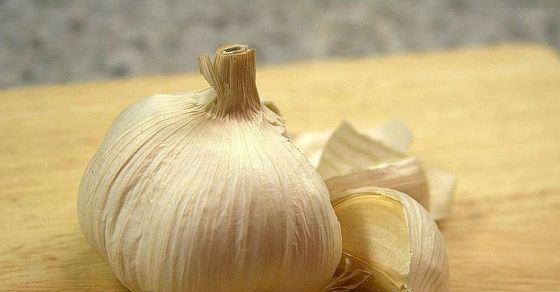
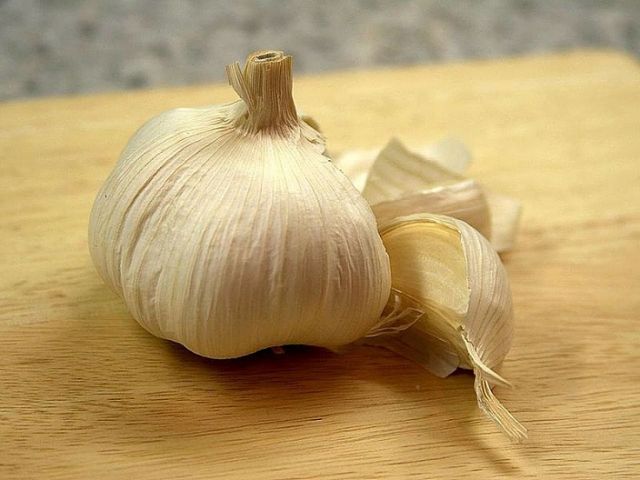
#1 Garlic is one anti-inflammatory food that has the ability to battle inflammation. Garlic contains anti-inflammatory chemicals like the antioxidant quercetin, which naturally inhibits histamine-compound involved in the inflammatory response. Many times garlic supplements are prescribed as a way to help with chronic inflammation, but one easier way is to simply start using more of it in your cooking. To prepare garlic for best absorption, mince it or slice it up, and don’t overcook it.
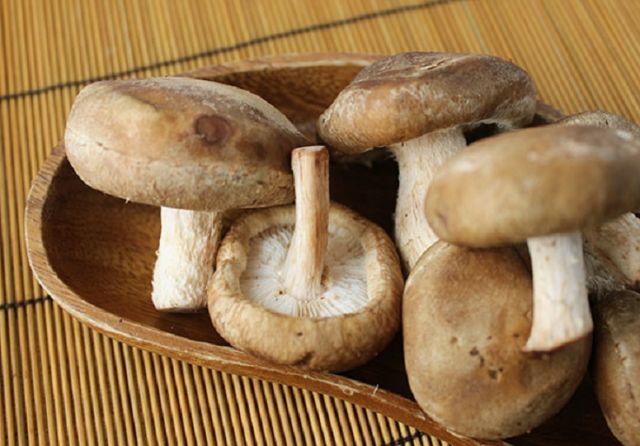
#2 Shiitake mushrooms have been used for many years as medicinal mushrooms by the Chinese. They are cultivated and consumed in many Asian countries. Shiitake mushrooms have been extensively researched for its potential pharmacological actions. Many of the phytonutrients present in shiitake mushrooms inhibits oxidative stress. Research studies have shown presence of amino acid – ergothioneine, this bioactive compound has been proven as effective for reducing the inflammation.
advertisement
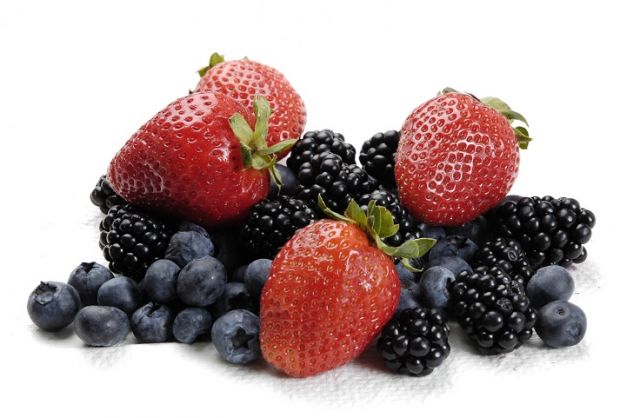
#3 Berries have anti-inflammatory properties because they contain healthy anti-inflammatory phytonutrients such as polyphenols, flavonoids and anthocyanins. By helping to scavenge free radical molecules, and by helping to regulate the activity of enzymes that could trigger unwanted inflammation, the phytonutrients in berries help lower our risk of chronic diseases that are associated with chronic oxidative stress and chronic inflammation. Berries are full of antioxidants, which helps with the removal of harmful toxins in the body.
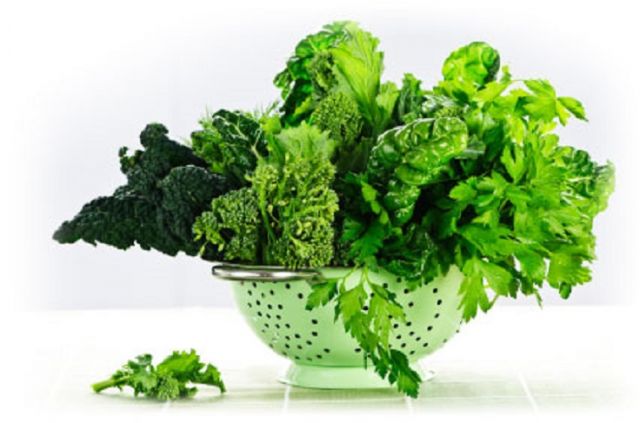
#4 Dark leafy greens such as kale, spinach, collard greens and Swiss chard contain powerful antioxidants, flavonoids, carotenoids, and vitamin C. All these compounds reduce inflammation and protect against cellular damage. Ideally, search organic locally grown veggies that are in season, and consider eating a fair amount of them raw. Juicing is an excellent way to get more greens into your diet.
advertisement
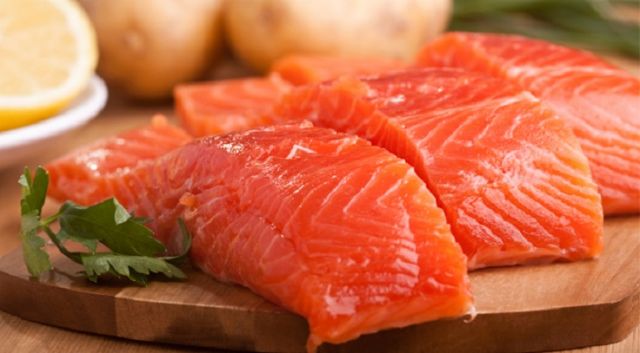
#5 Animal-based omega-3 fats, found in fatty fish like wild Alaskan salmon and fish- or krill oil, helps fight inflammation throughout your body. It’s particularly important for brain health. Cold-water fish contain omega-3 fatty acids, which have significant anti-inflammatory properties if eaten a few times a week. Research published in the Scandinavian Journal of Gastroenterology in 2012 confirmed that dietary supplementation with krill oil effectively reduced inflammation and oxidative stress. Those who don’t like fish may want to consider fish oil supplements.
advertisement
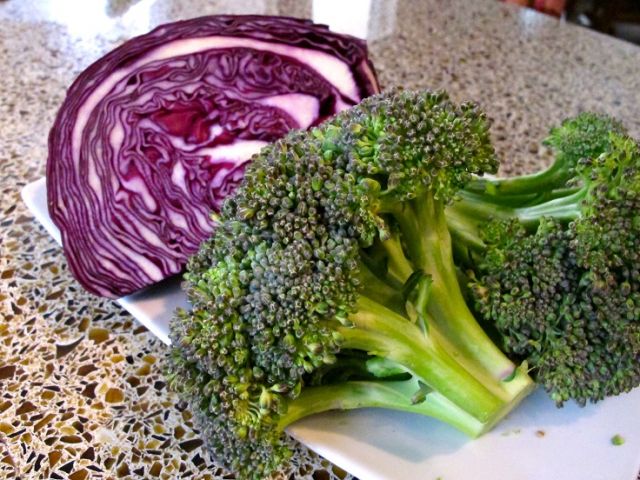
#6 Cruciferous vegetables are part of the Brassicaceae family of vegetables, which include broccoli, cauliflower, Brussels sprouts, cabbage, kale, and bok choy. These vegetables are extremely nutritious as they are high in phytochemicals, vitamins, minerals and fiber. Eating them raw or lightly steamed helps to maintain their highly nutritious quality. In addition to all of that it’s an anti-inflammatory food, so you can enjoy this as part of an inflammation-conscious diet. It’s long been known that cruciferous vegetables help to prevent certain diseases like cancer, but it’s also helpful for many other illnesses and conditions.
advertisement
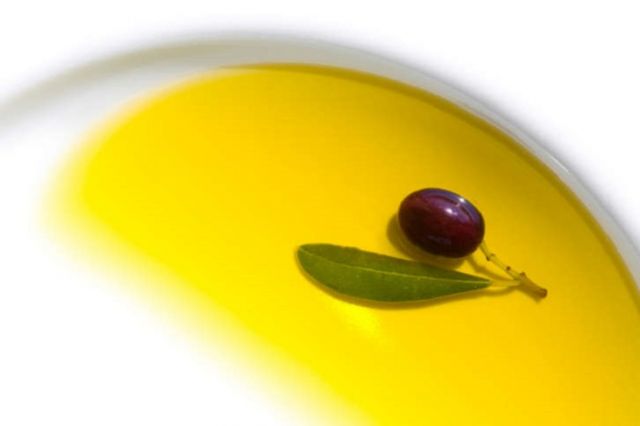
#7 Researchers have discovered that olive oil contains a compound called olecanthal. This compound prevents the production of pro-inflammatory enzymes which reduce inflammation. Incorporating extra virgin olive oil into your diet may have some anti-inflammatory benefits, potentially reducing your arthritis pain. Buy extra virgin olive oil, it is slightly more expensive than other types of olive oil, but it is the best choice if you are seeking to gain anti-inflammatory health benefits.
advertisement
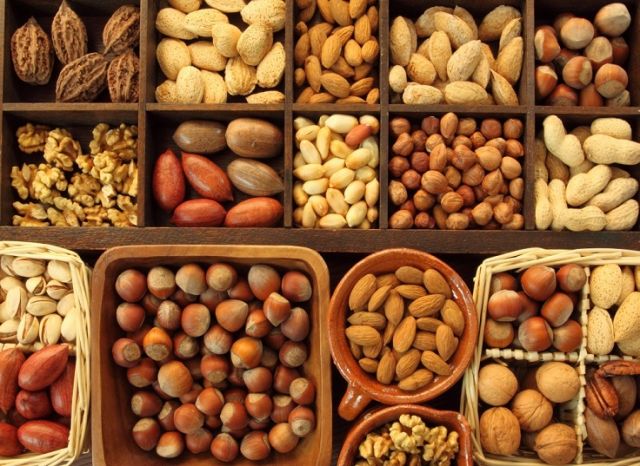
#8 Nuts are known for their anti-inflammatory nature, but some are better for you in this regard than others. Consider almonds, which consistently make lists of foods that can help with inflammation. Moreover, walnuts specifically help with rheumatoid arthritis. The great thing about most of these nuts is that they’re very versatile, making a great between meals snack or adding flavor to any main dish or side dish. It’s quite easy to start eating more of them by simply being more aware that they can help you with your inflammatory conditions.
advertisement
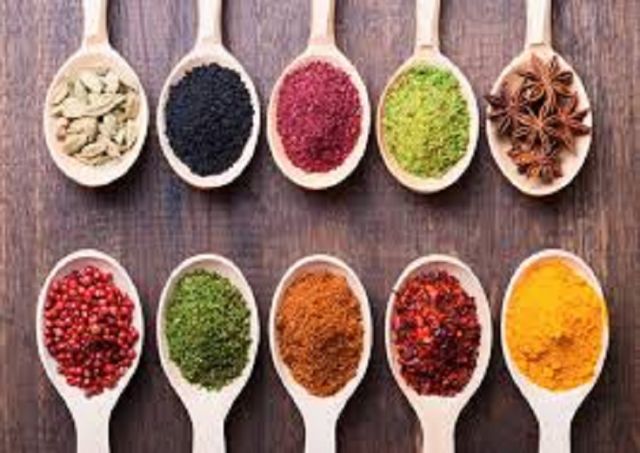
#9 Fresh herbs, like basil, thyme, and oregano are delicious choices to use in your cooking, and can be a source of antioxidants. Now, scientists have been able to show that certain herbs like cumin and chili pepper have compounds that fight inflammation and reduce pain. Add some ginger, cinnamon and turmeric to your dishes. These seasonings appear to have anti-inflammatory properties, so they are a great choice to use when cooking.
advertisement
#10 There are endless varieties of teas, endless ways to make it, and endless health benefits you can derive from tea. Green, black, oolong and white teas are loaded with polyphenols, plant-derived compounds that help immune system and may protect against certain diseases, including arthritis. Tea drinking boosts cells ability to react against bacterial and viral infections, says researchers. This action helps your body fight off colds and flu. Hot or cold, add some lemon juice to perk up the tea’s flavor and kick up the antioxidants.