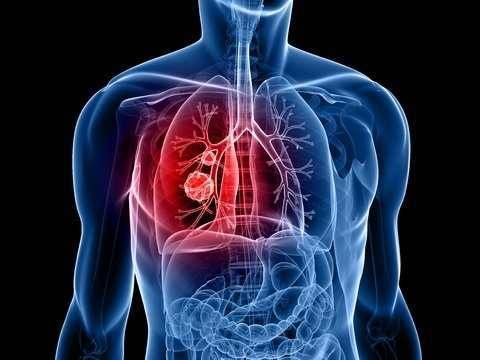
The body stops bleeding through blood clotting. We have all seen this in the form of bruises and scabs. However, blood clots may appear when they are not supposed to, causing strokes, heart attack, or other serious medical issue.
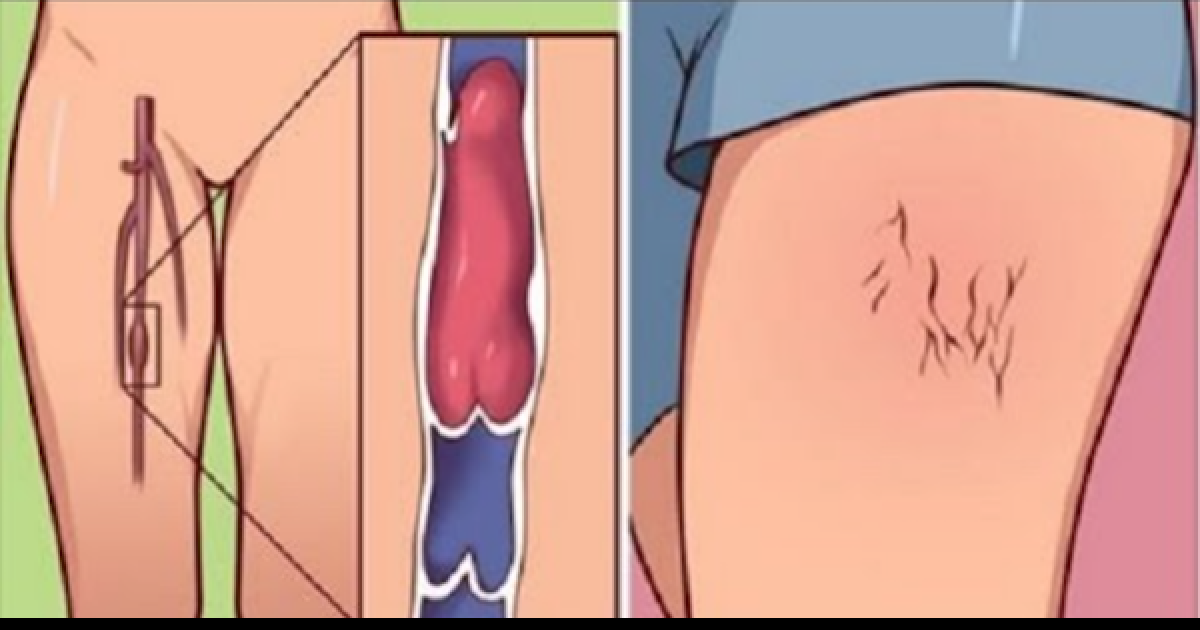
10 Signs You May Have A Dangerous Blood Clot
By
Michael Avery in
Health and Fitness
On 5th February 2017
advertisement
The nature of blood clots
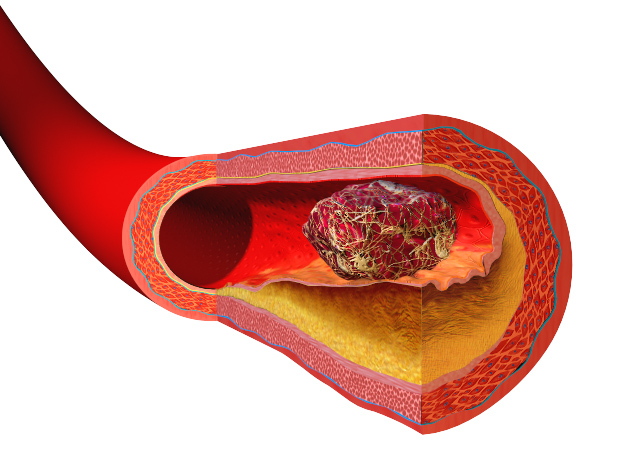
Just like a scab that heals when you cut your finger, a blood clot is a mass of blood that is moving along your bloodstream. Clotting is normal for our blood because it is a natural part of the healing process. Unfortunately, when a blood clot happens inside your body, it can be dangerous.
According to the American Society for Hematology, these are a few risk factors for blood clots:
Obesity
Pregnancy
Being sedentary for more than 4 hours (a long plane trip)
Smoking
Oral contraceptives (birth control pills)
Cancers
Injuries
Certain surgeries
Being over age 60
A family history of blood clots
Chronic inflammatory diseases (rheumatoid arthritis)
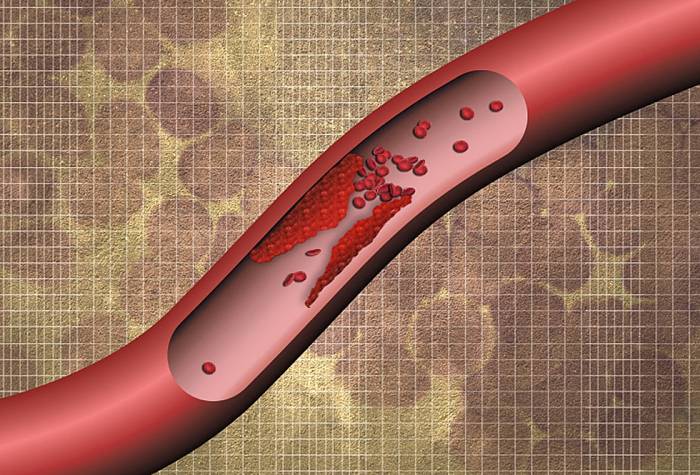
A blood clot that is being pumped along your veins can get stuck and block tissues in your legs, arms or even your brain or other organs. This can cause those parts of your body to slowly die from a loss of oxygen-rich blood. Let’s look at these warning signs you may have a blood clot as well as when to seek medical attention and what you can do to prevent it.
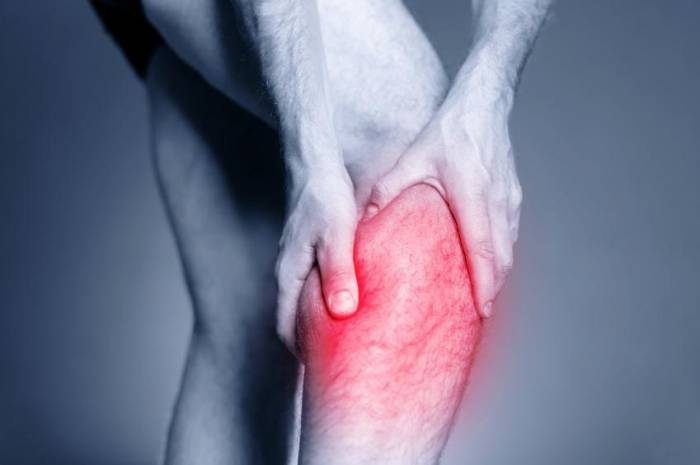
Leg pain or tenderness
This is a common symptom of DVT (Deep vein thrombosis) and the pain is sometimes described as a cramp or Charley horse.
advertisement
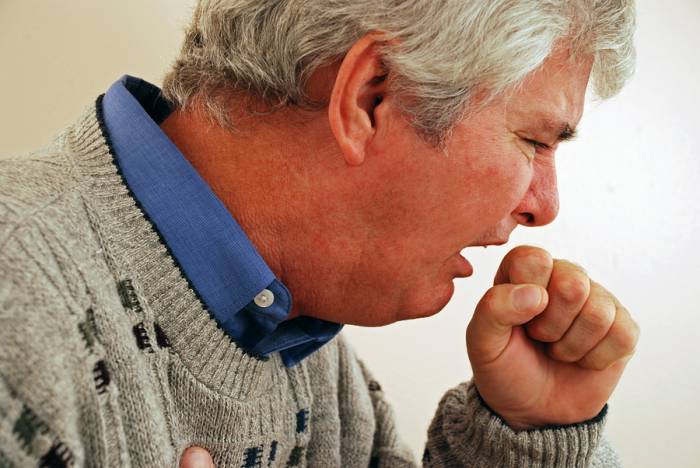
Unexplained cough
If you begin coughing frequently for no particular reason you need to pay attention to your heart rate and breathing. If you notice anything out of the ordinary call your doctor immediately.
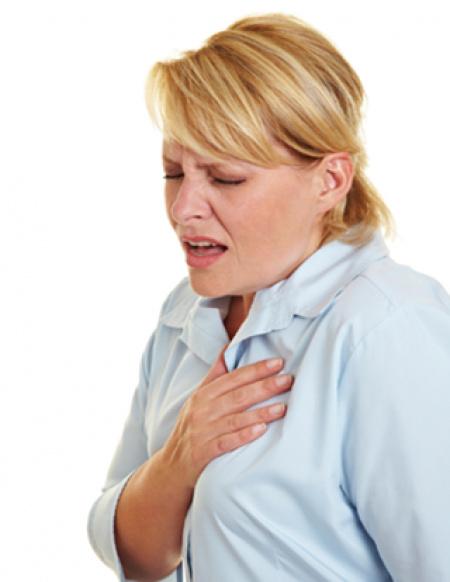
Shortness of breath
If you begin to have issues taking deep breaths, then you may have a blood clot in your lungs. You may also experience fluttering in the chest, dizziness, or a racing heart. Seek immediate attention.
advertisement
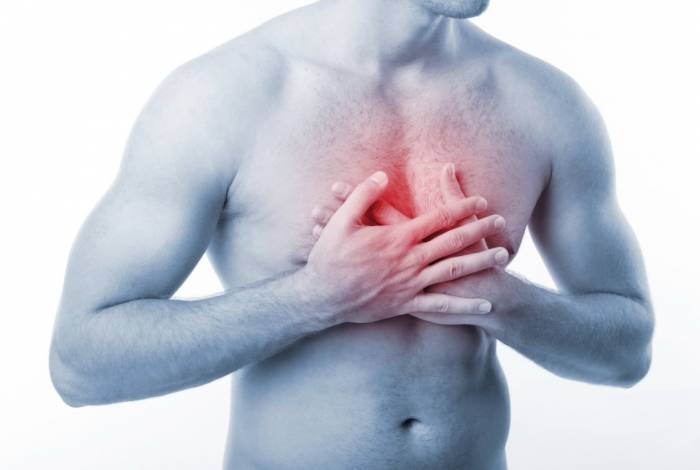
Chest pain with deep breathing
If you experience these symptoms together you may be experiencing blood clots in your lungs. You have to seek immediate medical attention if this happens as it can be fatal.
advertisement
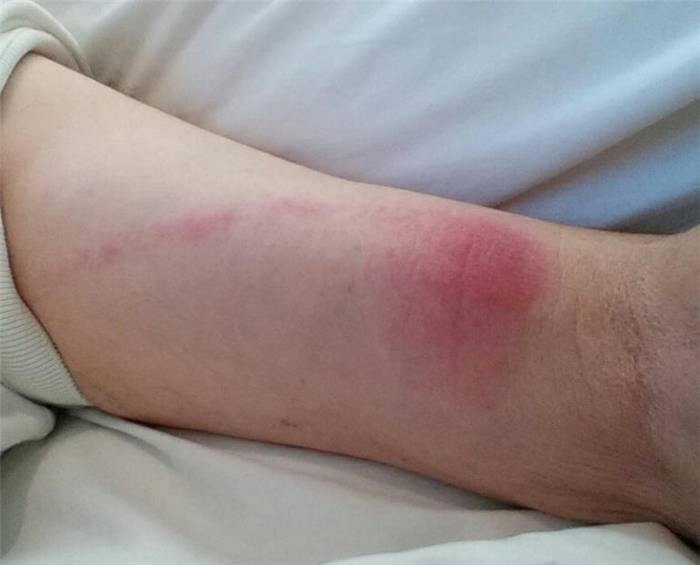
Red streaks on your skin
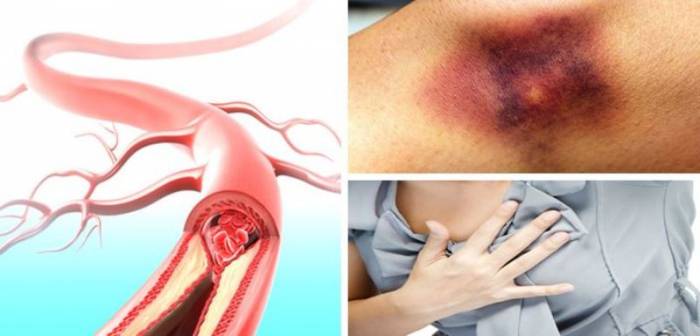
A bruise is a type of blood clot, but if you notice red streaks running along the length of your veins, this is not a normal bruise. In this case the blood clot has begun traveling through your veins.
advertisement
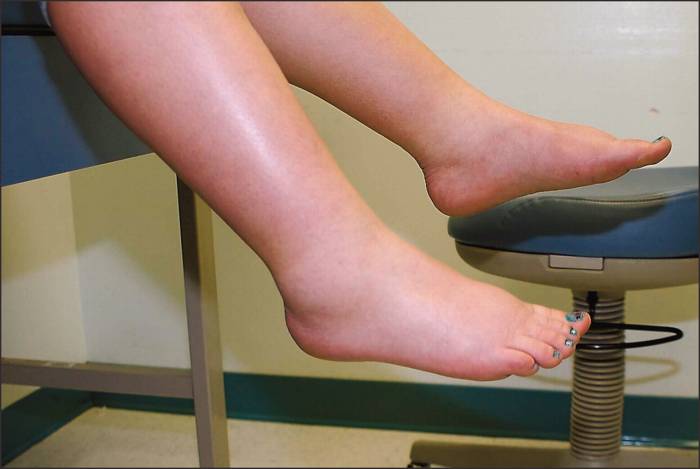
Swelling in the limbs
This kind of blood clot is known as a deep vein thrombosis and it prevents blood flow in the circulation system. This is dangerous as it prevents oxygen from reaching the vital organs
advertisement
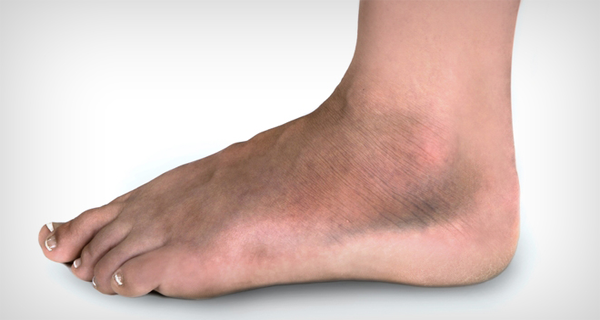
Skin appearing blue or pale
The lack of blood supply from a blood clot is what makes your skin turn pale, then blue as the oxygen leaves the blood.
advertisement
Unexplained pain
In the chest, pain can feel like a weight resting on your chest rather than an intensely piercing pain. A feeling of pressure or a dull pain that accompanies other symptoms is a sign that you may have a blood clot.

advertisement
Sensation of warmth
A feeling of warmth is usually felt in the arms or legs. This may be accompanied by sweating or tenderness in the affected area.

advertisement
Headache with loss of vision or ability to speak
A blood clot in the brain is called an ischemic stroke. A headache is common enough that you shouldn’t worry about a blood clot if that is your only symptom. But a clot in the brain can cause problems with your eyes and may affect your ability to speak.

advertisement
Seek medical attention
It is critical to seek medical attention quickly, especially with the symptoms of a blood clot in the brain, heart, abdomen or lungs. Your doctor can use a non-invasive ultrasound to check for any blood clots in your extremities and a blood test to check for the clotting factor in your blood.
Treatment for blood clots typically includes the use of medications to thin the blood and breakup clots. Drug therapies and blood thinners such as aspirin, warfarin (Coumadin, Jantoven), dabigatran (Pradaxa), rivaroxaban (Xarelto), apixaban (Eliquis) and heparin can significantly decrease your risk of a serious blood clot. This does not mean that you should take a non-prescription medication like aspirin to prevent a blood clot.
Ways to prevent a blood clot
Please seek counsel from your health care professional before taking aspirin as you may have other health complications that could be a concern when combined with a blood thinner.
According to the Mayo Clinic, you can also take action to prevent blood clots. They recommend:
-Avoid sitting for long periods. If you travel by airplane, walk the aisle periodically. For car trips, stop and walk around frequently.
-Move. After you’ve had surgery or been on bed rest, the sooner you move, the better.
-Change your lifestyle. Lose weight, lower high blood pressure, stop smoking and exercise regularly.
advertisement
More ways to prevent blood clots
Other ways to reduce your risk for a blood clot include increasing your intake of Omega-3 fatty acids with fish oil supplements. Omega-3s have numerous benefits as you may have already read in our article This One Thing Will Help You Live Longer. Vitamin E and Evening Primrose oil are also anti-coagulants for the body, which means that they make blood less likely to clot.
Massage, exercise such as walking, and eating a healthy, low fat diet that is high in healthy grains and vegetables will also keep your blood moving easier. Garlic, onion, ginger, tumeric, ginko, bilberry, cayenne and pepper are all excellent ingredients to add to your cooking to reduce the likelihood of blood clots.