

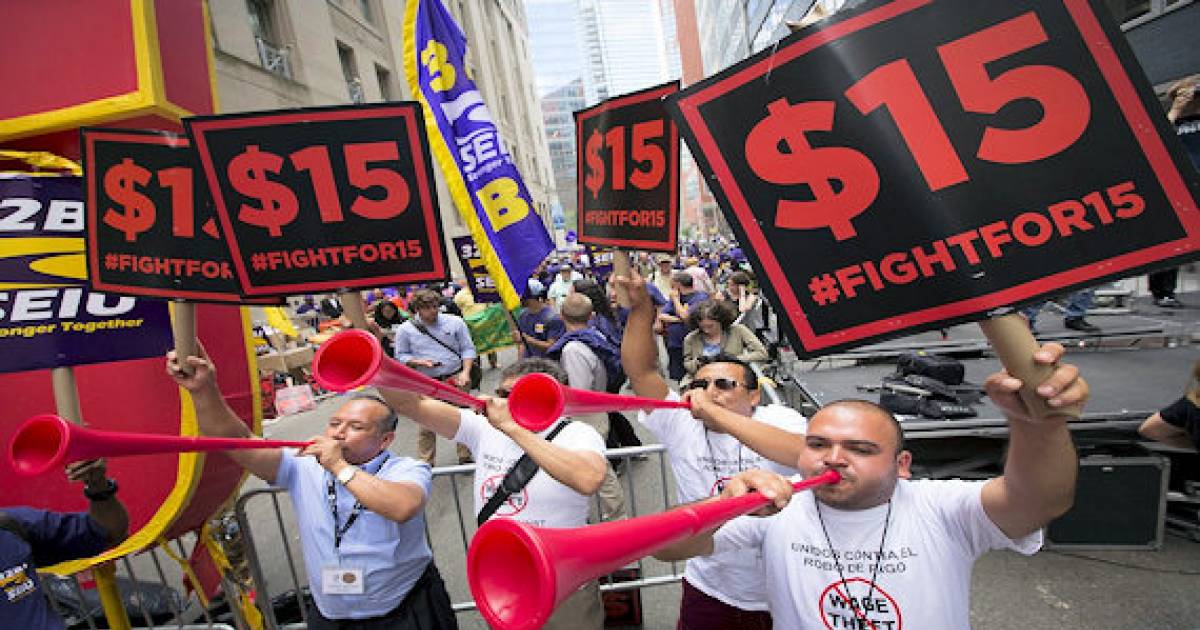
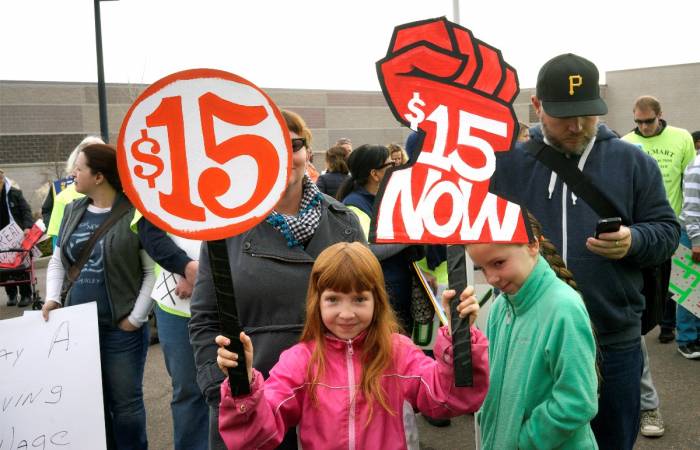
There has been a lot of discussion about raising the minimum wage in the United States. Many politicians and labor activists want it set at $15 an hour. Certain U.S. cities have even begun to implement this plan. In places like Seattle, $15 minimum wage is well on its way. And that's good for those workers. However, we’re going to look at a “what if” scenario, specifically what if every nation around the world raised their minimum wage to $15 an hour. Here are 10 things that would occur due to this decision.
10 Things That Will Happen If Everyone Raises Their Minimum Wage To $15 An Hour
By
Editorial Staff in
Facts
On 22nd January 2017
advertisement
#1 Increased Automation
If they have to pay you more money to do the same work that they can get from automation, guess which one they will decide to use to do the work? More and more companies will be switching to almost all automated systems. Fast food places will have automated computers to take your orders and then cook them. grocery stores will use more self-checkouts, and factories will create more robotic assembly lines. This will save the companies a fortune, but guess who will be out in the unemployment line looking for work?

#2 Poor People Would Stay Poor
People think that by giving everyone more money, like increasing the minimum wage, it will end all poverty. That's not the case. The idea is being implemented to help struggling workers but in the long run. it won't do much good to keep them being below poverty. According to recent studies, only 12.7% of America’s poorest workers hold minimum wage jobs. The rest already hold jobs where they earn between $10 to $15, or even more. Financial struggles are not the only factors involved in keeping people in an endless cycle of poverty.

advertisement
#3 Massive Waves Of Immigrants
Well-meaning increases in minimum wages have already been tried in other countries and have destroyed the economy. In the 1980’s the USA ordered Puerto Rico to raise their minimum wage to the same rates required in the United States. The results were well intentioned and hoped to raise some poor and destitute workers out of poverty, but it had a terrible effect instead.
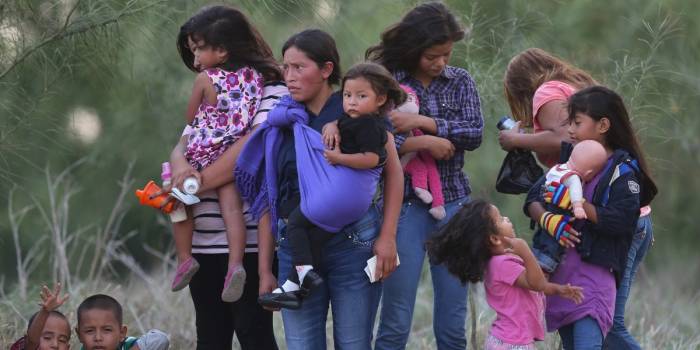
The result was a mass immigration of Puerto Ricans to the US. Puerto Rico is much poorer than the USA, so their businesses were unable to pay these higher wages. This resulted in mass layoffs, causing thousands of out of work people to become hungry and destitute, eventually flooding into the United States.
Done globally, this would kill industry in most developing nations and cause a huge migration from poorer regions into wealthy countries like The United States, Germany, France, Australia, and England.
#4 Hatred Towards Foreigners
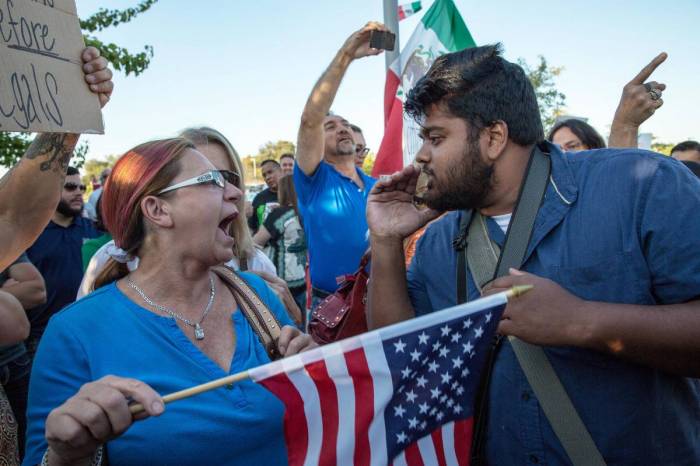
In this period of time when we are already seeing immigrants pouring over borders to flee persecution, wars, destruction, and murder, the world is not a free place to roam around. Many countries, including the United States, are passing laws to keep immigrants out, by closing down our borders. Humanitarian aid aside, the world is growing less tolerant of letting immigrants locate to their countries because they are also taking a good job from someone who may need one.
Continued...
advertisement
#5 Immigrants
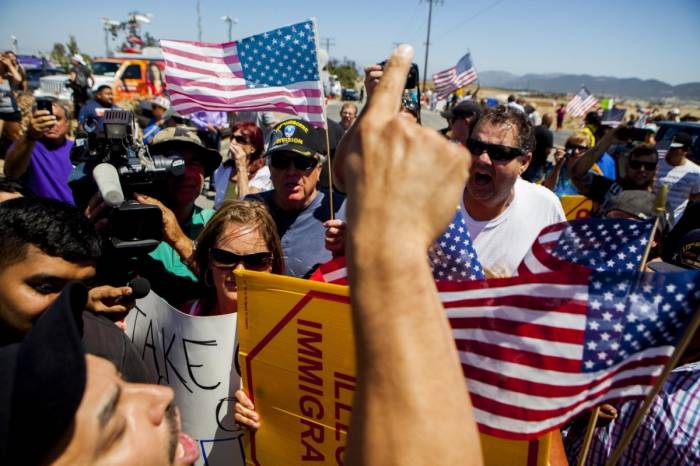
Even those with bleeding hearts and compassion for the less fortunate would be unhappy about waves of migrants moving abroad to take high paying jobs. In fact, studies have shown that most countries would become incredibly xenophobic and hatred towards foreigners would run rampant. We see this happening now and it's not even about the price of wages yet. Throughout history, mass migration has always brought racism and hatred with it. Natives don’t understand the immigrants’ culture or value system, and it creates tension between both groups. With a $15 minimum wage instituted, this problem is very likely to become disastrous.
advertisement
#6 Poor Nations Would Become Even More Destitute
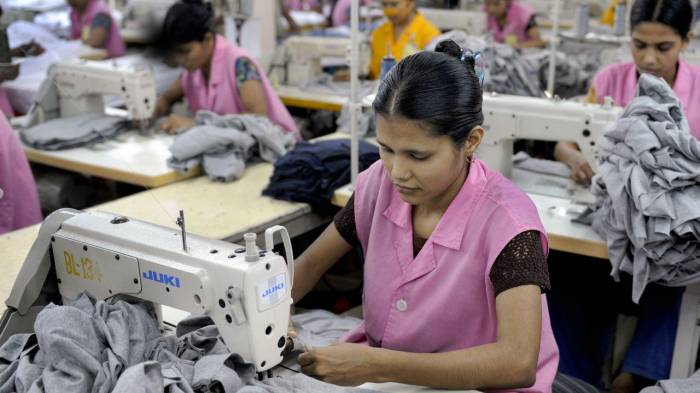
Places like Haiti, Bangladesh, and Ethiopia rely on cheap labor. These struggling countries rely on cheap labor to keep their economy flowing and would never be able to afford an increase to $15. The factories in these places normally make products that are shipped to wealthier countries like The United States or the UK, and even Western Europe. An increase to $15 would destroy any advantage the factories have and totally close them down, leaving entire countries without any work available at all, and no way to earn a living.
advertisement
#7 Outsourcing Would End
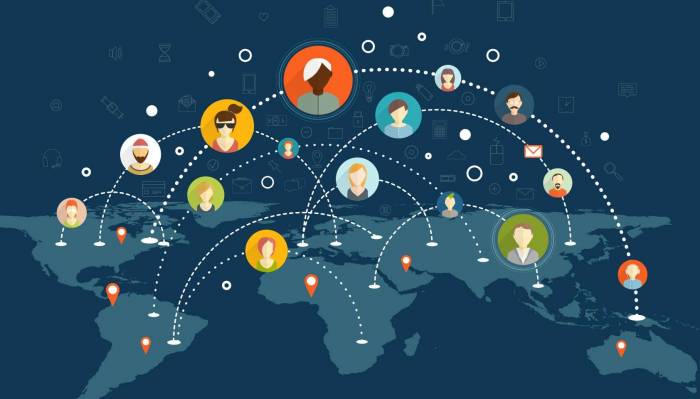
Yes, all those tiny little countries would be destroyed and all hope for success would be lost for good, but it would make Western countries very happy. Outsourcing, the practice of taking American and European jobs and having them done overseas, would end. Since companies could no longer pay such a tiny wage, they’d be likely to re-open factories and shops in the Western world. Your local cable company could use people from right in your hometown instead of from India or Malaysia.
This means that some new factory and manufacturing jobs might be created for people in the United States and Europe. But they would be the lowest skilled jobs available, and still probably hard to fill since there are no migrants coming in to do the things the Americans find tedious and beneath them.
advertisement
#8 Small Businesses Would Fail
Forget about big box stores coming in and putting the Mom & Pop small business out of its misery. Some of these local small businesses struggle to make any profit now. It’s hard to run a company, pay employees, and deal with regulations like insurance and taxes. But adding a $15 an hour minimum wage into the mix is sure to be a death blow.
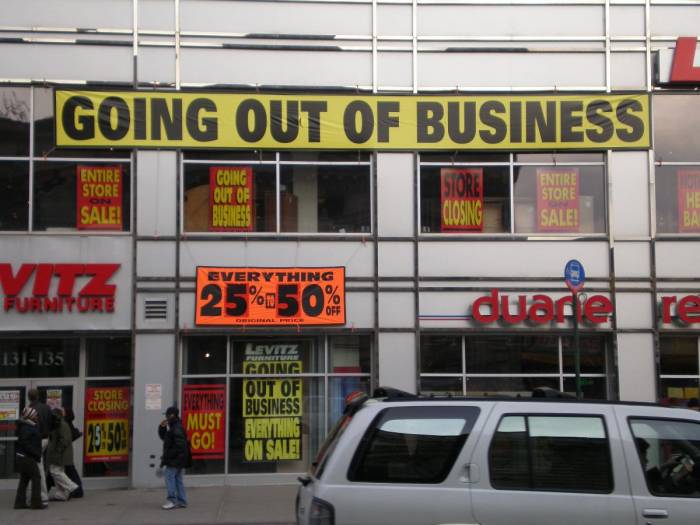
One-third of all workers in the US are employed by a small business or one that has less than 50 employees. They can barely survive on what they earn now and paying each employee %15 per hour would cause a ripple effect for them. They would slowly lay off a few to try and make ends meet, but eventually, it would be the death for most small companies. This would further damage the economy and prevent many innovative companies from being launched.
advertisement
#9 Freelance Businesses Would Skyrocket
Since companies wouldn’t want to pay $15 an hour, minimum, to their employees, they’d find clever ways to get around this law.
One system they might use involves hiring freelance contractors to do their work.
Instead of paying by the hour, companies can pay contractors one fixed fee for completing an entire task. It saves them money in the long run, and allows them to avoid any minimum wage laws.

advertisement
#10 A Spending Boom Would Erupt
When the minimum wage first goes up, we will see a huge lift in consumer spending. Life will be grand. People who were suddenly making double, or even triple, what they had earned before would go out shopping. Cars, clothes, houses, and entertainment products would be gobbled up. But this would quickly come to an end when the reality kicks in. You see, the prices of the things we enjoy would raise as well because, hey, the companies have to get the difference in that pay increase somewhere, and it might as well be from the shoppers.

advertisement
#11 The Future Will Remain Uncertain
It’s important to remember that not everything in this article is absolute and some things are just pure speculation. But when it comes to what would really happen, we don’t actually know. Even economists and financial experts can only predict. Because of this, we’ll have to wait and see how the current $15 an hour minimum wage laws affect society. Only after that can we start to make truly accurate assumptions about what will happen on a global scale.
However, it's for certain that unless inflation on consumer goods and products is under control, the increase to any wage is not going to make a single bit of difference because the big companies will still need to keep shareholders happy. And that's what life is all about.