Sharing is caring, so they tell us. It's good to give a little or let others take part when you have more than you could possibly ever use or need. But there are just some things that you should never share. Ever!
advertisement
#1 Things That You Should Never Share With Anyone
When you are living with your family or partner, it is easy to mix up the things that you own and use. How many times have you used your father's toothbrush before you realised it wasn't yours? Whether borrowing your sister's hairbrush or your partner's soap or your friend's nail clippers, sharing personal items is not always a good thing. In fact, it can be very dangerous to your health.
#2 Toothbrushes
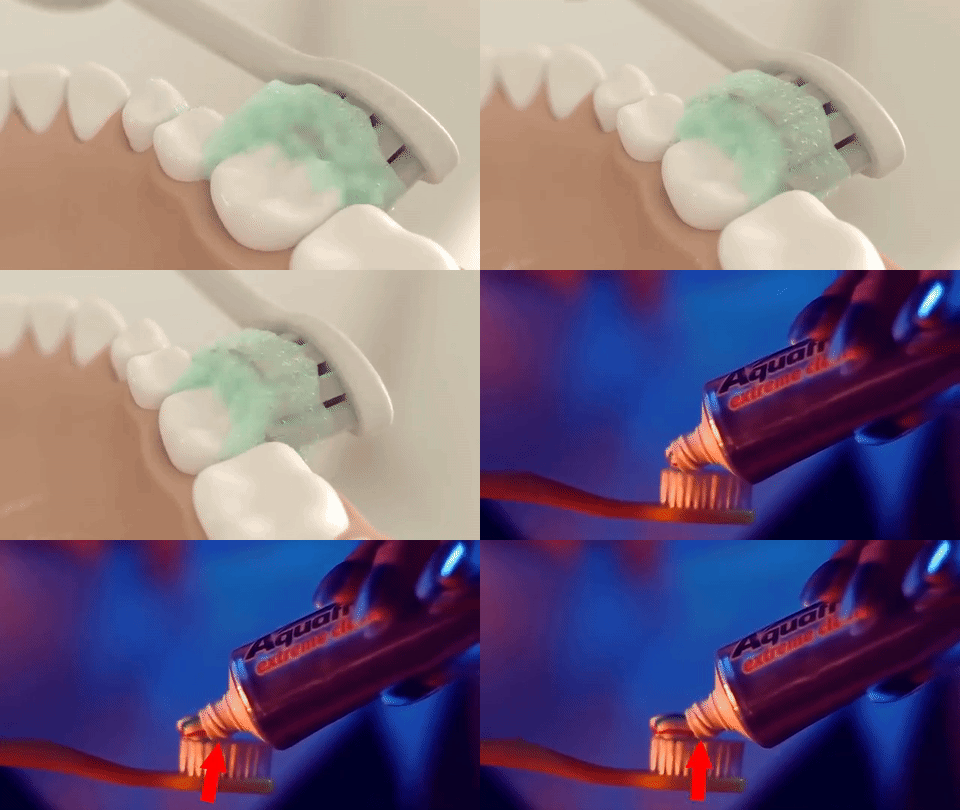
Using a toothbrush that isn't your own can be pretty dangerous, even if you clean it meticulously every time you use it, there's still going to be bacteria left on it. This bacteria can grow and reproduce in just a few hours. While your own bacteria won't do you much harm, they still produce new pathogens that can cause someone else the common cold, strep, norovirus, and even the flu. Blood-borne diseases can also be transmitted with a toothbrush between people if the two individuals both have poor dental hygiene and brushing causes bleeding in the gums.

advertisement
#3 Toothpaste
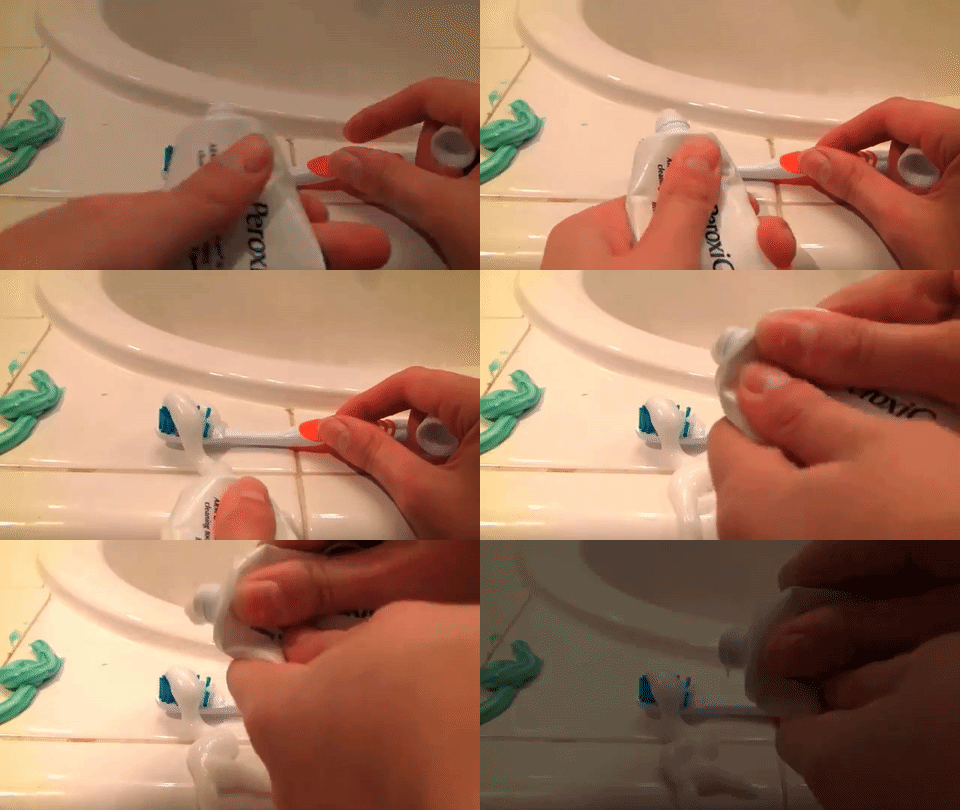
Using other people's toothpaste is not as dangerous as using their toothbrush, but there is still a health risk involved. There is still a chance of getting some infection, especially if contagious bristles touch the tubes edges when applying the paste to the brush.
#4 Ear Buds
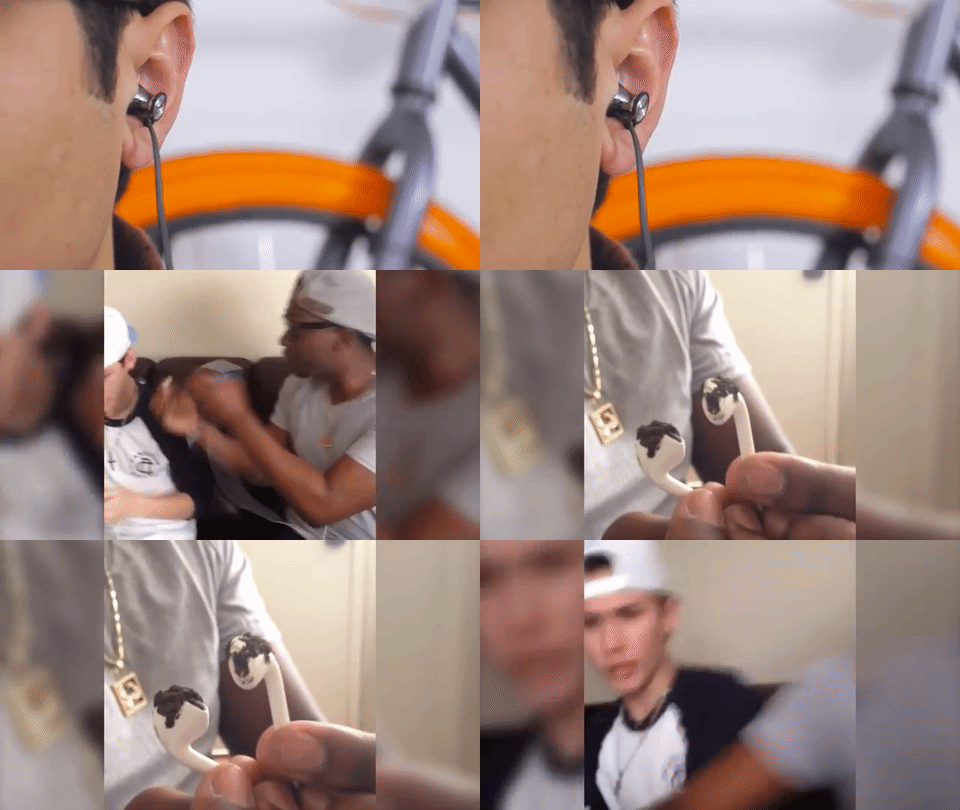
Earbuds are gross. They carry a ton of bacteria from the ears. Using other people's earphones is like offering your ears for their bacteria to reproduce. Some diseases can be transmitted this way. So the next time you're going to listen to some music with a friend, be sure to wash the headphones out. When you share dirty earbuds, bacteria like staph and strep can stay in your earwax and cause infections, boils, or pustules.
advertisement
#5 Towels
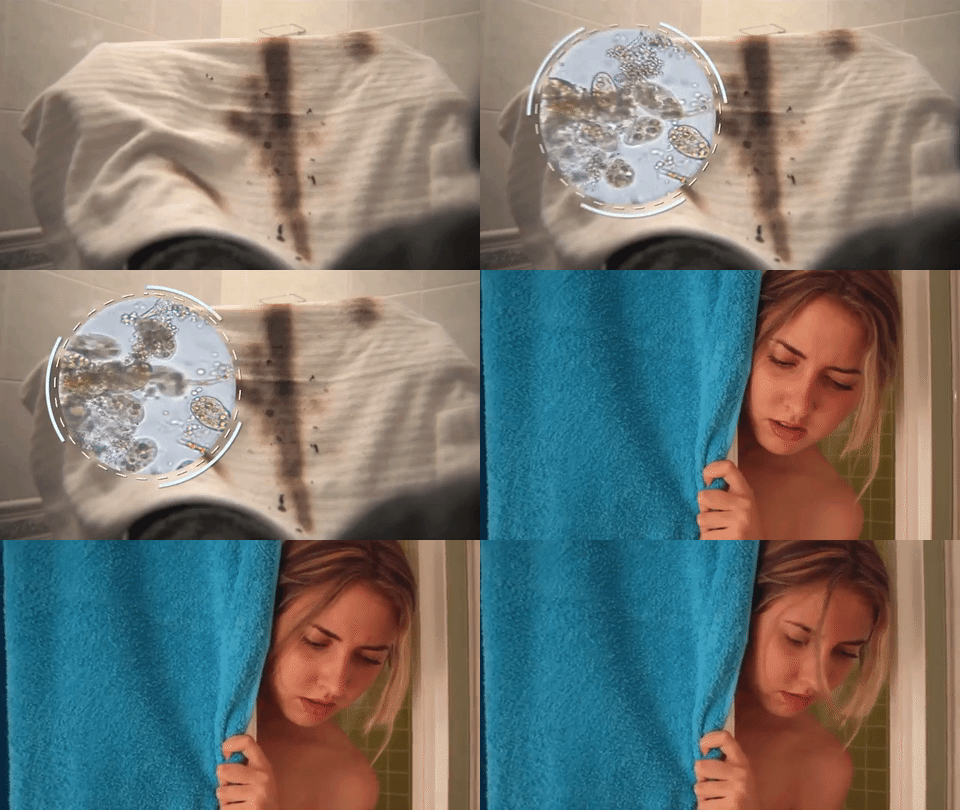
It turns out the familiar smell of an old towel is caused by the accumulation of bacteria, fungi, and algae. If a towel is always hanging in a wet bathroom, it is a hot spot for bacteria and other microbes to grow. Using a contaminated towel is quite dangerous as it can transmit those fungal infections onto your skin such as acne and pink eye, and even MRSA. To avoid this, you should always let your towels to dry completely and wash them after three or four uses.
advertisement
#6 Lip Balm & Lipstick
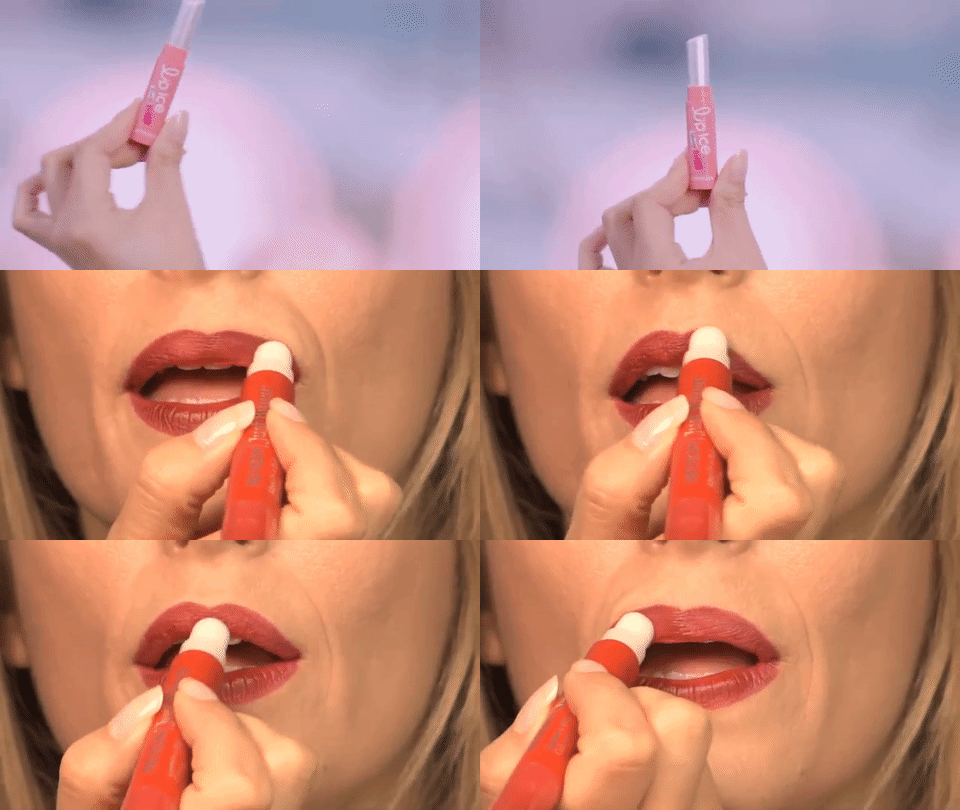
The lips are one of the most vulnerable parts of our body. Under the thick membrane of the skin is a network of capillaries that absorb everything that gets onto the lips including microbes. Through using someone else's lip balm, chapstick, or gloss, you can catch herpes even if the owner has no visible signs of the disease.
advertisement
#7 Tweezers
If the tweezers you are sharing are clean, even sanitized, the chances of getting something really weird is pretty small. However, if not cleaned, or very old, they can turn into a dangerous carrier of blood-borne infections. Using infectious tweezers puts you at risk of catching hepatitis C or even HIV.

advertisement
#8 Razors
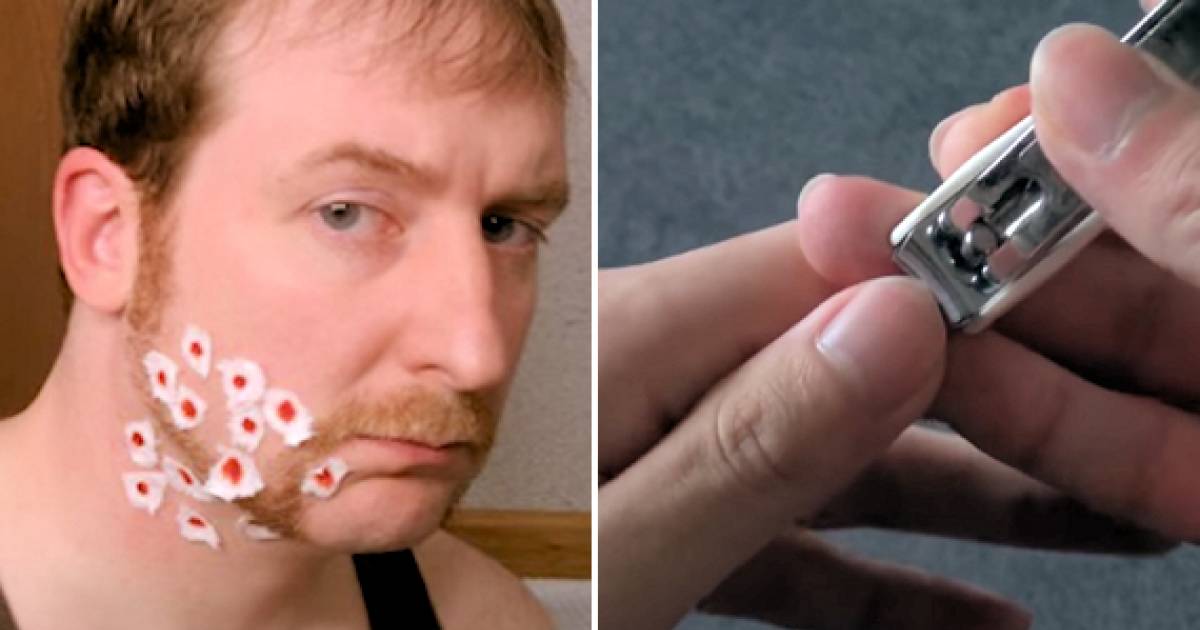
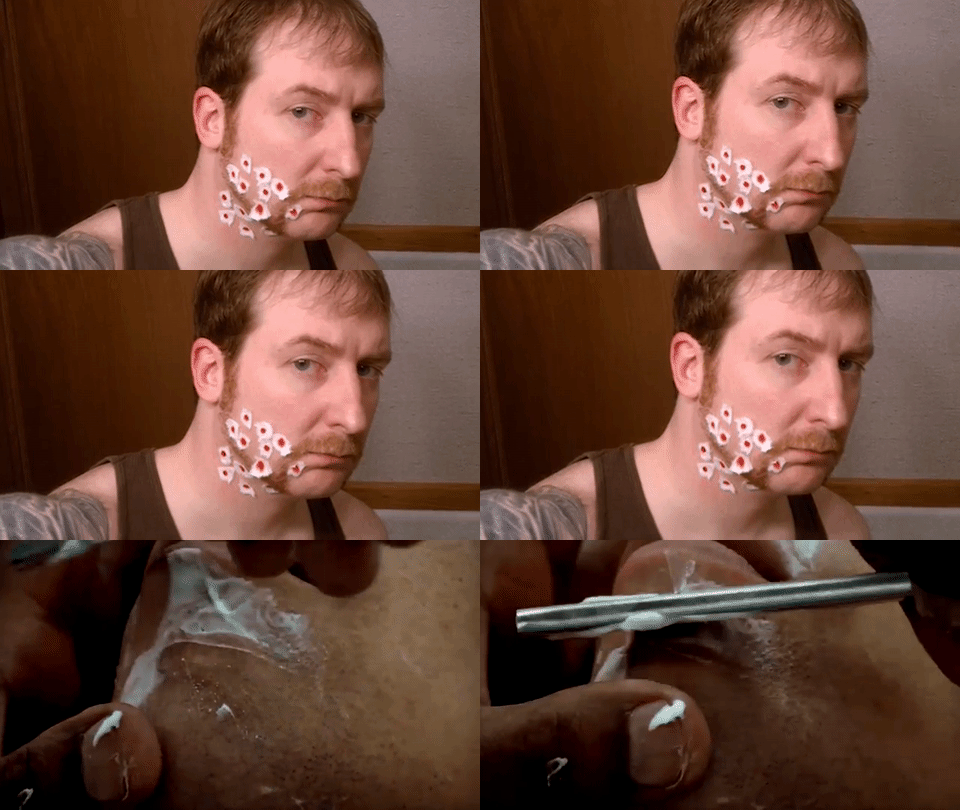
This is pretty self-explanatory. Razors are dangerous in themselves, let alone using someone else's. Dead skin cells accumulate inside the mechanism, not to mention all of the bacteria. People also occasionally cut themselves with sharp blades which means that there is always a chance of picking up a blood-borne infection from using a used razor.
advertisement
#9 Nail Clippers
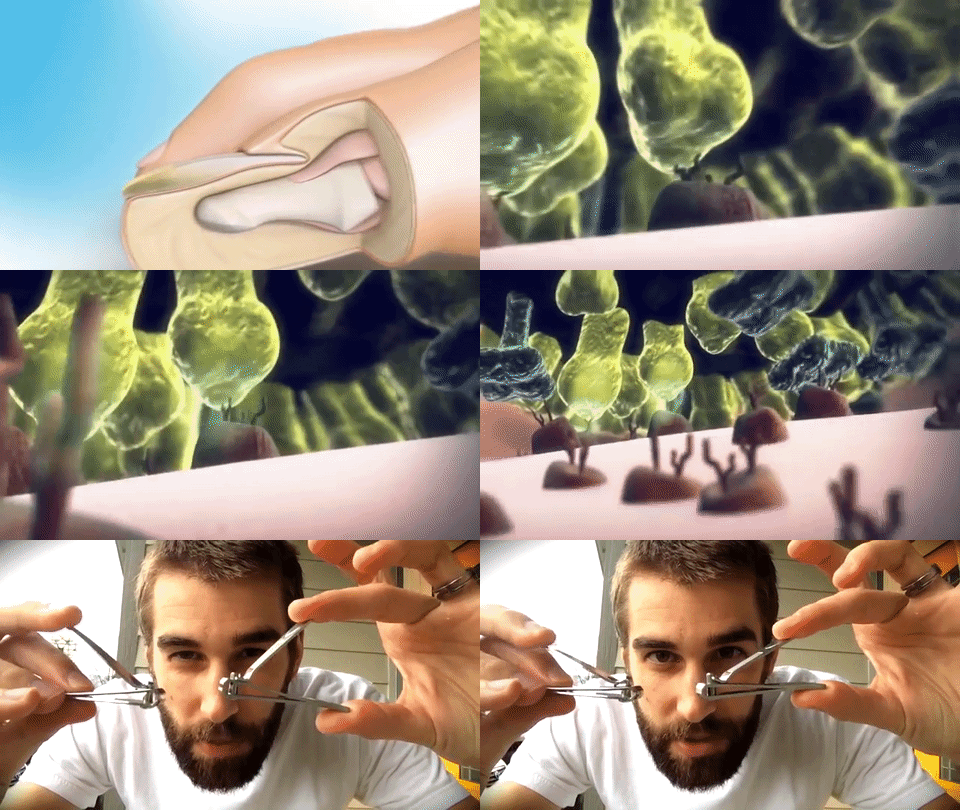
The nail mending kit is actually a happy place for bacteria to live and grow. Through manicure sets, a person can pass along fungi or athletes foot. Clippers and other nail tools should be disinfected with alcohol solutions after every use. If you get your nails manicured by a salon, make sure the tools are sterilized before they begin working on your nails.
advertisement
#10 Deodorant
Using someone's else deodorant isn't a very good idea. Again, germs and bacteria can be transmitted from one person's skin to another by contaminated sticks and cause serious infections. While some of the deodorants can kill odor-causing bacteria and protect the skin, most of them just create a layer over the smell, and the germs begin to grow on the stick. Pretty gross don't you think?

advertisement
#11 Bar Soap
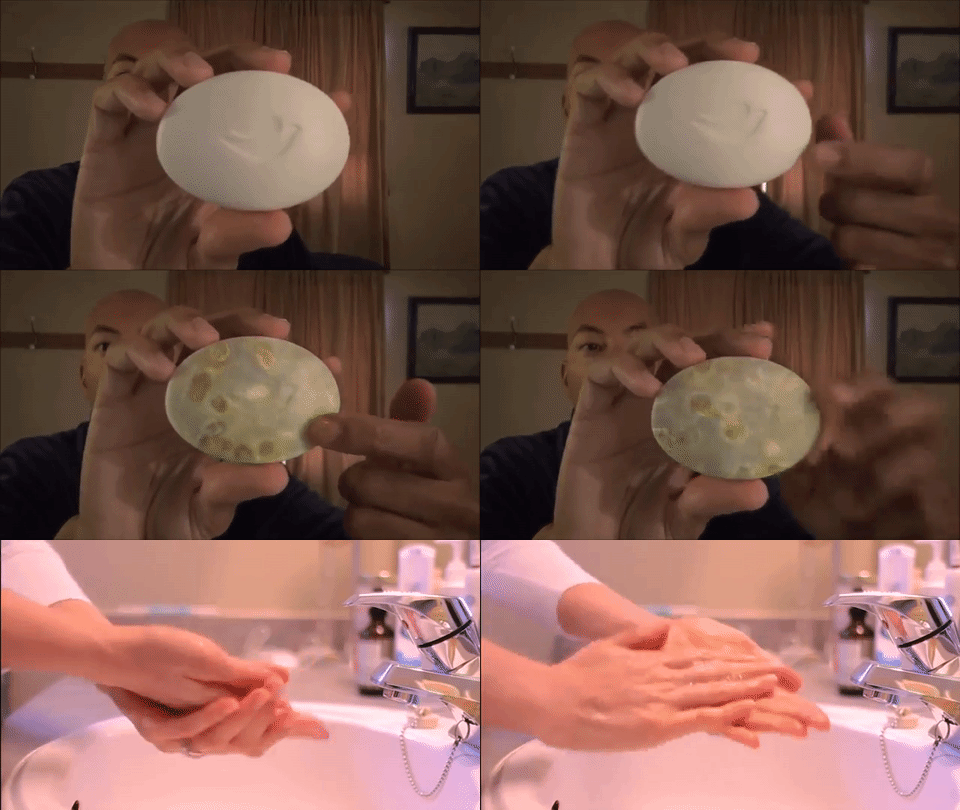
You think that soap is self-cleaning, right? Well, it turns out that the bar is covered with organisms from the skin of the last person who used it. Thus, it becomes a carrier of many different diseases even if it's antibacterial soap. In fact, it gets worse if the soap sits on a wet dish as medical professionals warn this creates moisture that makes it easier for bacteria and other viruses to grow. If you were to use someone's soap you could expose yourself to the norovirus which results in the stomach flu and other serious illnesses.