Regular consumption of healthy fat is a dietary habit that can keep your body in tip-top shape. While the idea of restricting all fat in your diet had become very popular in recent years, now we know how important eating fat in certain amounts really is. This is because healthy fat is an energy source for your cells. It also supports your liver, cardiovascular system, and other important functions that make up a healthy body. However, it’s very important to learn how to distinguish them from the so-called “bad fats,” since some people confuse the two and make bad decisions. That’s why today we’d like to share with you few ideal foods to consume regularly to make sure you’re getting in (and absorbing) enough good fat. Find out what they are by reading below!
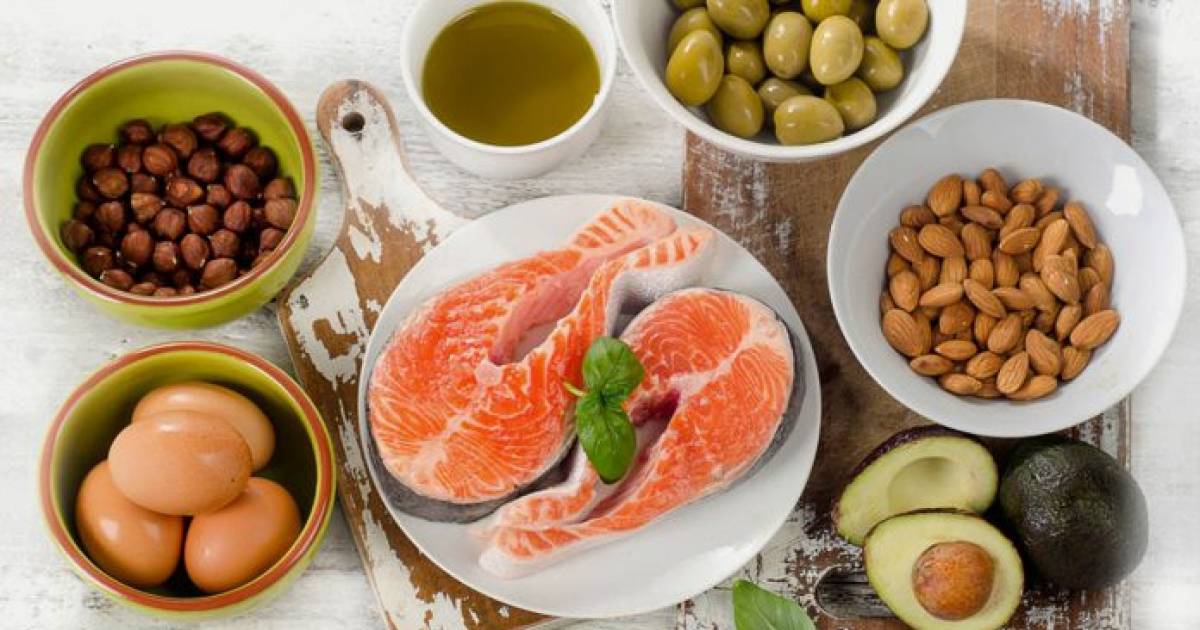
11 Healthy Fat Sources For A Balanced Diet
#1 Olive Oil
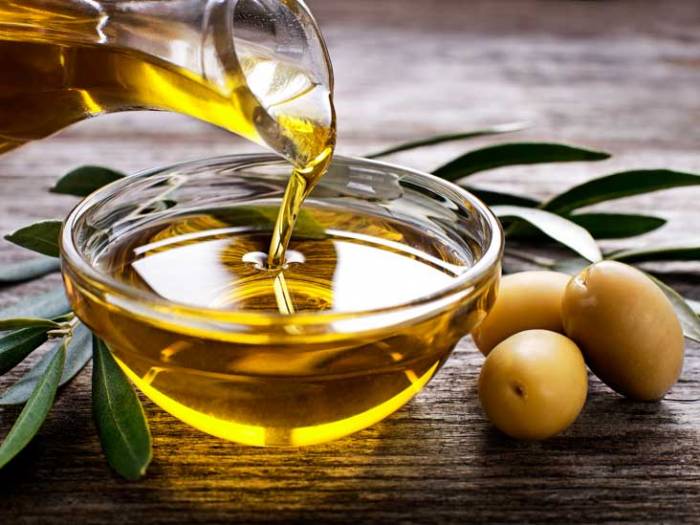
Olive oil is the original healthy fat. A tall body of research finds that it helps lower your risk for heart disease, cancer, and diabetes. Most recently, Spanish researchers publishing in the journal Molecules reported that the various components of olive oil including oleic acid and secoiridoids protect your body on the cellular level to slow the aging process. To get the most health benefits, choose extra-virgin olive oil, as it is extracted using natural methods and doesn’t go through as much processing before it reaches your plate. Research shows that veggies sautéed in olive oil are also richer in antioxidants than boiled ones—and they taste better too! Don't go crazy though. All fats are relatively high in calories and 1 tablespoon of olive oil has about 120 calories.
#2 Dark chocolate
Good news for all you chocoholics! Chocolate can help flatten your belly—dark chocolate, that is. Dark chocolate contains the highest percentage of pure cocoa butter, a source of digestion-slowing saturated fat called stearic acid. Because dark chocolate takes more time to process, it staves off hunger and helps you lose weight. Besides the healthy fats, dark chocolate comes packed with antioxidants, principally polyphenols including flavonoids such as epicatechin, catechin and notably the procyanidins, which can help fight off free-radicals and improve blood flow to the brain (which might make you smarter!). A recent study found that a few ounces of dark chocolate a day is all you need to reap the benefits.

#3 Whole Eggs
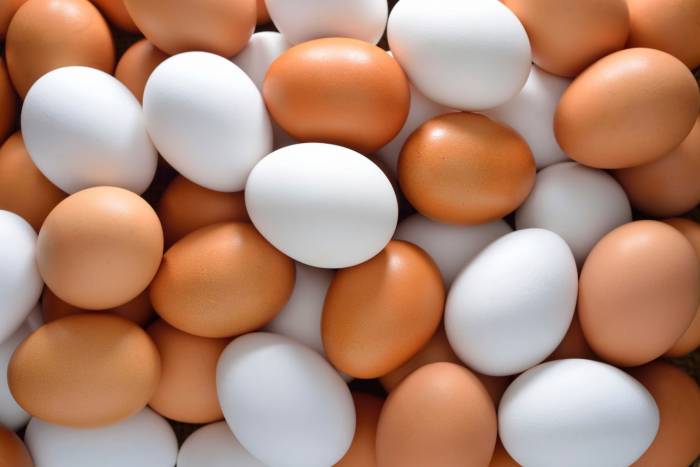
Whole eggs used to be considered unhealthy because the yolks are high in cholesterol and fat. In fact, a single egg contains 212 mg of cholesterol, which is 71% of the recommended daily intake. Plus, 62% of the calories in whole eggs are from fat. However, new studies have shown that cholesterol in eggs doesn't affect the cholesterol in the blood, at least not in the majority of people. What we're left with is one of the most nutrient dense foods on the planet. Whole eggs are actually loaded with vitamins and minerals. They contain a little bit of almost every single nutrient we need. They even contain powerful antioxidants that protect the eyes, and lots of choline, a brain nutrient that 90% of people don't get enough of. Eggs are also a weight loss friendly food. They are very fulfilling and high in protein, the most important nutrient for weight loss. Despite being high in fat, people who replace a grain-based breakfast with eggs end up eating fewer calories and losing weight. The best eggs are omega-3 enriched or pastured. Just don't throw away the yolk, that's where almost all the nutrients are found.
#4 Omega-3s from Fish
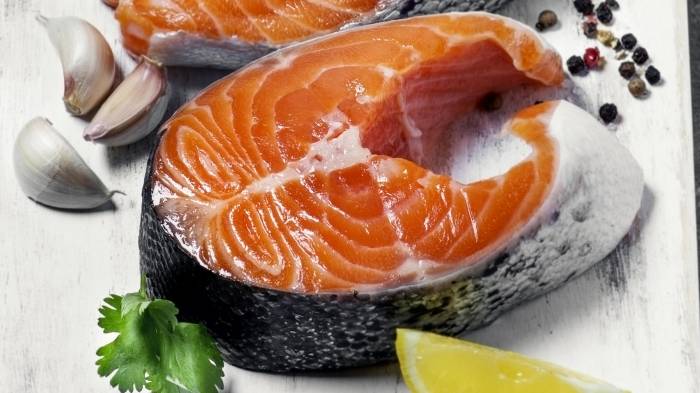
Why are omega-3 fatty acids considered essential? Because the body isn’t capable of producing them on its own. Therefore, we must rely on omega-3 foods in our diet to supply these extremely beneficial compounds. Historically, we’ve seen that populations that consume the most omega-3 foods, like people in Okinawa, Japan, live longer and healthier lives than people who eat a standard diet low in omega-3s. Because there is such debate over waters being contaminated with toxins and pollutants like mercury, many people find it hard to get enough omega-3s from eating fish only. This is one reason why some people prefer supplementing with fish oil in addition to eating some omega-3 foods. So, when it comes to getting enough omega-3s into your diet, I recommend eating plenty of omega-3 foods and also supplementing in most cases. Through a combination of both, my advice is to make sure you’re getting at least 1,000 milligrams a day of EPA/DHA and about 4,000 milligrams of total omega-3s (ALA/EPA/DHA combined).
#5 Peanut butter
Nuts butters like peanut butter are satisfying, healthy fats that can be eaten any time of day. Add them to your morning smoothie or stir into a bowl of oatmeal, make a PB&J sandwich on whole wheat bread for lunch, or dip pears or whole grain crackers in nut butter for a filling snack. Whichever way you choose to enjoy, keep portions in check by using only 2 tablespoons for a meal (or sandwich) and 1 tablespoon for a snack. (You can even make your own peanut butter at home.

#6 Pasture-Raised Bacon
High quality bacon is chock-full of a very important nutrient called choline, which has been shown to help fight off the debilitating effects of Alzheimer's disease and other chronic mental impairments. Bacon also delivers a good dose of the various B vitamins, along with zinc. These nutrients aid in production of serotonin, the feel good neurotransmitter in the brain, and can help reduce anxiety. The important priority is choosing a locally sourced, pasture-raised product free of nitrites, growth hormones, and antibiotics. Not only will this be less toxic, but it will also provide more nourishment. Combining your clean bacon with loads of fiber- and antioxidant-rich vegetables, fruits, and whole grains is a great way to promote health and satisfy your palate.

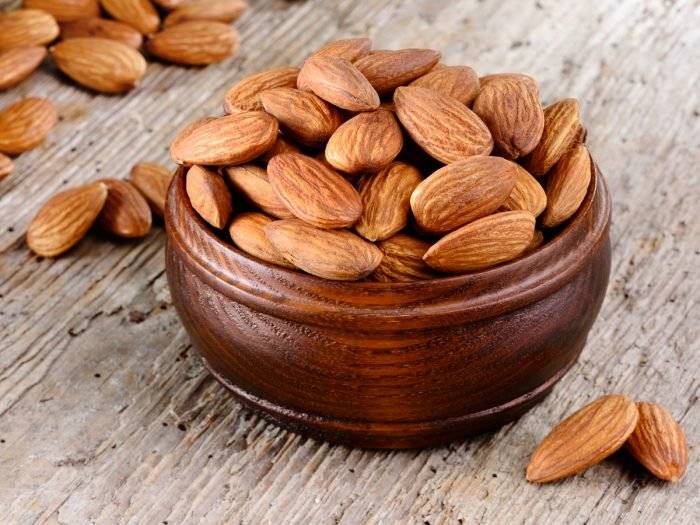
#7 Almonds
Almonds are particularly high in monounsaturated fat, the kind that helps improve your cholesterol levels. They’re a smart choice for snacking; in addition to those healthy fats, almonds provide fiber and protein, which help keep you feeling satisfied. About a dozen is an appropriate serving.
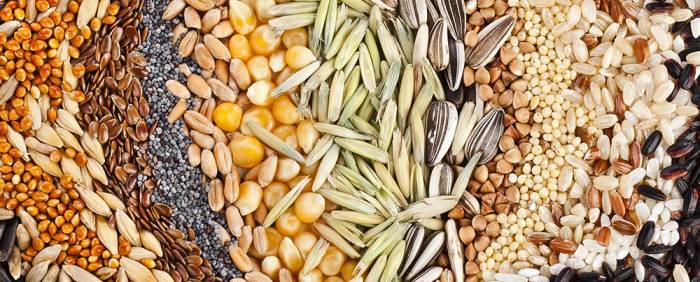
#8 Seeds
Flaxseeds and chia seeds are an amazing plant sources of omega-3 fatty acids. Both are are brimming with fiber, perfect for maintaining digestive health and lowering cholesterol. Toss either, or both, in your oats and smoothies for some sustained energy.
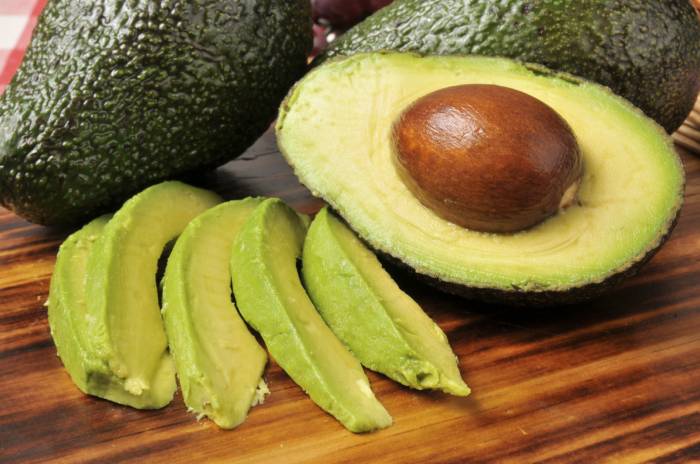
#9 Avocados
Lately, consumption of avocados has gone way up. This is not only because they taste great and are so versatile, but also because the nutrients in them make them a great addition to a healthy diet. First off, avocados are a primary source of monounsaturated and polyunsaturated fat, which help give your body energy while keeping cholesterol and triglycerides from building up.
Also, 100 grams of avocado provides you with 15 grams of fat. So, this makes healthy fat the main macronutrient in the fruit.
Among many other things, it’s worth mentioning that they contain amino acids and vitamin E. And, these are key if you want to keep your body healthy.
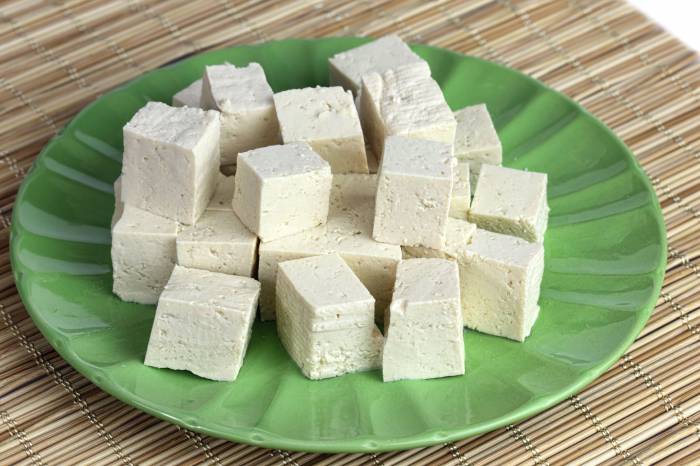
#10 Tofu
It’s not as high in fat as the other foods on this list, but tofu is still a good source of monounsaturated and polyunsaturated fats. A modest, 3-ounce portion of super firm tofu contains 5 to 6 grams of fat and about 1 gram of saturated fat, but this is naturally-occurring fat from the soybeans, and tofu is considered a health food for a reason. It's a solid plant-based protein that’s low in sodium and provides nearly a quarter of your daily calcium needs.
#11 Greek yogurt
Packed with protein, crammed with calcium, and popping with probiotics, yogurt has all the makings of one of the best foods you can eat for weight loss and general health. Just make sure you go Greek. Whole-milk, Greek yogurts tend to have more protein and fat and less sugar than their leaner versions, which makes for the perfect hunger-squashing team: protein takes longer to break down and fat makes you feel satisfied, so you’ll fly through your morning without an urge to snack. The majority of yogurt’s fat comes from saturated fats, but it also contains monounsaturated, polyunsaturated, and naturally-occurring trans fatty acids. Because the overall fatty acid profile is reasonably balanced, it will have no overall effect on cholesterol levels because they both increase LDL but also increase HDL.