

This groundbreaking discovery could speed up the process of bringing the extinct Tasmanian Tiger back to life.
advertisement
A discovery from over a hundred years ago could play a key role in bringing the extinct Tasmanian Tiger back to life.
Researchers at a museum in Melbourne were shocked when, during their work to bring back the thylacine, also known as the Tasmanian Tiger, they stumbled upon a significant find tucked away in storage.
They say sometimes the most valuable things are hidden in plain sight, or in this case, in a museum cupboard for 110 years.
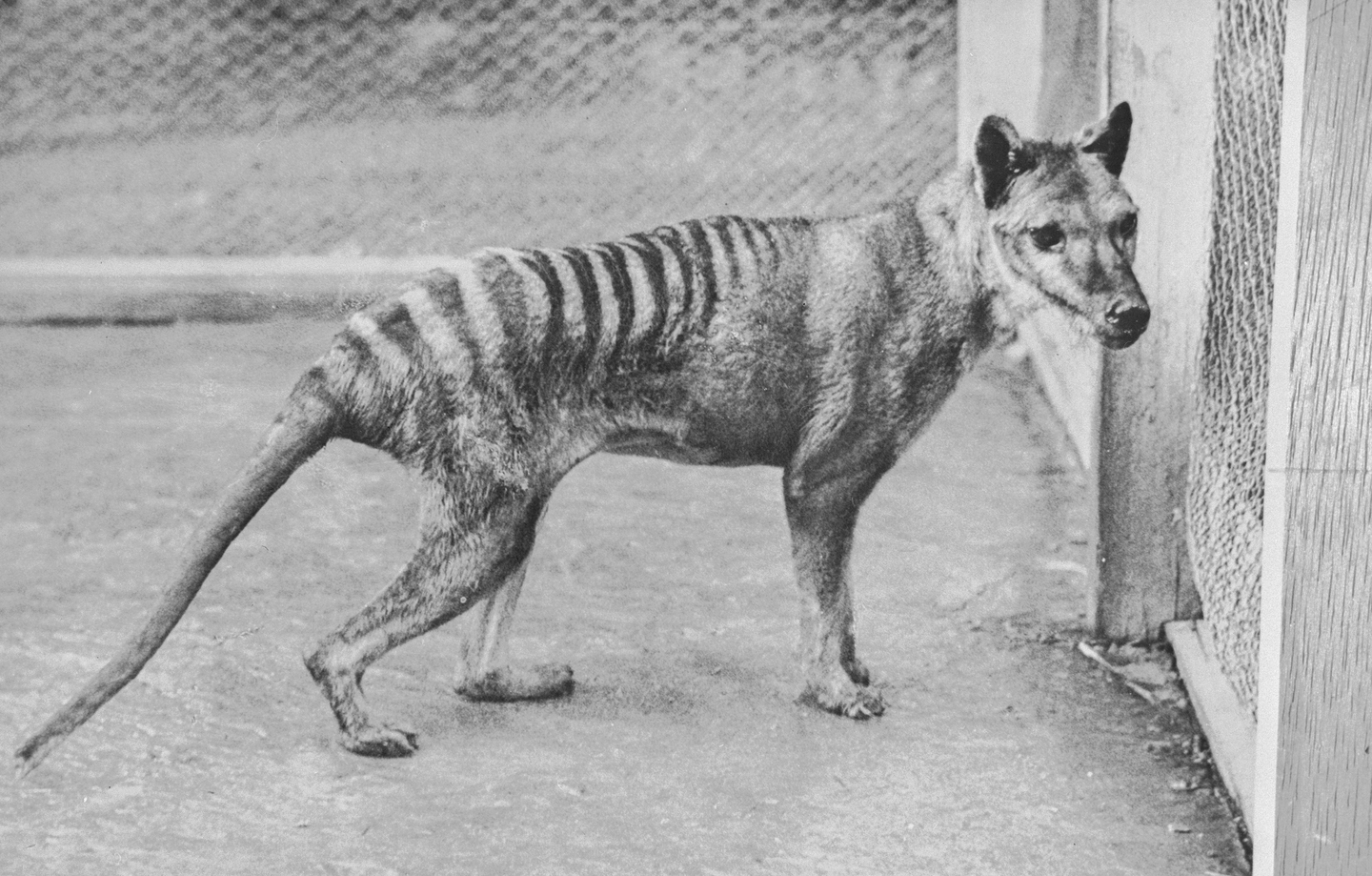
The discovery means we could be a step closer to seeing the Tasmanian Tiger again
HUM Images/Universal Images Group via Getty Images
What is the Tasmanian Tiger?
Even though the Tasmanian Tiger has been extinct for a while, you’ve probably heard of it before. The last known one in captivity died in 1936, and it was officially declared extinct in 1986 after no sightings for 50 years.
It looked a bit like a dog but with tiger-like stripes on its back. The Tasmanian Tiger was Australia’s only marsupial apex predator and once roamed the continent, though it was mostly restricted to Tasmania after about 3,000 years ago.
advertisement
Who is behind the project to bring them back to life?
The mission to bring back the thylacine is being spearheaded by Colossal, an American biotech company focused on “de-extinction” and species preservation.
They are also working on reviving the woolly mammoth and the dodo using advanced genetic engineering.
Founded by tech entrepreneur Ben Lamm, Colossal has raised $235 million and is backing research in 13 labs across the globe to bring these extinct animals back.
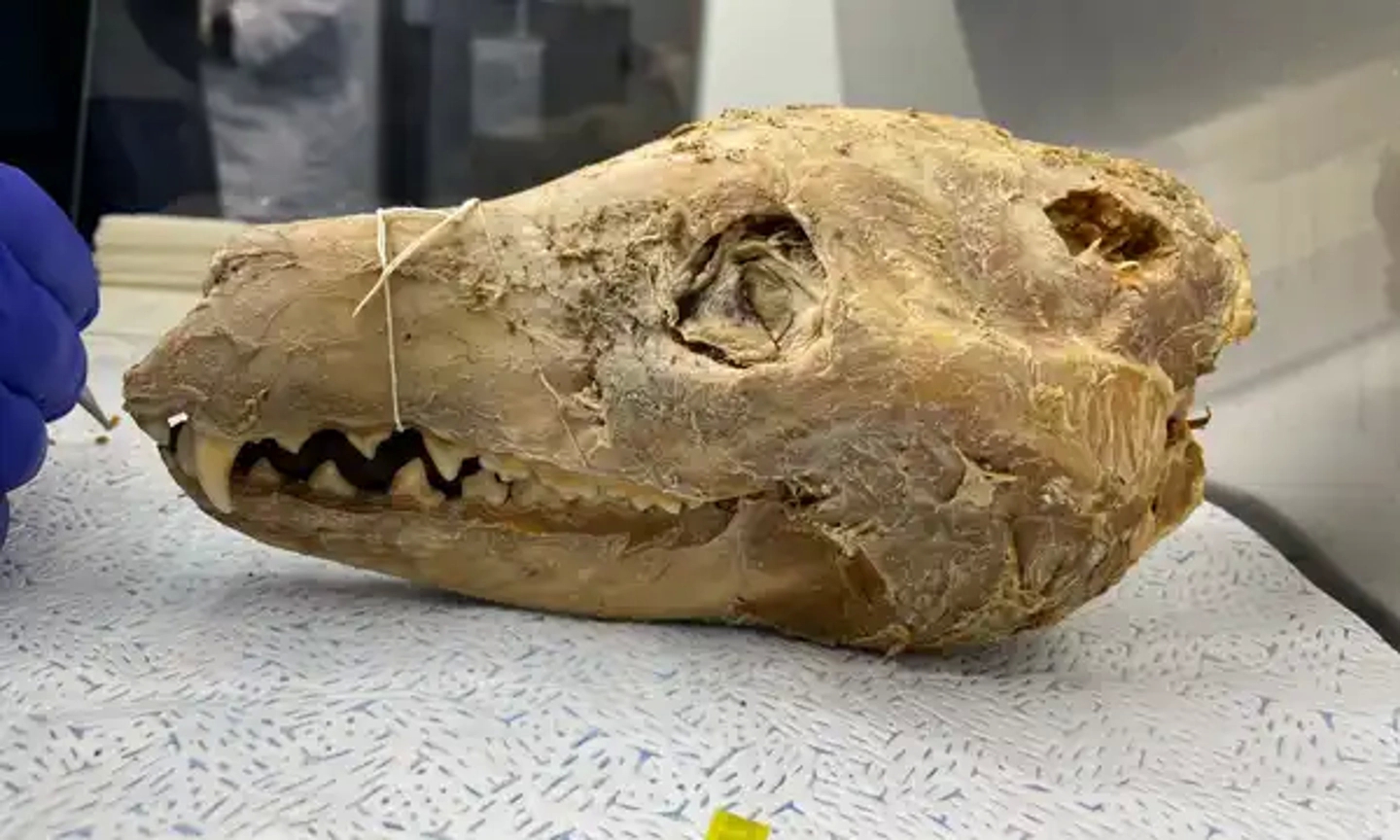
The discovery has sped up the scientists' progress
Andrew Pask/University of Melbourne and Museums Victoria
The significance of the discovery
While working to bring the Tasmanian Tiger back, researchers at a Melbourne museum made a surprising find—an exceptionally well-preserved head of the extinct animal sitting in a bucket.
Professor Andrew Pask, head of the thylacine genetic restoration team at the University of Melbourne, explained: "It was literally a head in a bucket of ethanol in the back of a cupboard that had just been dumped there with all the skin removed, and been sitting there for about 110 years."
He continued by saying: "It was pretty putrid, a completely gruesome sight. People had chopped large chunks off it,"
advertisement
This find is critical because it contains materials scientists believed were lost forever, including RNA molecules that are essential for reconstructing the thylacine's genetic blueprint.
Professor Pask said: "This was the miracle that happened with this specimen. It blew my mind."
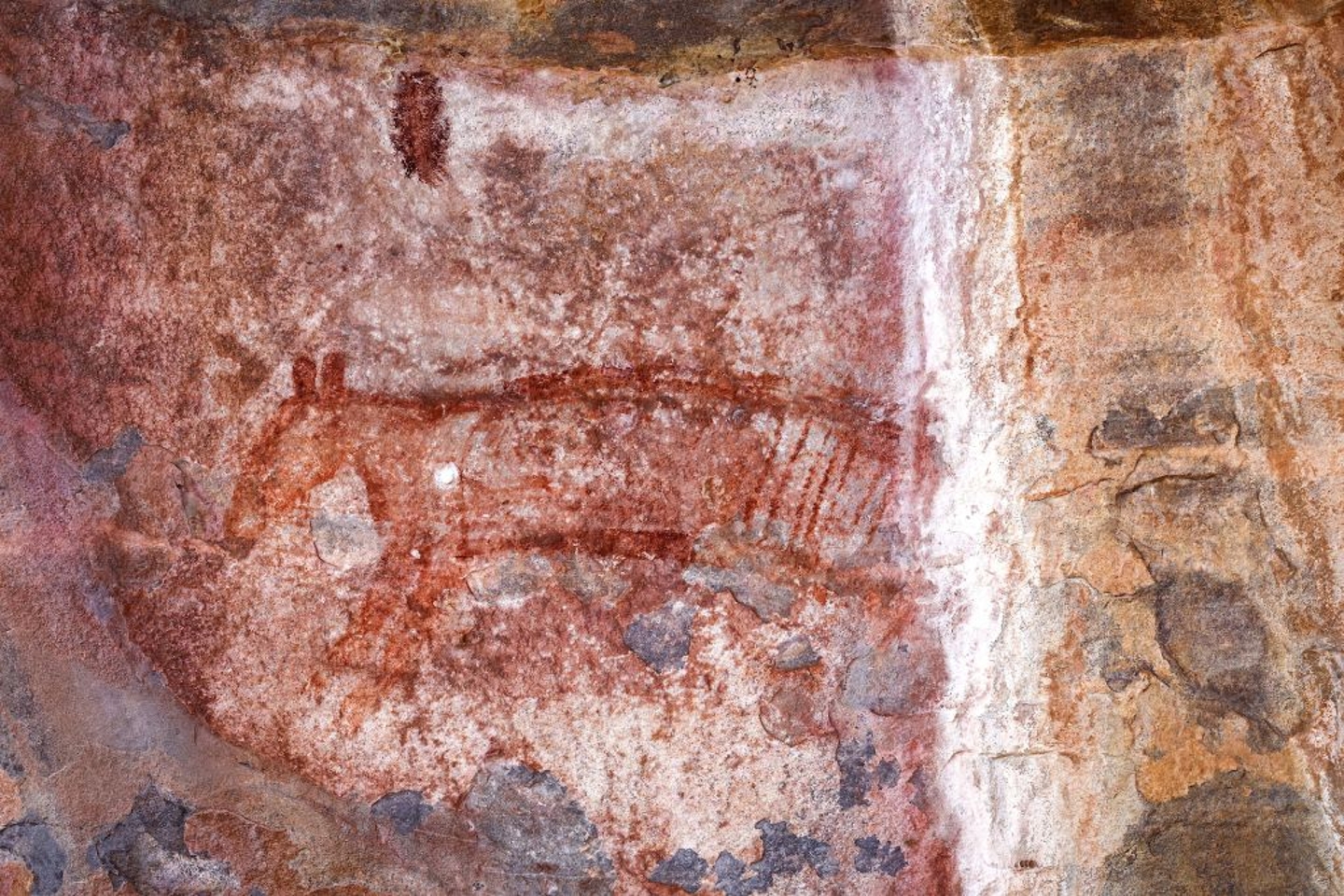
We won't need to keep looking at ancient drawings much longer
DAVID GRAY/AFP via Getty Images
advertisement
The science behind bringing the thylacine back
One year later, the professor shared that this discovery had significantly advanced research efforts both in Australia and the US. He revealed: "We are further along than I thought we would be, and we have completed a lot of things that we thought would be very challenging and others said would be impossible."
The soft tissue preserved long sequences of DNA, which contain the genetic instructions for any living thing. It also held RNA, which is much less stable but helps regulate various functions in different tissues.
This RNA held key information on the genes needed for specific tissue functions.
advertisement
Thanks to this breakthrough, researchers were able to gather information about the thylacine’s sense of smell, taste, and vision, giving a clearer picture of how the animal might have experienced its environment.
Pask noted that it marks the first time an extinct animal’s genome has been fully annotated, saying: "It helps us prove that what we are bringing back is genuinely a thylacine and not some hybrid animal."