We take so many of life's everyday things for granted. Air, water, heat, electricity, and even chocolate, are things we believe will just always be there for us. But some of your favorite things in the world are disappearing, and you had no idea.
advertisement
#1 The World Is Not Our Oyster
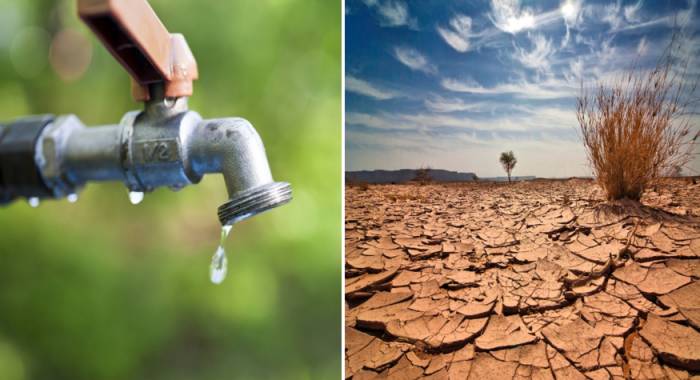
The world is our oyster. Well, unfortunately, that's the attitude that we have had for far too long and it's the very attitude that has put us in a rather regrettable situation when it comes to some of our natural resources. Some people are still unaware that the earth is suffering from an extreme drought and water is becoming scarce. There are many other things that the earth is soon going to be running out of as well, and it's happening right before our very eyes.
#2 Bacon
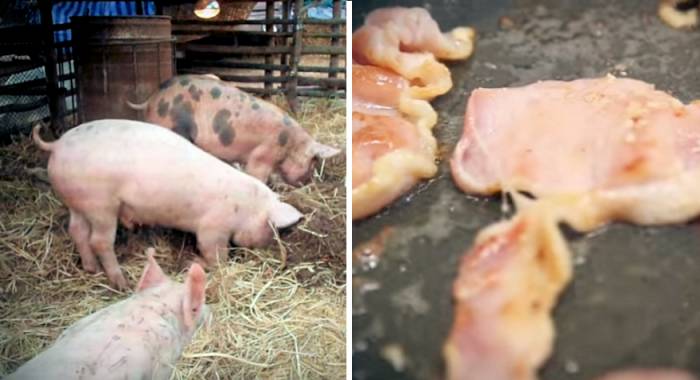
Okay, now things are getting serious. This is not because America has decided to put bacon on everything, it's actually from some pretty serious issues. The cost of food is rising, for many reasons including weak corn and soybean harvests. So farmers are cutting down production to prevent loss. There is also this lovely little thing called Porcine Epidemic Diarrhea Virus that took over the lives of millions of pigs a few years ago. This is killing piglets in 15 different states across the country but people will continue to purchase the meat despite the higher costs. Scientists warn that another outbreak of the virus could virtually wipe out the pork industry for many years.
advertisement
#3 Scandium & Turbium
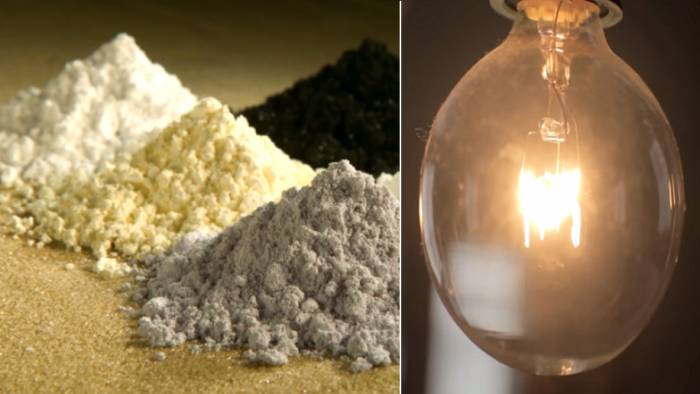
You've probably never even heard of these two of the 17 rare elements that the earth is quickly using the limit of. These two rare elements have a number of uses. They are found in just about every type of electronic product you use, including your phone, computer, iPads, televisions, and more. They even are used in the magnets used to power wind turbines, and even in fluorescent light bulbs. 97% of these elements come from the ground in China. The country not only controls the market for these rare elements but it also controls the world's reserves. This means that China has the power to cut off the use of these elements at any time, which should concern people everywhere.
#4 Tequila
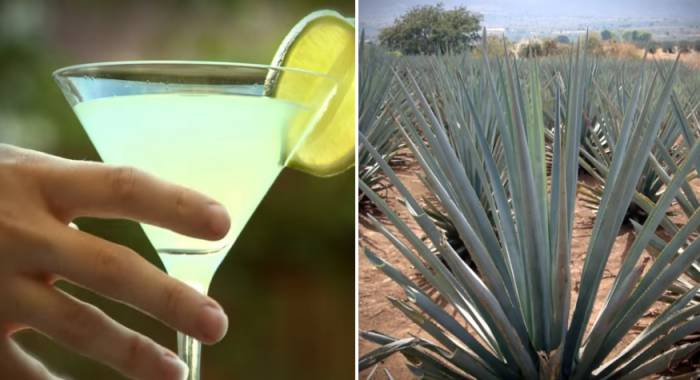
You might love a margarita every now and then but the tequila that goes into the delicious limey beverage is not exactly easy to make. The blue agave plant, which produces a sugar that is used to make tequila, takes over 12 years to grow. While this is a huge factor in the production of the beverage, the main thing slowing down the process is disease. In 2007, over 25% of Mexicos harvest was destroyed by bugs and diseases. There is enough stockpiled to ensure that you have enough to mix up your favorite margarita, but the price of tequila is sure to skyrocket until the blue agave plants can be properly harvested once more.
advertisement
#5 Gold
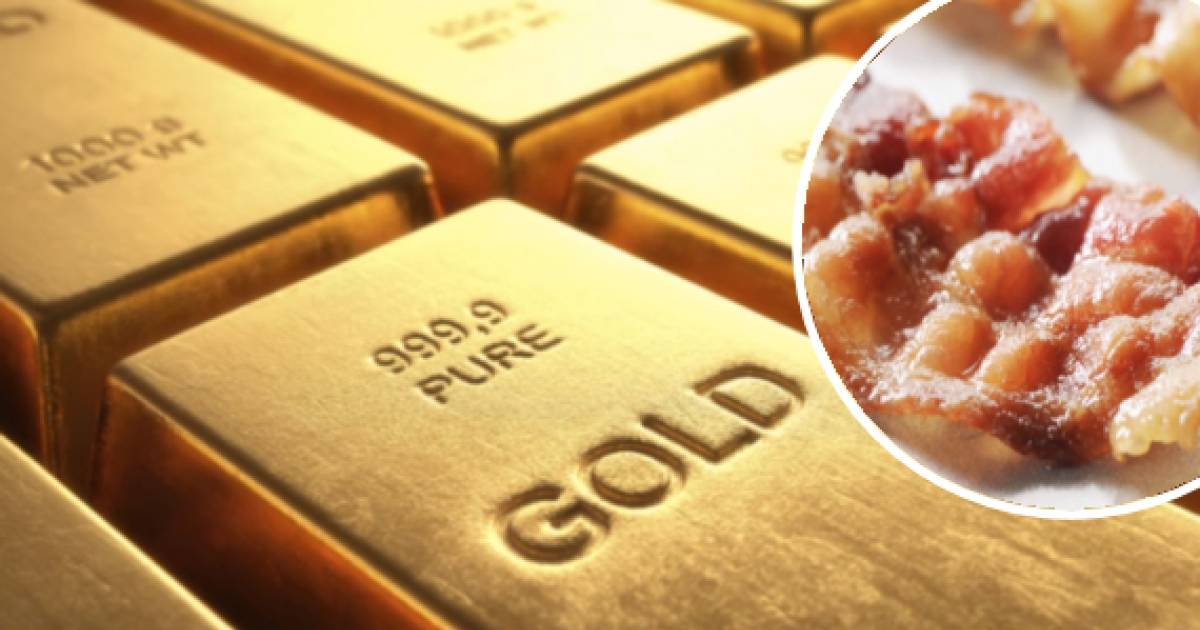
A combination of increased extraction costs and the over mining of gold has caused it to become almost impossible to find. The world is only two decades from exhausting the gold supply. Most of it has already been mined and sits in vaults. Starting with the gold rush in the 1800s to the gold boom in the 90's which sent the mining world into a frenzy, gold is now just... gone. Once used to back the currency of many countries, it is now a commodity that is bought and sold to only the wealthy. The Wall Street Journal has reported that the world will exhaust its gold supply in 20 years.

advertisement
#6 Antibiotics
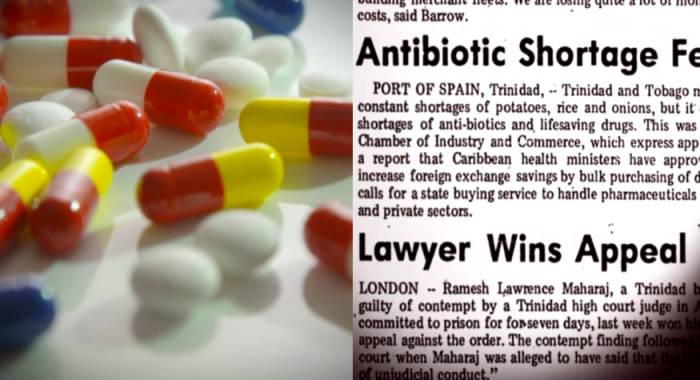
Antibiotics are important to maintaining public health, but to our misfortune, these drugs have been in dwindling supply since 2008. Several different factors have led to this catastrophe including government regulations, inability to find raw materials, and even bad business decisions. This health crisis shows no sign of ending soon, and pharmaceutical companies have been in short supply of certain drugs for over five years.
advertisement
#7 Chocolate
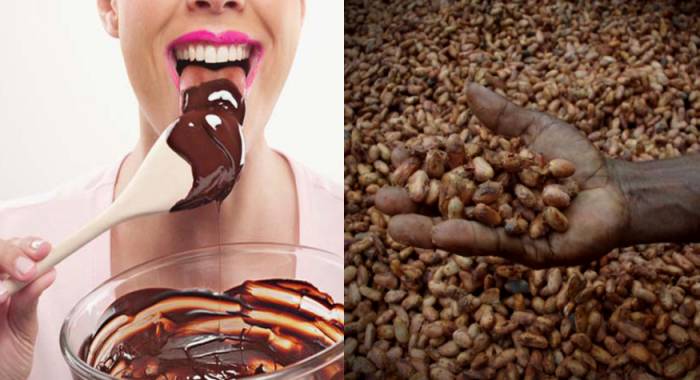
Everyone just loves sweet and creamy chocolate. Unfortunately, we will all be paying heavily for this confection very soon. Cocoa beans only grow in a very particular region of the world, more specifically, they only thrive in latitudes within a ten-degree radius of the equator. Since West Africa produces most of the world's cocoa, the average farmer only makes about 80 cents per day for his efforts. As the region begins to develop, cocoa growers and farmers are demanding more money for their beans and their labor. The cost of chocolate will only increase. Cocoa farmers have also learned it's not really worth their time to produce the crop that can take up to five years to grow. What costs $1 today, can cost a whole lot more in about 10 years.
advertisement
#8 Oil
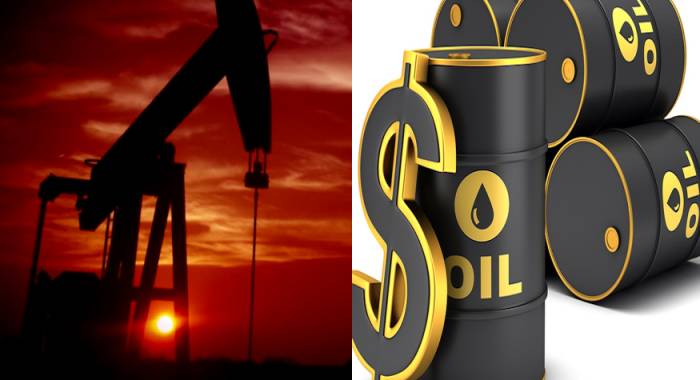
Also known as 'black gold', oil in in short supply. We hear news reports that we this much or that much in supply reserve, or that the demand is lower, etc., but the fact remains that if the world continues to use this product at the same rate it is currently using it, we will be almost out of oil by 2035 if there are no changes to demand. Considering that we already have alternatives to fuel such as ethanol, and the rising use of electric motors, there is no reason for the world to continue to keep ignoring this enormous problem.
advertisement
#9 Natural Gas
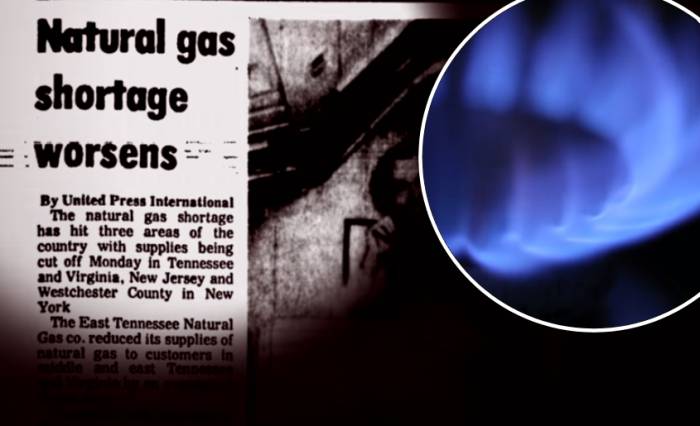
This is the gas used to heat our homes, shops, and workplaces, our stove tops, and bath water. Unfortunately, it is also in very short supply. As of 2016, the natural gas reserve only has enough to last us for another 52 years. Considering that we have a number of uses for natural gas, we need to find a solid alternative, and we need to find it soon. Each year more is discovered, and sometimes it is reported that we have a surplus, but worldwide, the actual supply is limited.
advertisement
#10 Coal
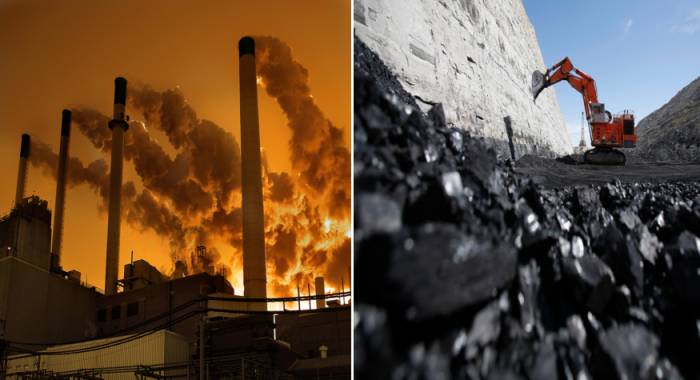
While it may seem like we just don't use much coal anymore, and that coal workers are being laid off from work because we don't use it, the opposite is true. We still use tons of coal every day throughout the world for energy. Many westernized countries like the US and Canada have steered away from coal use but less regulated countries rely heavily on coal. The fossil fuel, however, is being used up like there's no tomorrow. The world has only got enough coal to last around 170 years if use continues at the pace it is now or increases with China and Asia using it for 87% of their energy.
advertisement
#11 Helium
Helium takes a long time to form, almost five years. The world's stockpile of this element is almost exhausted. The gas is actually used in a number of things like fiber optics, MRI magnets, and LCD screens. There's a national helium reserve in Texas which is about to be sold off thanks to an act passed by Congress. With the reserve going to private sellers and the ability to obtain any new helium, things are going to be getting a little more expensive, and you'll have to say goodbye to those squeaky party balloons.

advertisement
#12 Phosphorous
Let me go ahead and terrify you, the human race depends on phosphorus. It is a MUST-have ingredient in fertilizer, which as you know, we can't grow the amounts of food we have on Earth without it. As China continues to hoard this resource, the price continues to rise about 3% each year. Between 2010 and 2105, the price of phosphorus went up by over 700% with some countries like Sweden developing alternative methods for creating phosphorus by recycling urine. With the development of bio-fuels, phosphorus began to diminish and it's something world leaders desperately need to tackle starting yesterday.

#13 Water
The world is in a drought. Blame it on climate change or just a shift in weather patterns, but the fact is that the earth is drying up quickly. Currently, almost 3 billion people are unable to find fresh, clean water. It does not look like this situation is going to be improving at any time soon. Safe drinking water is becoming increasingly scarce as the growing population of the planet is stretching the supply of this needed resource. Other causes for the lack of this vital resource is pollution, over-drafting of groundwater, and even war. The struggle for water is real, and it's going to get very, very ugly in the future.