Researchers from Southern Illinois University Edwardsville just announced that in at least 25 U.S. states, they've found lice that are resistant to over-the-counter treatments.
13 Facts About Head Lice That’ll Make You Want To Shave Your Head
By
Editorial Staff in
Facts
On 7th September 2016
advertisement
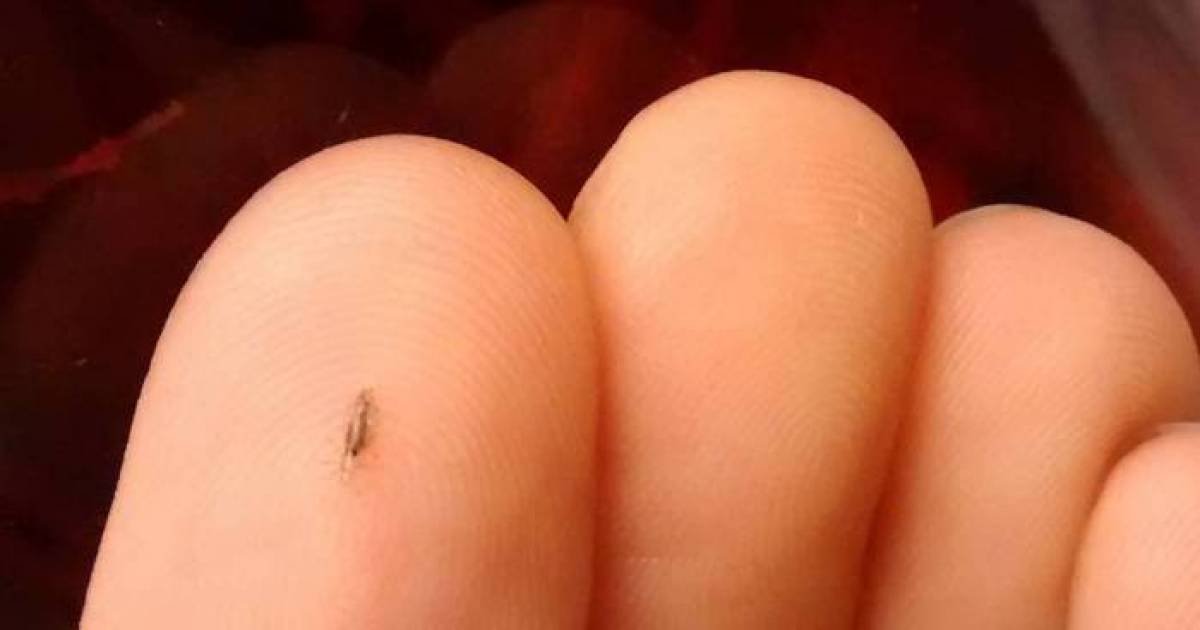
1. Head lice are roughly the same size as a sesame seed.
I found #lice in my daughter's #hair #headlice #sick
Lice are 2-3mm long and tan or grey in colour.
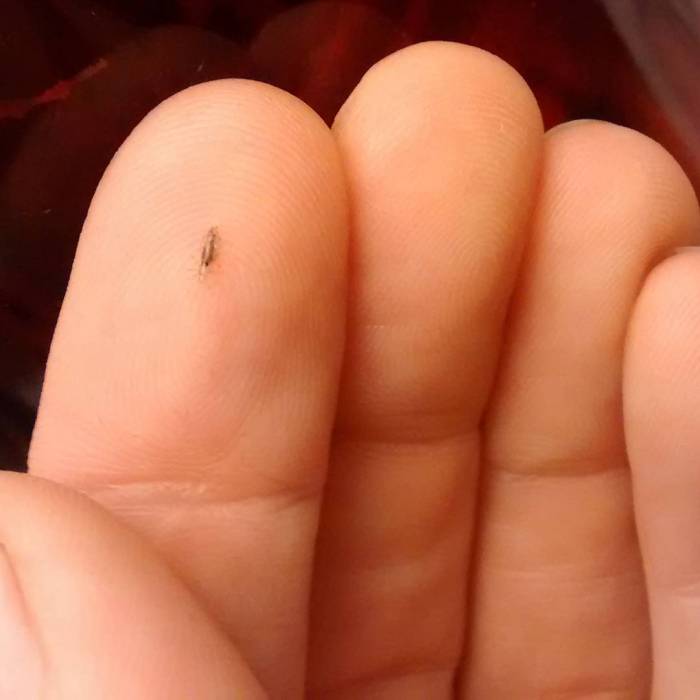
2. And eggs will camouflage with your natural hair pigments to match your hair colour.

advertisement
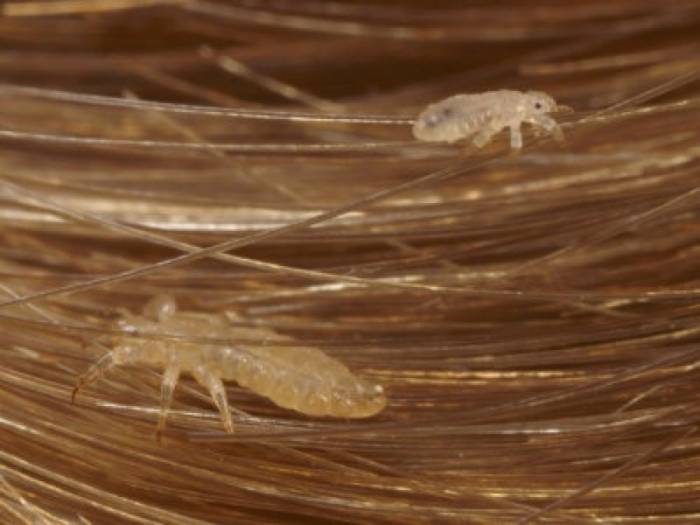
3. They crawl across your scalp using claws at the end of their legs.
Head lice cannot hop or fly, and rely on specially adapted claw-like structures. They move at an average of 9.5cm per minute and are spread primarily through hair to hair contact. Which is why they are commonly found in active school children (and maybe group selfie takers).

4. And feed by injecting saliva into your scalp and sucking the blood out.
The saliva allows the blood vessels open up and stops your blood clotting. The louse can then feed through your scalp every few hours.
advertisement
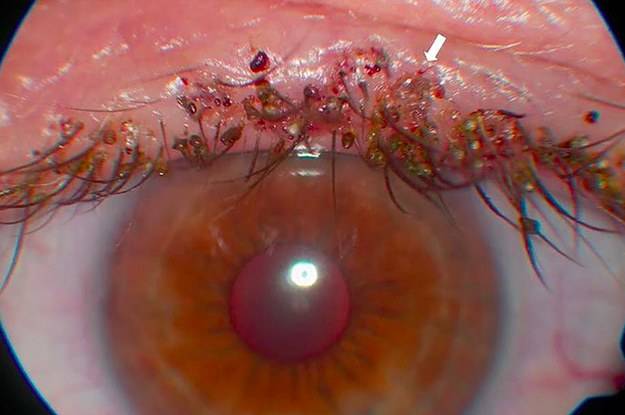
5. Lice can nest in your eyebrows and eyelashes as well as your head hair.
advertisement
6. Head lice have been around for a really long time. Even mummies had them.
Hundreds of lice have been found on mummies dating back thousands of years. Our ancestors suffered with us.

advertisement
7. Your head is itching primarily because you are allergic to the louse’s bites.
However, you may feel a tickling sensation due to the lice moving around.

advertisement
8. And head lice can survive under water for several hours.
Which is why simply washing your hair as you normally would is not a solution. The lice hold on tightly to human hair and do not let go even under water.

advertisement
9. The eggs are commonly referred to as “nits” and a louse can lay up to 10 eggs per day.
The average female louse lays six or seven eggs per day and a viable nit can take up nine days to hatch.

advertisement
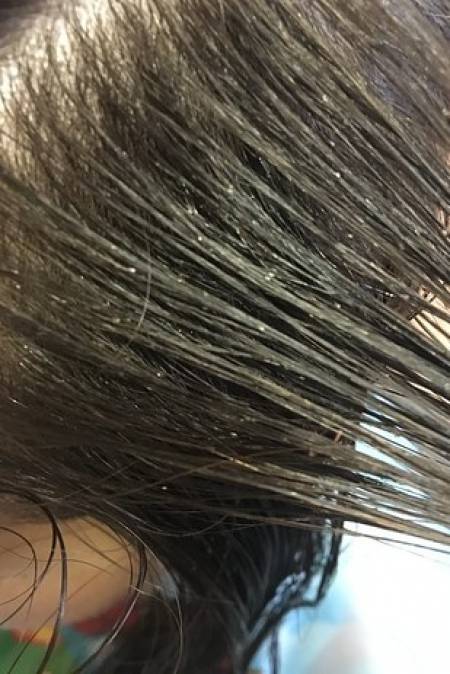
10. An infested person has approximately 10-15 lice on their head at any time.
If you brush your hair regularly you are likely to have fewer lice.
advertisement
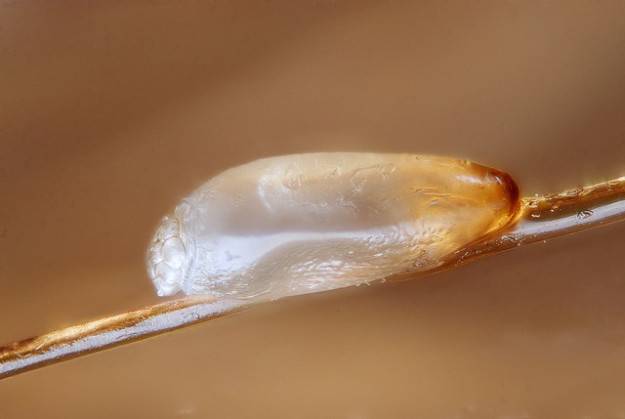
11. The eggs are attached to your head with a glue-like substance.
The eggs are covered in a protective glue-like sheath which is what allows them to attach to your hair. This glue is composed of materials similar to human hair, so many treatments designed to destroy the glue might also damage your hair.
advertisement
12. Head lice are most active in the dark.
Good luck sleeping with all the crawling and sucking happening on your head.

13. And research shows that lice are starting to develop resistance to medical treatments.
Research conducted in 1998, and published in the British Journal of Dermatology, investigated the widespread reports of ineffective head lice treatments. The study took samples from school children in four different towns and cities in England, and suggested that lice are becoming increasingly resistant to over the counter treatments due to extensive use of these products.