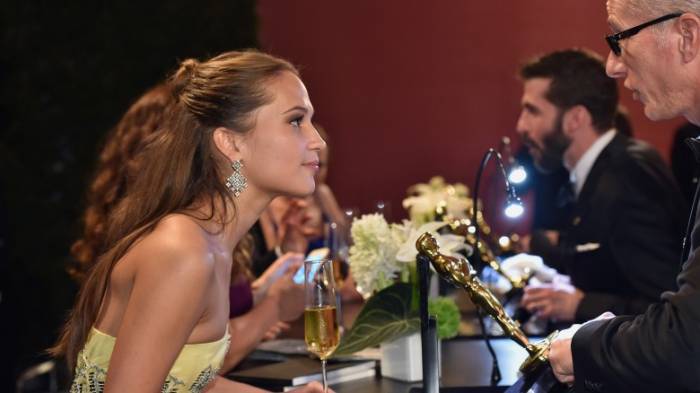
There is definitely a bit of smoke and mirrors when it comes to the Oscars. Here are a few secrets we will definitely not be thanking the Academy for keeping.

13 Shocking Oscar Secrets The Academy Doesn't Want You To Know
By
Editorial Staff in
Entertainment
On 31st January 2017
advertisement
#1 The rules for eligibility are confusing
Every award season there are films that are total Oscar bait and are all but guaranteed to receive at least one nod from the Academy. Then there are films we've never even heard of that end up on the nomination list. That confusion is elevated when the lesser-known films win. And who do we have to thank for this for these random nomination and winner selections? Once again, we get to thank the Academy.
Over the years, numerous attempts have been made to explain the voting process, but we might be here all day trying to untangle that web. There are three major pieces of information that are absolutely essential to understanding the voting: (1) The 6,000 plus members of the Academy belong to one of 15 branches, (2) each of the branches is able to select nominations for its corresponding category, and (3) anyone in the entire Academy can vote on the actual winner. So basically what all of that means is that there are actual directors nominating directors, which is all fine and good. However, when it comes to the name or film title that's going to end up in the winner's envelope, anyone (and we mean anyone) in the Academy can vote. That means there could be makeup artists voting on the winner for Best Foreign-Language film — and while they might have completely valid opinions about the film, it's just not really in their area of expertise.
After 88 years, we would think the Academy would have pulled it together and figured out a voting system that's a little less convoluted, but hey, where's the fun in that?
#2 There used to be a five-film cap on Best Picture nominees.
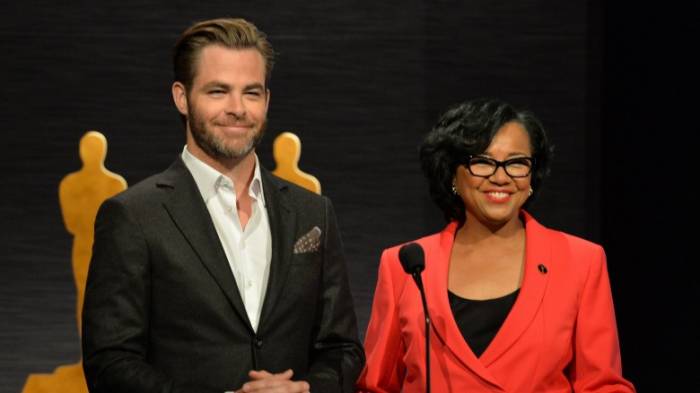
In 2010, the Academy allowed 10 movies to be nominated for Best Picture, instead of the traditional five. Wildly popular animated films, comedies and smaller independent films now stand a better chance of being nominated. The change may also have been motivated by viewing figures, in the thinking that more film fans will tune in hoping to see their favourite movie win. (In fact, one of the largest US audiences in Oscars history was in 1998, when 52.2 million people watched Titanic win best picture.)
advertisement
#3 Oscars mean big bucks for winners.
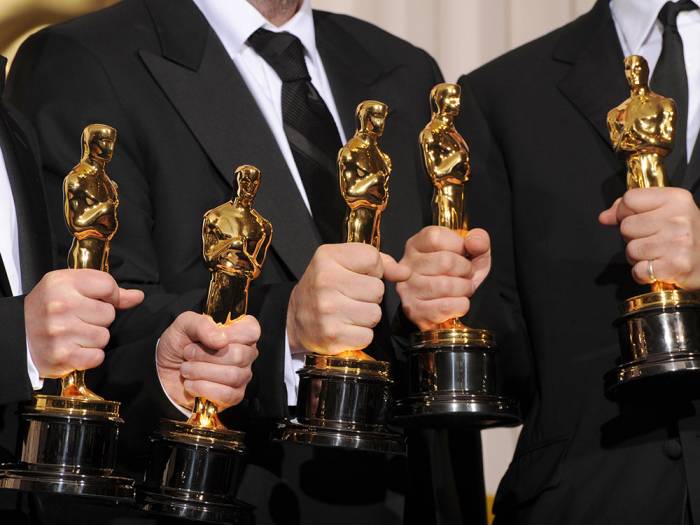
“Oscar winner.” It’s a label that means success, fame and, yes, riches. Nabbing a Best Picture Oscar generally guarantees a film an extra $20-$50 million US in ticket sales. Titanic earned a further $100 million US. According to Variety, a win in any major category will boost a film’s revenues by $11 million US.
Anyone who wins a Best Actor or Actress award is instantly promoted to the “A List” and can exponentially increase their acting fee. It’s rumoured that Hilary Swank upped her asking price from $1 million to $8 million US a picture after winning Best Actress (her second) in 2005 for the aptly named Million Dollar Baby.
#4 There's a secret "In Memoriam" snub team
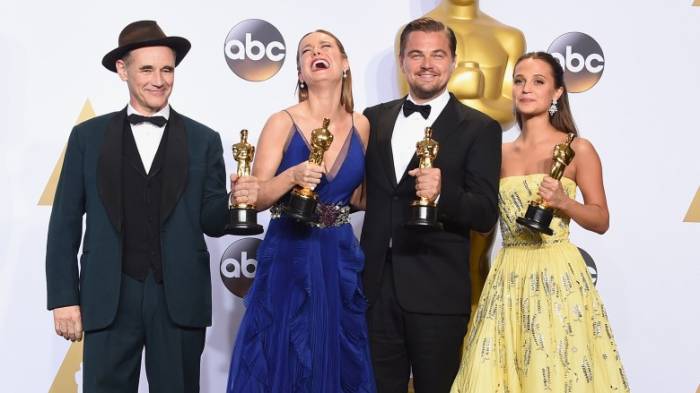
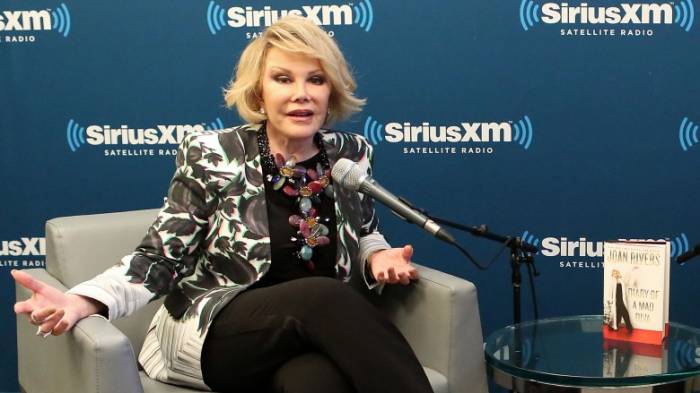
Every year there are numerous snubs when it comes to Oscar nominations and winners, alike. However, perhaps some of the biggest snubs are toward those who aren't even in attendance. The "In Memoriam" portion, which has been a part of the show since 1994, traditionally generates some of the biggest controversy of the night by leaving out the deaths of notable celebrities from that given year. One of the biggest post-mortem Oscar snubs in recent history was Joan River's noticeable absence from the obituary reel during the 2015 show. The Academy released a statement saying they were "unable" to include Rivers in the segment during the show, but that she was included in the "In Memoriam" gallery on their website.
Apparently, even in death, the Academy still has a say in who's who. According to the New York Times, there is a committee who determines which celebrities will be memorialized each year. Of course it's no easy feat to whittle down a year's worth of celebrity deaths into a three-minute montage, but someone has to do it — they just don't have to face the public. Tom Sherak, former president of the Academy, notes that it's one of the most difficult committees to be on and the names of the members of this committee are never disclosed. According to Ric Robertson, the Academy's chief operating officer, celebrities who are included do not have to be Academy members — but it probably doesn't hurt. There's also an attempt by the Academy to focus on including celebrities who primarily had roots in film, but a snub is a snub nonetheless.
There was so much star power lost in 2016. Hopefully, this year's committee will give each of the celebrities one last chance to take center stage and shine.
advertisement
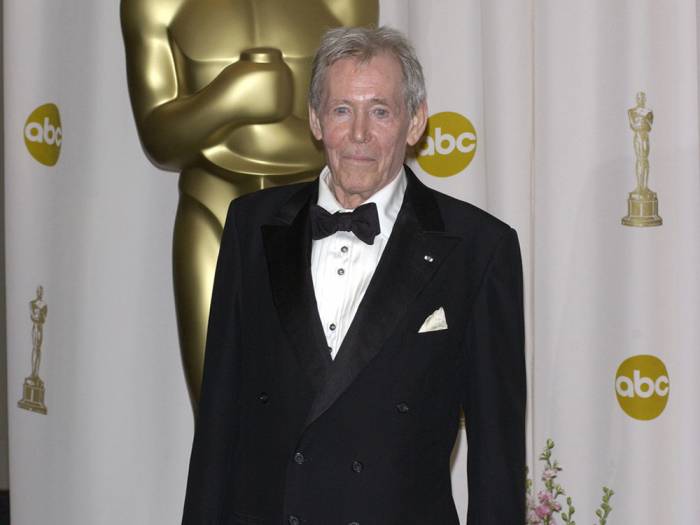
#5 Peter O’ Toole holds the record for being nominated for Best Actor—eight times—and never winning.
advertisement
#6 Even the envelopes have an understudy
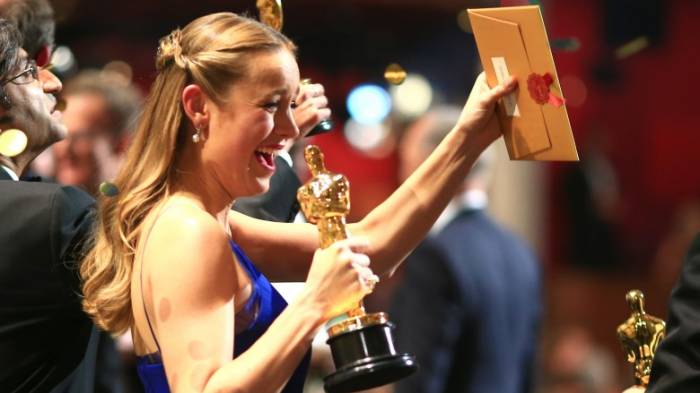
The Oscars are one of the biggest nights of the year for the Hollywood elite, which means that the age old saying, "the show must go on," is more relevant than ever. That means that show stops for no man — or envelope? Every year the fate of Hollywood hangs in the balance of the 24 envelopes that reveal the winners of each category. However, it seems even the Oscar envelopes have an understudy — this is showbiz after all. In addition to the 24 envelopes we see on-screen, there are not one but two more sets of envelopes created in case of an emergency for a total of 72 envelopes each year.
Unfortunately, the other envelopes are not shipped out like the t-shirts of the losing Super Bowl team. According to Marc Friedland, the designer of the current Oscars envelope, the extra sets are actually destroyed. It's basically like throwing $200 in the trash, which apparently is preferable to an undeserving eBay users entering a bidding war over the coveted envelopes.
advertisement
#7 Voters haven't necessarily seen the films
A majority of the people who tune in to the Oscars probably haven't seen every single film that is nominated — and that's okay because it's not their job. Even Academy members haven't seen every nominated movie. However, when members of the Academy haven't taken the time to watch the movies that they are specifically tasked with voting on, that's when things become problematic.
In an anonymous interview with Entertainment Weekly, one voter complained about the number of movies to watch, calling it "unreasonable". According to the Los Angeles Times, there were two Oscar voters who admitted to not watching the 2013 winner for Best Picture 12 Years a Slave, but voting for it anyway. One Academy member even went so far as to reveal they didn't watch any of the movies nominated for Best Animated Short. It also isn't unheard of for voters to just plain refuse to see a nominated movie. Notably, esteemed actors Ernest Borgnine and Tony Curtis publicly denounced Brokeback Mountain, which was nominated for Best Picture in 2006. They had no problem sharing that they hadn't seen the movie, despite the fact that they were both members of the Academy at the time.
While we aren't completely shocked by these revelations, it is a bit concerning that people who are given the responsibility of selecting the best films of the year aren't actually watching the films. If they don't want to do it anymore, there are probably quite a few Netflix binge-watchers who would be more than happy to take their place.
advertisement
#8 You can only be nominated for an Oscar by your peers.
The votes are cast by the roughly 6,000 members of the American Academy of Motion Picture Arts and Sciences (AMPAS). Members nominate candidates in their respective fields—film editors vote for film editing, etc. Oscar winners are chosen by a second round of voting where all members vote in each category.
On the day of the Academy Awards ceremony the results are tallied and sealed in envelopes. (A duplicate set is locked away… Just in case.)

advertisement
#9 Thank-yous are capped at 45 seconds.
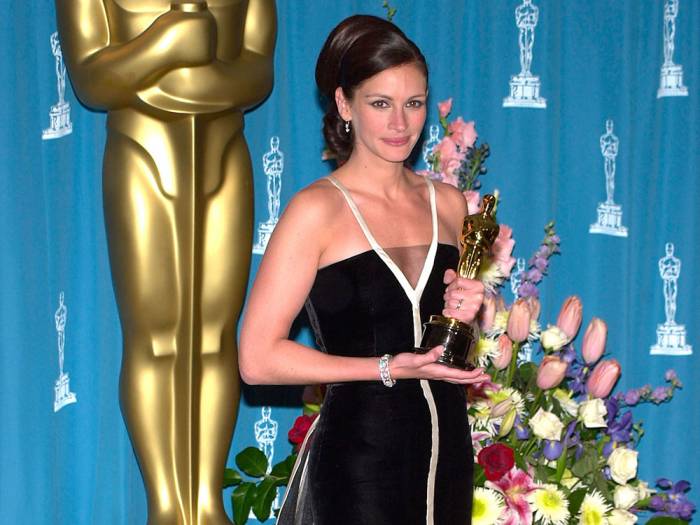
Oscar winners are told to limit thank-yous to 45 seconds or risk being drowned out by the orchestra. Many ignore this. In 2001, Julia Roberts began her Best Actress award acceptance speech for her role in Erin Brockovich by making sure the conductor knew exactly how she felt: “Sir, you’re doing a great job but you’re so quick with that stick. So why don’t you sit, because I may never be here again.” It worked: the orchestra let her finish.
advertisement
#10 Even the "losers" don't truly lose
Sure we were upset for Leo after years of Oscar snubs, but to be fair, he really wasn't going home empty-handed. At the Oscars, even the 'losers' win. Last year's gift bag was worth upwards of $232,000, according to Harper's Bazaar. It costs about $400 to make an Oscar statue so, if you think about it, who's really getting the better deal here? We would take that consolation prize any day.
Among the luxurious gifts was a lavish 10-day VIP trip to Israel ($55,000), personalized M&Ms ($300) and a Vampire Breast Lift ($1,900) — just casual goodie bag items. However, it seems the gifts weren't casual enough for the Academy, who actually ended up filing a lawsuit against Distinctive Assets, the marketing firm that put the bags together. The company is in no way affiliated with the Oscars and the Academy was definitely not pleased with false marketing indicating that the two entities were related. To be honest, we don't blame them for not wanting to be associated with Vampire Breast Pumps.

advertisement
#11 The secret life of seat fillers
The award ceremony is known for having a packed house year after year, which is no easy feat seeing as the Dolby Theatre has 3,400 seats. Sure, award shows are popular, but that's a lot of celebrities to corral into one room and to keep seated for the entire duration of the show. So how does the Academy do it? The answer is, they don't. When you see a unfamiliar face in the audience it's quite possible you are looking at a celebrity featured in an obscure, foreign film that you've never seen – it's also possible they are a seat filler. The job of a seat filler is certainly an interesting one that could be equated to tackling an obstacle course while wearing formal evening wear.
The goal is to make it appear as if no celebrity ever goes to the bar, the bathroom or outside the theater to take a selfie. Of course the Academy wants to keep this as hush-hush as possible because seat fillers would suggest the show wasn't entertaining enough to keep an audience for three hours. A secret to spotting these undercover Oscar agents? By the end of the evening, the fillers look a little less than polished as the they have been in position hours before the first celebrities even arrive at the theater. These unsung heroes of the night don't get paid enough for what they do. Well actually, they don't get paid at all. However, getting to rub elbows with the likes of Meryl Streep and Ryan Reynolds is probably payment enough.
advertisement
#12 Sometimes, nominations—even wins—get revoked
If you thought the pressure was off following a nomination or the big "And the Oscar goes to…" reveal, think again. While most movies, actors, directors, etc. who walk away with the golden statue have eternal bragging rights and the right to do with the award what they may, there have been a handful of cases where nominees and winners have been snubbed after receiving a nod from the Academy. One of the most recent nominations revoked occurred before the 2014 Oscars. The Academy decided to disqualify the song, "Alone Yet Not Alone," from a Christian film of the same name, from the Best Original Song category. The reason for the revocation? The song's composer, Bruce Broughton, began campaigning for his song by sending e-mails to Oscar voters before the nomination for the song was even announced. Broughton was actually a former executive committee member of the music branch of the Academy, as well as a former Academy governor. He basically used his powers for evil which is a total no-go.
The only movie in Oscar history to have an award revoked is Young Americans. The movie had initially won for Best Documentary in 1969, but because it had played at a theater in October 1967, it was technically ineligible for the 1968 award season. And we thought the award-winning drama was only coming from the films.
#13 The bar at the ceremony is a cash bar
There are many perks to being rich and famous, but apparently those perks do not extend to an open bar on one of Hollywood's biggest nights. It is not out of the ordinary for Hollywood's elite to arrive to the Oscars cashless, which is none to helpful when cocktails at the Academy Awards' bar are known to go for $14! With all of the other freebies being given away, it's no surprise there's a price to pay for the second most desired thing of the night — after an award, of course. As it turns out, celebrities are just like us, they have to pay for their own alcohol – they just get to do it inside of the Dolby Theatre.