America is great and home of the brave, but there are still some things we could use some improvement on. Why not learn from the rest of the world? It could be the change we need!
15 Brilliant And Life Changing Ideas The US Needs
By
Editorial Staff in
Amazing
On 27th December 2014
advertisement
#1 State Sponsored Sex For The Disabled
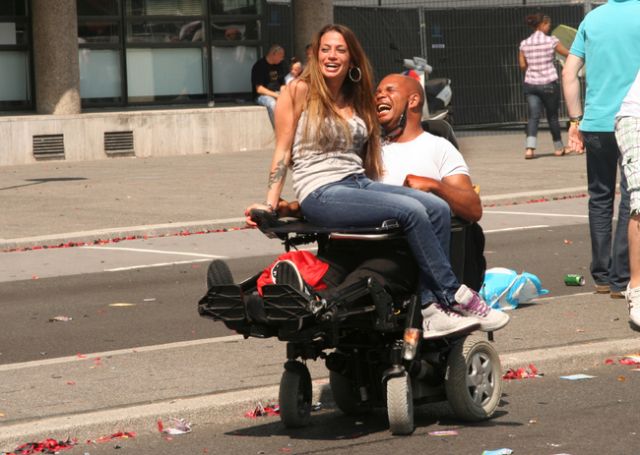
In the Netherlands, citizens with disabilities receive money from the Government to pay for sexual services up to 12 times a year. This move has drastically reduced depression among the disabled, many of whom have never had a chance to explore their sexuality.
#2 Pay kids to attend school
Sweden pays high school students the equivalent of $187 a month to have a 100% attendance rate. The program helps pay for school supplies and discourages kids from skipping class.

advertisement
#3 Paid leave to have babies
The US is the only developed country that does not guarantee paid maternity leave for workers. The Czech Republic is by far the most generous in this respect, with parents getting a minimum of 14 weeks to a maximum of 28 weeks maternity leave. What's more, new mothers and fathers can take up to 48 months of paid parental leave, paid by the state.
#4 Free ride from Government vehicles
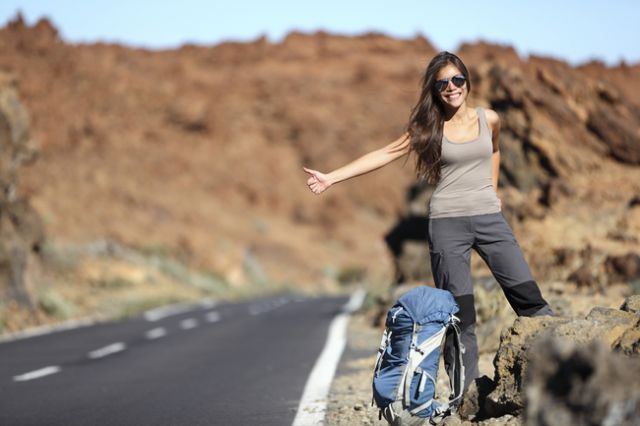
Since there are so few cars in Cuba, hitchhiking is common place. In fact, Government vehicles, including police, are legally required to pick up hitchhikers and ensure they get where they're going safely.
advertisement
#5 Free museum passes for new citizens
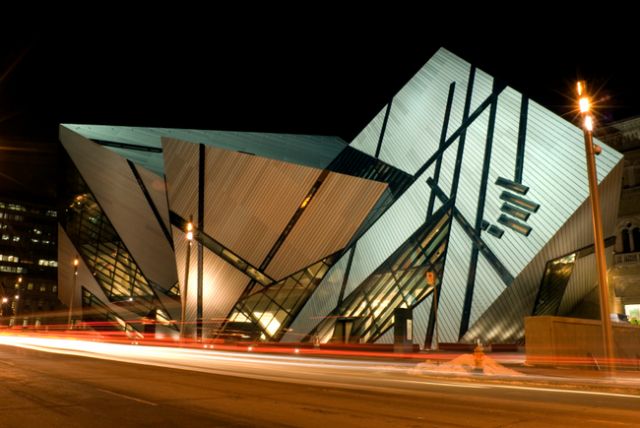
When immigrants to Canada officially become citizens, they are given a free one-year pass to thousands of museums and cultural centers across Canada. The ticket helps Canada's newest citizens to discover the vast cultural history, artworks and parks of the country.
advertisement
#6 Gotta vote
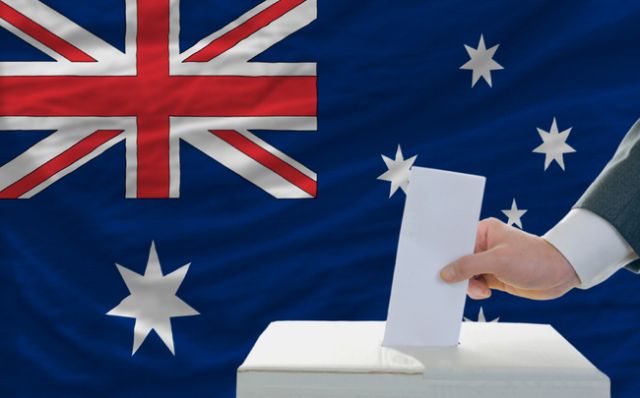
When it comes time for an election in Australia, everyone is required to have their say. If you don't turn up then you get fined, meaning that 95% of Aussie voters attend polling. That's compared to 36.6% in the 2014 US midterms. Those who don't wish to vote but also don't want to get fined usually void their paper by drawing phallic objects on it.
advertisement
#7 Anonymous drug analysis
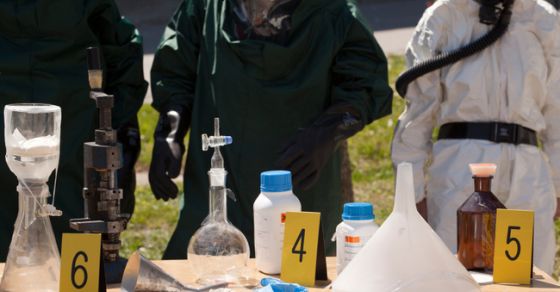
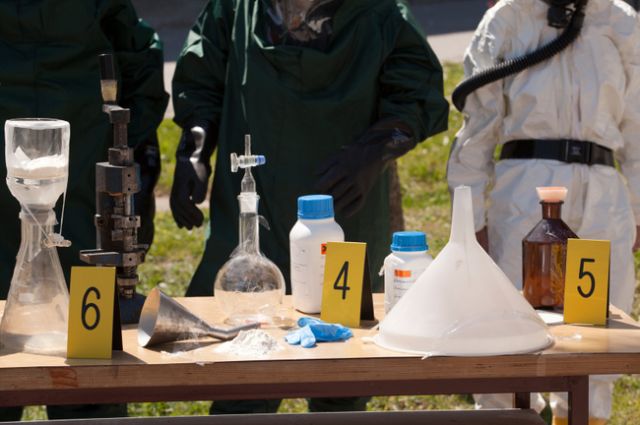
The Netherlands has an anonymous service that offers illicit drug analysis for free of charge and without fear of arrest. The results list all of the ingredients, side effects and the actions needed in the event of an overdose. The move has reduced drug related deaths and detects potentially deadly lacing.
advertisement
#8 Pay as you go garbage collection
In an effort to combat landfills, German cities weigh the stuff you throw away and charge as much as $2 per pound of trash. As a result, people recycle or compost nearly everything, which is far cheaper and kinder for the environment.

advertisement
#9 Criminal fee's based on income
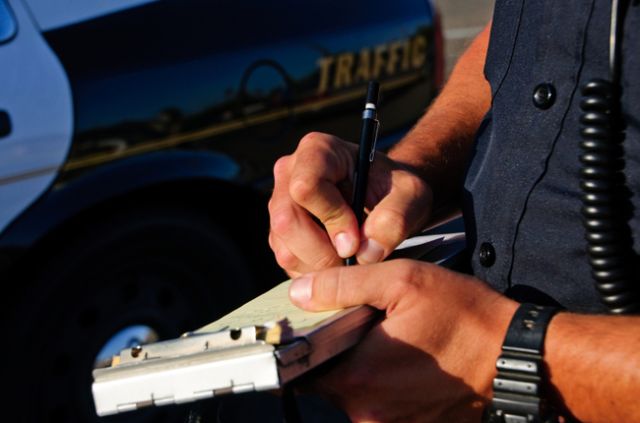
Dagsböter roughly translates to 'daily fine' and is a form of punishment for non-violent crimes in Finland and Sweden. If you were fined 30 dagsböter, then all of your income for 30 days would be collected as a fine. This type of punishment is seen as 'financial jail' and deters people from crime no matter their wealth. Thois system led to one Finnish man who earned $11 million a year being fined the equivalent of $200,000 for speeding.
advertisement
#10 Rainy day national fund
All the money earned from oil and petrol taxes in Norway are added to the world's biggest sovereign wealth fund. As of January 2014, that piggy bank was full to the brim with 5.11 trillion krones or $828 billion. The fund is being saved for a rainy day and to aid future generations once the oil is depleted. It currently owns 1% of all the world's stocks and makes every single one of the 5 million citizens of Denmark a millionaire.

advertisement
#11 Can't get locked up for drugs
In 2010 alone, the ‘war on drugs' cost the federal Government $500 every second, or $15 billion total. In 2001, Portugal decriminalized all drugs, including cocaine and heroin. While distribution is still illegal, those caught for personal possession and use are dealt with in a court made up of psychologists and social workers. Instead of locking kids away for a spliff, addicts are referred to clinics. Since these moves, drug addiction has dropped 50% and drug use in Portugal is among the lowest in Europe.
advertisement
#12 Reduced prison sentence for readers
Prisoners in Brazil can reduce their sentence by reading books and producing reports on them. If deemed adequate, each report will take four days off a convicts time, with a maximum of 48 days reduction every year. The idea is to help people leave prison more enlightened, educated and less likely to commit crimes. And it seems to be working, with a 30% reduction in criminal relapse amongst those who take part.
#13 Speeding ticket lottery
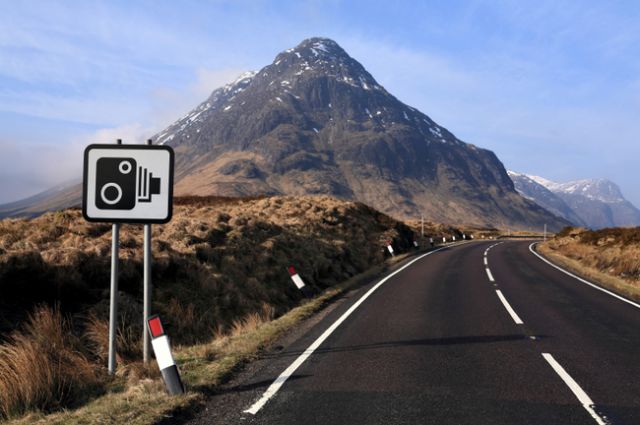
In Stockholm, Sweden, a portion of the fines collected from speeding drivers is put into a lottery. Drivers who don't have any offences are automatically entered in the lottery and have the chance of winning some cash for driving safely. Motorists have received checks of up to $3,000 and the scheme has encouraged road safety.
advertisement
#14 Free maternity box to all new mothers
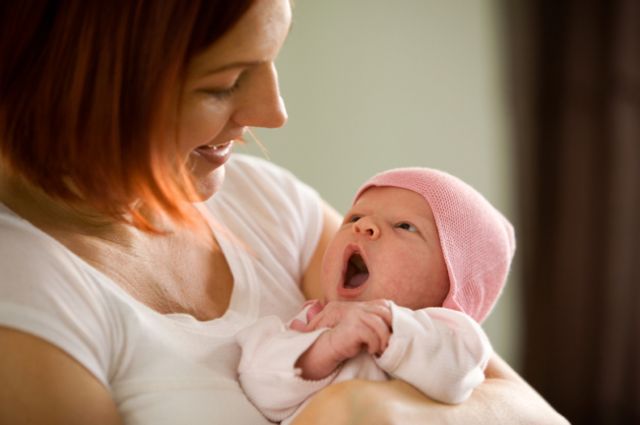
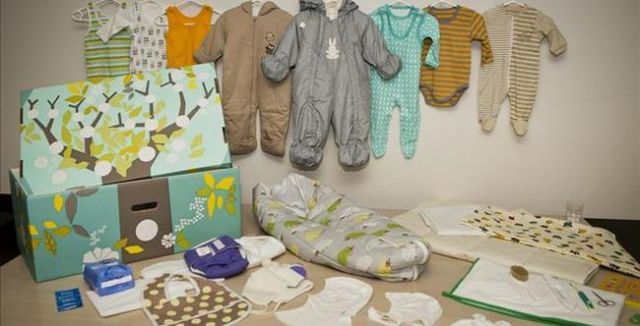
Whenever a Finnish woman is expecting a child, the state provides them with a free 'maternity box.' Equipped with a mattress, sheets, sleeping bag, jump suits, socks, diapers and more, it's pretty much everything a mom needs. The box even doubles as a cot. This clever invention is designed to give all babies an equal start in life, regardless of the wealth they are born into, and has helped Finland achieve one of the lowest infant mortality rates in the world.
#15 Free subway rides in return for squats
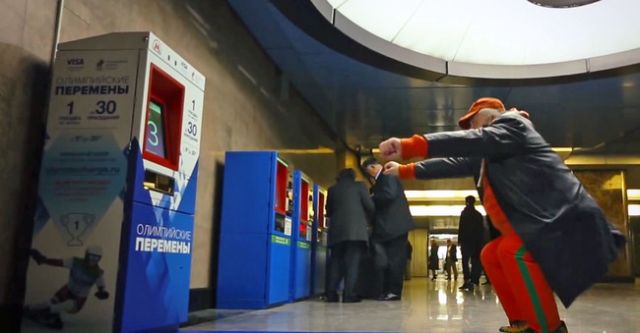
In an attempt to tackle obesity and to get people in the mood for the Sochi Winter Olympics, Vystavochaya Metro Station in Moscow accepted squats as payment for a month. If people could manage 30 in two minutes, and the camera on the machine actually counted them, you could ride free.