15 Shocking Reasons Why People Should Never Eat McDonald’s Ever Again
#1 Meat In The French Fries?
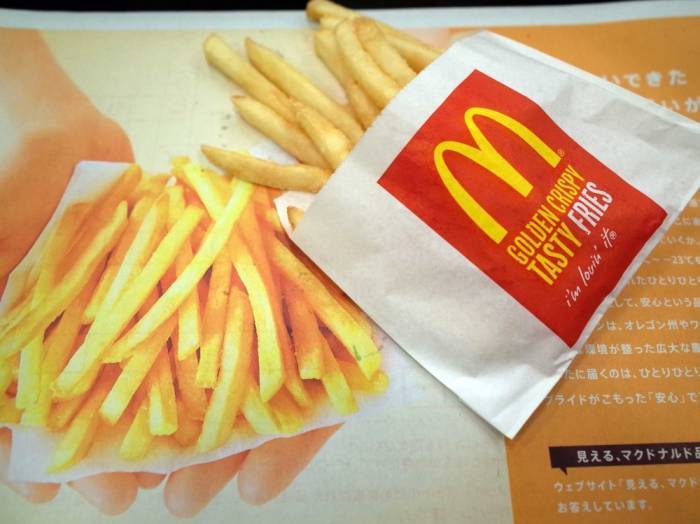
McDonald's sure did cause a stink by using beef fat to cook their French fries. In 1990, McDonald's tried to appeal to the large vegetarian demographic and differing religious groups by stating they would switch from beef fat to 100 percent vegetable oil. While the restaurants were indeed using vegetable oil in their fryers for the French fries, it was revealed that beef fat was used to partly fry the product before they were sent out to the different chain locations. McDonald's released a statement on their website saying, "A small amount of natural beef flavouring is added to our French fries during potato processing. If there was confusion, we apologize. Because it is our policy to communicate to customers, we regret if customers felt that the information we provided was not complete enough to meet their needs."
#2 McDonald’s Buns Aren’t Really Bread
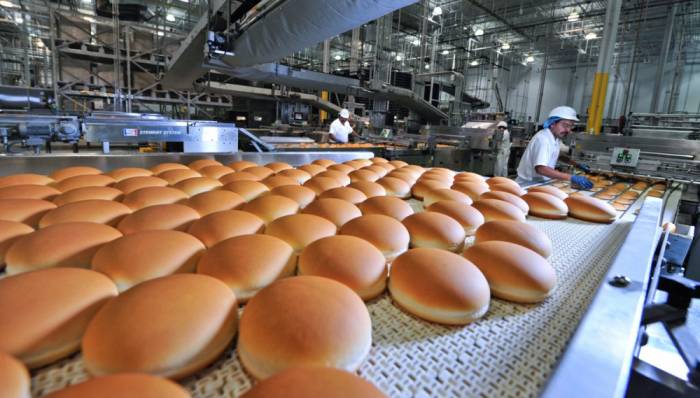
McDonald's is known for using extreme measures to make their food last longer. McDonald's buns can stay mold-free for years. The ingredients that make up the McDonald's buns read more like a scientific journal than a recipe for any kind of dough that could be used to make bread. One of the ingredients include calcium sulfate, which is also known as plaster of Paris. The negative effects of this can lead to digestive issues, but the true problem is the ammonium sulfate which is known to cause nausea and diarrhea.
#3 More Expensive Than Healthy Food
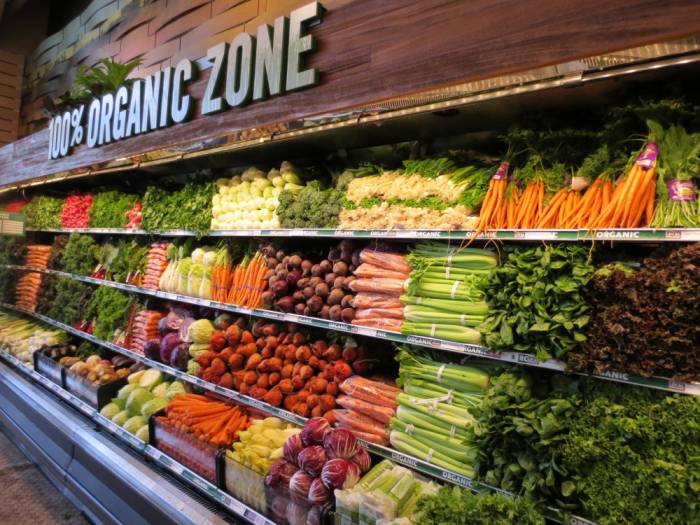
A lot has been said about how expensive it can be to eat healthy food rather than highly processed food that is relatively cheap. This is made extremely evident when comparing the costs of a 25-cent pack of processed noodle soup compared to some organic romaine lettuce and farm-fresh vegetables. It may seem like their menu is perfect for a family on a budget, the cost of a typical meal at McDonald's for a family of four averages around $28. Compare this to a $28 trip to the grocery store, and you might be surprised at how much you could purchase.
#4 The Infamous McRib
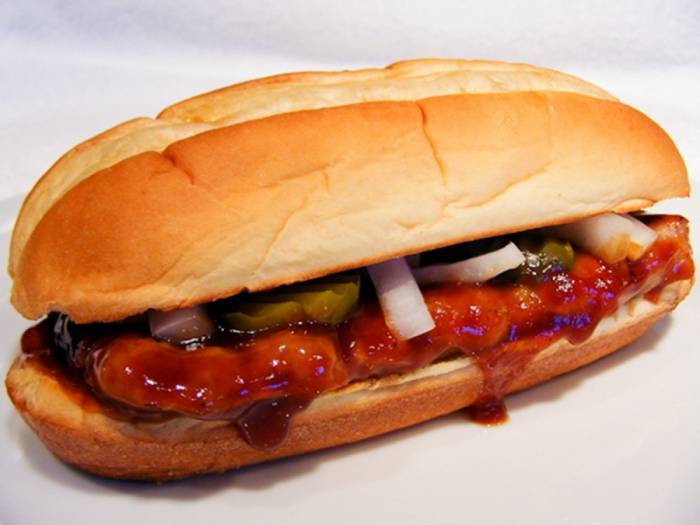
The McRib pork sandwich is marketed by McDonald's as a seasonal offering that should be anticipated and celebrated by customers. Yet many have wondered about what the "ribs" are made out of. On closer inspection of the actual rib patty, it's almost ironic that the meat is formed to appear like it has the bone-like structure seen in baby-back ribs. However, there aren't any bones in this rib sandwich. Instead, the meat patty is made from restructured meat product that combines the cheapest innards and cast-offs of a pig. It also contains azodicarbonamide, which is a chemical used in making yoga mats and gym shoes. While some look at a McRib with comfortable nostalgia, others can't seem to get over the mystery meat within.
#5 Incredible Weight Gain
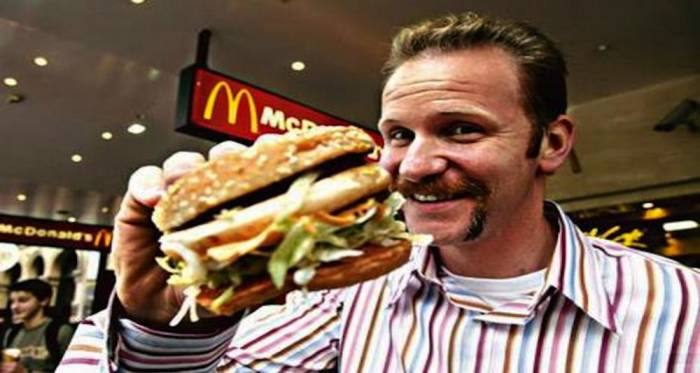
McDonald's isn't exactly known for offering healthy food, but the 2004 documentary Super Size Me put a real focus on how detrimental a McDonald's diet can have on the body. Morgan Spurlock spent 30 days eating only a McDonald's diet, and documented how his body changed during and after the experiment. Spurlock gained an astounding 25 pounds, and showed the world what happens when the body ingests too much fast food. The body simply isn't meant to gain that much weight in such a short amount of time, so the excessive weight gain isn't just about appearances any longer. Causing extremely high levels of cholesterol and fatty accumulations in the liver, this causes a toll on the body that can lead to everything from heart attacks to liver damage.
#6 Promoting Childhood Obesity
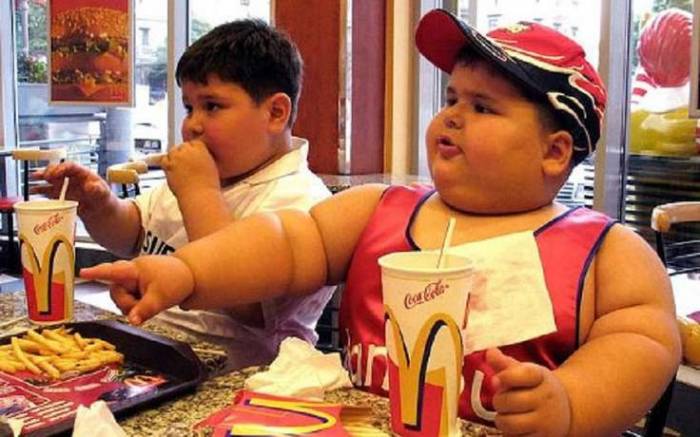
In 2005, The New England Journal of Medicine published a report that stated the current generation of children in America could have a shorter life expectancy than their parents. While previous centuries proved that children would be living longer lives than their parents, the new report cited childhood obesity as a huge factor in changing this. Causing everything from Type 2 diabetes to cancer, the food we feed to our children directly impacts their overall health and wellbeing. Everything from the toy that comes with the "Happy Meal" to the McDonald's Playhouse. The advertisements are meant to entice children at a super young age to eat their super fatty meals and processed foods.
#7 Meat Raising Practices In The Beef
With the world becoming more aware of the importance of eating organic and the inhumane treatment of animals used in the meat industry, there has been some major scrutiny over the meat that's used on the McDonald's menu. There have been some changes made by McDonald's in recent years, but they still haven't yet converted their burgers to organic or grass-fed. Instead, the meat comes from confined animal feeding operations (CAFOs), where animals are left to live and die in unsanitary conditions. These animals are often given antibiotics and growth hormones to make more meat that is resistant to disease. Yet these are transferred to those who ingest the meat. By creating antibiotic-resistant bacteria, this has been linked to thousands of deaths each year due to super bacteria. Despite the fact that many believe that grass-fed and organic beef tastes noticeably different, McDonald's doesn't seem to care about the inhumane or negative effects from CAFOs.

#8 High Amount Of Phosphates
Much of the menu at McDonald's features items that contain phosphates in their ingredients. While a certain amount of phosphates is normal for your body, the amount used at McDonald's is far more than what the body should be subjected to. With the phosphates being used as additives to processed foods, the damage to the body is increased considerably. The risk of heart disease is increased, and those with kidney disease will have exacerbated symptoms. The negative effects of excessive levels of phosphates have called attention to other areas of the body that could be affected. Studies have been performed on those with renal disease, and a high level of phosphates has led to higher mortality rates for certain individuals. Oftentimes, reading the actual ingredients in a food can be a bit intimidating, especially when the list includes words outside the standard food words. While we'd much rather see words like potato and grass-fed Angus beef, you have to increase your food word knowledge when you visit McDonald's.
#9 Sugar In The French Fries
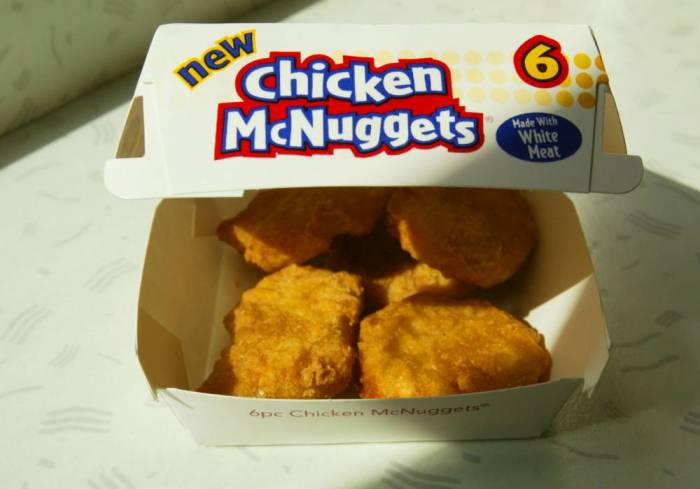
Dextrose is one of the main ingredients in McDonald's French fries, which is actually a sugar. It might seem strange that something fried and savory has such a high sugar content, especially since they don't even taste sweet. Dextrose has a storing fat property, and also has huge effects on blood sugar levels. For those with diabetes, there is a spike to blood sugar levels and a huge strain on the pancreas. For those without diabetes, it has the opposite effect which gives symptoms of having low blood sugar levels. The symptoms include everything from shaking and sweating to headaches and fatigue. Yet the worst of its symptoms is the fact that the sugar levels will actually create your body to feel even hungrier than before you ate the French fries.
#10 Ageless French Fries
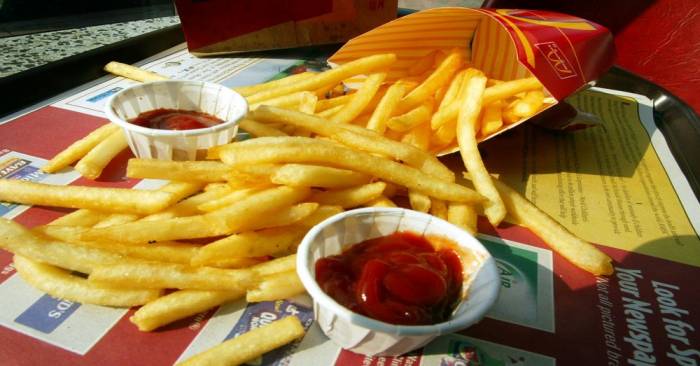
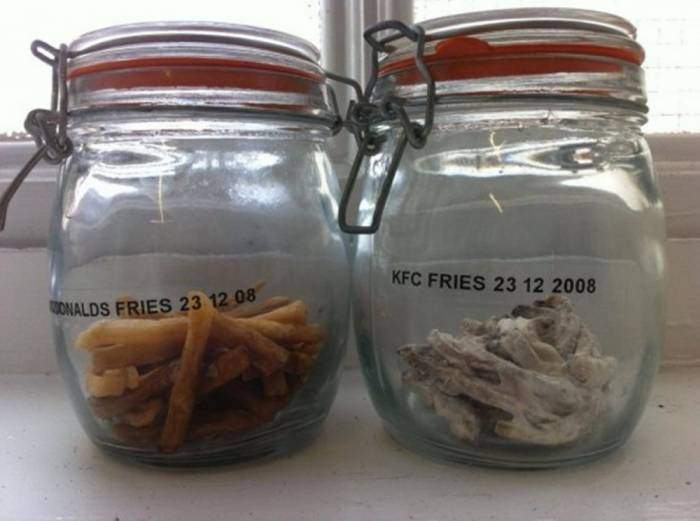
Comparing the decomposition of French fries at McDonald's and KFC for that span of time, the McDonald's French fries still look pretty much like the ones served on a daily basis. Only a heavy serving of preservatives could allow for such an ageless quality to their French fries. While they may be the most recognizable French fry in the world, it's disturbing to think that they don't actually break down and decompose like other foods.
#11 Buns Contain High Fructose Corn Syrup
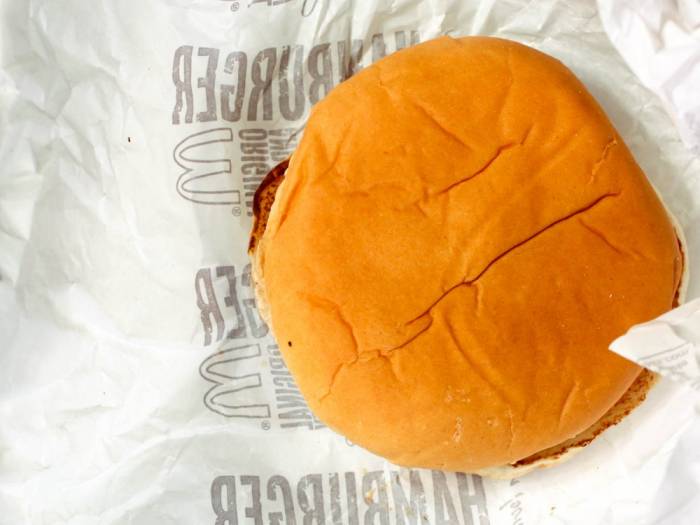
In 2015, an Infographic was released to describe the negative effects on your body after eating one of McDonald's best known burgers, the Big Mac. While most people assume the worst part of the burger is actually the meat patties, studies showed that the buns used at McDonald's were equally as harmful. Containing high levels of fructose corn syrup and sodium, the buns actually make your body crave more within twenty minutes of eating the iconic burger. With 970 milligrams of sodium and high salt levels, the body will continue to feel increasingly hungry and dehydrated. The body begins to lower glucose levels as an insulin response to the loss of control of the blood sugar, which furthers the cravings for more food. With the goal of a meal being to satiate your hunger, McDonald's isn't exactly the smartest route to take.
#12 Mechanically-Separated Meat Nuggets
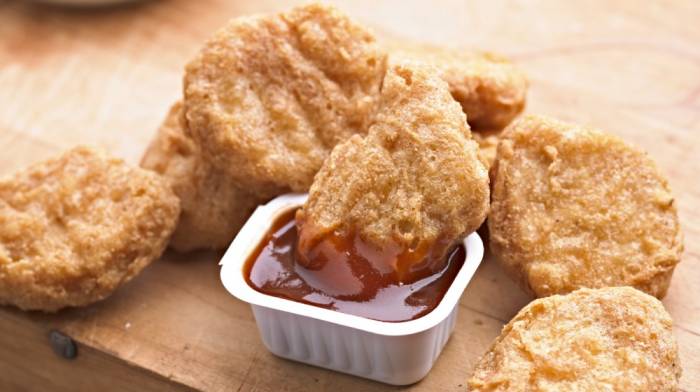
Jamie Oliver's Food Revolution was a show that started off hugely popular in the U.K., as a way to give attention to the importance of healthy. Much of the focus was on today's youth, and lunches offered at public schools. Oliver did an adaptation of the show for American audiences, but the response was a bit different when it came to the chicken nugget portion. Oliver gave a hands-on look at how chicken nuggets are made in fast food chains like McDonald's to a group of children. The process of mechanically-separated meat had Oliver remove all the meat from a chicken, and throw the remaining carcass and bones into a food processor. The mixture becomes goo that is unrecognizable as any sort of food, but he molds it into a "nugget" and cooks it. When he performed this experiment with a group of kids from the U.K., everyone was completely disgusted. Yet, when he performed the experiment for American kids, the children had no problems eating them since they were so much like McDonald's nuggets. McDonald's insisted they don't use this process for their nuggets, but it's interesting that the inside doesn't really look like real chicken.
#13 Unsanitary Practices By Employees
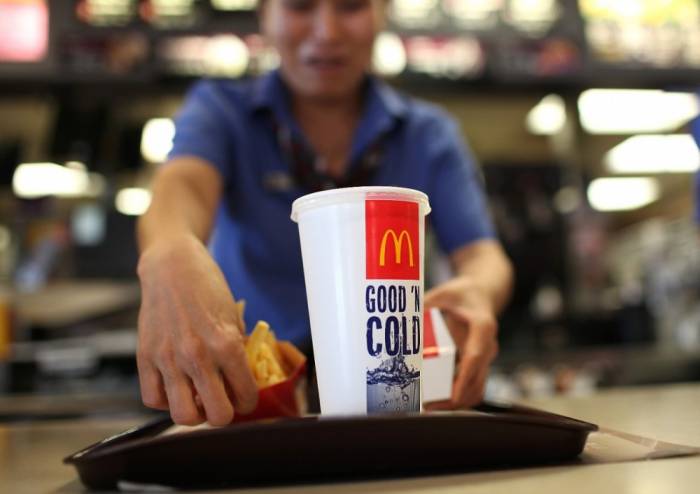
When a local restaurant gets a citation from the health department, public opinion of the venue completely changes. Once the word is spread about a restaurant potentially having unsanitary cooking methods or environments, the locals will inevitably blackball them from their dining choices. Yet, many seem to overlook fast food chains, since they assume the billion dollar parent companies would adhere to standard health regulations for the food industry. Yet, Dateline NBC investigated one hundred McDonald's locations and found 136 critical violations to standard guidelines in food industry practices. The truth of the matter is that each McDonald's location is subject to the practices of their individual employees, who are often overworked and under-trained. Many people become complacent with McDonald's since many of their visits involve the drive-thru, but anyone that has ever stepped into a McDonald's knows that it definitely isn't the cleanest place in the world. Minimum wage McDonald's jobs often result in minimal work employees, which can be quite disturbing in a food service profession.
#14 Takes Over A Month To Digest The Trans Fat
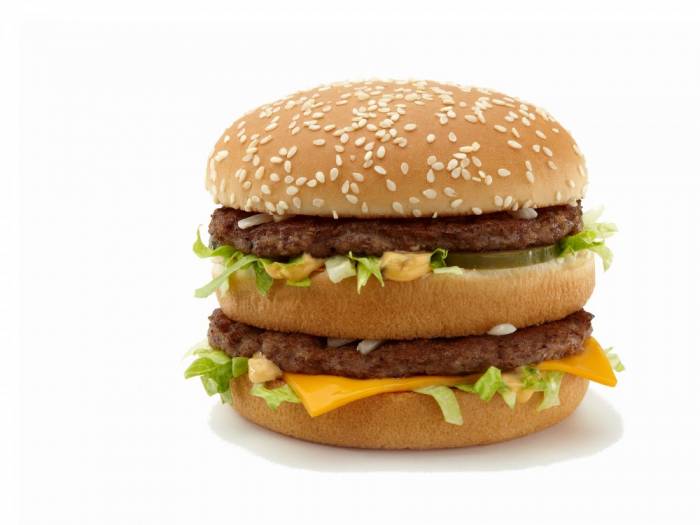
When reading the nutritional label on anything you eat or drink, you will notice a distinction of saturated fat and trans fat. While fat content usually has a bad reputation in the food world, fat is actually really important for your body to function properly. Many vitamins cannot dissolve into the body without fat, and dietary fat is the macro-nutrient that gives your body its energy. Yet excessive fat is what causes a body to gain excessive weight. McDonald's most iconic burgers have an alarming amount of trans fat, with the Big Mac containing 1.5 grams of trans fat. Unlike saturated fat that mainly comes directly from animal sources, trans fat mainly comes from the oils found during partial hydrogenation, a food processing method. With the increased negative attention on processed food, one of the biggest eye openers about the Big Mac is that it takes around 51 days to digest the trans fat found with eating just one Big Mac.
#15 Pink Slime Burgers
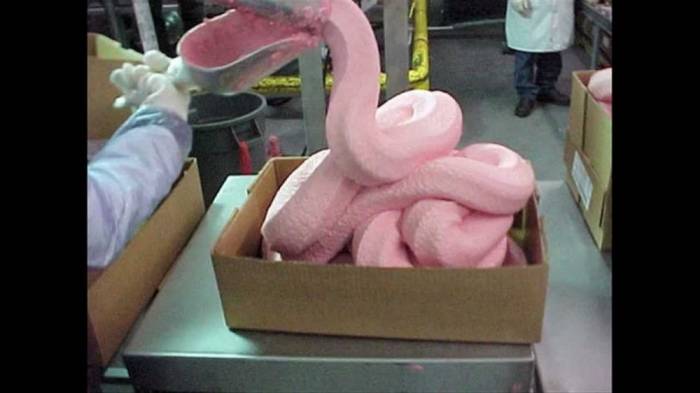
The show, Jamie Oliver's Food Revolution, brought attention to many issues surrounding food products throughout the world. In one of the episodes, Oliver talked about the leftover meat trimmings used in the patties of well-known fast food chains, including Mcdonald's. He referred to this meat as "pink slime," and it became a huge sensation in the United States. The U.K. actually bans this meat product for human consumption, since it requires chemical treatments to kill off the bacteria that is inside the meat. Oliver's show brought on widespread negativity towards McDonald's due to their use of this meat, and many credited the show for McDonald's sudden change in practice. Yet McDonald's released a statement saying that the decision to discontinue the meat was made prior to the episode. Nevertheless, it was definitely a huge coincidence that the meat was discontinued for their use at the same time that the episode publicly exposed and shamed the fast food chain. Since change only came after they were exposed, it stands to question what other dirty little secrets McDonald's is hiding.