advertisement
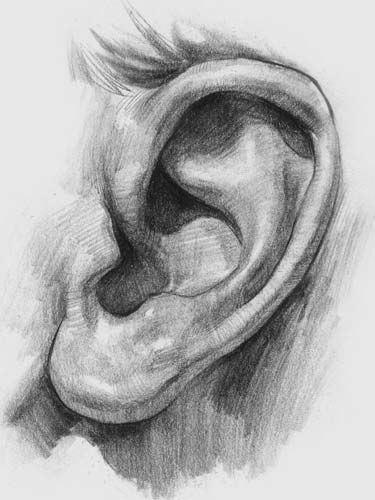
#1 Ears and Nose never stop growing.
#2 People with blue eyes have a higher alcohol tolerance.The human eye can distinguish about 10 million different colors.

advertisement
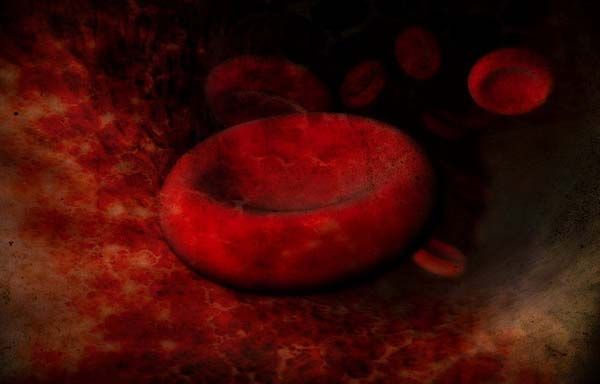
#3 Every 60 seconds, your red blood cells do a complete circuit of your body.
#4 Most babies are born with blue eyes; exposure to UV light brings out their true color.

advertisement
#5 Most westerners consume 50 tons of food and 50,000 liters of liquid in their lifetime.

advertisement
#6 Your brain uses about 20% of your oxygen and caloric intake.

advertisement
#7 In each kidney, there are 1 million filters that clean around 1.3 liters of blood every minute and push out close to 1.5 liters of urine every day.

advertisement
#8 Everyone has a completely unique smell (except for twins).

advertisement
#9 The average person produces enough saliva in their lifetime to fill 2 swimming pools.

advertisement
#10 Humans are extremely visual; 90% of the information we gather from our surroundings is from our eyesight.

advertisement
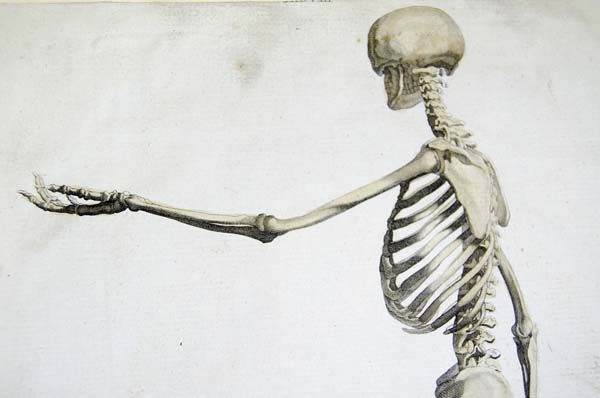
#11 Your bones, pound for pound, are 4x stronger than concrete.
advertisement
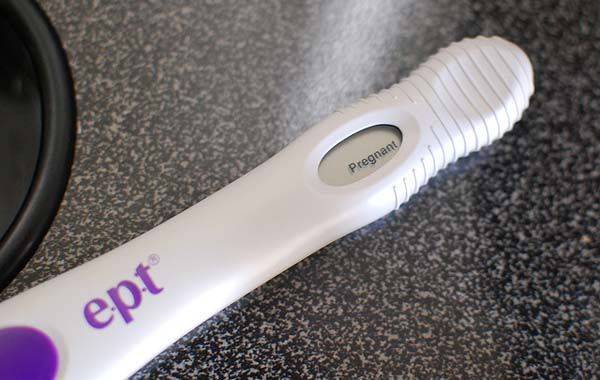
#12 Ovaries contain over 500,000 eggs, but only about 400 get the opportunity to create life.
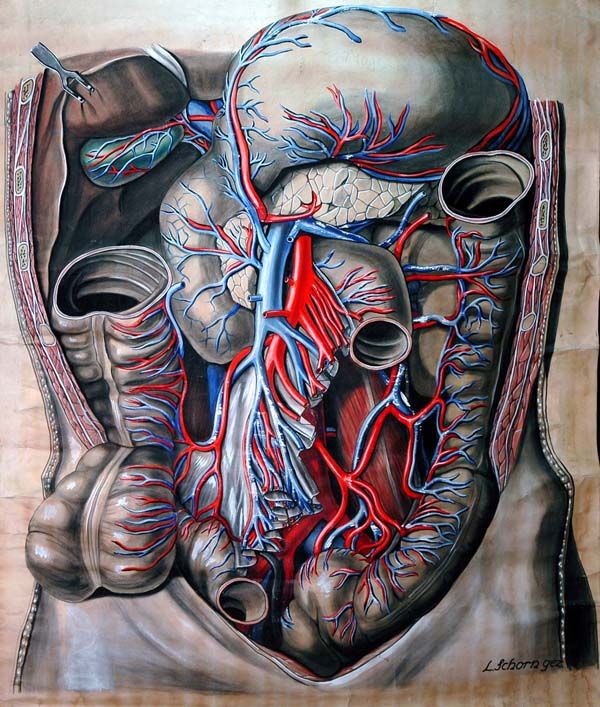
#13 Why doesn't your stomach digest itself? That's because your stomach cells are created faster than they can be destroyed.
advertisement
#14 A human baby has over 60 more bones than an adult.

#15 Your body has enough iron in it to make a metal nail 3 inches long.

advertisement
#16 Similar to fingerprints, everyone also has a Unique Tongue Print.

#17 When awake, the human brain produces enough electricity to power a small light bulb.
advertisement
#18 Human Bones are ounce for ounce,stronger than steel.

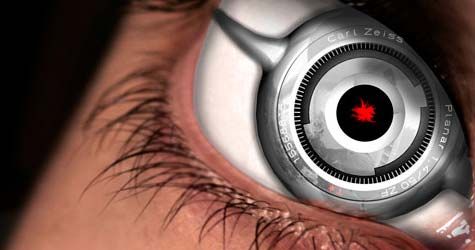
#19 If the human eye was a digital camera it would have 576 megapixels.
advertisement
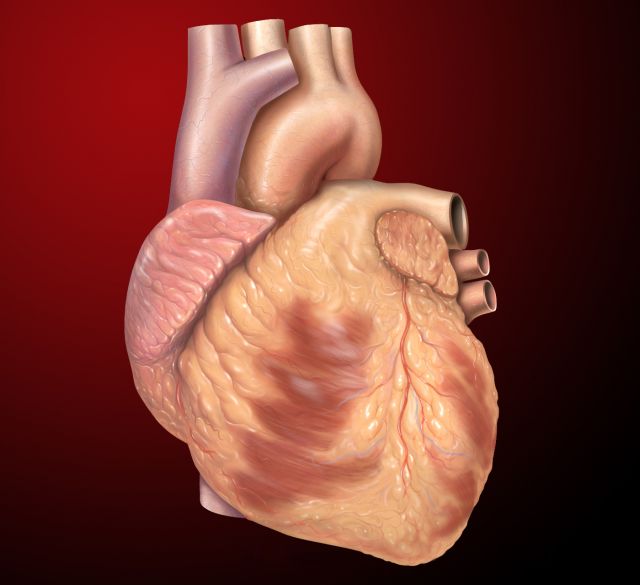
#20 Your heart can keep beating even if it is separated from the body because it has its own electrical impulse.
#21 Your brain keeps developing until your late 40s.