25 Bizarre Animal Defense Mechanisms That Have Proven To Be Quite Effective!
#1 Mantis Shrimp
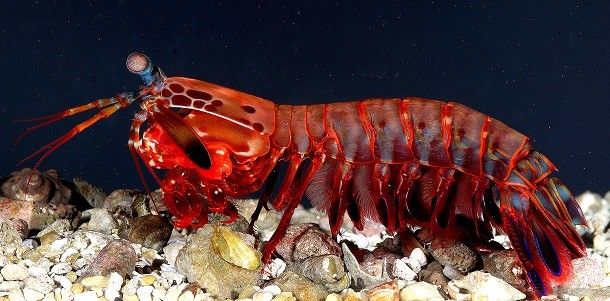
The champ of underwater creatures, mantis shrimp can punch at up to 75 feet per second (23 m/s) from a stopped position that's enough to break aquarium glass. Even if the shrimp misses, the resulting shockwave from the punch can paralyze the other animal. The bubbles in the shockwave can be up to several thousand degrees Kelvin that's easily thousands of degrees Fahrenheit or Celsius.
#2 Motyxia Millipede
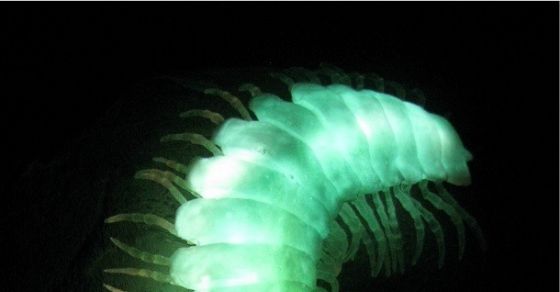
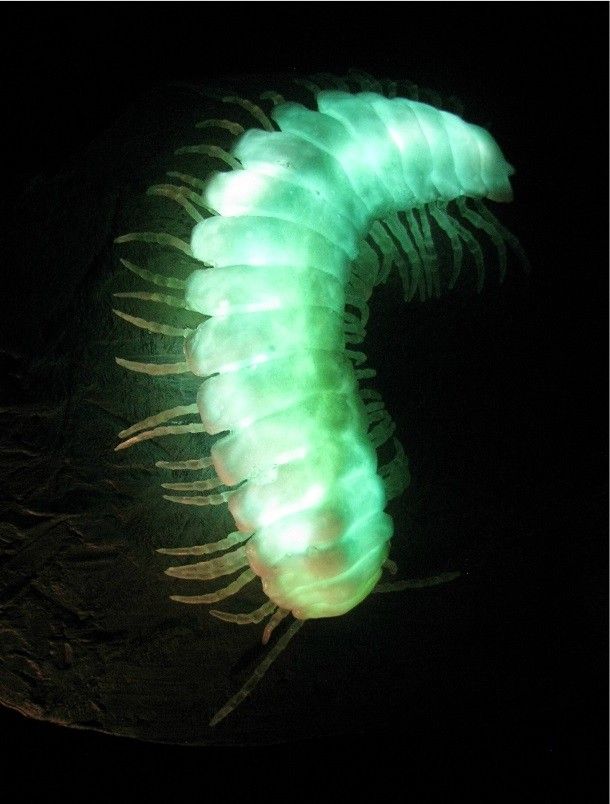
This little creature actually is a cyanide pill. The motyxia millipede excretes cyanide through its pores when threatened and can become bioluminescent to warn off would-be predators to their toxic composition.
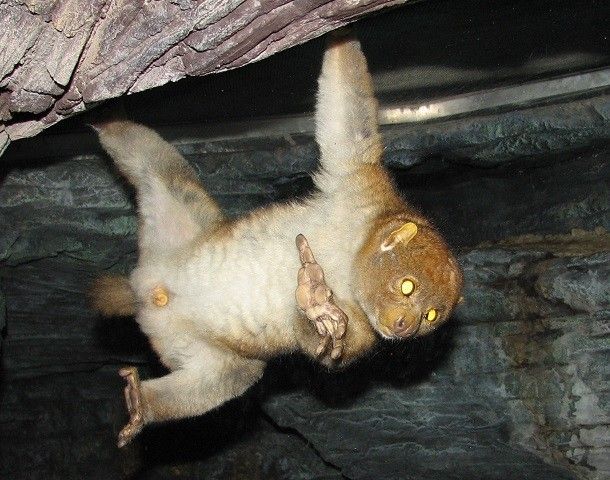
#3 Potto
A furry, little primate native to African forests, the potto has a dark side. When under attack, the potto sticks its head to its chest and puffs out its top vertebrae then rushes its opponents like a battering ram.
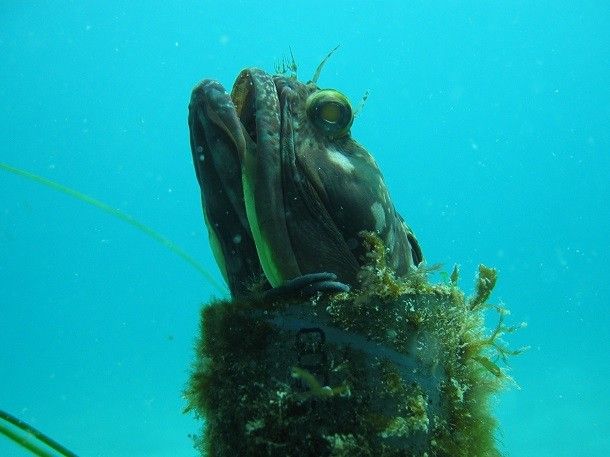
#4 Sarcastic Fringehead
The sarcastic fringehead, a Pacific fish, can open their fanged-mouths to an enormous size to scare off predators. When establishing dominance, two of these fish will open their mouths as far as possible and butt them together in a wrestling match that looks more like a make-out session.
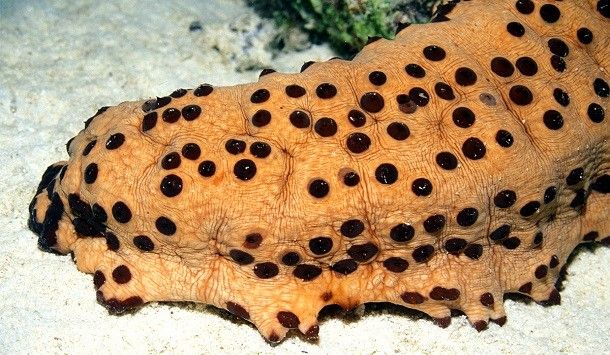
#5 Sea Cucumber
Though it has a pretty harmless name, the sea cucumber has some pretty tough defense mechanisms. If stressed, it fires fine tubes from its respiratory system out its anus at predators. When mixed with water, the tubes can grow up to 20 times their original length; they also become sticky, wrapping predators up. Some sea cucumbers also expel a toxic with the tubes.
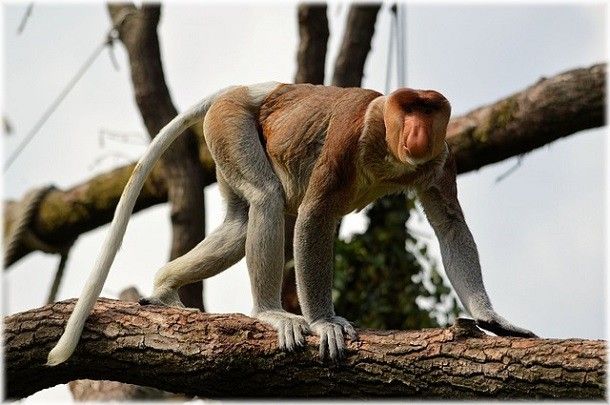
#6 Proboscis Monkey
Here's one you shouldn't try at home. When the proboscis monkey confronts an opponent, it gives itself an erection, wags it at its opponent, and shakes and rattles nearby branches. This one probably works better than us doing it because these monkeys' penises are bright red, generally a warning sign.
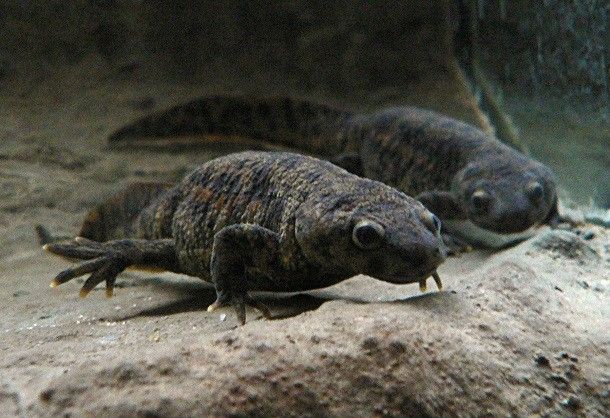
#7 Spanish/Iberian Ribbed Newt
The Spanish or Iberian ribbed newt, when threatened, can puncture its own skin with its ribs which stick out in a freaky display. They simultaneously secrete a poison which turns them into toxic needles for their would-be predators. A strong immune system allows the skin to regrow quickly.
#8 Turkey Vulture
A threatened turkey vulture can vomit the entirety of its stomach which most times sends predators running due to the foul smell. By expelling the food, the vulture also becomes lighter and can run off quicker if need be.

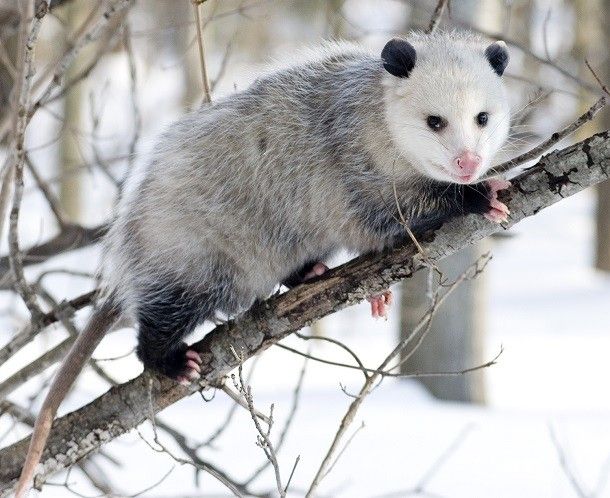
#9 Opossum
Giving an all-new meaning to "playing dead", when stressed the opossum stiffens up, rolls back its lips, and foams at the mouth. Since most animals don't like already-dead prey, they leave them be when seeing this. The self-induced freeze can last up to four hours.
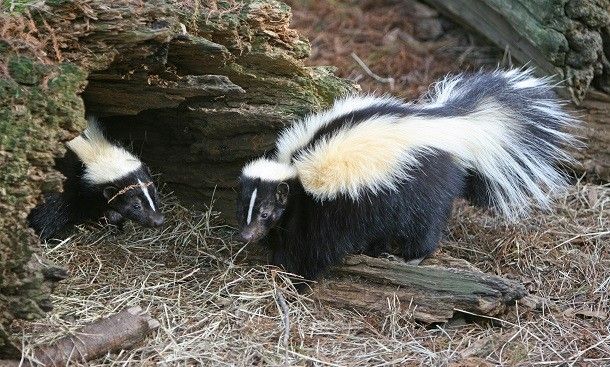
#10 Skunk
Skunks are a common example of an animal's defense mechanisms. The stream it shoots at you from its backside won't go away no matter how many showers you take; all you can do is wait. Skunks have few natural predators as animals can't stand their stink either.
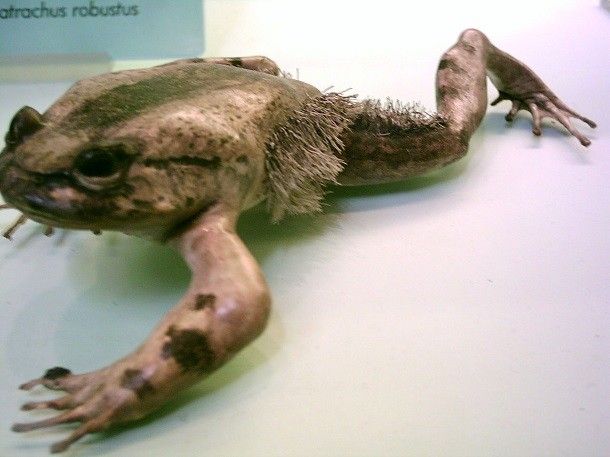
#11 Hairy Frog
Not actually hairy, just with hair-like structures (for the males), the hairy frog can break its own feet bones which then rip through the skin and act like claws. Too bad they can't just grow their nails.
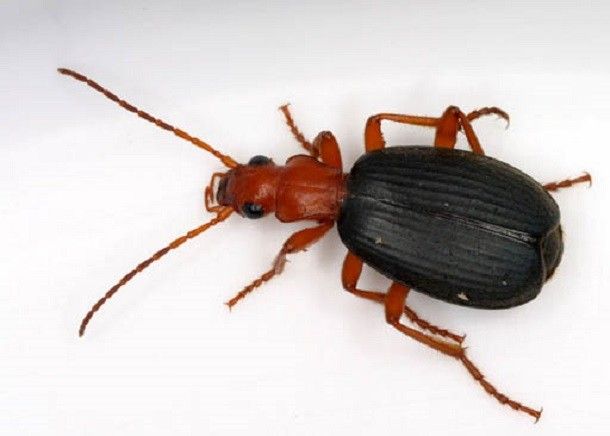
#12 Bombardier Beetle
When threatened, the bombardier beedle mixes chemicals in its abdomen almost to the point of boiling, shooting the hot liquid out with a loud pop which scares most predators off.
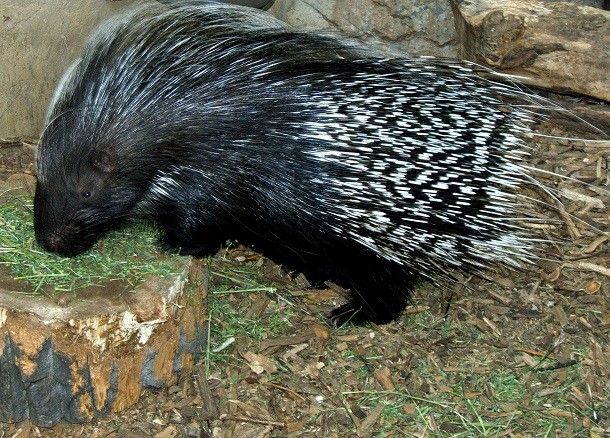
#13 Crested Porcupine
The pointy crested porcupine has quills up to half the size of its body nearly 14 inches (35cm) per quill! When chased, it'll stop in its tracks, leaving the chaser to run into its quills like a spike pit from Indiana Jones. It can also rattle short quills on its tail like a rattlesnake.
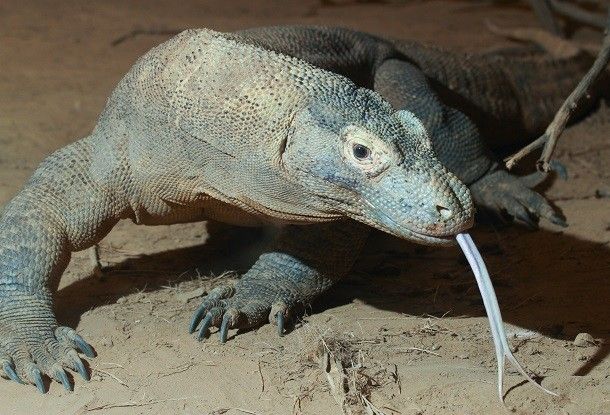
#14 Komodo Dragon
A slow killer, the komodo dragon keeps its mouth a bacterial mess. With constantly ripped gums, the dragon's mouth is full of open wounds and blood. If it bites an attacker or prey, it just waits for the infection to kill them off. The young ones protect themselves while they develop the stank breath by rolling around the feces of the other dragons' kills.
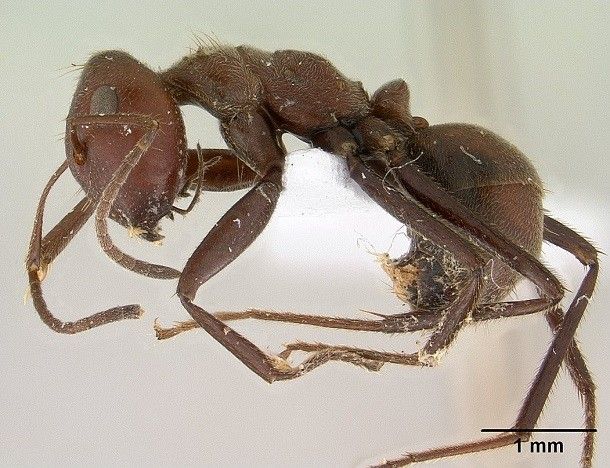
#15 Malaysian Exploding Ant
In a display of animal suicide, the Malaysian exploding ant can pop two poison sacs on its abdomen which causes the ant to, you guessed it, explode and cover invaders in the poisonous goop.
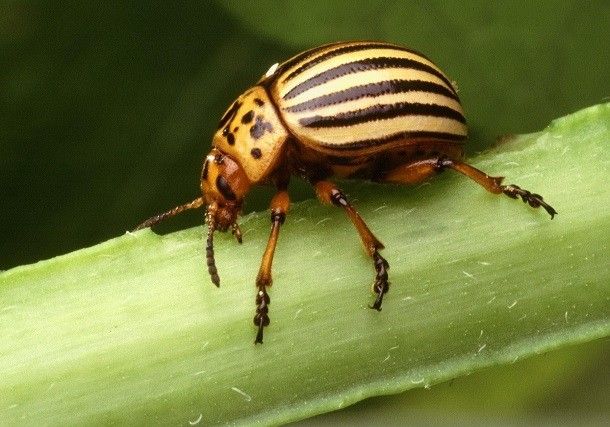
#16 Colorado Potato Beetle
Nearly a superbug, the Colorado potato beetle has its own laboratory in its stomach. Potatoes release proteinase inhibitors when being eaten, damaging most insects' digestive systems. This beedle detects the chemical being used and changes its own proteinases on the spot.
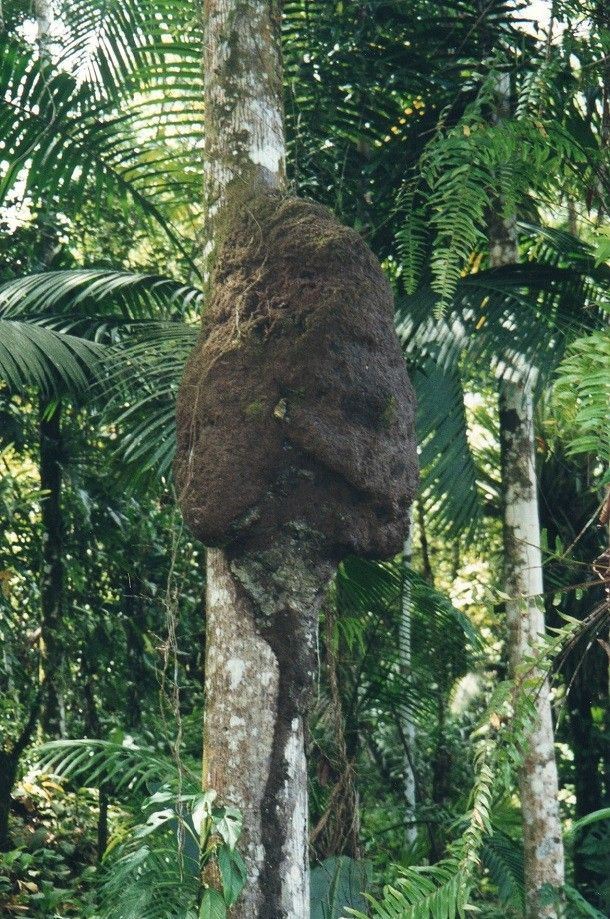
#17 French Guiana Termite
In what seems to be a science-fiction storyline in the animal kingdom, when French Guiana termites become too old (and overuse the colony's resources) they develop blue spots on their necks. When an predator eats them, the spots mix with saliva and can paralyze and poison the eater, making these the animal forms of a cyanide pill!
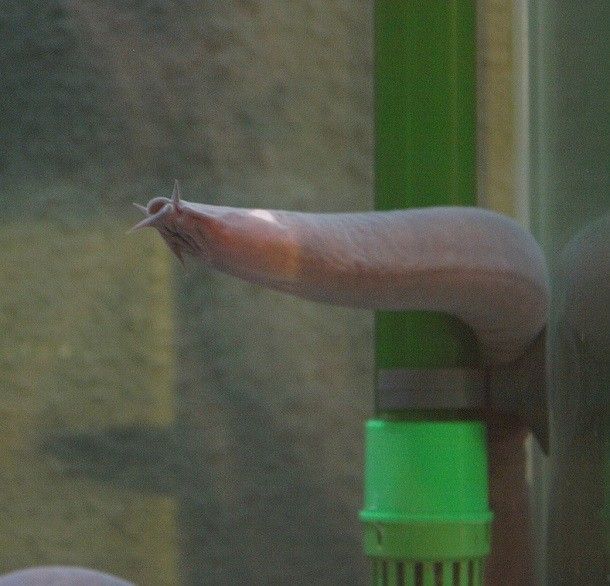
#18 Hagfish
The hagfish, an eel-looking animal, can eject slime when threatened up to five gallons at a time! The slime clogs up predators' gills and lets the hagfish escape while the predator is choking and distracted.
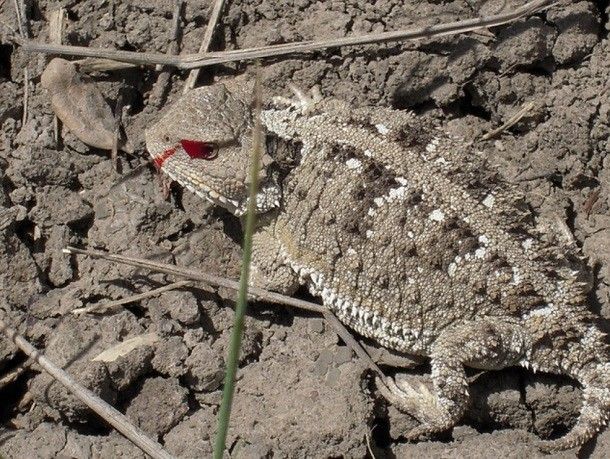
#19 Horned Lizard
The horned lizard has one of the strangest defence mechanisms when threatened, it can shoot blood out of its eye up to 5 feet. It might be harmless but it looks pretty scary! Maybe these lizards need some eye drops.
#20 Northern Fulmar
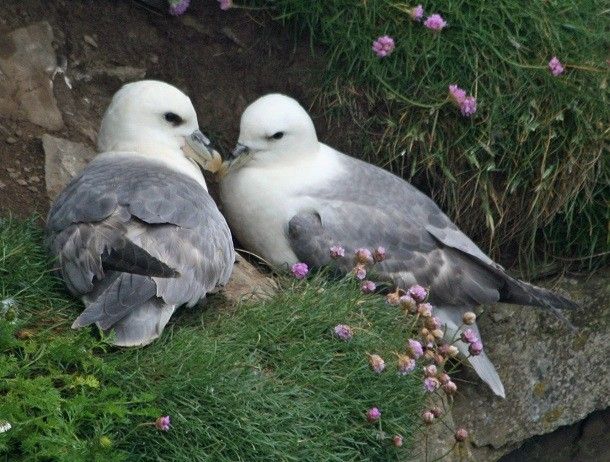
Babies are often the most vulnerable but not so for the northern fulmar its chicks can projectile vomit when threatened. Besides smelling like rotten fish, the predator is now coated with an oil which makes its feathers stick together, making it unable to fly. The oil also removes a bird's buoyancy so the escaping predators sink in the water and drown.