These interesting facts might alter the way you think about some foods forever!
advertisement
#1 The Egg Test
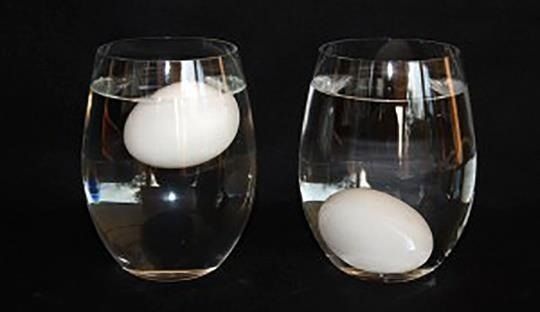
As eggs age, gases build up inside the shell making it more buoyant. This is the best way to test whether an egg has gone rotten without having to break open the shell, risking the foul odor escaping. When an egg is extremely fresh it will lie on its side at the bottom of a glass of water. As it ages, the egg will begin to point upwards, and will finally float completely when it has gone bad. Fresh eggs have a very firm white, whilst old eggs have a very watery white. This is why it is best to use the freshest eggs possible for poaching and frying. Older eggs are perfectly good for omelets or scrambling.
#2 Microwave Cooking was Discovered Accidentally
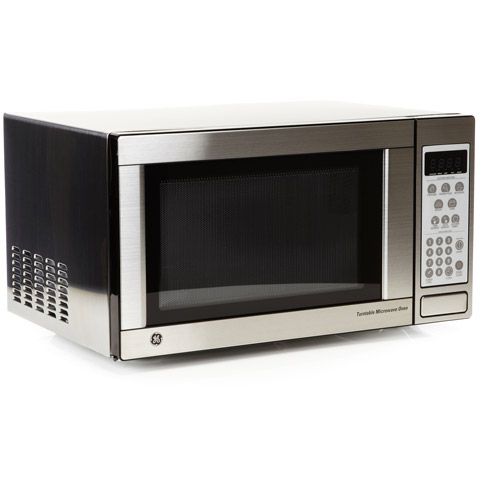
Percy LeBaron Spencer of the Raytheon Company was walking past a radar tube and he noticed that the chocolate bar in his pocket melted. He then tested popcorn in front of the tube (surely turning up the power and standing out of the beam), and it quickly popped all over the room. He is (obviously) known as the inventor of the Microwave oven.
advertisement
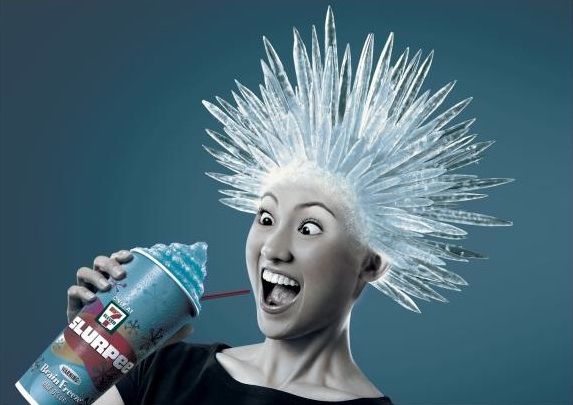
#3 7-11 Invented the Term "Brain Freeze"
The scientific name for "brain freeze" is sphenopalatine ganglioneuralgia. When something very cold touches the top palate of the mouth, it causes the blood vessels to constrict. This makes the nerves send a signal to the brain to re-open them. The rapid re-opening of the vessels causes a buildup of fluid in the tissues causing a slight swelling in the forehead and, therefore, causing pain. It normally takes 30 60 seconds for the fluid to drain, relieving the pain.
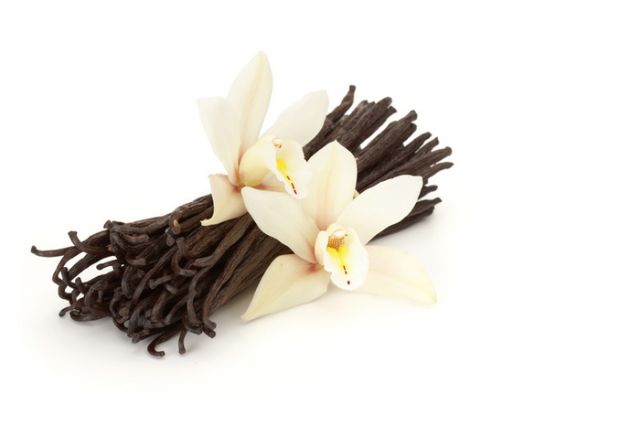
#4 Vanilla is Mildly Addictive
The consumption of natural vanilla causes the body to release catecholamines, including adrenaline for this reason it is considered to be mildly addictive.
advertisement
#5 Banana Trees are Giant Herbs
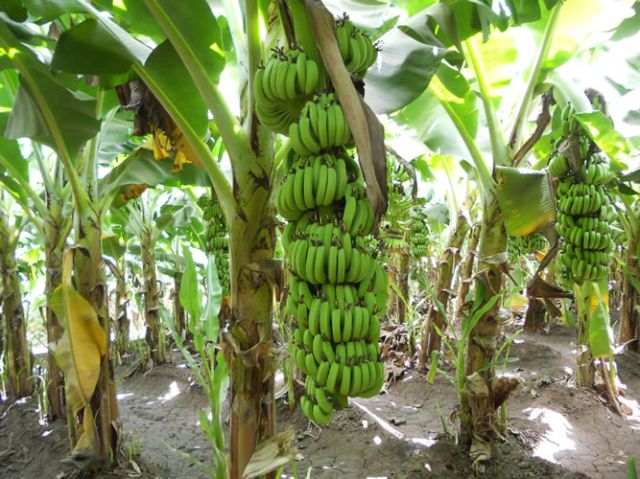
The large stem that is mistaken for a trunk on a banana tree is actually a pseudostem. Each pseudostem provides a single bunch of yellow, green, or red bananas. It then dies and is replaced by another pseudostem. Smaller bunches of bananas are actually called hands not bunches which can weigh up to 110 pounds (50 kilograms).
The bananas that we eat are specially cultivated to exclude seeds therefore you can't plant a banana tree from a commercially grown banana. However, wild bananas have many large hard seeds.
advertisement
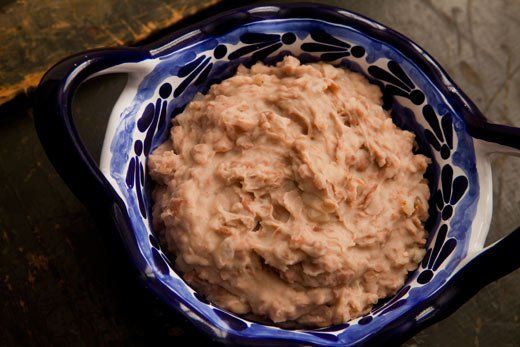
#6 Refried Beans are only Fried Once
The reason for this misconception is a translation error. The originals are frijoles refritos which actually means "well fried beans" not re-fried.
advertisement
#7 Roast Camel
The largest food item on a menu is roast camel. The camel is stuffed with a sheep's carcass, which is stuffed with chickens, which are stuffed with fish, which are stuffed with eggs. This feast is sometimes featured in Bedouin weddings.

advertisement
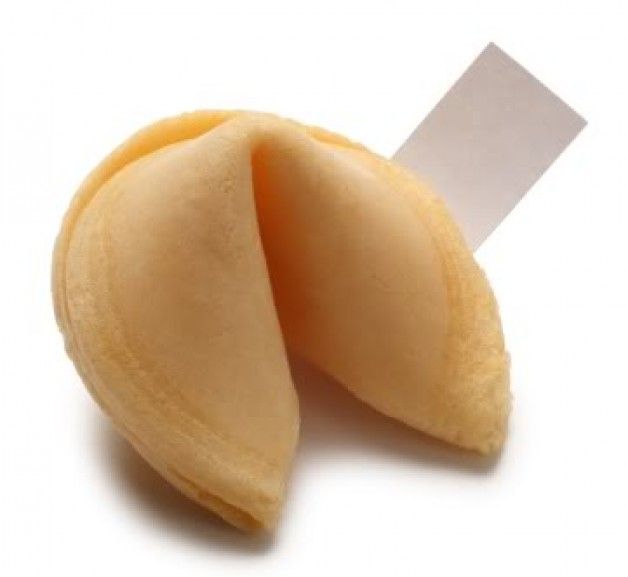
#8 Fortune Cookies Are American
The fortune cookie was invented in San Francisco in 1909, at the Japanese Tea Garden Restaurant. In 1916, Los Angeles noodle manufacturer David Jung claimed to be the inventor, but a San Francisco court ruled that Makoto Hagiwara, caretaker of Golden Gate Park's Japanese Tea Garden, was the creator of the cookies, which he served to guests of the gardens.
advertisement
#9 Hippopotamus Soup
The earliest archeological evidence for the consumption of soup dates back to 6000 BC, and it was hippopotamus soup!

advertisement
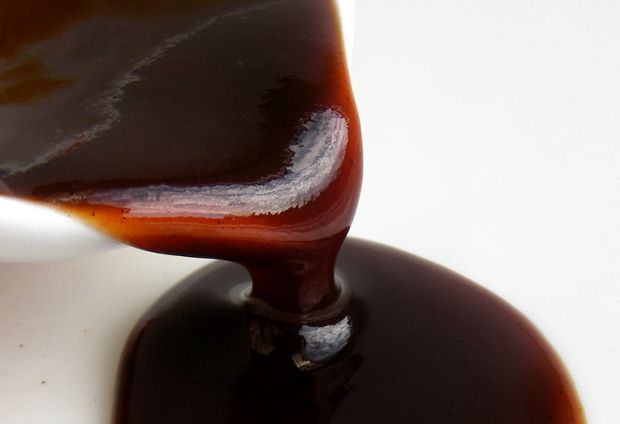
#10 Worcestershire Sauce is made from Dissolved Fish
Worcestershire sauce is made from dissolved anchovies. The anchovies are soaked in vinegar until they have completely melted. The sauce contains the bones and all.
advertisement
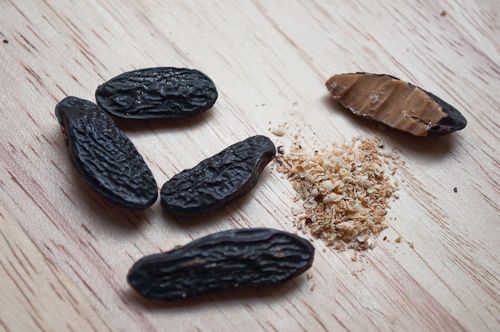
#11 The Deadly Tonka Bean
Despite its' highly poisonous qualities, it is popularly enjoyed in France in high quality pastries. Despite the reputation as a killer, only a few countries ban its use in food. Tonka beans are often added to perfume as a cheap alternative to vanilla, but they are banned United States as a food additive.
advertisement
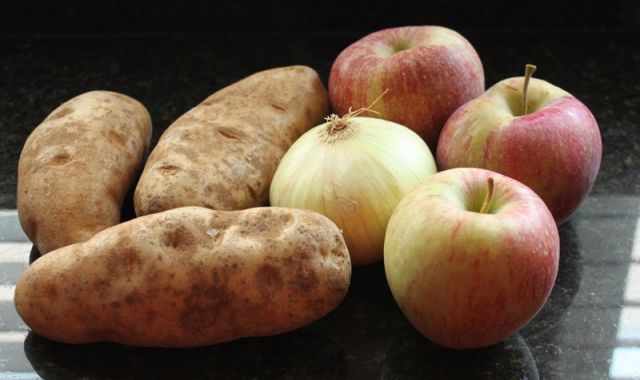
#12 Apple, Potato, or Onion?
Apples, potatoes, and onions all taste the same when eaten with your nose plugged. This shows the incredibly important part that the nose plays in the sense of taste. The fact that the three items have a similar consistency makes it virtually impossible to tell them apart without the sense of smell. If you try this, I should warn you: once you unblock your nose, you can tell what you have just eaten.
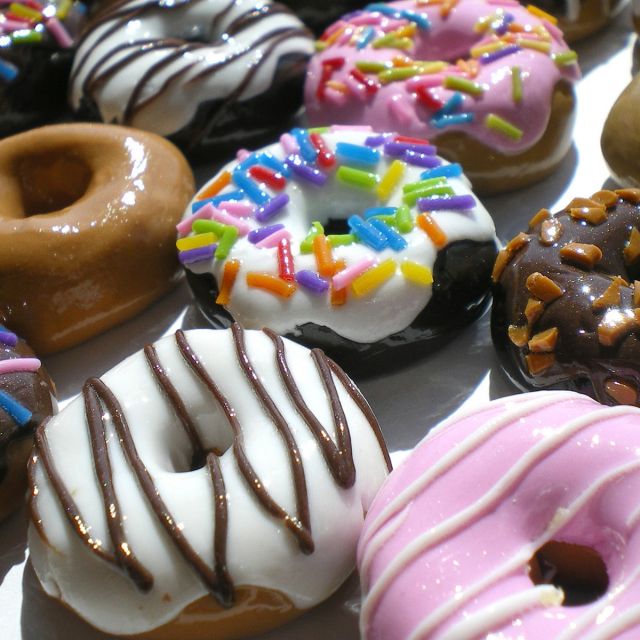
#13 The Doughnut Mystery
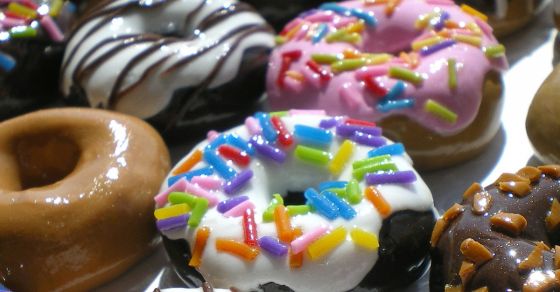
Donuts (doughnuts in UK English), were originally made as a long twist of dough not in the ring form that is most common these days. It was also common in England for donuts to be made in a ball shape and injected with Jam after they were cooked this is still very common. Both methods of cooking involve no human intervention as the ball and twist will turn itself over when the underside is cooked. The ring donut common to America just seemed to appear but one Hansen Gregory, an American, claimed to have invented it in 1847 when he was traveling on a steam boat; he was not satisfied with the texture of the center of the donut so he pressed a hole in the center with the ship's pepper box.
advertisement
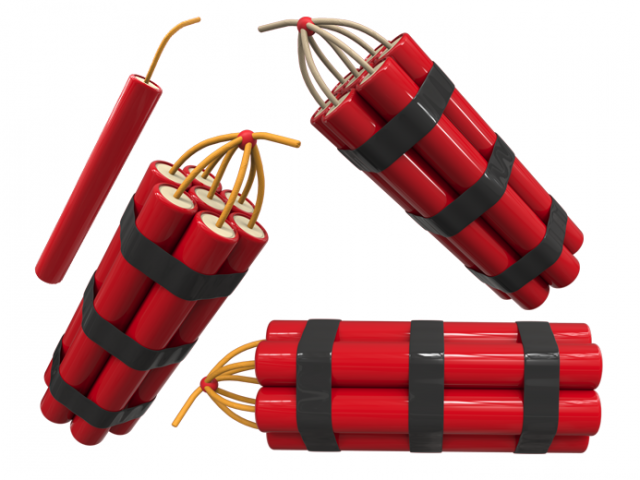
#14 Dynamite is Made with Peanuts
Peanut oil can be processed to produce glycerol, which can be used to make nitroglycerin, one of the constituents of dynamite. However, there are other processes that can be used to make dynamite without using peanuts at all.
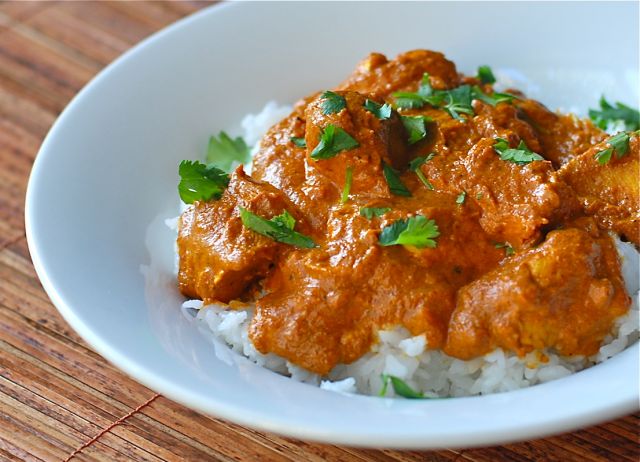
#15 Chicken Tikka Masala is not Indian
It was invented in Glasgow, Scotland. Yes, one of the most loved Indian dishes comes from the home of haggis and hogmanay.
advertisement
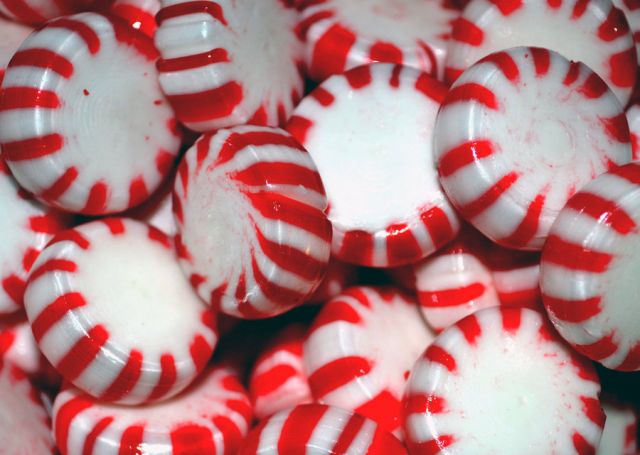
#16 The Peppermint Mystery
Have you ever eaten a peppermint and inhaled at the same time, only to find that your mouth burns? In fact, your mouth is getting cold! Peppermint contains high traces of menthol (making it, and spearmint, the main sources of menthol for other uses) which triggers your mouth's cold receptors. On the opposite side of the scale chili peppers trigger the mouth's hot receptors. If you want to try a weird experiment, chew a chili and a peppermint at the same time.
#17 "Hot" Chocolate
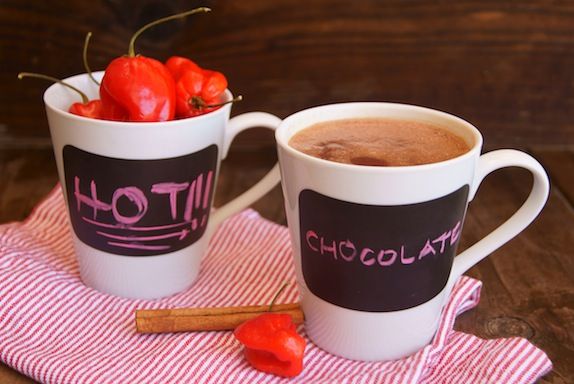
The ancient Mayans made truly hot chocolate they added chilies and corn to it!The first records of chocolate being used for drinking come from residue found in ancient Mayan pots it dates back to the 5th century AD. The drink was made by pounding chocolate beans into a paste which was then mixed with water, chili peppers, cornmeal, and assorted spices. The drink was then poured back and forth between a cup and a pot, which gave it a foamy head. This was drunk cold, and people of all classes drank it regularly. The drink tasted spicy and bitter, unlike today's hot chocolate.
advertisement
#18 Kopi Luwak Comes from Poop
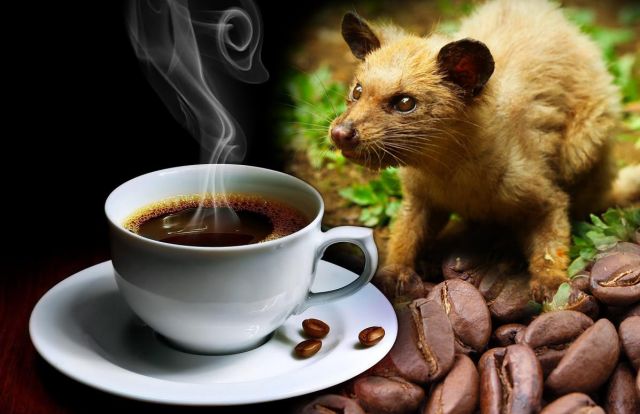
Kopi Luwak are coffee beans that come from Civet (a cat sized mammal) poo. The animals gorge on only the finest ripe berries, and excrete the partially-digested beans, which are then harvested for sale. Kopi Luwak is the most expensive coffee in the world, selling for between $120 and $600 USD per pound, and is sold mainly in Japan and the United States, but it is increasingly becoming available elsewhere.
#19 The FDA Allows Pest in Food
The FDA allows an average of 30 or more insect fragments, and one or more rodent hairs, per 100 grams of peanut butter. I will certainly think twice before buying my next jar.

advertisement
#20 Butter Tea
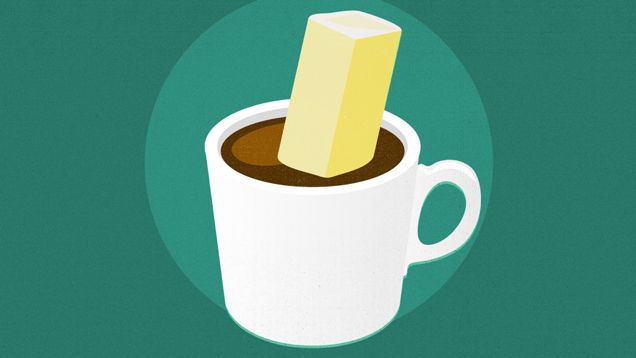
In Tibet, a common drink is butter tea it is made from yak butter, salt, and tea. The average Tibetan can drink 50 60 cups of this tea in any one day!
#21 Lobsters Are Always Red
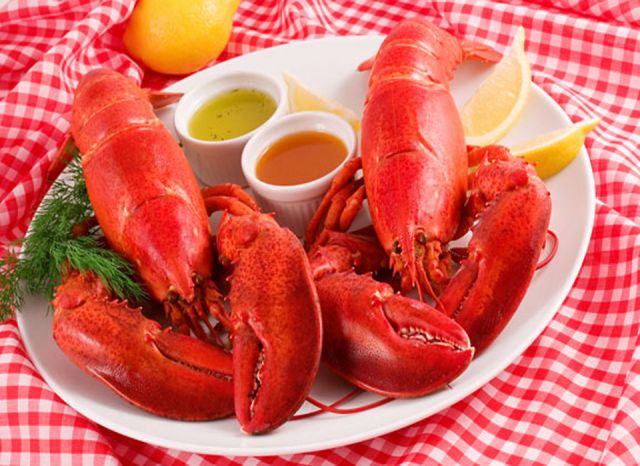
The red pigment (astaxanthinin) the lobster's shell is surrounded by other pigments (the grey and blue), and when those pigments are heated they are destroyed, whereas the red pigments can stand the heat and they remain.
advertisement
#22 Ketchup was Originally a Fish Sauce
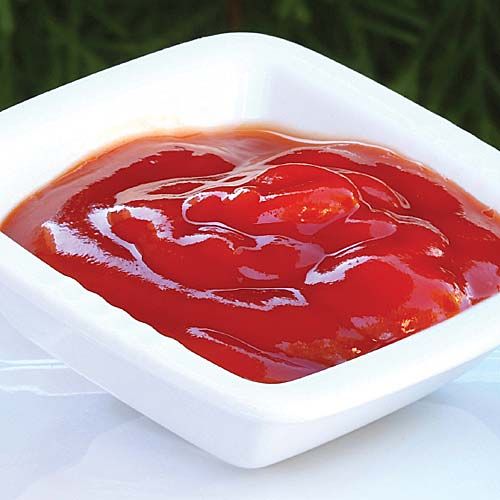
Two words from the Fujian region of China were used to describe a fish brine / sauce and a tomato sauce both words bear a striking resemblance in sound to the word "ketchup"; the words are: ke-tsap and kio-chiap. Early western ketchups were made with fish and spices, or mushrooms. In fact, mushroom ketchup is still available in the United Kingdom and it is prized by some modern chefs for its natural inclusion of monosodium glutamate the only substance known to stimulate the 5th human taste sense umami (savoury).
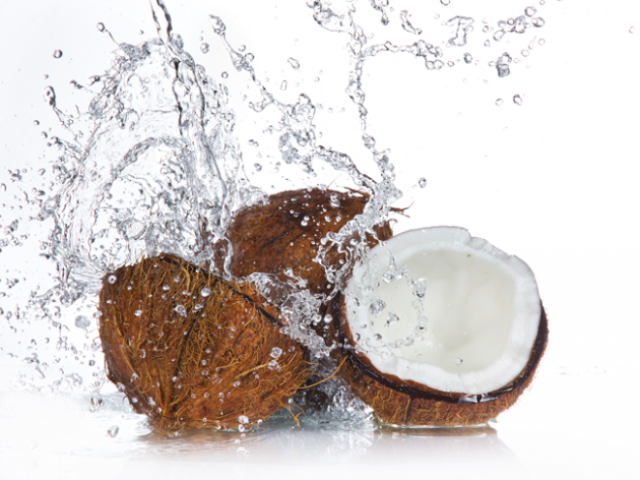
#23 Coconut Water Can be Substituted for Blood Plasma
The reason for this is that coconut water (the water found in coconuts not to be confused with coconut milk, which comes from the flesh of the coconut) is sterile and has an ideal pH level. Coconut water is liquid endosperm it surrounds the embryo and provides nutrition.
advertisement
#24 7-Up Contained Lithium
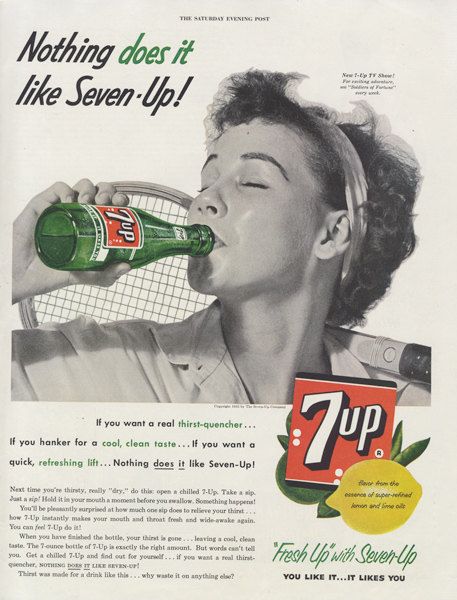
The drink was originally marketed as a hangover cure due to the inclusion of lithium citrate. It was released just a few years before the Wall Street crash of the 1920s and it was marketed under the name "Bib-Label Lithiated Lemon-Lime Soda" quite a mouthful! The name was changed to 7-Up shortly after its release but lithium remained one of the ingredients until 1950. Some popular myths surround the name of the drink but the name is most likely due to the original recipe containing 7 ingredients (with the "up" portion relating to the lithium) or the fact that lithium has an atomic mass of 7.
#25 The Popsicle was Invented by an 11 Year Old
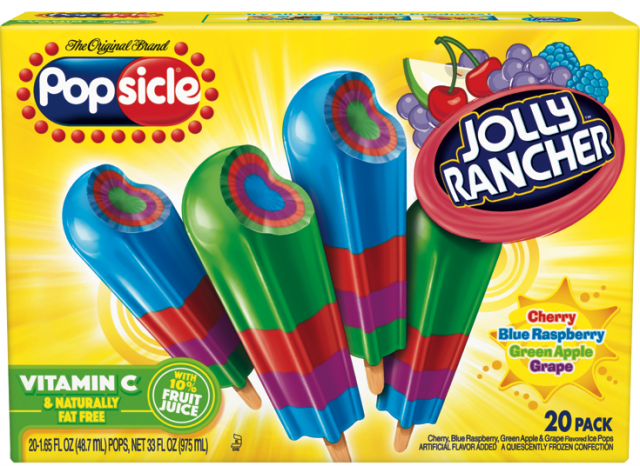
The inventor was Frank Epperson who, in 1905, left a mixture of powdered soda and water out on the porch, which contained a stir stick. That night, temperatures in San Francisco reached record low temperature. When he woke the next morning, he discovered that it had frozen to the stir stick, creating a fruit flavored ice treat that he named the epsicle. 18 years later he patented it and called it the Popsicle.
advertisement
#26 Jelly and Jam Are Different Things
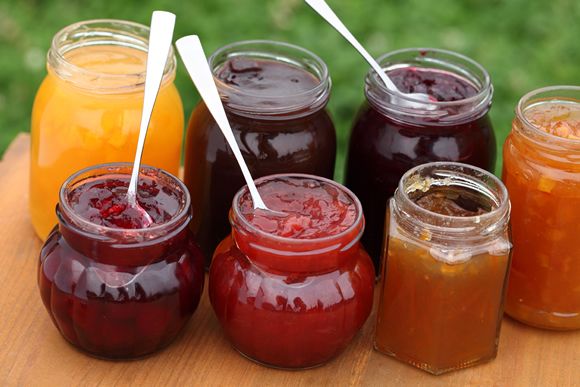
Jam is cooked crushed fruit with sugar, jelly is gelatinized fruit juice with sugar, but it's called Jell-o in the United States. Jelly from the US is jam without the fruit pulp. To make matters more confusing there is also conserve. Conserve is a whole fruit jam made of one or many fruits cooked with sugar.