If you think selfie sticks are new or that the olympic torch dates back to ancient Greece then think again!
30 Inventions That Are Newer or Older Than You Thought
By
Editorial Staff in
Facts
On 10th July 2015
advertisement
#1 Bladeless Fans
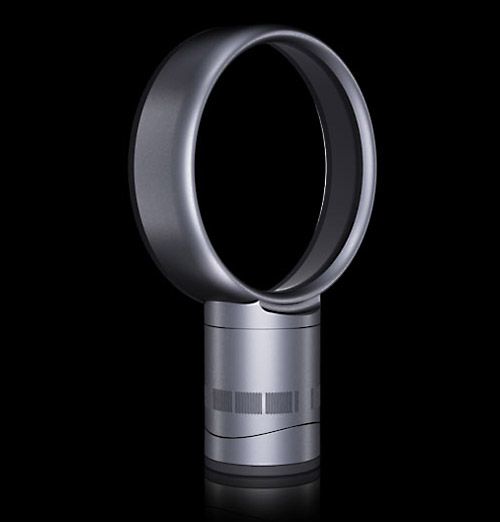
Simply put, bladeless fans are fans without blades. They work by sucking in air at their base and then blowing them out through several holes in their ring. The fan is reported to have been invented by James Dyson, who calls it the "Air Multiplier."
The first bladeless fan was actually patented in 1981 by a Japanese company called Tokyo Shiba Electric. Although Tokyo Shiba's bladeless fan was never manufactured, James Dyson's initial design of a bladeless fan design looked so similar to that of Tokyo Shiba Electric that the patent office refused to grant him a patent. The patent granted to Tokyo Shiba had already expired, but the patent office still required something substantially different before it could grant a new patent to James Dyson. Dyson's patent manager, Gill Smith, did not deny the similarities between both bladeless fans but said the difference between them was the "technology."
#2 Dentures
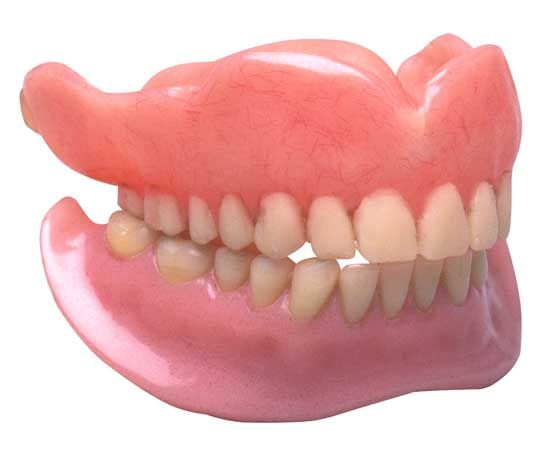
Dentures' long history is not particularly surprising. George Washington, for example, was a famous wearer of dentures (although none of his were made of wood, despite the myth). However, dentures go back much further than that. To the time of the Etruscan civilization, in fact, located in modern Italy between the eighth and fourth centuries B.C.
A lot of evidence suggests that the Etruscans were the first to create false teeth as early as 700 B.C. Ancient skulls have been discovered with gold bands inside them, and in Marzabotto, a skull was found with an artificial tooth still attached using gold wire. Apart from dentures, individual crowns have also been discovered, made for molars and canines.
advertisement
#3 Bushido
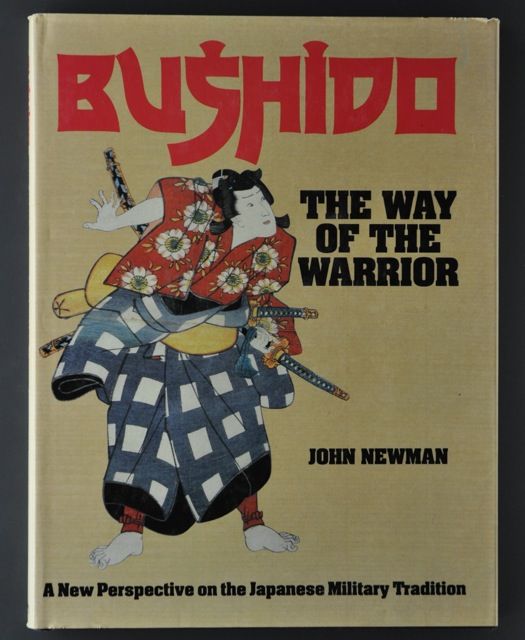
Literally meaning "way of the warrior," bushido is supposed to be the ancient code of the samurai, detailing the principles and moral values by which samurai warriors live their lives. According to the code, a samurai must personify seven virtuesjustice, courage, benevolence, politeness, truthfulness, honor, and loyalty. However, all of this didn't enter into common usage until Nitobe Inazo wrote his book Bushido: The Soul of Japan in 1899. Inazo also popularized the idea of seppukusuicide by disembowelment for a dishonored samurai.
Don't let the book's name fool you. Despite being Japanese, Nitobe wrote the book in English while traveling in America. It then became very popular when it was endorsed by President Teddy Roosevelt, and only then did it get translated and sold in Japan.That's not to say that bushido, both as a word and as a concept, didn't exist before Nitobe's book. Ever since samurais existed, there had been an idea of a code inspired by Buddhism and Confucianism. However, it wasn't thoroughly outlined and didn't include elements that we now firmly associate with the samurai.
As far as the word itself, "bushido" was not used in Japanese literature until the 16th century despite samurais having existed for over 500 years by that point.
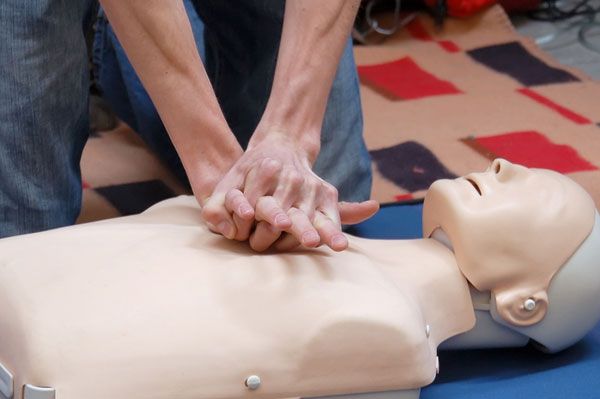
#4 Cardiopulmonary Resuscitation (CPR)
You'd think a technique as valuable and effective as CPR would have been created years ago, but it's been around for less than 60 years.
It wasn't until the 1950s that both mouth-to-mouth ventilation and closed-chest compression were shown to be effective for people going into cardiac arrest. Then, in 1960, Dr. James Elam and Peter Safar come up with the modern CPR technique. Since then, five national medical conferences have been held to update the CPR method based on new information and medical advances.
Certainly, various resuscitative efforts existed before CPR. The first modern organization founded specifically to deal with sudden death was the Society for Recovery of Drowned Persons in Amsterdam in 1767.
advertisement
#5 Kilts
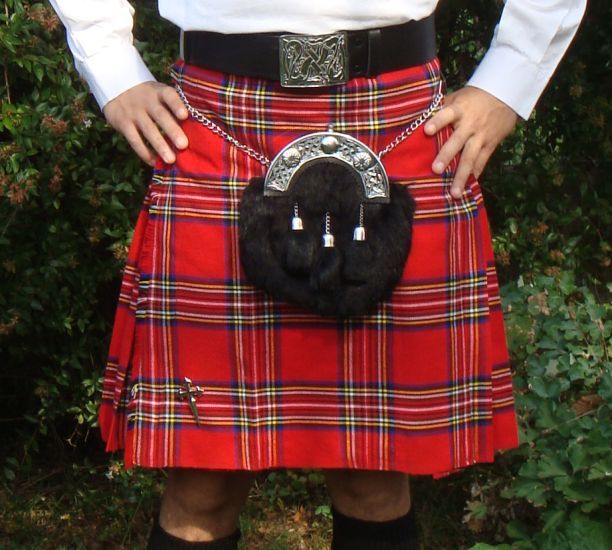
Despite what Braveheart taught us, the kilt didn't appear at all until about 300 years after William Wallace. The version we are familiar with today wasn't around until the 18th century.
The kilt made its first appearance in the 16th century, but it was very different from the modern version. Now referred to as the great kilt, it was a full-body garment that covered both upper and lower halves. The upper half of the kilt could be draped over the shoulder like a cloak or worn over the head like a hood. This was the only type of kilt used for a couple hundred years.
Sometime during the early 18th century, Englishman Thomas Rawlinson decided that the standard kilt was too cumbersome to wear while working, so he came up with the small kilt. It was just the lower half of the great kilt and resembled the kilt we all know today. He went into business with Scottish chief Ian MacDonell, who liked Rawlinson's idea and also started wearing the small kilt. Because they were the head honchos, all of their employees started wearing it as well, and its popularity spread throughout Scotland.
advertisement
#6 Crosswords
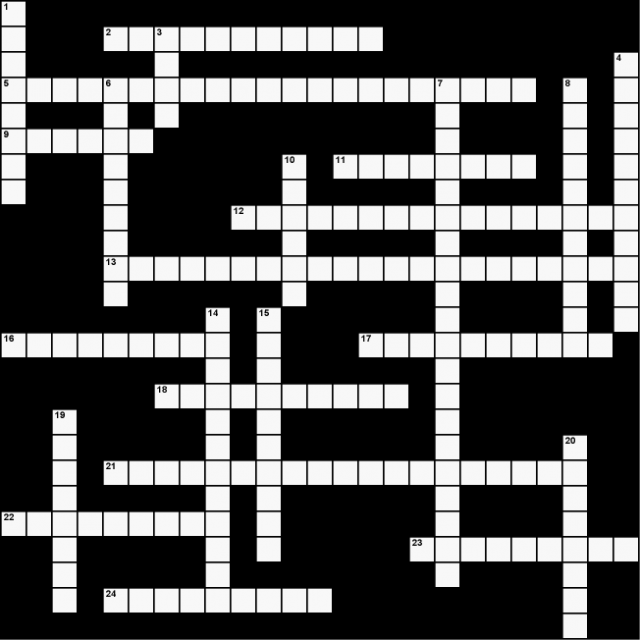
Crosswords are only 100 years old. Arthur Wynne is the man who gets the credit for inventing the crossword puzzle. The Englishman from Liverpool immigrated to the US and became the editor for the newspaper the New York World. He published the first crossword puzzle on December 21, 1913. It took about a decade until other newspapers followed his lead. From then on, though, it wasn't long before the crossword became a standard component to almost every paper.
While Wynne himself was the first to admit that his creation had very old origins, his remains the first official crossword puzzle ever created. He only made it because he had some empty space to fill in his newspaper. He originally called it a word cross. It was only due to a typesetter error that the words got switched around, and we got the crossword.
advertisement
#7 Welfare
Ancient Rome had quite a few programs in place to provide its citizens with subsidized food. At first, this was not an obligation yet was still quite common when either the government or wealthy individuals wanted to gain favor with the public. They would make donations of corn to the people, known as frumentatio. In 123 B.C., however, a tribune by the name of Gaius Gracchus introduced Lex Frumentaria. Through this law, each citizen of Rome was entitled to an amount of wheat each month available at a reasonable price (somewhere around half the market price). This was only available to fathers of families but was not restricted only to poor Romans.
Roman emperors also had various approaches when it came to dealing with the poor. It was not uncommon for emperors back then to give money to each Roman to celebrate a certain event (usually a military victory). One emperor who instituted new welfare programs was Trajan. While he increased the number of citizens who could receive free grain from the state, he also introduced alimenta, a publicly funded institution that benefited poor children.

advertisement
#8 Selfie Sticks
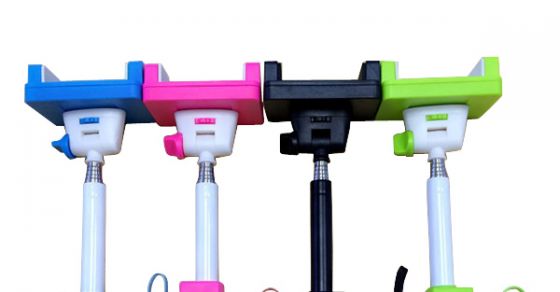
The first selfie stick was invented long before the first handheld mobile device was made. A selfie stick was definitely invented by Hiroshi Ueda in the 1980s. A photographer and worker at the Minolta camera company, Hiroshi made the selfie stick because he and his wife were unable to take pictures of themselves during a trip to Europe. He called it the "extender stick." A small camera was to be attached to one end of the stick. It also had a small mirror in its front so that users could see how they would look in the photograph. He patented the "extender stick" in 1983.
The selfie stick was then reinvented by Wayne Fromm in the year 2000, three years before Hiroshi's patent expired. Fromm called his the "quik pod." He believes he is the inventor of today's selfie sticks and has even sued several other selfie stick producers. When asked about Hiroshi's selfie sticks, he said they were "prior art."

advertisement
#9 The Odometer
The odometer is present in most modern vehicles, used to track travel distance. It has been around since the ancient Greeks. It is not certain who the inventor is. Vitruvius first talks of an ancient odometer in his book, and some believe that the device had been invented previously by Archimedes.
The concept of this early odometer was based around chariots having a standard wheel size. A wheel had to turn 400 times to complete a Roman mile. The axle's pin engaged a 400-tooth cogwheel, itself attached to another gear. When a full revolution completed, the gear released a stone into a box. At the end of the trip, counting the stones determined the distance traveled.
We have no absolute evidence this device was built. However, during his travels, Alexander the Great had specialists called bematists who measured the distances of routes. Their measurements were later recorded by Pliny the Elder in his Natural History, and they are so accurate compared to modern measurements that a mechanical device was almost certainly employed.

advertisement
#10 Newspapers
Ancient Rome and China both had handwritten news sheets presented to the public on a regular basis detailing current events and other important happenings.
In Rome, it was known as Acta Diurna and is considered to be the first daily gazette, even if it wasn't even written on paper (it was carved in stone or metal). At first, it only covered legal proceedings and the results of trials. As its popularity grew, it expanded to also include politics, military campaigns, births, deaths, and executions.
In China, the earliest forms of newspapers were known as tipao (also Di Bao). They were imperial bulletins published during the Tang Dynasty. During the Kaiyuan era, they were replaced with Kaiyuan Za Bao, an official publication handwritten on silk and distributed mostly to imperial officials.

advertisement
#11 Olympic Torch Relay
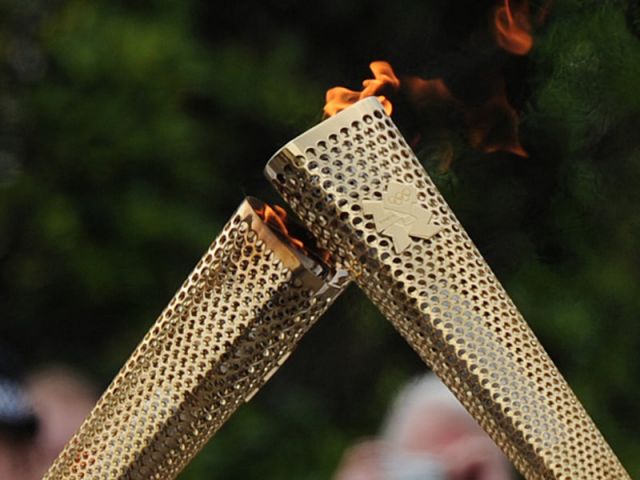
The Olympic flame is the most enduring symbol of the Olympic games. It traces its roots back to ancient Greece, when it supposedly kept burning throughout the duration of the games to commemorate Prometheus stealing fire from the gods for mankind.
Fast-forward to the inception of the modern Olympic games, and the flame was nowhere to be found initially. It wasn't until the 1928 Summer Olympics in Amsterdam that the emblem was brought back. However, something was still missingthe torch relay, in which representatives carry the torch from Greece throughout several countries, passing it from one person to another until it finally reaches the Olympic host. We might think that this has some kind of pagan roots or that it was a tradition during the ancient Olympics, but it didn't exist until it was introduced during the 1936 Olympics in Berlin . . . by the Nazis.
Hitler thought the Olympics would be a great opportunity to show Aryan supremacy to the rest of the world. The torch relay was supposed to add a sense of myth and wonder to the event. It took place over a 12-day period and was even turned into a film named Olympia.
advertisement
#12 Flying Bicycles
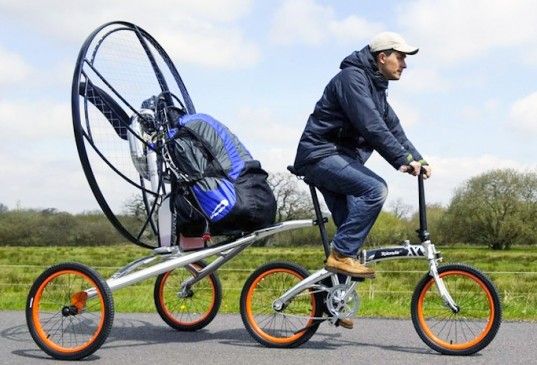
A few years back, a flying bicycle called the "Paravelo" was invented. It is a bicycle, with a large parachute on top, that actually flies. It travels around 15 miles per hour (25 KPH) on land and 25 miles per hour (40 KPH) in the air. It can also fly up to a height of 4,000 feet (1,200 meters).
The world's first flying bicycle flew on November 9, 1961, when Derek Pigott of the University of Southampton flew in a bicycle with an airplane-like body. It was called the Southampton University Man Powered Aircraft (sumpac). Derek furiously pedaled the air-bike to get it off the ground. It then flew about 6 feet above the ground over a distance of 210 feet. While the flight was short and slow, it still does not change the fact that it was the first bicycle to fly and at the same time, the first human-powered flight.
#13 Touchscreens
In 2007, Apple released the first iPhone: a full touchscreen phone, complete with its own virtual keypad. To many, Apple had done something new, something never seen before. They had made the first touchscreen phone.
But this was incorrect: Apple did not make the first touchscreen phone, nor was the touchscreen a new invention. To start with, a year before the first iPhone was released, LG had introduced a full touchscreen phone. Even that was not the first, though. The world's first touchscreen phone was IBM's Simon, which was released in 1992. Touchscreen technology even predates the Simon.
The first touchscreen device was a tablet made by E.A. Johnson in 1965 that was used by air traffic controllers until 1995.

advertisement
#14 Toothbrushes
Early dental techniques were of course a lot more primitive. In fact, the first "toothbrushes" were nothing but sticks with frayed ends that were rubbed against the teeth. While these weren't particularly efficient, they at least gave the user refreshing breath. Such "chew sticks" were found in ancient China, Egypt, and even Babylonia, dating back to 3,000 B.C.
Something similar to a modern toothbrush didn't appear until the 15th century in China. It was made out of bone or bamboo and had natural bristles made out of the hairs of a hog's neck. Also around that time, China started trading with Europe, so the design was brought there before long. However, Europeans found the hog hairs too rigid and preferred to replace them with softer horse hairs.
While the design of the toothbrush would be updated from time to time, it really didn't turn into the modern brush we know today until the beginning of the 20th century, when Wallace Carothers invented nylon for DuPont. Up until that point animal hairs kept being used for the bristles.

#15 Ouija Boards
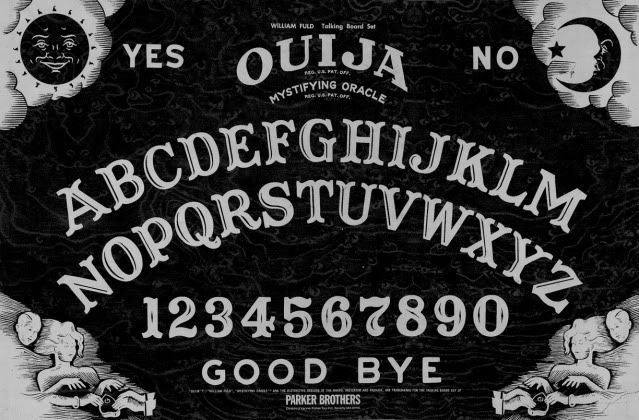
We might regard it as some kind of ancient mystical device, but actually, it is so non-ancient that it's still under trademark by Hasbro. It was created in 1892 by designer Elijah Bond, who sold it to William Fuld in 1901. Now regarded as the "father of Ouija," Fuld popularized the game and promoted it as a novelty. He sold the patent in 1966 to Parker Brothers. So the Ouija board is wholly owned by the same people who make Monopoly, Risk, and Trivial Pursuit.
Despite being a trademark, "Ouija" is used nowadays to refer to any kind of talking board or planchette that uses automatic writing. It's also been firmly associated with devil worship or spirituality, despite Hasbro's insistence that it's just a board game. The automatic writing is simply done by the ideomotor effectpeople moving the indicator unconsciously.
Part of the blame goes to Pearl Curran, a popular 20th-century spiritualist who began using the Ouija board as a tool for divination. However, the satanic reputation of the Ouija board was firmly established once it was featured prominently in The Exorcist.
advertisement
#16 Head-Mounted Computer Displays
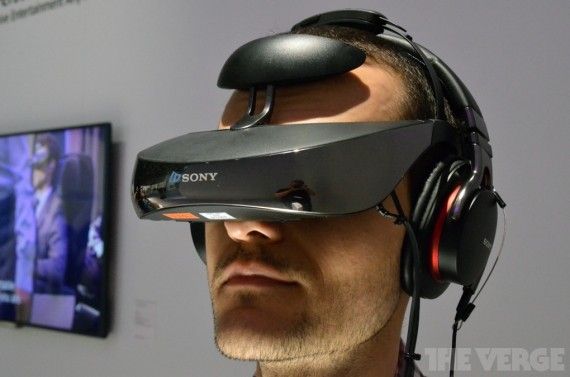
In 2012, Google introduced Google Glass, a computer you can wear on your face. Someone wearing the glasses can be walking down the street or doing any everyday task while simultaneously seeing an overlay of calendar appointments, messages, and subway alerts. They can make video calls and even upload live videos to the Internet while on the move, without ever needing to use their hands.
In 1968, Ivan Sutherland made the "Sword of Damocles." It was the first head-mounted computer display and an early variant of all wearable computer glasses we have today.
#17 High Heeled Shoes
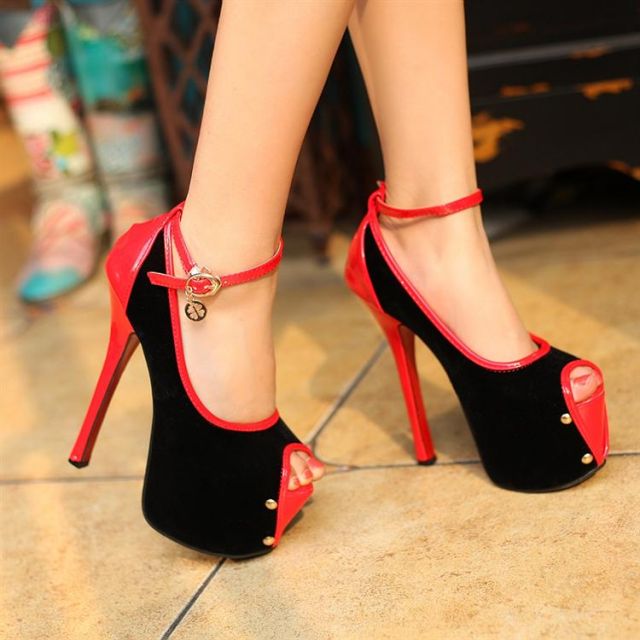
We consider high heels a modern accessory used exclusively by women to enhance their beauty and create the illusion of long, slender legs. However, as popular as they might be today, they are definitely not modern. High heels date all the way back to the ninth century, when they were worn by men.
Ancient Persian ceramic bowls from over 1,000 years ago depict men wearing high-heeled shoes. Back then, the heels had a practical purpose rather than a cosmetic one. The men in question were archers, and the high heels allowed them to secure their feet in stirrups when shooting from horseback. The heels remained in use for centuries, allowing Persia to assemble the fiercest archers on the planet. Eventually, Persian culture spread to Europe.
By the 17th century, high heels became all the rage over there as well. Again, men wore them, but this time, it was the aristocracy, not the soldiers. The shoes were status symbols. They were completely impracticalthe higher the heel, the better. An impractical (and often uncomfortable) wardrobe was constantly used by the European elite to signify privilege. The heels were also dyed red because red dye was an expensive luxury item.
advertisement
#18 Autonomous Cars
Google's driverless cars have traveled over 300,000 miles with only two accidents, both of which were caused by humans. But self-driving cars aren't new. In fact, their concepts have arguably been around since the days of Leonardo da Vinci, who invented a spring-powered cart with a programmable steering device.
The world's first autonomous vehicle was made by S. Tsugawa and several of his colleagues at Japan's Tsukuba Mechanical Engineering Laboratory. However, German engineer Ernst Dickinson is regarded as the pioneer of the autonomous car. In 1987, he developed the VaMoRs which was capable of traveling more than 55 mph for about 12 miles.
Seven years later, he made the VaMP, which could recognize road signs, know its own position in a lane, detect other vehicles, and even decide when to change lanes. A year after that, he and his team made another autonomous vehicle which traveled from Germany to Denmark. The vehicle had a maximum speed of 111 mph and was controlled by a human for about 5 percent of the journey.

#19 Jetpacks
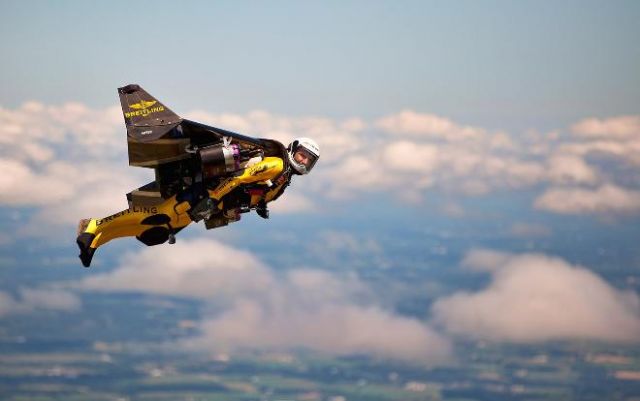
In 2010, the Martin Aircraft Company introduced a jetpack it called "the world's first practical jetpack." The jetpack even won a spot in Time‘s Top 50 Inventions of 2010.
While its development has been on since 1981, the world's first jetpack is known to have flown in 1958. It was designed by Wendell Moore, a researcher at Bells Aerosystems. Early prototypes of Wendell's jetpack could reach a height of 5 meters (16 ft) and remain airborne for three minutes. This attracted the attention of the US Army, which funded the project with $150,000. Several test flights were later done for the US Army and even for JFK himself. The army later stopped paying for more research into the project because the flight time and distance were not convincing enough.
advertisement
#20 Drones
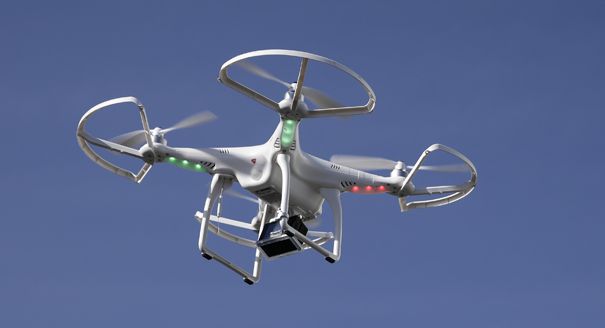
The first drone can be traced back to 1916 when British inventor Archibald Low designed and flew the first unmanned radio-controlled vehicle. The drone was made to counterattack German Zeppelin airships, and it also carried out ground attacks during World War I. It was made with wood and tin, its wings taken from the lower wing of another biplane. Overall, the drone was somewhat unsuccessful because the noise from its engine interfered with its radio.
#21 Wheel Skates
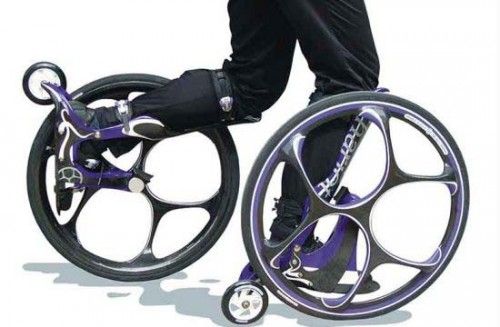
Wheel skates look somewhat like regular inline skates, except that the wheels are much larger, up to the size of bicycle tires. They are seen as a cross between an inline skate, a ski, and a bike.
Recently, a company called Chariot Skates said they had come up with something uniquethe Chariot wheel skates. According to the company, wheel skates are "revolutionary new skating product[s]."
The first wheel skate was made more than 142 years ago. It even featured in the March 19, 1870, issue of Scientific American magazine. Made by Thomas Luders from Olney, Illinois, and called a "pedespeed," the wheels then were much smaller, measuring around 15 inches in diameter.
advertisement
#22 Chewing Gum
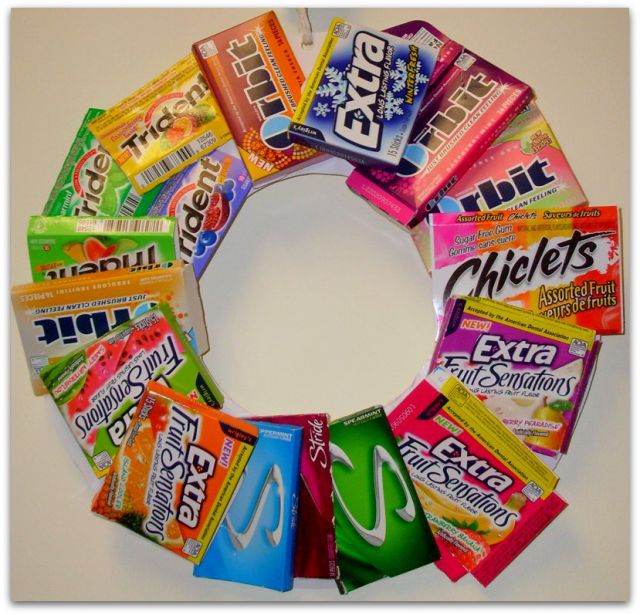
In one form or another, chewing gum has existed for a really long timesomewhere around 5,000 years, in fact. The oldest known chewing gum was discovered on a dig in Finland, and it dates back to the Neolithic age. It was a lump made out of birch bark tar, but it had clear tooth imprints in it. Even back then, chewing gum had a medical benefit. The birch bark contained phenols with antiseptic properties, so the chewing gum was likely used to treat gum infections.
#23 Roller Skates
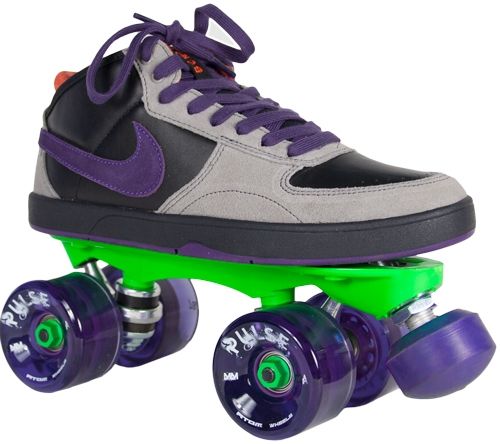
The first record of something we would call a pair of roller skates dates back to the 18th century. A Belgian inventor, John Joseph Merlin, created inline skates in the 1760s. They were ice skates with wheels instead of blades. He wanted to show off his new creations in style, and he wore them at a masquerade ball in the city of Huys, Belgium. However, the story goes that he couldn't stop and crashed full-speed into a giant mirror.
The first inventor to patent a roller skate design was Frenchman M. Petitbled. His creation looked more like wooden sandals with three wheels attached to the sole. Like Merlin's invention, the problem with the Petitbled skate was that it was incredibly difficult to turn, stop, or do practically anything other than go forward.
It wasn't until James Leonard Plimpton invented the precursor to modern roller skates in 1863 that the concept really took off. His design with two pairs of wheels was the first of its kind and was a lot safer and easier to use. Plimpton then turned the office of his furniture business into a skating floor and later founded the New York Roller Skating Association to promote the sport.
advertisement
#24 Chastity Belts
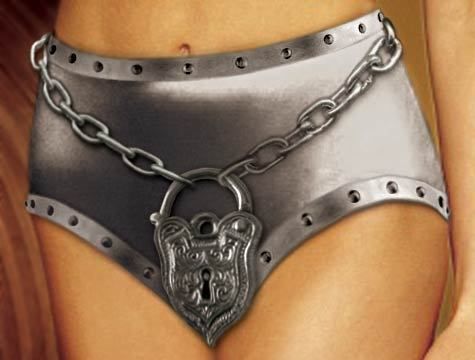
According to myth, chastity belts date all the way back to the Crusades. Knights who left to fight would make their ladies wear them to ensure their faithfulness. The myth itself is only a few centuries old, as are most chastity belts.
Although they are occasionally touted as medieval devices, chastity belts are forgeries from the 18th and 19th centuries built as curiosities to shock and intrigue. Some references to such devices date back further, but they are all anecdotal evidence. We have nothing to suggest that chastity belts were actually built at the time, let alone used.The purpose of chastity belts isn't well established either.
When the term was used during the 16th century in Renaissance poetry, it was intended merely as a metaphor for purity and fidelity, not as an actual physical device. Even so, this probably inspired the construction of genuine chastity belts later on during the 19th century, but they were intended as anti-masturbatory devices for children. Later on, versions for women were built, supposedly to prevent sexual abuse by men in the workplace. Nowadays, modern chastity belts are reserved almost strictly for BDSM.
#25 Iron Maidens
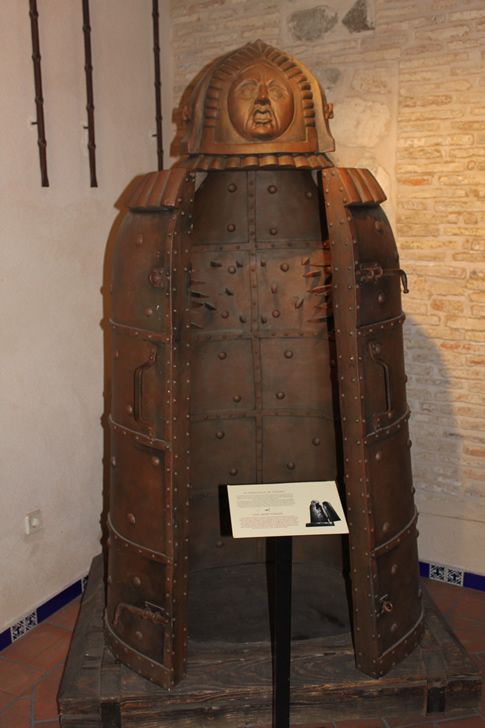
No evidence suggests iron maidens existed during the Middle Ages. Some historians credit the creation of the iron maiden to 18th-century German philosopher Johann Philipp Siebenkees, who wrote of a 16th-century man executed using this ghastly method. However, those same historians consider Siebenkees's tale a hoax or some kind of philosophical statement, not a true historical account.
advertisement
#26 Tarot Cards
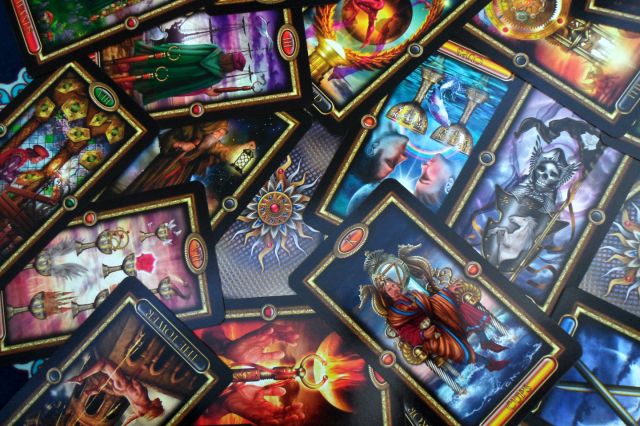
Tarot cards are another allegedly ancient form of mysticism. To be fair, tarot cards are fairly oldfrom the 15th centuryalthough they are still not as old as regular playing cards. What is new about them is the spiritual component used for divination. Originally, a tarot deck was simply a regular deck with 22 additional trump cards known as trionfi, used to create new games called carte da trionfi.
The idea of using tarot cards for divination didn't come until hundreds of years later, and there are several Frenchmen who are responsible. First, Pastor Antoine Court de Gebelin. He published a nine-volume work titled The Primeval World in the 1770s, linking symbols used for tarot cards (just the symbols, not the cards themselves) with symbols of ancient Egypt. A contemporary of his, Jean-Baptiste Alliette, worked as an occultist under the stage name Etteilla and used tarot cards for divination. He also created a special deck called The Book of Thoth, which became the first tarot deck specifically intended for divination.
#27 Black Belts
There are plenty of martial arts with ancient origins. There are also many customs and elements of martial arts that have been around for a long time. However, the most iconic aspect of any martial art, the black belt, is not one of them.
The belt has only been around for 100 years or so, being invented by the creator of Judo, Kano Jigoro, in the 1880s. At the same time, he also created the Judo ranking system with dan levels for advanced students, and he used colored belts called obis to denote their skill. Before this, fighters were generally awarded scrolls or certificates to attest to their achievements. His system proved very popular, which is why it is implemented by most modern martial arts today.

advertisement
#28 E-cigarettes
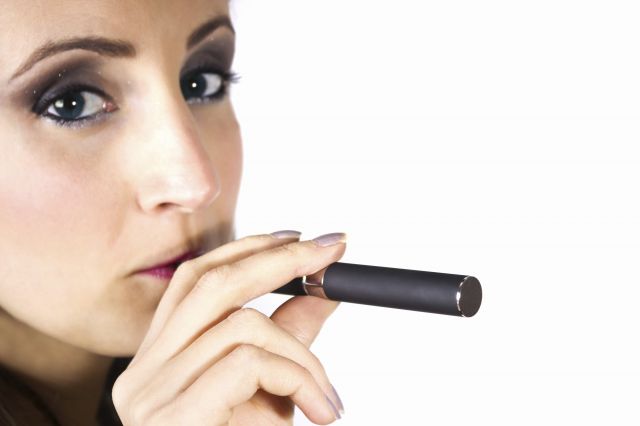
E-cigarettes first started becoming popular in 2012. Their invention is usually credited to Chinese pharmacist Hon Lik.
The fact is, Hon Lik is not the first person to invent the e-cigarette. Way back in 1963, Herbert Gilbert made the world's first device that could be used to inhale tobacco-flavored air. In Gilbert's original version, there was no form of combustion and it was free of nicotine. He later designed a prototype that used a battery to create heat. He also used different flavors of water to create steam. He presented his prototypes to different chemical, pharmaceutical, and tobacco companies, but they simply turned down his prototypes.
#29 The Seismometer
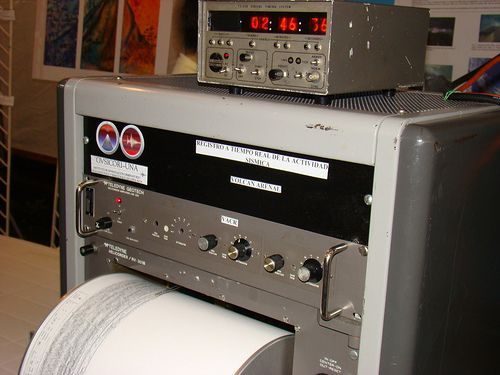
The invention known as Houfeng Didong Yi ("instrument for inquiring into the wind and the shaking of the earth") was created in A.D. 132. It was later described in the History of the Later Han Dynasty as a giant bronze vessel. It had eight contact points in the form of bronze dragons with balls in their mouths on the outside of the vessel and a bronze column inside. When an earthquake approached, the column shifted in a particular direction, and a lever made that dragon drop the ball, thus revealing the quake's direction.
advertisement
#30 Rap Battles
Rappers in early 1980s New York might get most of the credit for this type of lyrical performance, but the practice is actually much older and comes from Scotland.
It is called flyting and it was practiced by makaris (Scottish poets) during the 15th and 16th centuries. In this contest, two poets would engage in an exchange of verbal abuse, oftentimes in verse, and the winner was usually decided by the audience. The winner would then enjoy a large cup of mead or beer and more often than not would invite the loser to drink as well.
At one point, flyting was so popular in Scotland that the obscenities and vulgarities were overlooked, though they were otherwise not permitted in public. Flytes would usually take place in large rooms like feasting halls, but the most skilled poets would engage in flyting at the royal courts. King James IV was known to be a big fan of flyting, as well as James V.
Unfortunately, not many flytes from those times have survived. The most memorable one took place at the aforementioned court of James IV. It is known as "The Flyting of Dunbar and Kennedy" and took place between Walter Kennedy and William Dunbar.