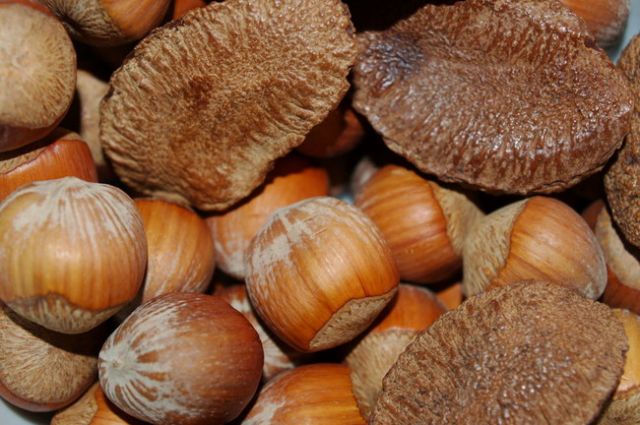
#1 Brazil nuts
Nuts are chock full of protein, but Brazil nuts can also be chock full of radium. Since the nuts are found on deeply rooted trees, they often contain larger amounts of radium.
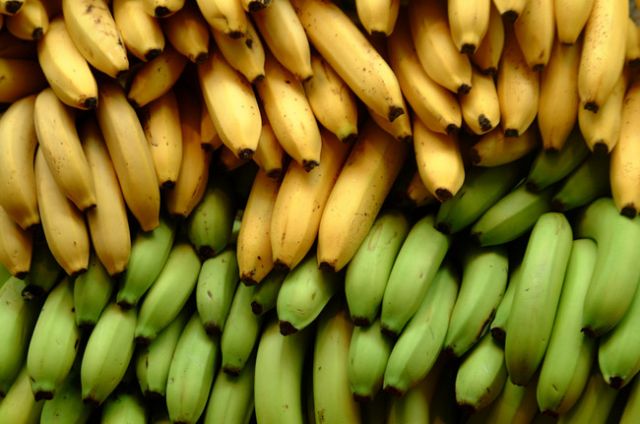
#2 Bananas
Bananas are an excellent source of potassium. They're also an excellent source of potassium-40, a radioactive isotope. Eating a banana exposes you to a tiny amount of radiation. The radioactive material is absorbed by the tree from the soil and is then passed to the fruit.
#3 You
We contain many different isotopes of radiation that end up in our bodies from just living life. For example, we hold on to potassium-40 from bananas and other food items. And since we're carbon-based life forms, we also have a decent amount of carbon-14 in our systems.

#4 Smoke detectors
Americium-241 is the isotope responsible for detecting smoke in your home. Unless you're actively trying to remove this isotope from the device, you shouldn't worry about a little radiation here (especially since it could save you in the event of a fire).

#5 Granite countertops
Your lovely countertops actually contain uranium, thorium, and radon. Radon is a deadly gas, but the granite's composition prevents it from causing any health issues.

#6 Cigarettes
This seems like a no-brainer, right? Well, think about it for a second. If nuts and bananas absorb radioactive elements, what stops the tobacco plant from doing the same? Nothing, sadly. You'll find things like lead, radium, and polonium in modern tobacco crops. This is all thanks to the fertilizers and other products used to keep them in shape. Ew.

#7 Vintage dishware
Before the mid-20th century, manufacturing was kind of a free-for-all. You could throw pretty much whatever you wanted into a product without considering its harmful effects. A lot of this was due to a lack of knowledge, so products like your grandmother's old collection of dishes could contain large amounts of potassium-40, uranium, and other nasties. Dig in!