

A woman's first period is known as menarche. Researchers have found a link between the age of the first period and health problems. The exact connection, however, is still not known.
7 Surprising Things Your First Period Says About Your Health
By
Editorial Staff in
Health and Fitness
On 23rd January 2017
advertisement
#1 Heart Disease
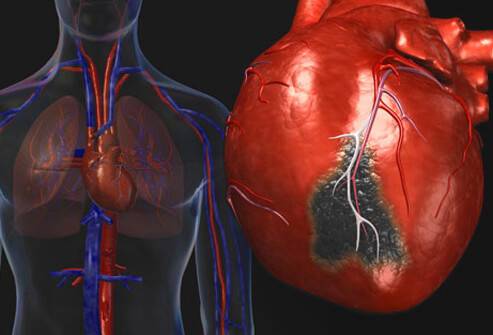
Those who started menstruating at age 13 had the lowest risk for heart disease, stroke and high blood pressure. (Here are 13 ways to lower blood pressure naturally.) Conversely, those who began at age 10 or younger (or 17 and older) had the highest risk, specifically 27 percent more for heart disease, 20 percent for high blood pressure, and 16 percent for stroke.
#2 Type 2 Diabetes
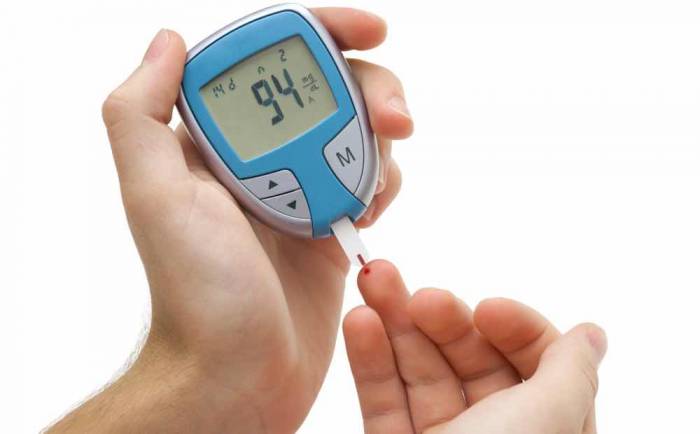
Women who got their first period before age 12 have a significantly greater risk of type 2 diabetes than those who got it later in life, according to a survey of about 4,600 middle-aged women published in Diabetic Medicine. "The early menarche increased diabetes by increasing insulin resistance," says study author Jung Sub Lim, MD, PhD.
advertisement
#3 Preeclampsia
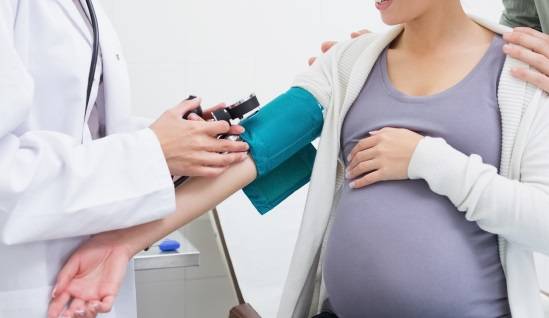
This condition is marked by high blood pressure and protein in the urine during pregnancy. It then becomes a risk factor for stroke afterward. If your first period arrived before age 12, your odds of developing this life threatening condition while pregnant is about 28% greater than if menstruation started later.
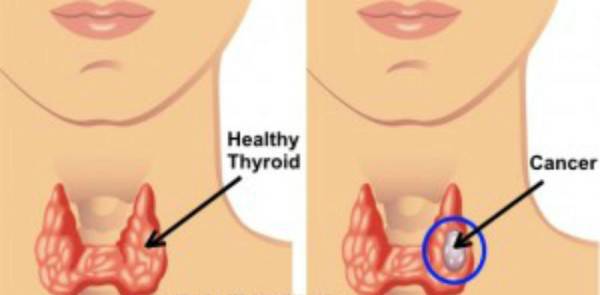
#4 Thyroid Cancer
French researchers interviewed about 600 young women who were diagnosed with thyroid cancer before age 35, in addition to about 600 healthy women. Those with an early first period had a higher risk of the disease.
advertisement
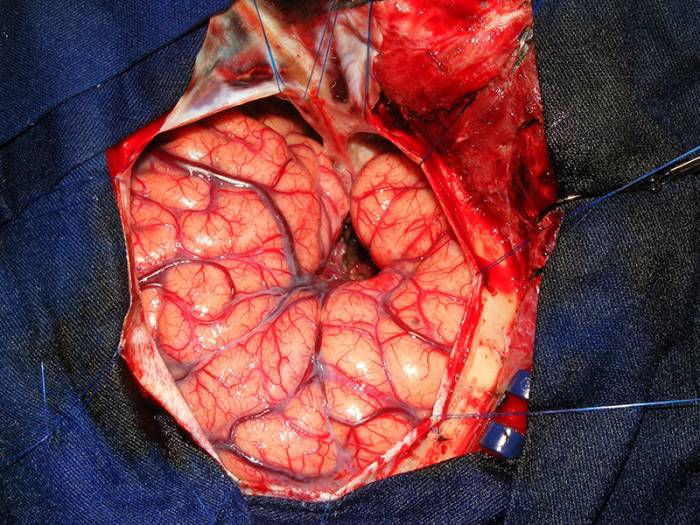
#5 Brain Tumor
Chinese researchers examined many different reproductive factors and how they contribute to brain tumor risk. One of their most striking findings was that women who didn't start menstruating until age 17 or later had an elevated risk of developing brain tumors.
advertisement
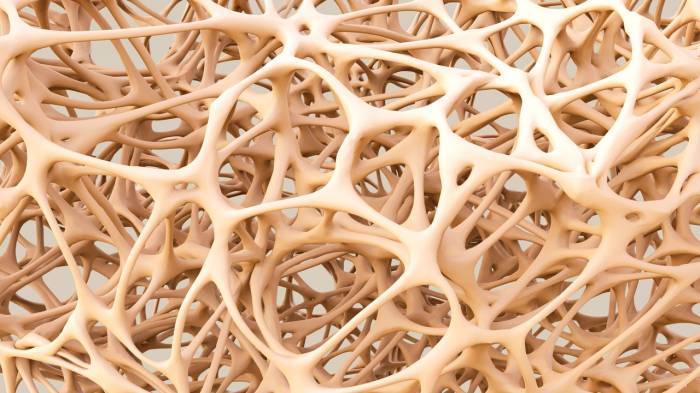
#6 Bone Density
Surveys of pre- and post-menopausal women reveal that a first period arriving at age 17 or older correlates with lower bone mineral mass and a higher risk of fracture from osteoporosis.
advertisement
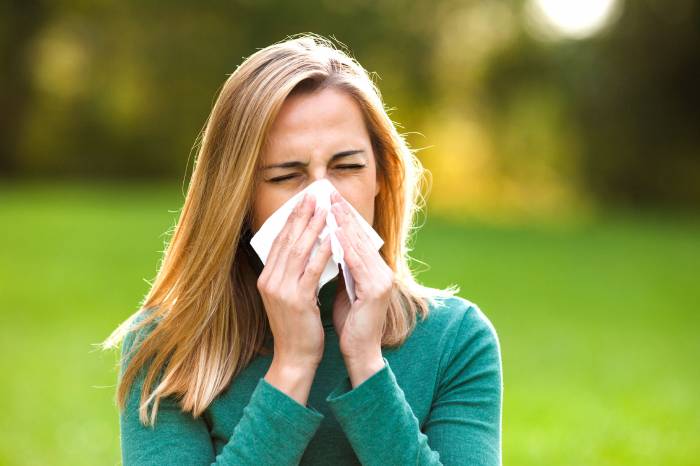
#7 Allergies
Researchers have found a link between early puberty and eczema, asthma, and rhinoconjunctivitis, especially among African-Americans and Hispanics. But so far it hasn't been determined whether it's early puberty that triggers these allergies, or vice versa.
If the arrival of your first period puts you at risk for one or more of these conditions, don't make the mistake of thinking your health is pre-determined.