Being politically correct has taken a new meaning, especially when it comes to teaching our children in school. Educators are afraid to offend anyone, and parents are eager to jump on anything that they feel goes against their political, social, or religious beliefs. Because of this, some schools are going just a bit overboard in an attempt to make everyone happy, causing the rights of most children to be affected.
advertisement
#1 Best Friends Forever
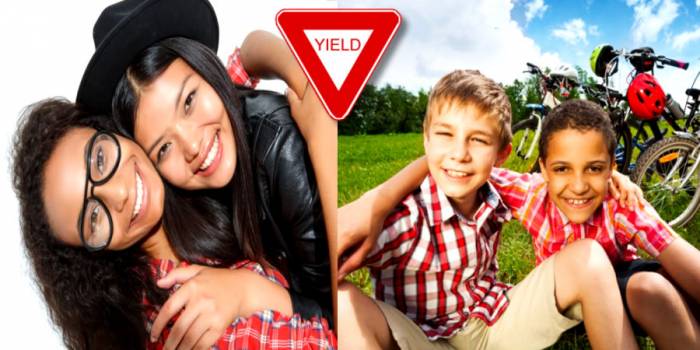
Schools in the UK have been recently discouraging students from announcing that they have "BFF's" or best friends forever. They believe that it will make the children 'sad' if indeed, they are not friends forever. While they have the support of child psychologists, who claim it is disheartening to know they don't have a best friend, the schools have taken it a step further and discouraged children from touching one another, hugging, discussing sensitive topics, and spending playtime with one particular friend each day. They say that every child should play together and it can be very traumatic when besties break up as friends.
#2 Glasses In Photos
After an entire school decided to pass along a pair of black plastic glasses so that every kid had the same pair on for their yearbook photos, officials got very angry when parents complained after the photos arrived in the mail. In an effort to avoid all yearbook photo shenanigans, they banned students from wearing any glasses in any official school photographs. The school's administration saw the hundreds of photos of bespectacled students as disrespectful and banned the publication of the yearbook, also upsetting parents.
advertisement
#3 Pepsi Apparel
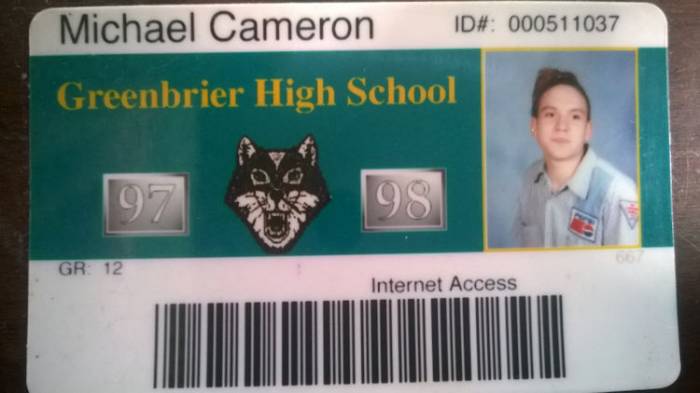
Coke is made in Atlanta, so when a Georgia school was having a promotional day sponsored by and advertising the Coca-Cola Company, they were a little peeved when one student showed up wearing a Pepsi shirt to class. The student sporting a PepsiCo shirt was instantly suspended for allegedly embarrassing the school who invited Coca-Cola executives to their ‘Coke Day'. Teachers were also horrified when the student ruined his identification photo as well by shamelessly promoting the Pepsi soda brand. Upon learning of the students trendsetting choice in clothing, Pepsi sent the student other clothing items and memorabilia featuring the Pepsi brand name.
#4 Triangle Flapjacks
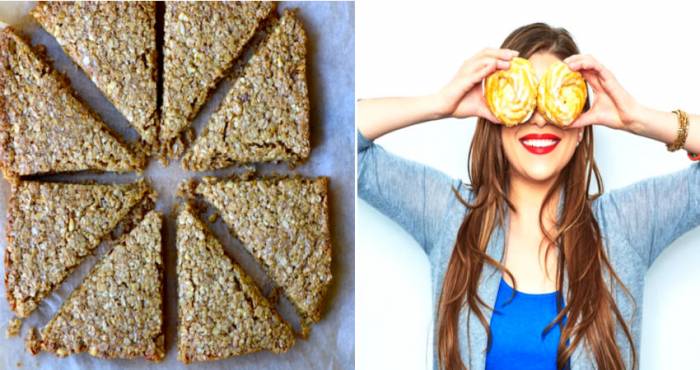
When a student in Essex, England chugged a triangle shaped pastry at a fellow student and bruised that child's eye, the school did the most natural thing in response. They banned triangular shaped foods. After the young man threw a four-inch baked treat to his friend's eyeball, the principal cracked down on kitchen staff, demanding that any future flapjacks should only be baked in circles or not at all. That meant a ban on nacho chips, pizza, and flapjacks. The kitchen staff, who had been baking the dangerous assault cakes for fifteen years suggested maybe the problem is less in the kitchen and more in the reckless behavior of their students. The ban still holds.
advertisement
#5 Red Ink
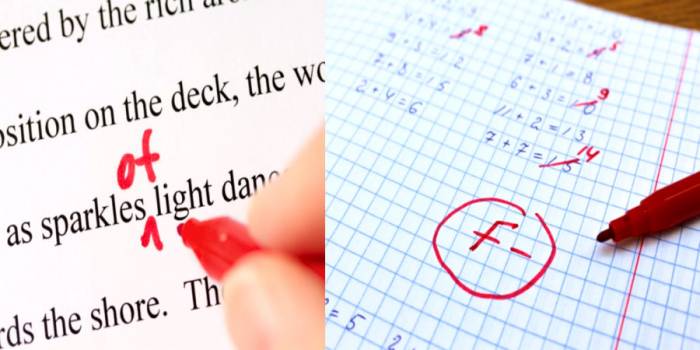
Teachers in Queensland, Austrailia are not allowed to use red ink when grading homework or tests, and the color is forbidden in the classroom period. Teachers were told that using the red ink could damage the children psychologically because it is apparently too confrontational and demotivating for some pupils as well as 'threatening'. The teachers are being asked to use more soothing colors like blue, pink, or even green when grading papers. Unfortunately, an ‘F' is still an ‘F' whether it's written in red, purple, or in giant glittery sparkles in comic sans.
advertisement
#6 Ponytails
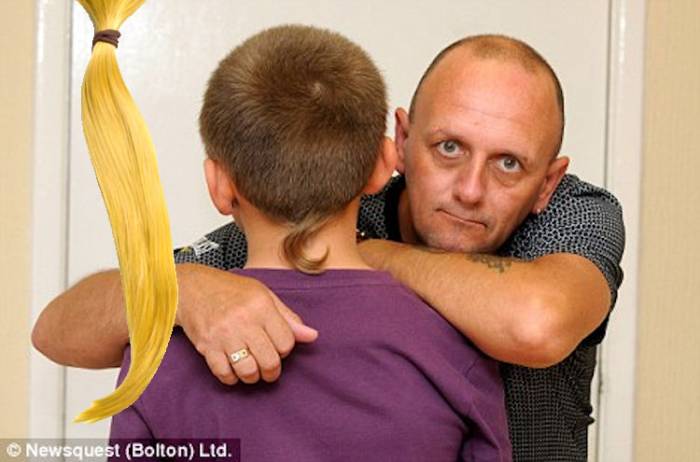
A school in Bolton, England decided that one boy's long hair was too radical for the classroom. Geoff Wallwork quickly removed his son from the Westhoughton High in Bolton when he was told that it breaches their strict uniform code. Wallwork alleges that the school only made the decision to tighten their uniform dress code when his eleven-year-old son wore a ponytail to school. They told the father that his son would need to be separated in a special classroom by himself until his hair was cut off to fit the uniform codes, so he took his child out of the school and sued the education system. The boy's father claimed the discriminating policy was an infringement of his human rights. The right for every person to have an edgy haircut.
advertisement
#7 High Fives
To try and stop bullying, children in London are discouraged from any sort of physical contact with one another. This includes a pat on the back, handshakes, hugs, and even high-fives. Understandably, bullying is at an all-time high in schools worldwide, and in the UK the rate is almost double the average. A young girl was even given detention for cuddling another consenting female student. The principal suggested that banning kids from being near each other helps to eliminate poor behaviour and bullying. But experts argue that keeping students by themselves is also dangerous. Still, Bullies can be pretty relentless with their vicious hugs and dangerous handshakes.
advertisement
#8 Laughing Out Loud
A school in Atlanta Georgia has grown weary of all the double talk, emoticons, acronyms, and text-based smileys. In an effort to curb the 'lingo' being used by students, they have banned using trendy Internet acronyms in their yearbook or on any school related materials. The administration sent out a pledge and required all students to read and sign it, promising not to use and smiley faces, emoticons or LOL's. However, when parents got the DL on the ban they promptly asked WTF and made the school officials revoke their pledge with an OMG and a happy faced apology.
advertisement
#9 Emotions
Taking political correctness to a whole new level, New York schools decided they were not going to be charged with offending ANYONE in 2013. The school system in NY City decided it would just ban the use of dozens of words. They no longer allowed textbooks or programs to mention things like ‘dinosaurs', ‘birthdays', ‘poverty' and ‘disease'. The department responsible for the curriculum agreed that the decision to omit any words that may be considered sensitive topics, says that they don't want kids losing their minds if they see certain words that they may believe are offensive. If that sounds like double-speak, it is. Basically, they didn't want creationists to see the word dinosaur, and poor kids might get hurt if they saw the word poverty in print. Even the words ‘slavery' and ‘terrorism' are excluded because God forbid children should be aware of things happening in the real world.