9 Positive Health Changes When You Give Up Soft Drinks
Drinking sugary soft drinks is an unhealthy habit. With the passage of time, it causes a very negative impact on your body. However, despite what hundreds of warnings have said about drinking soda, millions of people still prefer it over water and natural drinks. This appears to be due to its high amount of refined sugars. When your body digests it, it causes an addiction. Besides, some kinds have caffeine and chemical additives. These make it almost impossible to give them up. However, it’s important to know that drinking them affects your health. Plus, even though you don’t notice it at first, it’s a strong influence in the main metabolic disorders. Because of this, in the following article, bellow are interesting positive changes that you can experience with the simple act of avoiding these kinds of drinks.
Discover them!
#1 You'll be less hungry
Despite what Coke says, their flagship product, made with High Fructose Corn Syrup, will cause weight gain—one can has the calorie equivalent of a pack of Sour Patch Kids, but with 10 more grams of sugar! Diet soda packs on the pounds as well—it’s just more passive-aggressive about it. It also makes you crave more sweets. Artificial sweeteners affect our sense of satiety. Our bodies have evolutionarily developed to expect a large amount of calories when we take in something exceedingly sweet, and those artificial sweeteners are from 400 times to 8,000 times sweeter than sugar. That causes a couple things to happen. The muscles in your stomach relax so you can take in food, and hormones are released. With artificial sweeteners, your body says, ‘Wait a minute, you told me you were going to give me all this high-calorie food.’ It can actually send some people searching for more food, out of lack of satisfaction.
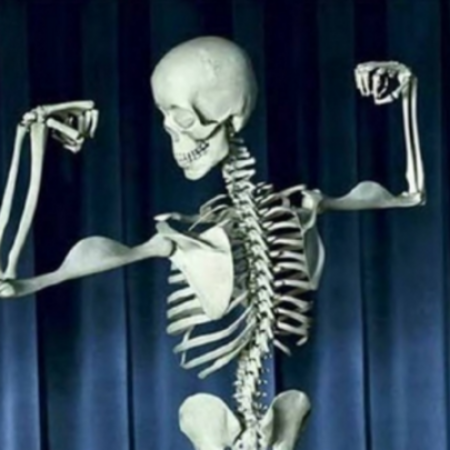
#2 You’ll prevent bone problems
Putting down the soda may be the best way to improve your bone strength and reduce your risk of fractures. One 2014 study found that each daily soda increased the chance of hip fracture by 14% for postmenopausal women. And another found that older women who drank cola had lower bone mineral density in their hips. The jury is still out on why soda has this effect, but the science pretty clearly suggests that a soda habit weakens your bones.
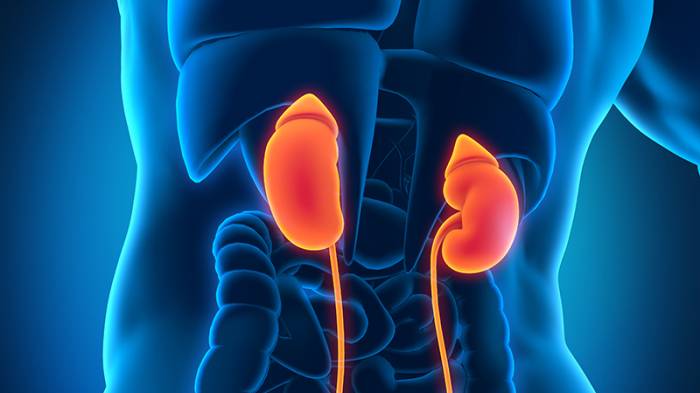
#3 Your kidneys will be in better shape
Studies have indicated that drinking soda increases your risk of kidney disease that leads to the failure of your kidneys all together. Diet sodas do nothing to help your kidneys too. In fact, one study showed that women who drank diet soda every day had decreased liver function.
#4 You'll get more shut eye
Soda and other sugar-sweetened beverages like energy drinks and fruit juices have an effect on every part of your body, especially the brain. Under normal circumstances, our bodies are well-oiled machines. Our body naturally releases chemicals to remind us we need to eat, sleep, poop, and procreate. But soda inhibits one of those important reminders — we need sleep. A key ingredient in soda is caffeine. Caffeine is a stimulant, which many of us love because it keeps us awake during those 2-hour staff meetings. But that Diet Coke you had during that meeting could be keeping you up at night. According to the National Sleep Foundation, moderate caffeine usage can cause insomnia and sleep disturbances.
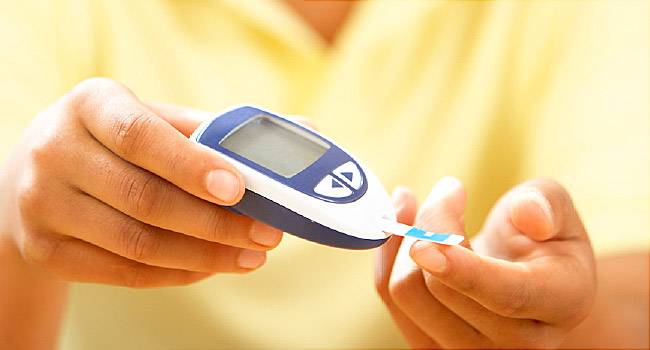
#5 You'll lower your risk for type 2 diabetes
We often think of sugar and junk food as putting us at higher risk for type 2 diabetes. Prediabetic men and women are usually told to stop drinking regular soda, because all that sugar is wreaking havoc on their blood sugar levels. However, it's not just sugary beverages putting you at risk for chronic diseases like diabetes. Many of us assume the sugar is the problem, but artificial sweeteners are just as bad. A study in the American Journal of Clinical Nutrition studied the effects of artificial sweeteners, like the ones found in diet soda, on over 66,000 women and found that both sugar and diet drinks increase one's risk for diabetes.
#6 You'll Have More Energy
Drinking soft drinks increases your blood sugar levels. With this, it plays a role in the appearance of fatigue and concentration problems. Its chemical compounds affect your cell’s hydration process. Plus, they reduce your ability to oxygenate your tissues. As a result, you’ll feel more tired and your physical and mental performance will be affected.
#7 You'll Lose Weight
Even though diet drinks are calorie-free, they cause insulin to be released in your gut because their artificial sweeteners are sweet like sugar, and that actually prevents weight loss. Insulin is your body’s primary fat-storage hormone, so it will have the body hold on to any extra fat, Trying to lose weight by trading a Coke for a Diet Coke is doing the body just as much harm, if not more, because of all the chemicals in the calorie-free version. While you’re weaning yourself off of your soda habit, add these fat burning foods to your diet, some of which actually block adipogenesis, the process by which fat is stored on your frame.
#8 Improved reproductive health.
In some cases, soda cans may contain bisphenol-A or BPA, which has been linked to an increased risk of cancer as well as impairment of endocrine function. Some studies have also shown that BPA is linked to premature puberty or infertility, essentially messing up a person’s reproductive organs. According to the Breast Cancer Fund, BPA is one of the most common chemicals out there — exposed to us via food and drink containers to dental fillings. It’s a synthetic estrogen that impairs the hormonal system, increasing a person’s risk for breast cancer, prostate cancer, metabolic disorders, and even type 2 diabetes. Choose to lower your exposure to this chemical by not touching those soda cans and your risks will be lower.
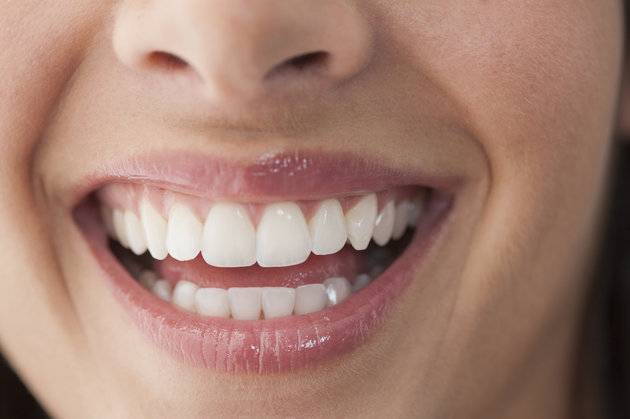
#9 You’ll prevent dental problems
Most of us know that sugary soda is bad for our teeth, but the diet stuff can hurt your pearly whites, too. The acid in both regular and diet soda (and in other beverages like Red Bull and apple juice) can lead to erosion of your teeth's enamel and root surfaces. The study, which submerged extracted human teeth in the beverages for 25 hours each, recognized that the experiment's conditions limited the findings — e.g. humans don't usually keep soda in their mouth for 25 hours on end — but still concluded that acidic beverages are associated with dental erosion and may be a potential oral health concern.