Although sexism still exists, women have come a long way since the days of being barred from jury duty or banned from smoking in public.
advertisement
#1 Get A Credit Card
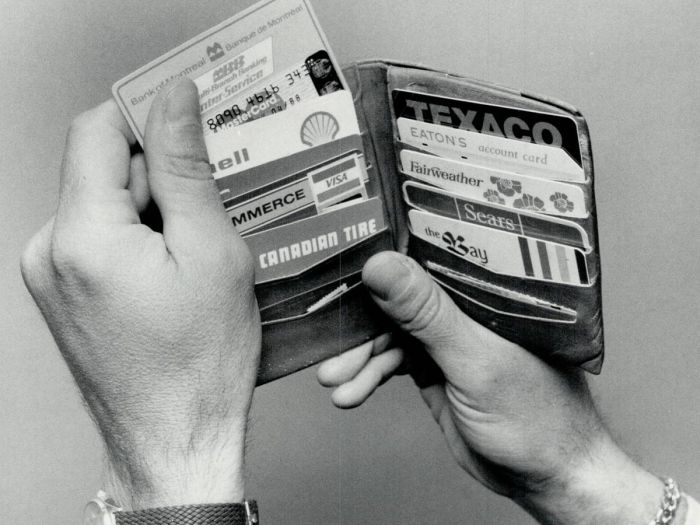
In the 1960s, women did not only need a good credit score to get a credit card, but they also, in many cases, had to be married. It was totally legal for banks to refuse credit cards to single women. And even if a woman was married, her husband was required to cosign. It wasn't until the Equal Credit Opportunity Act of 1974 that the practice of refusing a woman a credit card based on her marital status became illegal.
#2 Surve On Jury Duty
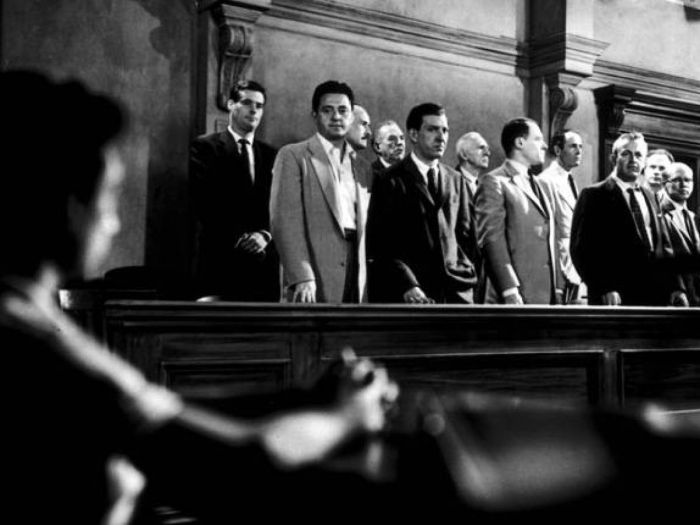
In many U.S. states, women were barred from serving on a jury. Women were considered too frail and weak to handle all the gory details of crimes. They were also thought to be too emotional and sympathetic to remain objective during a trial. However, one of the most common reasons why women could not serve on a jury was a fear that their primary responsibilities as a caregiver and homemaker would be neglected while they were in court. Heaven forbid a husband came home to a marginally messy home and cold leftovers for dinner. It wasn't until 1975 that the Supreme Court ruled women couldn't be intentionally excluded from jury pools.
advertisement
#3 Take Oral Contraception
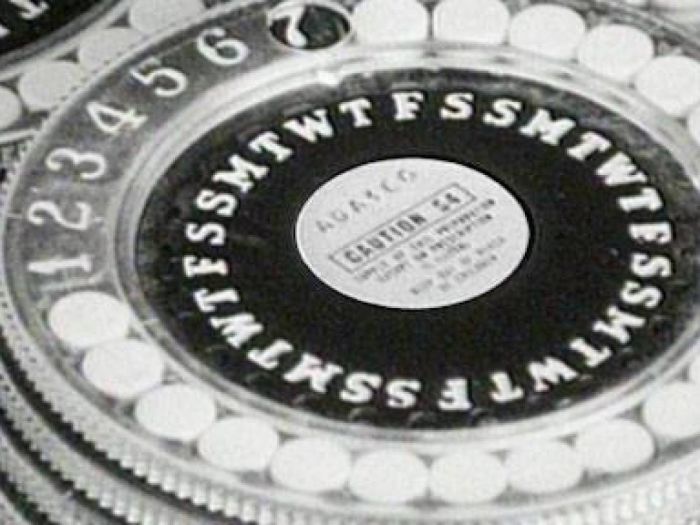
When the FDA approved the birth control pill in 1957, it was intended to be used only for "severe menstrual distress." In 1960, the FDA finally approved the pill for use as a contraceptive, but in many states it was still illegal and only married women could get a prescription for it. Even then it was difficult to find a doctor that would prescribe the pill. Many people who were opposed to oral contraceptives said it was immoral, promoted prostitution, and was even on par with abortion. It took many more years for the pill to be approved for use by all women.
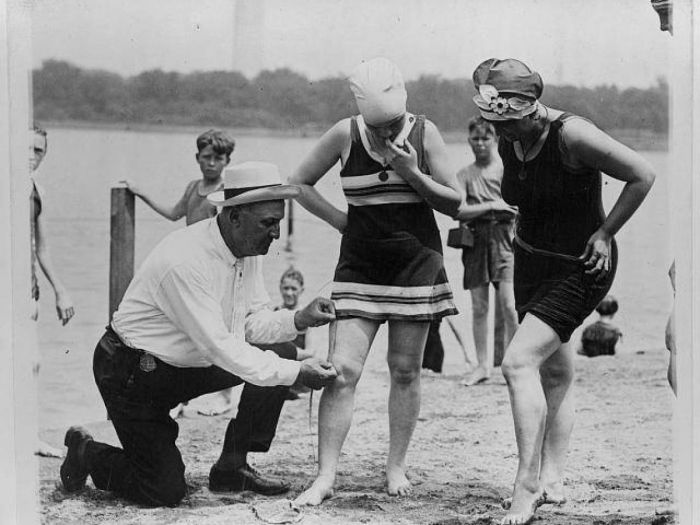
#4 Wear Reasonable And Comfortable Swimsuits
In the 1920s, spending a day at the beach for women was an uncomfortable and stressful experience. Many local governments issued laws dictating how short a swimsuit could be. They also dispatched law enforcement officers to patrol the beaches and measure women's swimsuits. The women who were defiant and dared to wear something that went above their knees were arrested.
advertisement
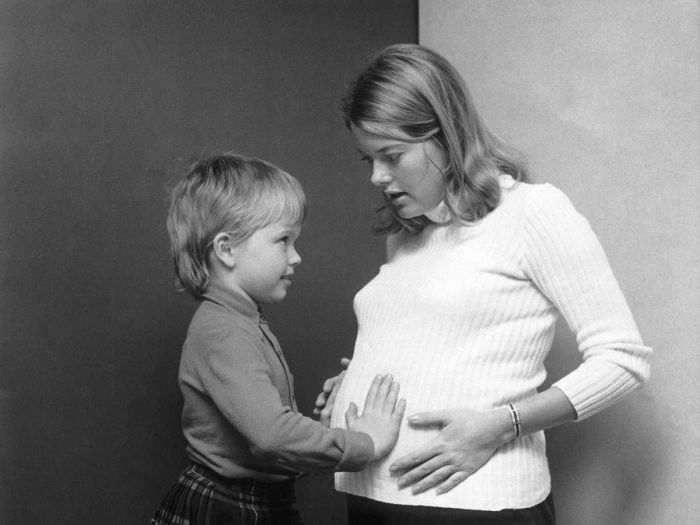
#5 Work While Pregnant
Before the Pregnancy Discrimination Act of 1978, it was legal for an employer to fire a woman for being pregnant. As much as 40 percent of employers took advantage of the lack of laws and fired pregnant women prior to the Pregnancy Discrimination Act.
advertisement
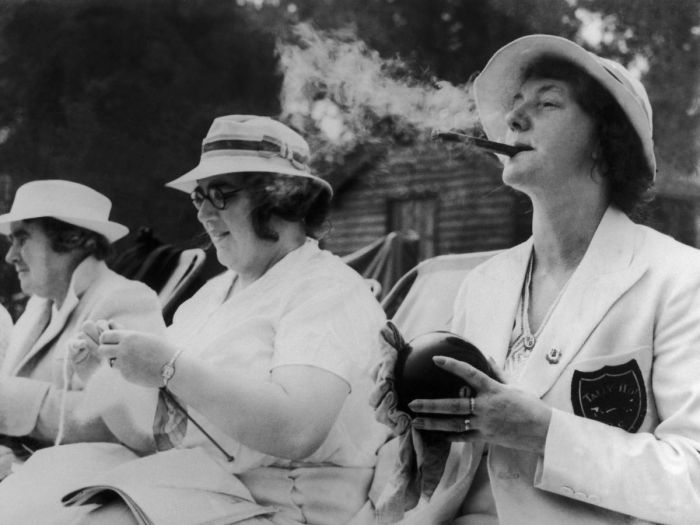
#6 Smoke In Public
In 1908, a law was passed in New York City that forbade women from smoking in public businesses, which included hotels, bars, and restaurants. So pretty much anywhere someone would like to light up a cigarette and smoke socially, a woman could not in early 20th century New York City. This law wasn't repealed until 1927.
advertisement
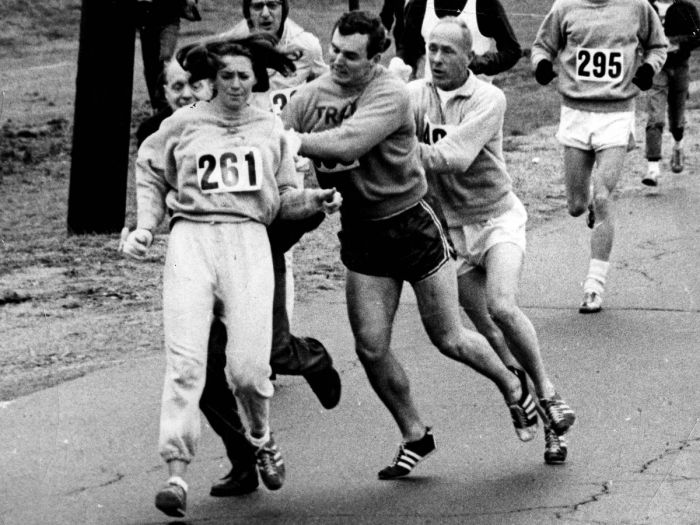
#7 Run In The Boston Marathon
Women were not allowed to officially compete in the Boston Marathon until 1972. However, in 1966 Roberta "Bobbi" Gibb was the first woman to run and complete the race. The next year, Kathrine Switzer, who registered for the marathon as "K.V. Switzer," was the first woman to finish the marathon with a race number. When Switzer registered as K.V. Switzer, officials thought she was a man, so when she showed up on race day, people were shocked. Switzer was later famously shoved by race official Jock Semple, who tried to rip off her race number and throw her out of the race.
advertisement
#8 Be An Astronaut
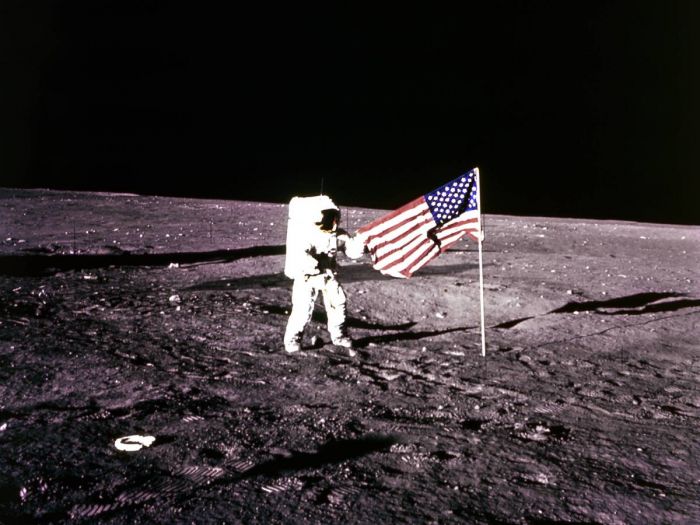
In response to one woman who applied to be an astronaut, NASA replied, "We have no existing program concerning women astronauts nor do we contemplate any such plan." That's a pretty harsh rejection letter. It wasn't until 1979 that NASA finally selected female astronaut candidates.
advertisement
#9 Watch The Olympics
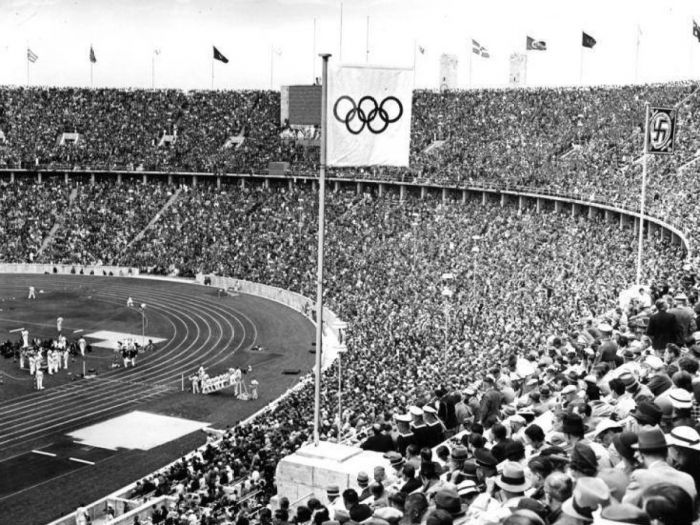
In ancient Greece, married women were forbidden from attending Olympic events. Disobeying the law was punishable by death. This chauvinistic regulation reemerged in 1930, when the British army banned women from attending Olympic boxing matches. Not even the wives of fighters were allowed to attend.