

From child-eating cat to a weird skeletal faced horse-like monster, these strange Christmas folktales dating back thousands of years, will make sure you do not sleep this Christmas eve.
9 Of The Most Terrifying Christmas Traditions From Around The World
By
Sumaiya Ghani in
Horrors and Creepy
On 24th December 2022
advertisement
The Story Of Mari Lwyd, The Gray Mare Of Welsh Folklore
DEA / BIBLIOTECA AMBROSIANA / Getty Images
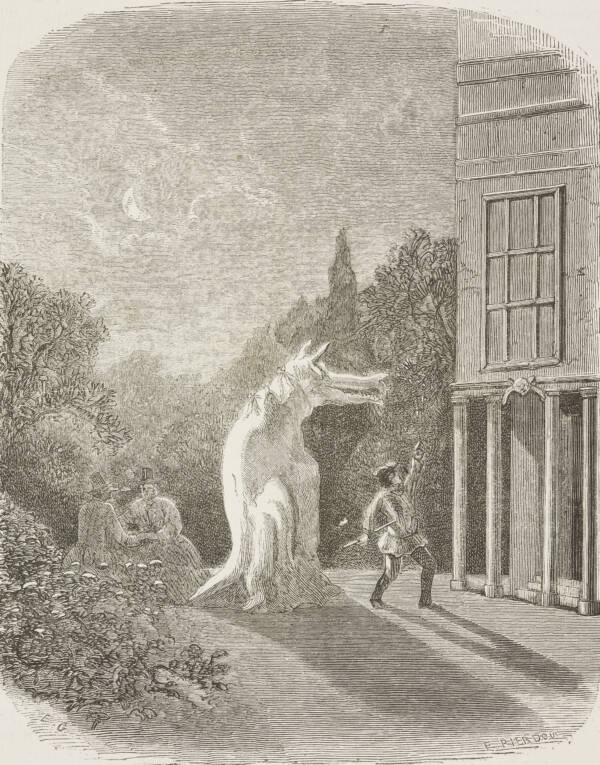
According to the old folk tales of South Wales, there used to exist a mysterious monster-like creature called Mari Lwyd.
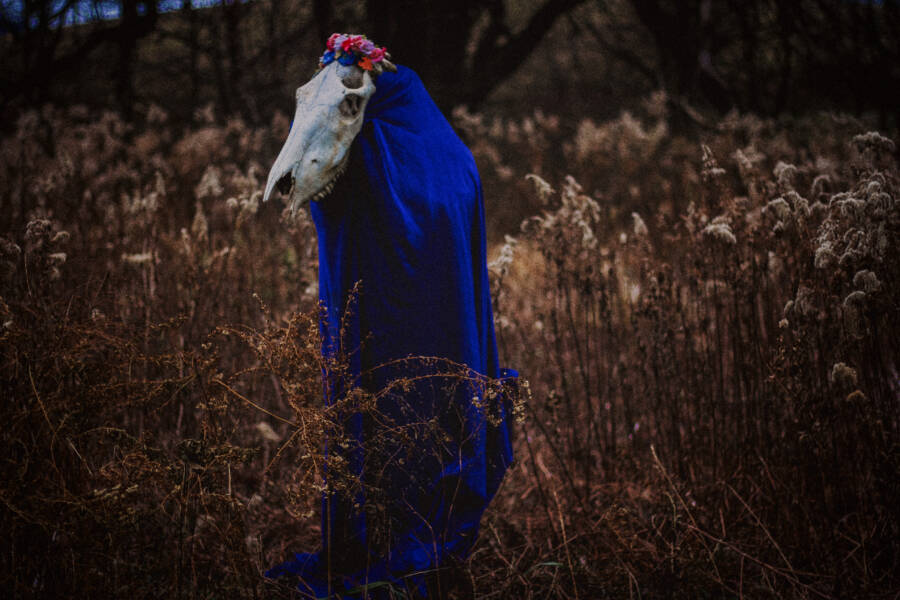
He had the skeletal face of a horse with big glowy eyes.
The Mari Lwyd is said to have a propensity for rhyme schemes and ventured door to door during winter celebrations, inviting revelers to outwit it in a contest — and rewarding them with food and drink if they win.
Whoever lost in this game had to allow the Mari Lwyd to enter their homes and give him lots of food and drinks.
advertisement
Alice Teeple/Getty Images
This tale is now remembered as sort of a tradition where a troupe of revelers led by someone dressed as the Mari Lwyd, travels from house to house and makes their neighbors play games of call-and-response rhyming known as a “pwnco.”
Just like the story, the winners get food and beverages from the losers.
This weird but fun celebration occurs sometime between Christmas and New Year’s Eve, though there is no way of knowing which of those days it will appear at your door.
According to Atlas Obscura, the strange tradition of the Mari Lwyd seems to originate from pre-Christian pagan cultures, but over the years it has been adapted to support Christian interpretations as well.
The word 'Mari Lwyd' means “gray mare,” though it is difficult to ascertain why the symbol may have been important to ancient cultures as other religious scholars have interpreted the name to mean “Holy Mary,” a reference to Christian lore.
According to the tales, Mari Lwyd was a pregnant horse, cast out of the stables when Mary gave birth to Jesus, who travels in search of a place to birth her foal.
How this tale first started, no one knows but the modern interpretation of the festivities has existed since around the 1800s. It was even commemorated by Welsh poet Vernon Watkins in his 1941 poem, “The Ballad of the Mari Lwyd,” which begins:
Mari Lwyd, Horse of Frost, Star-horse, and White Horse of the Sea, is carried to us.
The Dead return.
Those Exiles carry her, they who seem holy and have put on corruption, they who seem corrupt and have put on holiness.
They strain against the door.
They strain towards the fire which fosters and warms the Living.
advertisement
The Story Of Kallikantzaroi, The Greek Christmas Goblins Who Wants To End The World
Facebook
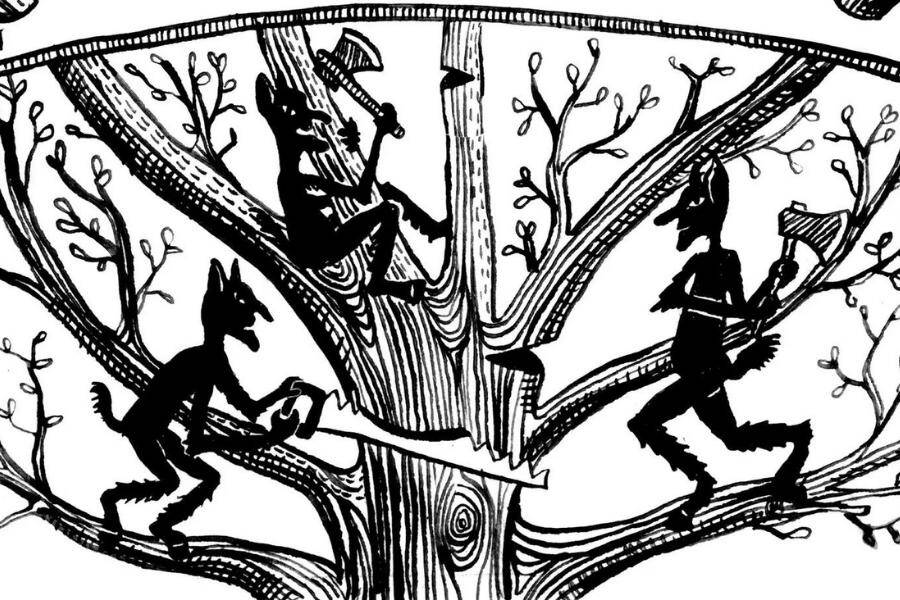
They say to be very careful during the 12 days of Christmas as you may never know when the Kallikantzaroi may emerge from their homes at the center of the Earth to wreak havoc and cause mischief after the sun sets.
These small but ugly, scary, and very dangerous beings will break into your home, urinate on your plants, cause your food to spoil, smash furniture, and make sure everything you own gets ruined.
advertisement
We are not making it ourselves, that is what's written in the Greek folklore books.
According to SPIEGEL International, legend claims that these tiny creatures named Kallikantzaroi used to roam the Earth between Christmas Day and January 6, the day of the Epiphany in Christianity.
Now why would they roam and cause chaos around this time? It's because the tale says during this time, the Earth’s waters are allegedly “unbaptized” or “unclean.” This allows the small monsters to ruin things wherever they go.
advertisement
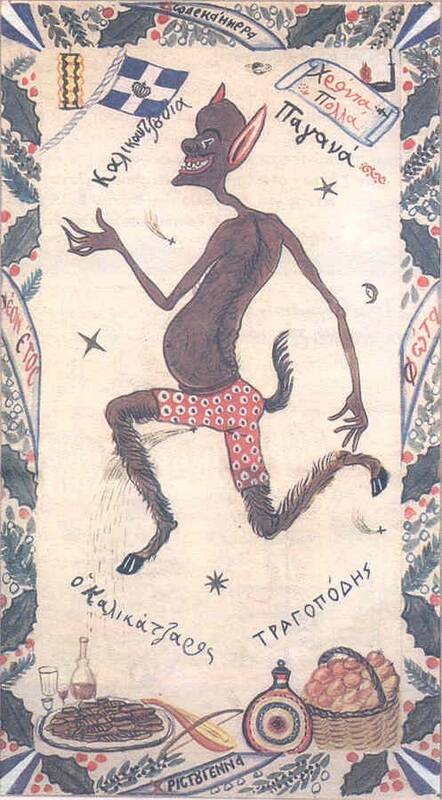
The tales say Kallikantzaroi looked like tiny humans but ugly and evil. Their appearance varied from looking like small humans with iron clogs to short, hairy goblins with monkey arms and cleft hooves.
One more description says they live in the underworld.
advertisement
They are cruel, evil and eat unsavory items like insects, snakes, mice, and rotten fruit. The old folktale says they are the servants of the Devil, hence fear holy water, religious icons, and fire.
The tales say they a “mother,” who orders them and decides which humans will be subjected to the Kallikantzaroi’s mischievous deeds.
The old weird tale not only scares you but also tells you how to keep the Kallikantzaro away from your homes. They say the only way to protect your home from the Kallikantzaroi is to light a fire, though burning an old leather shoe allegedly offers extra protection as it's smell is enough to make even the foulest of creatures not come near your door.
advertisement
The Infamous Krampus, Also Known As The Christmas Devil Who Brings Season’s Beatings
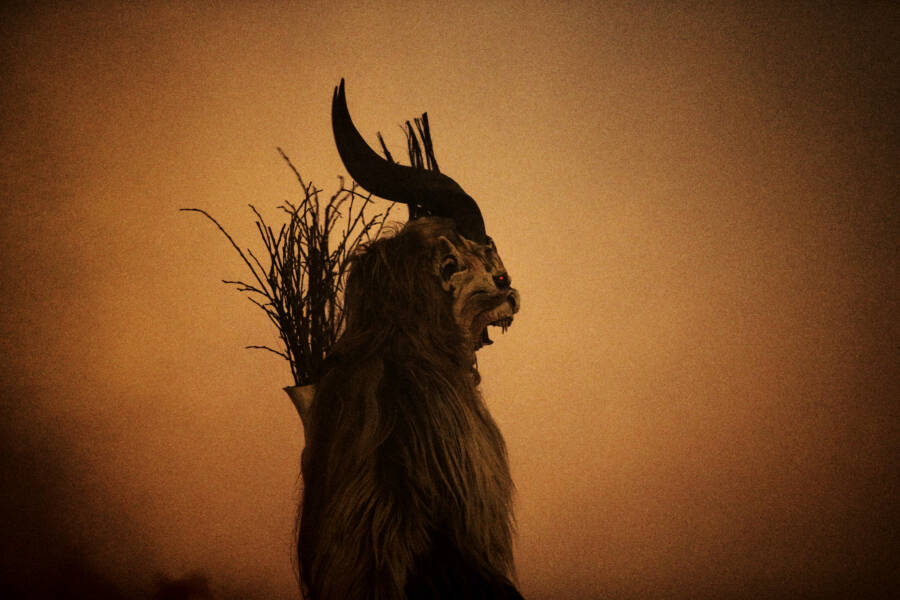
Sean Gallup/Getty Images
The monster of monsters, Krampus, is a devil with goats’ hooves, pointed horns, and a long, snake-like tongue.
advertisement
Krampus loves to roam through the Tyrolean mountains in the Alps along with his perchten, an army of nasty, foul-tempered elves who delight in punishing children.
On the evening of Krampusnacht, or December 5, Krampus ventures home to home with his companion, St. Nicholas — yes, Santa apparently used to hang out with demons — doling out punishment to naughty children, miscreants, and drunks.
advertisement
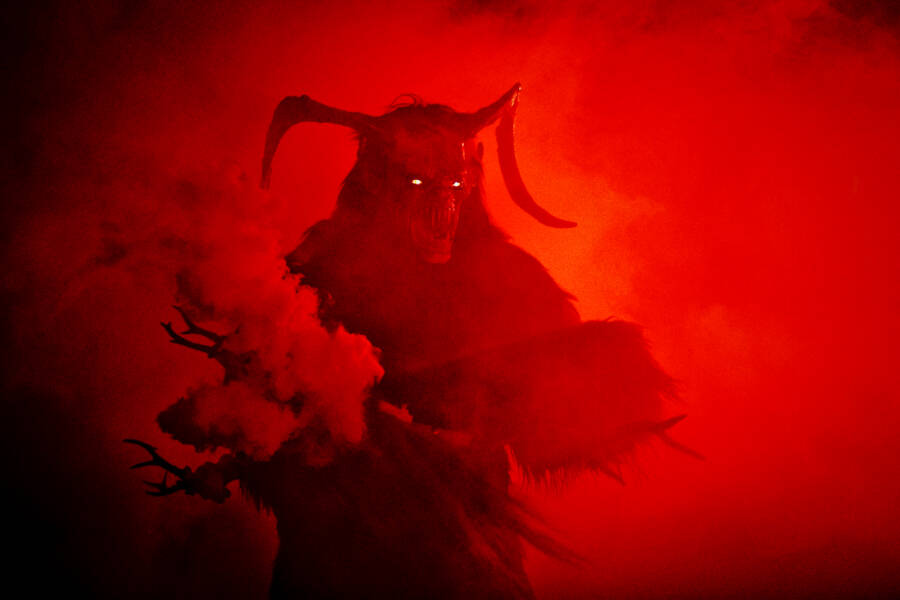
Matej Divizna/Getty Images
There are many versions of the tale of Krampus, one being that he carries with him a large bundle of branches which he uses to whip naughty children so they become obedient in the next year.
advertisement
The tales also say that Krampus kidnaps the naughty children and they are never seen again.
Even the thought of this is traumatizing for kids.
Parents actually threaten their kids with this weird tale to make them obedient.
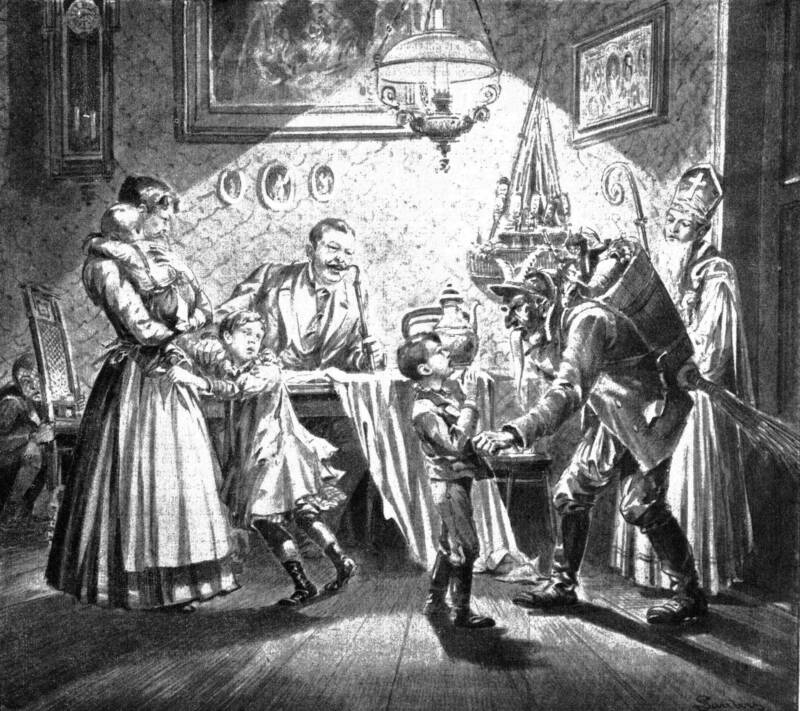
Public Domain
The legend of Krampus was not something originated from Christian beliefs, but rather a long-held Pagan symbol that was later altered to fall in line with this festival.
Krampus is a German word krampen, meaning “claw,” and the tales say he bears a striking resemblance to descriptions of the son of the Norse goddess of the Underworld, Hel.
advertisement
Hans Trapp, The Christmas Scarecrow That Terrorized Parts Of France
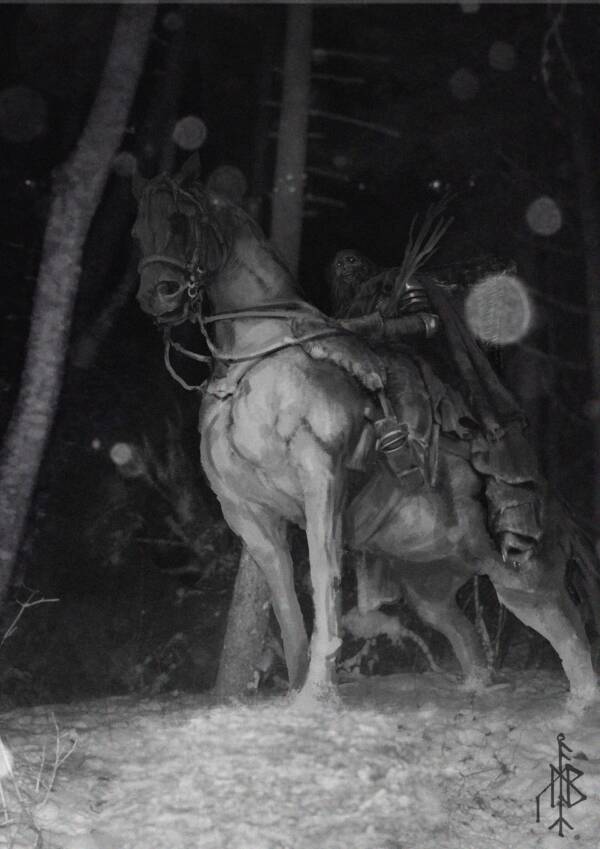
Illlustration by Andrea Boloch
This interesting story goes way back to the 1400s, when there used to live a man named Hans Trapp.
Hans was a rich and powerful man who was feared in the French regions of Alsace and Lorraine.
The tale says Trapp desired power more than anything, and to get that he made a deal with the devil itself.
The news that Trapp made a deal with the devil spread quickly and drew the attention of the Pope who then excommunicated Trapp.
The Pope also confiscated his wealth and land and banished him from Alsace.
advertisement
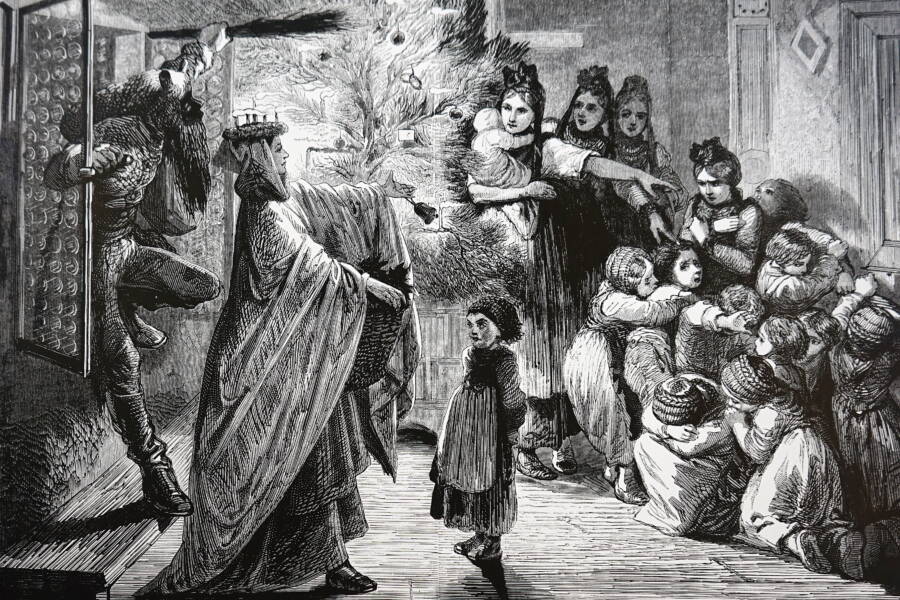
Universal History Archive/Universal Images Group via Getty Images
Trapp left France and moved to the Bavarian mountains of Germany, where he continued following his evil desires.
The story says that he became so evil that, just like the devil, he started craving human flesh.
To satisfy this hunger, he crafted a disguise out of straw and waited by the roadside. To passersby, he looked like nothing more than a scarecrow.
He would stand there like a scarecrow and pretend lifeless. One day a young boy passed by it, Trapp took advantage of the situation and quickly grabbed him. He stabbed the boy in the stomach with a sharpened stick and dragged the lifeless body back to his mountain lair.
At his home in the mountains, he sliced the boy’s body into pieces and roasted it over a fire. But he never got to taste the human flesh as a result of divine intervention. Sharp lightning took Trapp's life but, according to the legend, his spirit lived on.
advertisement
Père Fouettard, St. Nicholas’ Cannibalistic Friend Known As ‘The Whipping Father’
This story revolves around the enemy of everyone's favorite Sana Claus, Père Fouettard, or Father Whipper.
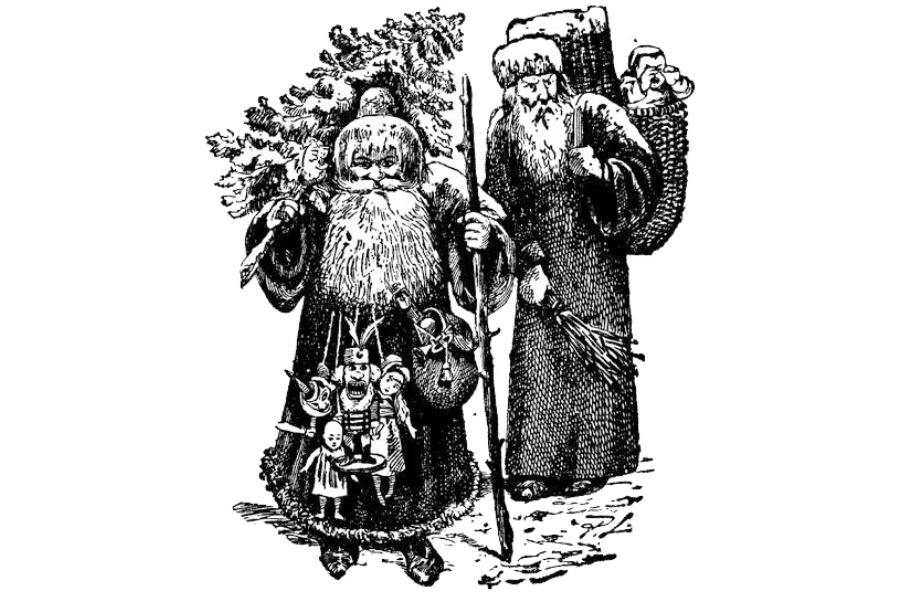
Public Domain
The legend remembers Père as an anti-Santa who has a propensity for child-eating.
There are many interpreted stories of Father Whipper, but one of the most common, originating sometime around 1150, involves an evil butcher who kidnapped three children.
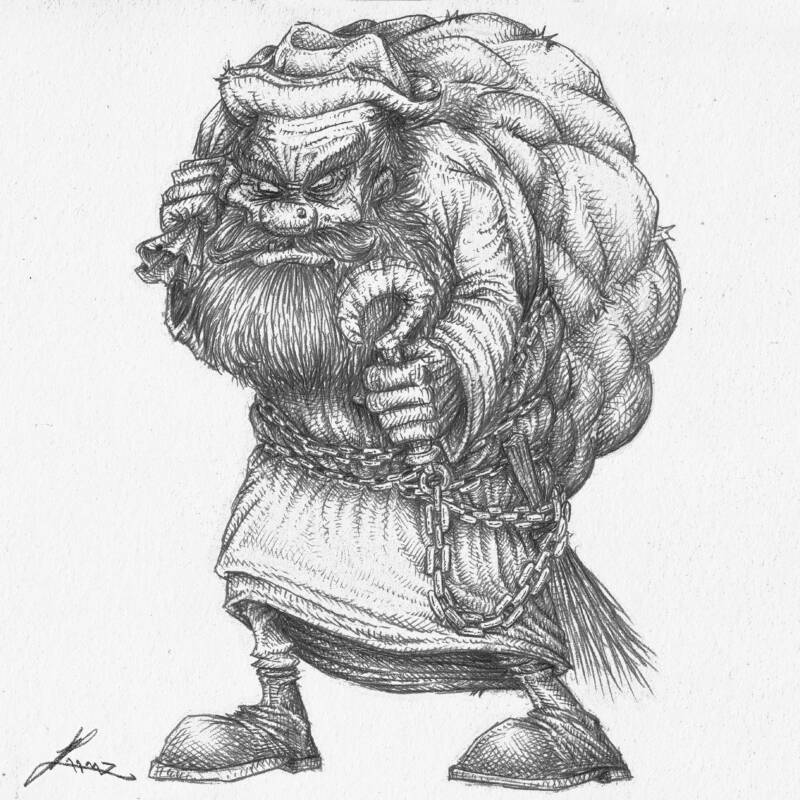
Kaamuz/Reddit
The story is pretty violent where the butcher murders the three children, slits their throats, carves their meat up, and places it to rest in a salting tub.
St. Nicholas then arrives at the butcher’s shop, and the butcher offers the saint some of his finest meat which, of course, is the meat of the recently murdered children.
The story, however, has not so bad ending.
advertisement
What happens is that St. Nicholas, in his wisdom, resurrects the children and sends them back to their homes. He then, having the bigger heart, offers the mad butcher a chance at redemption, and the murderer becomes Father Whipper, a traveling companion of the saint who whips bad children.
Credits: allthatsinteresting
Jólakötturinn, or The Yule Cat, An Icelandic Monster That Eats Children
Though this story revolves around a cat this, my dear, is no ordinary kitten that you would want in your home. Not only because the animal we talking about here is pure evil, but also it's as big as your imagination.
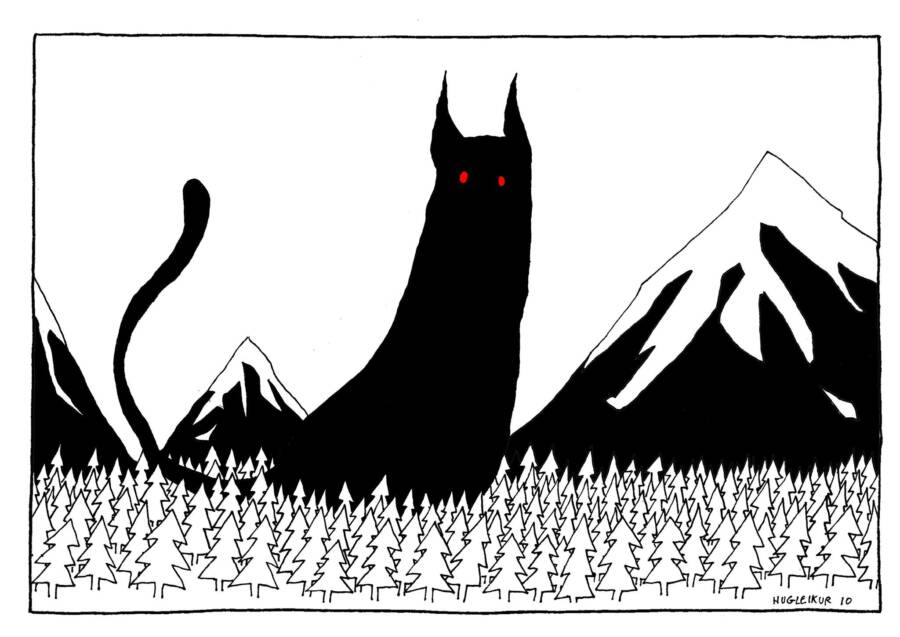
Hugleikur Dagsson/Facebook
According to Smithsonian Magazine, the legend of the Yule Cat, or Jólakötturinn, is a creature that towers over forests and homes, prowling about Iceland on Christmas night in search of bad children to devour.
How does it know which children are bad, though? Unlike the omniscience attributed to Santa, the Yule Cat’s judgment comes down to a single, simple test: If a child has received new clothing for Christmas, they have been good. If they haven’t, they are bad – and fair game to be eaten.
advertisement
It may seem like a strange test, but in Icelandic tradition, children who completed their chores before Christmas were often rewarded with new clothing. Following that logic, it stands to reason that children who didn’t receive new clothes didn’t complete their chores, meaning they were disobedient and deserved punishment.
And if the threat of the Yule Cat weren’t enough, it’s not the only hungry, child-eating monster that lurks in the Icelandic wilderness around Christmastime.
The Yule Cat’s owner, the monstrous giantess Gryla, has an equally twisted appetite — and her 13 ghoulish sons, the Yule Lads, are always close at hand.
Gryla And The Yule Lads, The Child-Eating Giants Of Iceland
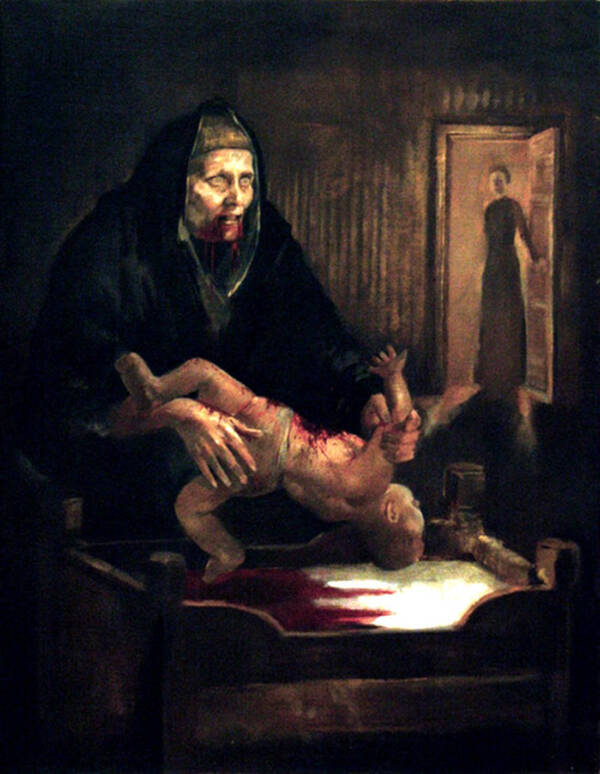
Twitter
Gryla, just like the name suggests, is a witch. She resides on the far north of the island and is the owner of the cat Jólakötturinn and mother to 13 giants of Icelandic folklore.
Woah. She is something.
advertisement
According to the legends, Gryla is a troll, an ogre, or a giantess, and every version says, she is most certainly always evil.
Legend maintains that throughout the year, Gryla listens to the whispers of children on the wind, collecting information about the children who misbehave. When winter comes, Gryla leaves her cave and sets out to find her victims.
Her appetite is insatiable, and she gathers up the bad children and stuffs them into a large sack.
Back at her lair, she dumps the children into a large pot and boils them into a stew, which fills her up long enough to last until the next winter.
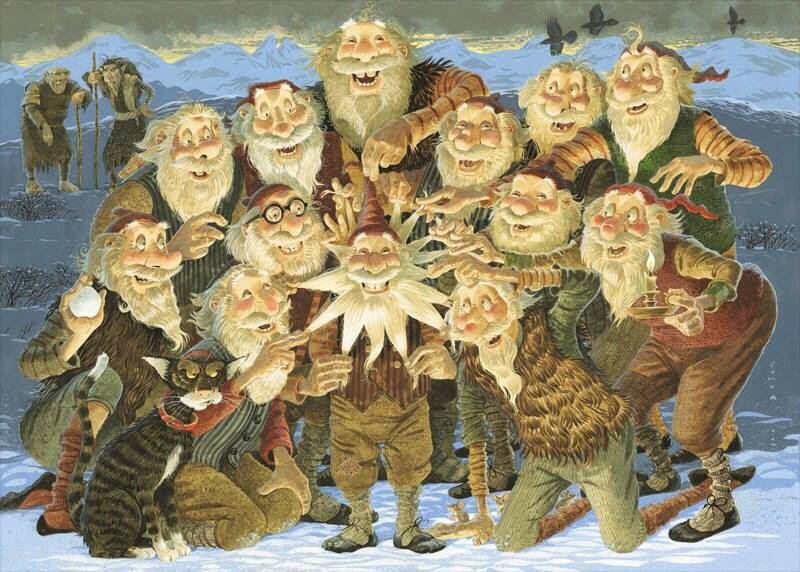
Wikimedia Commons
Living with Gryla in her cave are her husband, the pathetic troll Leppaludi, their pet, the Yule Cat, and Gryla’s 13 sons, collectively known as the Yule Lads.
Unlike their mother, however, the Yule Lads don’t feast on the flesh of children — evidently, cannibalism was not a genetic trait — and over the years, they have actually become less scary and much more interested in revelry.
advertisement
Their foul and off-putting behaviors range from tormenting sheep, drinking milk straight from cows’ udders, licking spoons, slamming doors, and peeping in windows.
Again, none of these are especially frightening, but they’re inconvenient at best and creepy at worst — usually a combination of the two.
Images of Gryla were once considered so frightening that they were outlawed as a scare tactic in the 18th century. Around that time, Icelandic parents actually changed the story and told children they would receive rotten potatoes if they were bad, as fear of being eaten by Gryla had become so great.
Belsnickel, The Crotchety Fur-Clad Christmas Figure From Germany
This is a common folk legend among Dutch populations, originally hailing from Germany and brought over to America by immigrants, making it common among the Pennsylvania Dutch in particular, according to Penn Live.
Think of Belsnickel as a sort of cross between St. Nick and Krampus — in fact, the name Belsnickel comes from the German word “bels,” which translates to fur, and “nickel,” referring to St. Nicholas.
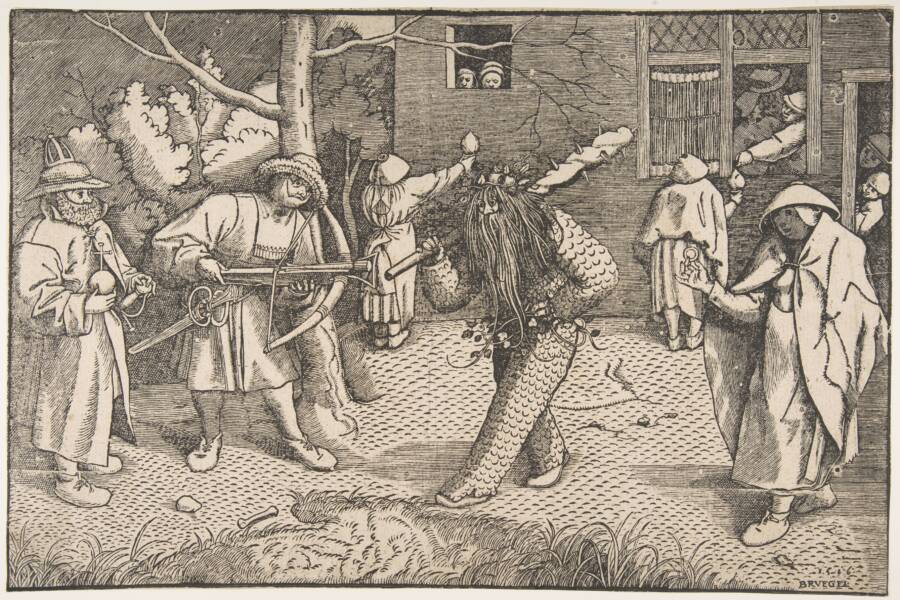
Wikimedia Commons
Belsnickel covers his face with coal and wears animal furs with large deer horns, and he visits children in late December to ask them if they have been bad or good.
Of course, the question is just a formality for, like Santa, Belsnickel already knows.
advertisement
Unlike other companions of St. Nicholas, Belsnickel travels alone. The first sign that Belsnickel is near is tapping on the windows caused by the switches he carries as he sneaks through the dark. If you didn’t hear the tapping, however, fear not — the second sign is far more difficult to miss.
Suddenly, the front door will burst open and Belsnickel will stand before you in his tattered clothing, speaking in a gravelly voice as he moves about the room in a spastic manner.
And as Belsnickel asks the children if they have been naughty or nice, the loud thwack of his bundle of switches serves as a reminder of what will happen to the children who have been naughty.
In his other hand, he holds small treats for good children, usually small cakes, candies, and nuts.
But a visit from Belsnickel is not the end of the Yuletide season — in fact, it is usually just the beginning. Though he may appear to punish bad children like Krampus, Belsnickel actually serves as a reminder that those children still have a few days left to turn their act around before St. Nicholas and Krampus visit their homes.
In other words, if a child is still misbehaving by the time Krampus arrives, they have been adequately warned.
Frau Perchta, The Belly-Slitting Half-Demon Christmas Witch
Philipp Guelland/Getty Images
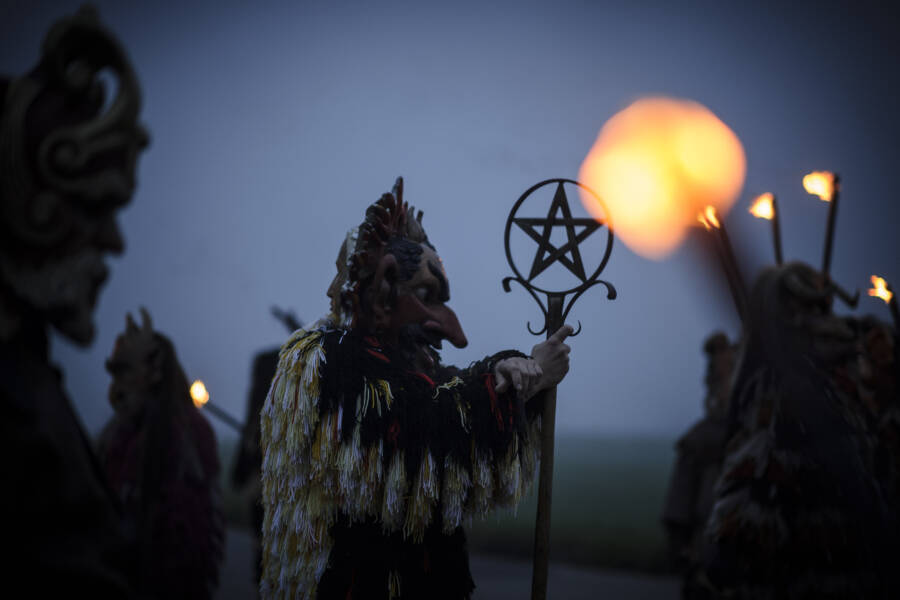
According to the legends, Frau Perchta is a Pagan goddess who creeps through the snow-covered forests of Austria and Germany during the 12 Days of Christmas.
Unlike others, Perchta’s goal is a simple one: to ensure the locals are upholding their customs — and to kill those who aren’t.
advertisement
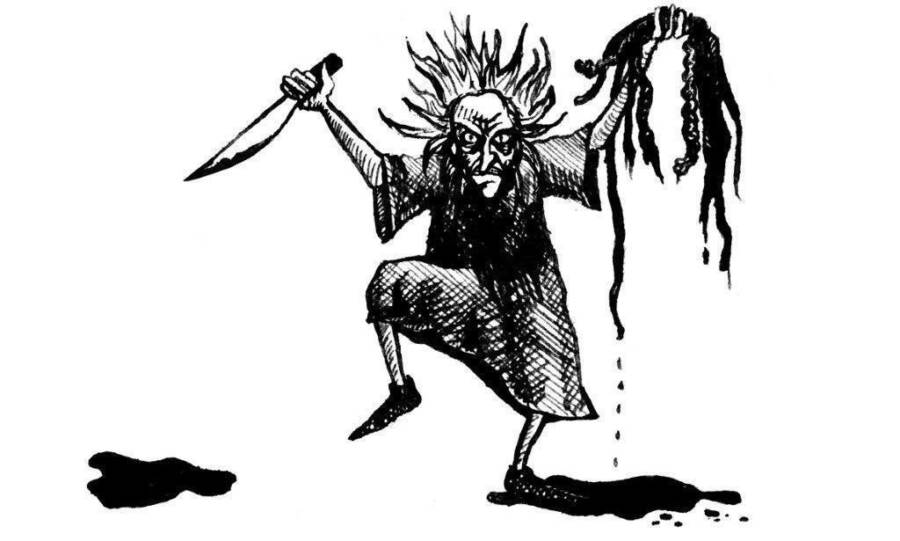
When Perchta learns that someone has misbehaved during the year, legend says she enters their home as they sleep, rips open their stomach, and disembowels them.
In the empty stomach, she stuffs straw, rocks, and garbage before stitching her victim back up and moving onto the next.
“Perchta is a sinister figure,” wrote folklorist John B. Smith, “who punishes the slovenly, the idle, the greedy, the inquisitive.”
Twitter
She deals out punishment for crimes as insignificant as weaving on a day deemed sacred or feasting with too little enthusiasm. In one story, Perchta attends a wedding to which she had not been invited, cursing the bride, groom, and all in attendance to live the rest of their days as wolves.
In another, she curses a young farmhand who had spied on her to become blind.
advertisement
Rebecca Beyer, who is a folklore scholar told Vice how Perchta has a dual personality.
“She is one of the many dual-faced goddesses, both fair and ugly, dark and light,” Beyer said.
Frau Perchta’s name, it turns out, means “bright one,” referring to versions of the legend that refer to Perchta as Grandmother Winter, a youthful and white-as-snow goddess who brings the snowfall each winter.
Today, the legend of Frau Perchta lives on in the Perchtenlauf, which Beyer called “a masked procession full of noise-making, fireworks and people, generally men, dressed as terrible beasts with large horns. These perchent, or followers of Perchta, serve to frighten away the cold, evil spirits of winter by out ugly-ing them.”
Credits: allthatsinteresting