

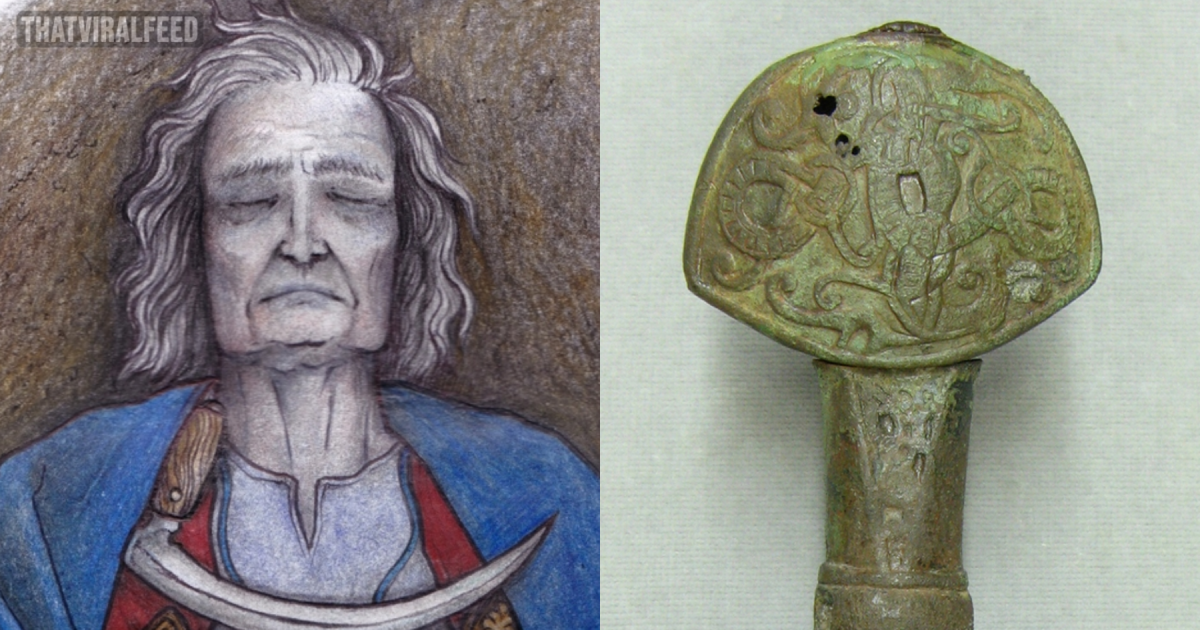
The grave in Finland may be an example of a person 'whose social identity settles outside the traditional division of genders'
advertisement
Almost a millennium ago, a Finnish warrior was laid to rest, and recent research suggests this individual might have identified as non-binary.
It's heartening to see the representation of LGBTQ+ folks and the growing comfort in embracing a non-binary identity skyrocket in just the last half-decade.
Still, it's clear we've got a long road ahead in terms of full acceptance and understanding.
Interestingly, a discovery from a grave in Finland hints that communities during the Iron Age and Early Medieval times might not have stuck strictly to gender norms as much as we previously believed.
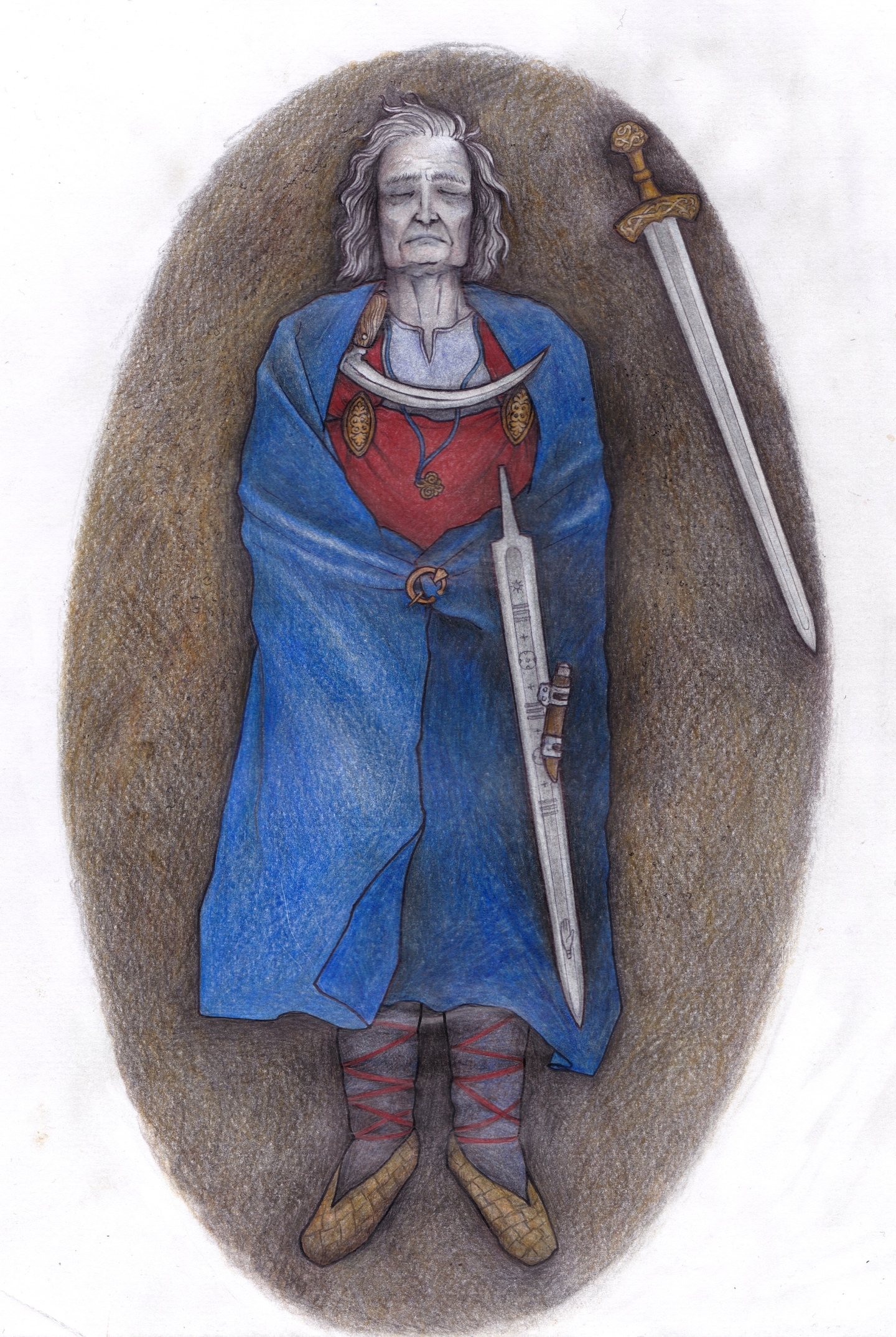
Veronika Paschenko
Published in the European Journal of Archaeology, a study unveils the findings from a warrior's grave uncovered in Suontaka Vesitorninmäki, Hattula, Finland, back in 1968.
advertisement
Inside, a sword with a bronze handle was found, leading researchers to a grave filled with items that suggest the buried might have been a woman, or perhaps a person "whose gender identity may well have been non-binary."
A statement from the University of Turku sheds more light: "The jewellery inside the grave indicates that the buried individual was dressed in typical female attire of that era."
"Yet, this person was also buried with a sword - possibly two, according to some interpretations - which has traditionally been linked to masculinity."
For over fifty years since the discovery of the grave, there have been ongoing debates.
advertisement
These discussions have centered on whether the site represented a dual burial of both a man and a woman, or if it was the singular weapon grave of a female.
This distinction could potentially underscore the presence of influential female leaders or warriors in Late Iron Age Finland.
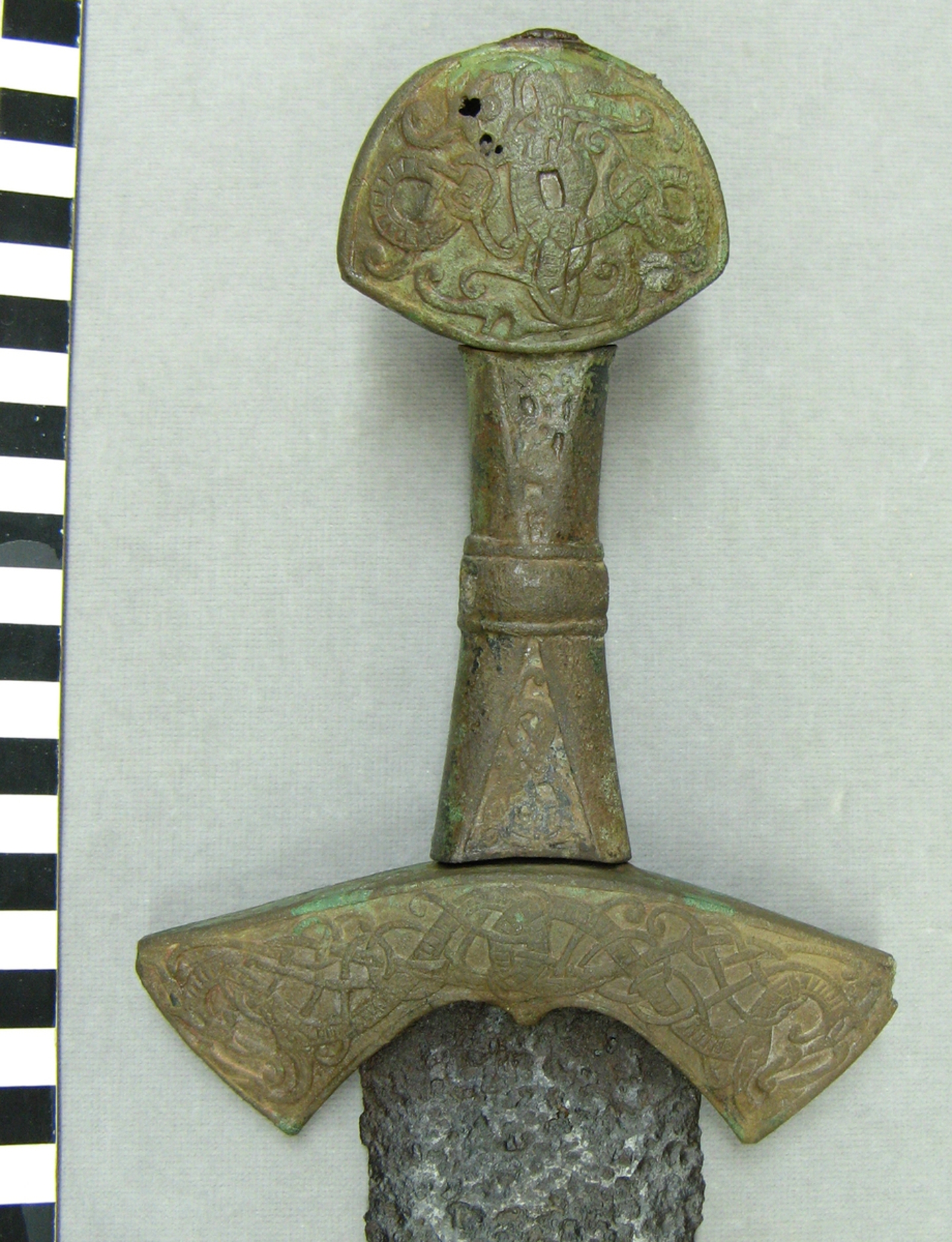
The Finnish Heritage Agency (CC BY 4.0)
But this latest study clarifies that the grave held a single individual, adorned in period-specific women's clothing, with a hiltless sword positioned on their left hip.
advertisement
Ancient DNA analysis suggests the warrior might have had Klinefelter syndrome, marked by an extra X chromosome (XXY).
Ulla Moilanen, an archaeology doctoral candidate at the university, posited that this grave "may be an example of an individual whose social identity settles outside the traditional division of genders."
advertisement
The university's press release further elaborates: "Should the characteristics of the Klinefelter syndrome have been visible, this person may not have been strictly seen as female or male by their Early Middle Ages community."
"The grave's rich assortment of items evidences that this individual was not only accepted but esteemed and honored."