

Whilst the people of the world are distracted by the copious number Black Friday sales, a potentially lethal threat is looming over the Earth – a threat so deadly that it could change life as we know it forever. Up to three-mile wide, the asteroid, named 3200 Phaethon, is set for a "cosmological close pass of our planet on December 16, just nine days before Christmas.
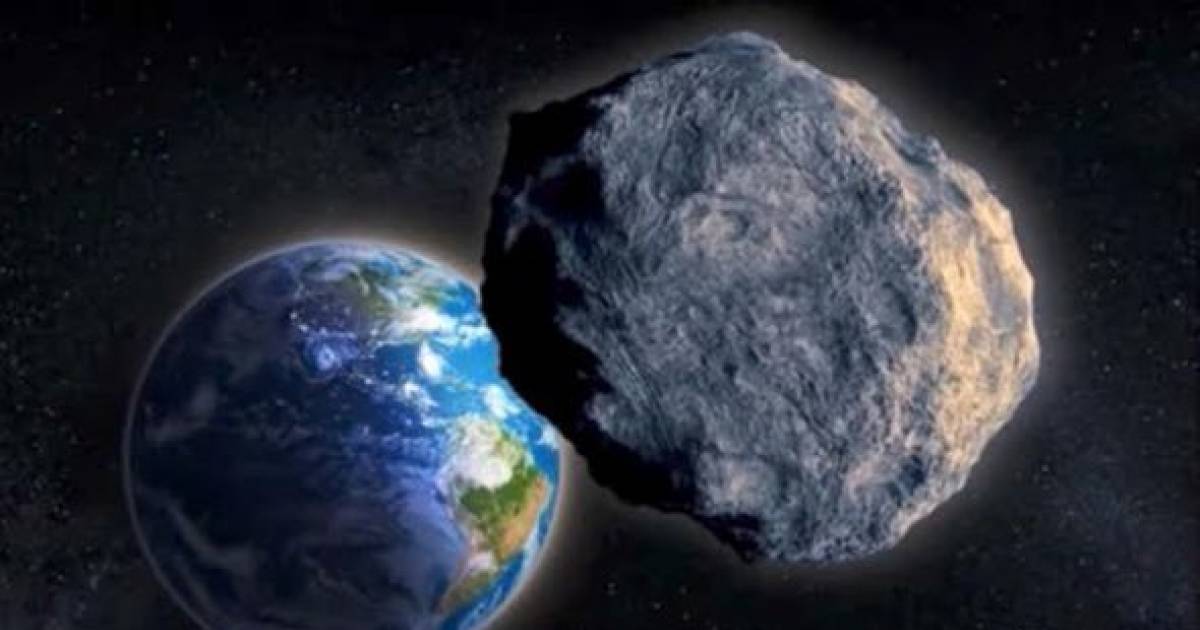
A 3 Mile Wide Monster Asteroid Is Heading Towards Our Planet And It Will Get Here Just In Time For Christmas
By
Muk Khatri in
Facts
On 28th November 2017
advertisement
#1
This may sound like the premise of the latest superhero movie, however, unlike Henry Cavill’s moustache in Justice League, this is a very real threat. So stop scrolling the net for a bargain and listen up!
The asteroid is on a list of "potentially hazardous" space rocks compiled by NASA's Minor Planet Center.
If an object of that size made a direct impact on Earth, it could destroy an entire continent or potentially more.
An impact with the ocean would send monstrous tsunamis across the globe.
#2
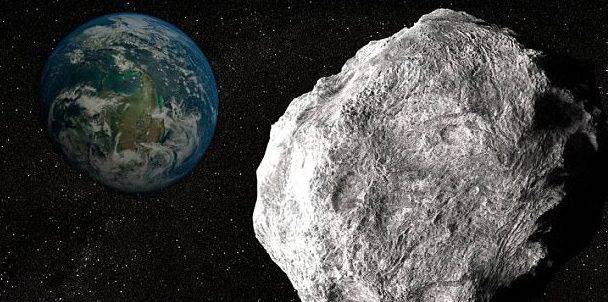
Fortunately for us, it is expected to pass at a staggering 6.5 million miles away, 27 times the distance of the moon, but that is considered a close pass in cosmological terms.
advertisement
#3
The huge object is named after the Greek demi-god Phaethon, who according to legend almost destroyed Earth.
Experts at the Immanuel Kant Baltic Federal University in Konigsberg, Russia, have published a video that tracks the path of Phaethon.
The object, which Nasa has previously described as a 'potentially hazardous asteroid', will pass 6.4 million miles (10.3m km) from Earth - relatively close in space terms.

#4
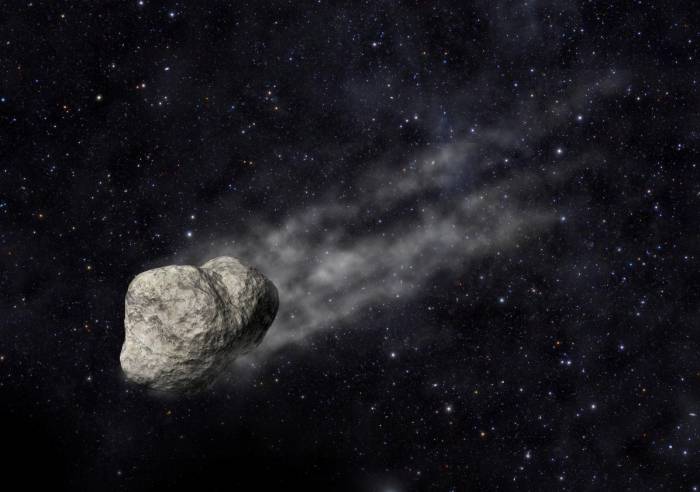
NASA has been intensely monitoring the asteroid and has made several peculiar observations in the process. In 2010, Phaethon was observed ejecting dust. This was thought to be the result of the Sun’s extreme heat causing the rocky mass to dry out.
advertisement
#5
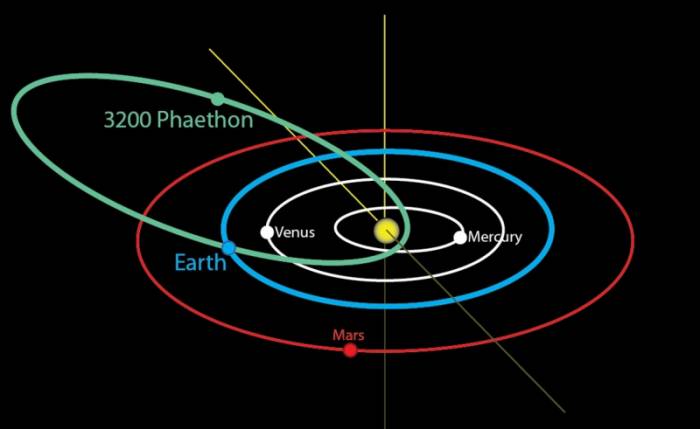
Phaethon’s orbit puts its origins in a region between Mars and Jupiter where asteroids commonly originate.
Typically, icy comets come from colder regions of space beyond Neptune.
In a statement, Immanuel Kant Baltic Federal University said: 'Apparently, this asteroid was once a much bigger object.
advertisement
#6
'But its many approaches to the sun have caused it to crumble into smaller pieces which eventually formed this meteor shower.
'If so, the asteroid itself could be the residue of a comet nucleus.
'The asteroid's extremely elongated orbit, thanks to which it sometimes gets to the Sun closer than Mercury and it sometimes moves away farther than Mars, is another argument in favor of this theory.'
According to NASA, 3200 Phaethon will be visible in small telescopes for experienced observers in areas with dark skies.
It is potentially detectable for three weeks but will be at its brightest between December 11 and 21.
If you don't see the asteroid itself, be sure to look out for the Geminid meteor shower, which is set to provide a spectacular show over the course of 10 nights in December, with as many as 100 shooting stars every hour.