
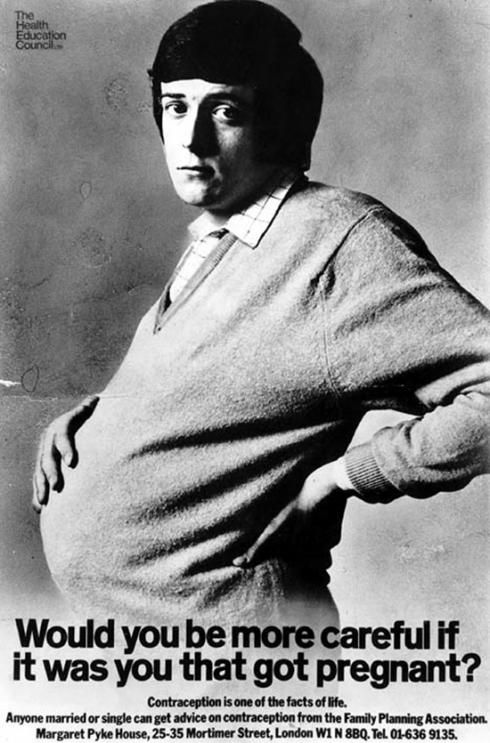
#1 With the exception of condoms, preventing an unwanted pregnancy through contraception has largely been a woman's problem.
For hundreds of years it's been up to us to get the birth control pills, IUD, ring or diaphragm. And even if the dude supplies the condom, we've got to make sure they haven't been living in his wallet for the last 10 years.
Now, at very long last, some of that responsibility is shifting back to the sperm-makers themselves.
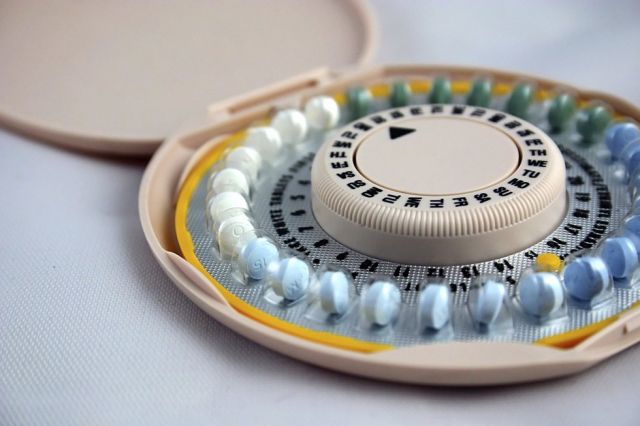
#2 A contraceptive "pill" designed for men is currently making its way through clinical trials, and could be made available to consumers as early as 2018.
The product, known as Vasalgel, would be the first approved contraceptive for men since the condom. It's actually not a pill at all, but rather a gel that's injected into the vas deferens (the tube the sperm swim through). It's basically the same thing as a no-scalpel vasectomy with one big advantage: it's reversible.
Unlike any form of female birth control (besides a hysterectomy), Vasagel is said to be effective for up to 10 years. However, "if a man wishes to restore flow of sperm, whether after months or years, the polymer is flushed out of the vas with another injection," explains the Parsemus Foundation, the non-profit that is developing the contraceptive.

#3 This news is music to the ears of both genders, who for decades have been begging for a way to bear the birth control burden more equally.
Guys who hate condoms would no longer have to rely on their female partners to take/use birth control effectively, and women can finally stop pumping themselves full of hormones just in case the condom breaks. And in case you're thinking "Yeah, but good luck getting guys to go for it," a Telegraph Wonder Women poll recently revealed that nearly 52 percent of males would take the contraceptive "pills" if they were readily available.
#4 So mark your calendars ladies and gents. The future is almost here.
The Parsemus Foundation claims to have successfully tested the product on animals. In addition, it is planning to start the human trials in 2016. If all goes well, they say Vasalgel should soon be approved by the US Food and Drug Administration panel, paving the way for worldwide sale.