Potatoes are healthy, nutritious crops that are a favorite ingredient in many different recipes. But once they turn green, they are said to be poisonous. Is this claim a fact or just another food myth? Take a look.
According To Research, Green Potatoes Are Poisonous
By
Sughra Hafeez in
Health and Fitness
On 8th January 2018
advertisement
According to health science, overeating any food is poisonous to health.
Many are into a feeling that green potatoes are unhealthy and contain some toxins that aren't very good for the body.
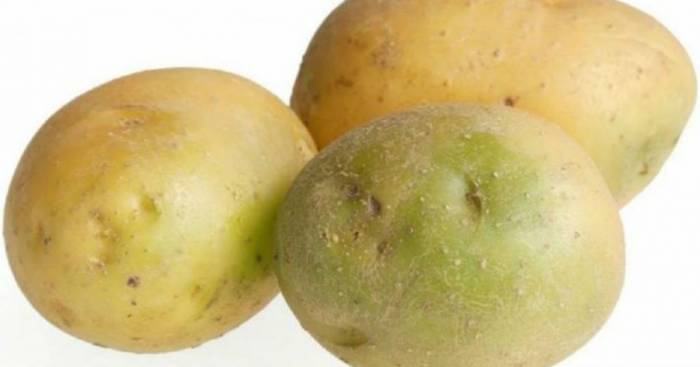
Potatoes, and especially any green part of the plant, contain a toxic chemical called solanine.
Potatoes naturally produce small amounts of solanine as a defense against insects, but the levels increase with prolonged exposure to light and warm temperatures.
advertisement
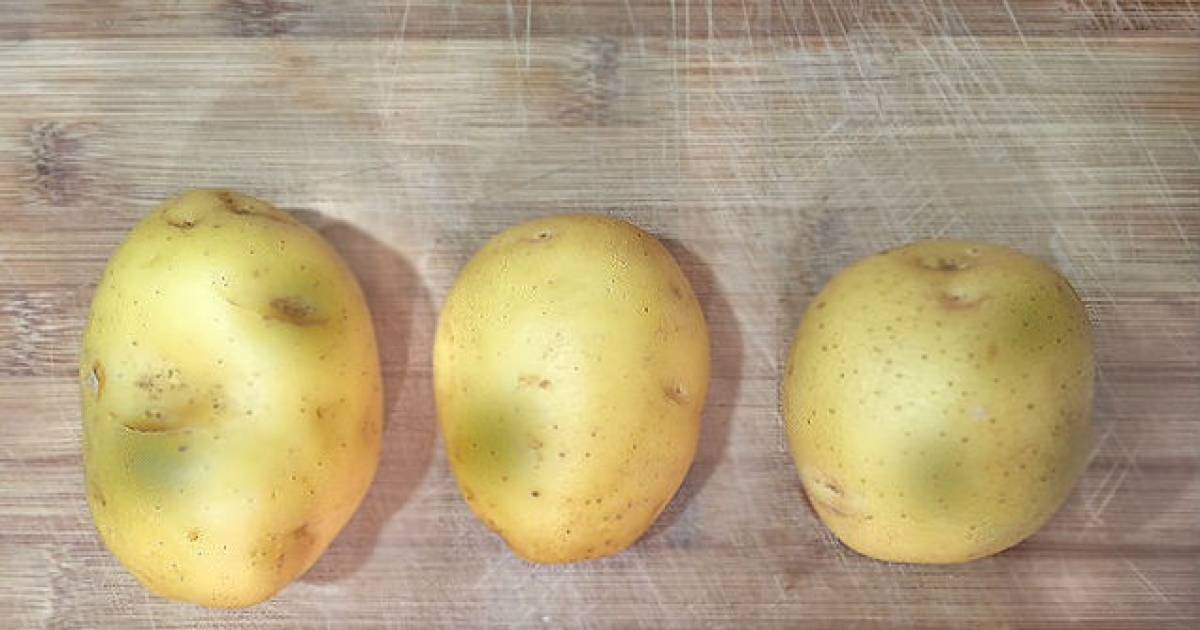
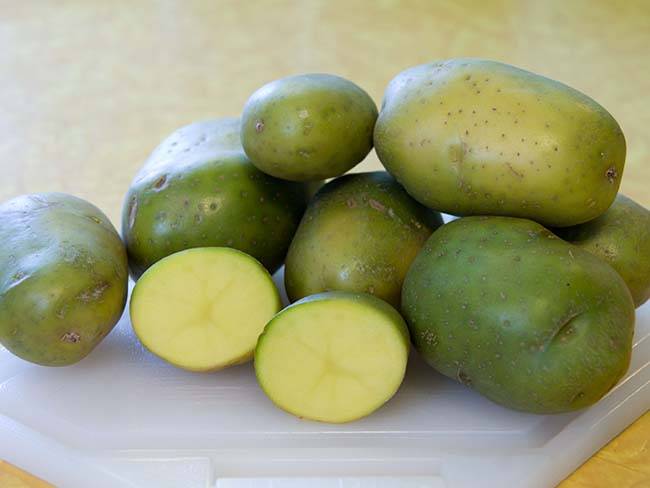
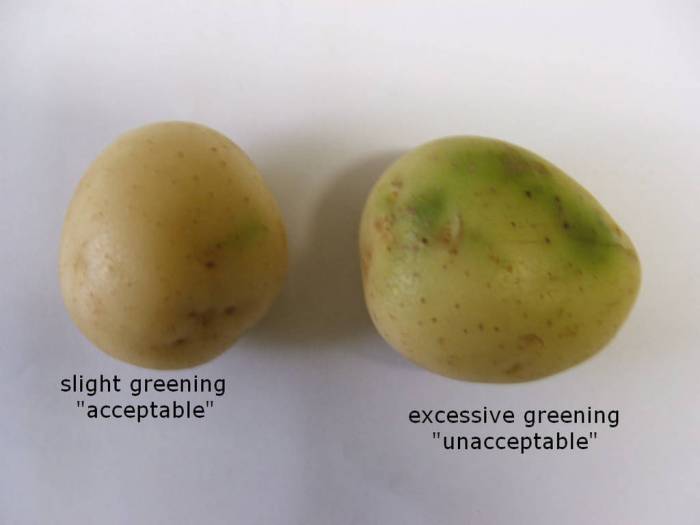
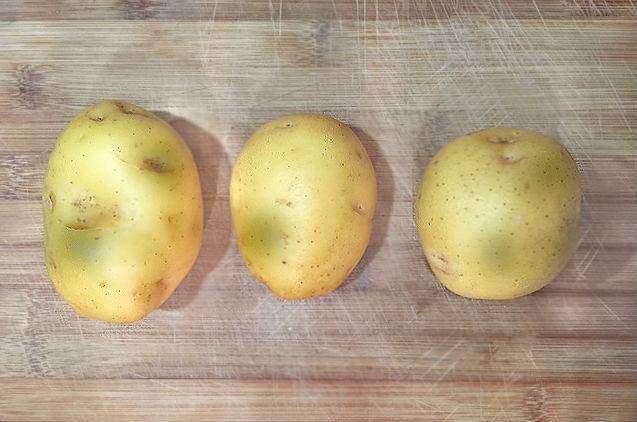
But how do you know when solanine is present in a potato? The tuber is turning green.
The green color is actually caused by high levels of chlorophyll, which by itself is harmless. But it is also a sign that levels of solanine, which is produced at the same time as chlorophyll, have increased as well.
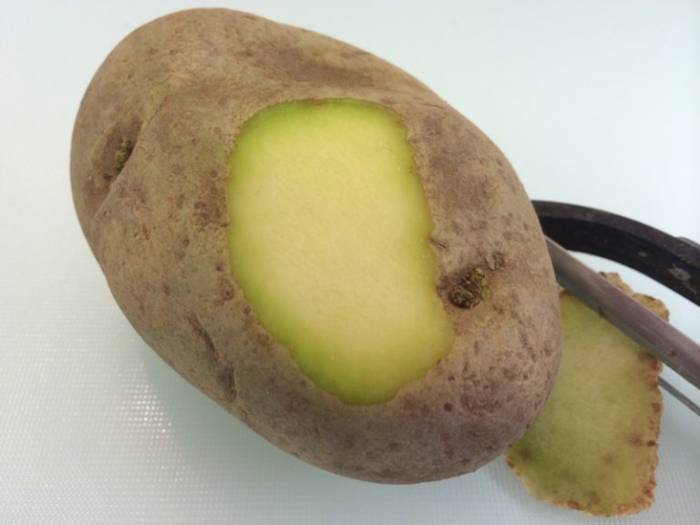
Solanine is toxic if it's ingested (eaten or in a drink).
According to one study, toxic symptoms appear at doses of 2-5 mg/kg body weight, with lethal doses at 3-6 mg/kg body weight.
advertisement
But this doesn't mean that eating a few slices of the green vegetable cannot risk health.
The researchers state that to clear even a small amount of Solanine, the body takes almost a day long so subsequent accumulation is poisonous.
advertisement
If you eat enough of the green stuff.
It can cause vomiting, diarrhea, headaches, paralysis of the central nervous system (as evidenced by the incident above) but in some rare case, the poisoning can cause coma—even death.
advertisement
The report noted that most green potatoes never reach the market.
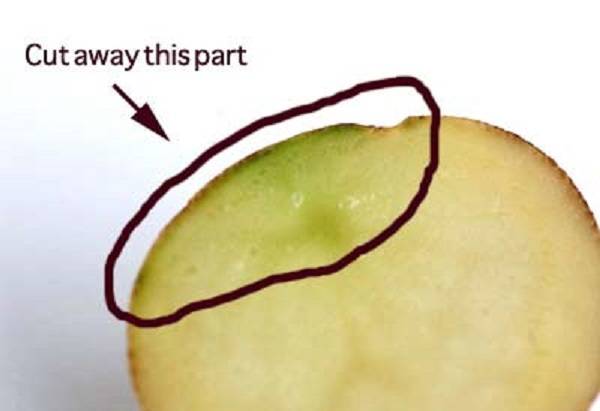
Still, to avoid the development of solanine, it is best to store potatoes in cool, dimly lit areas, and to cut away green areas before eating. Another good rule: if it tastes bitter, don’t eat it.

advertisement
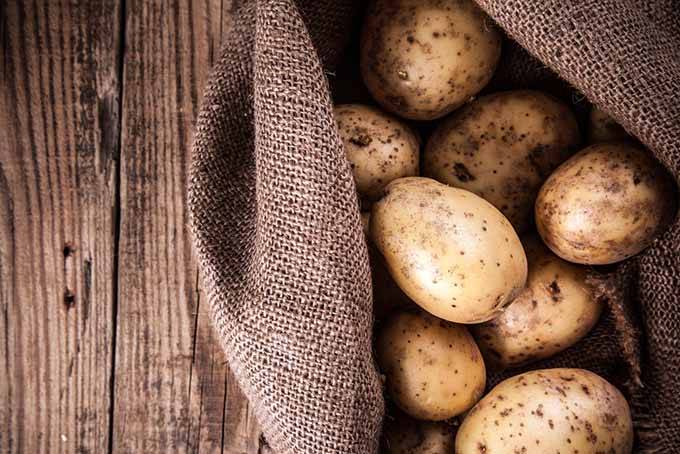
At home, store them in a cool, dark place, such as a root cellar or basement.
They should be kept in an opaque sack or plastic bag to shield them from light. Storing them in the refrigerator isn’t ideal, as it’s too cold for potato storage. Some studies have even shown increased solanine levels due to storage at refrigerator temperatures
advertisement
Potatoes are nutritious and delicious, so you shouldn't avoid eating them just because the plant contains a natural defensive chemical
The National Institutes of Health advises people avoid eating potatoes with green skin.
advertisement
A Journal of Agriculture and Food Chemistry states that Solanin concentrates are mostly found in the peels that can be taken off while cooking.
So green or white, peel the skin and use the tasty tuber.