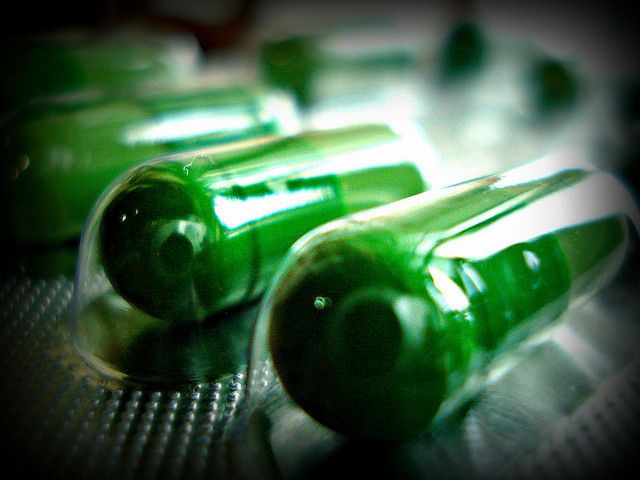
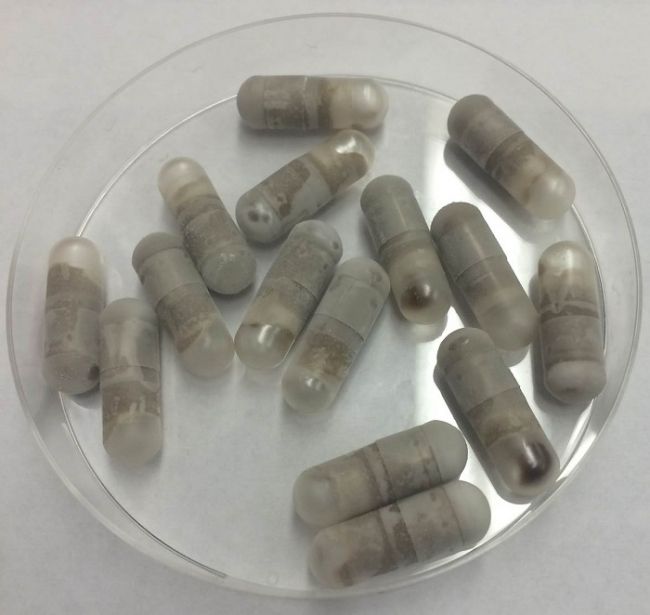
Freeze-dried poop pills being tested for obesity treatment.

Actual Poop Pills Investigated As Obesity Treatment
By
Editorial Staff in
Health and Fitness
On 18th January 2016
advertisement
#1 Can frozen feces be the cure for obesity?
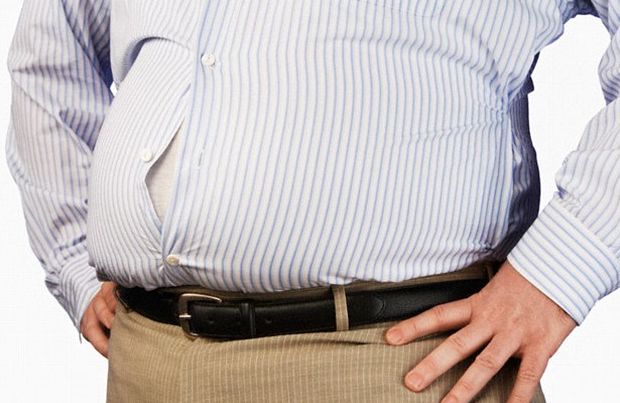
The key to combating the obesity epidemic could involve overweight people taking pills containing freeze-dried feces, scientists claim.
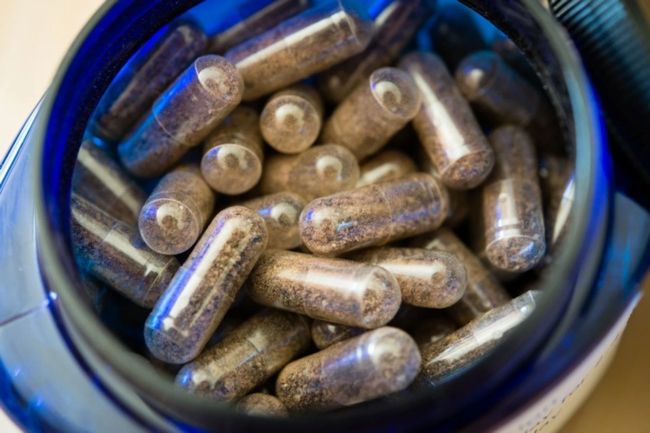
#2 Mounting scientific evidence suggests that gut microbiota plays an important role in regulating the human metabolism.
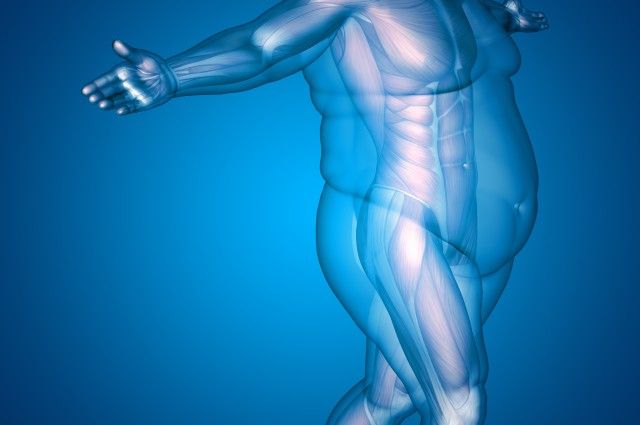
Feces contains microbes from the intestines, and past studies show these microbes could influence a person's weight. Therefore, the theory goes that by introducing the 'healthy' gut bacteria from a slim person into the intestines of an obese person, the microbes will help to influence that person's weight.
advertisement
#3 In order to test the idea, a team of scientists at Massachusetts General Hospital are embarking on a new clinical trial.
Twenty obese patients will be given a daily pill filled with a donor's frozen feces. The test will determine if transplanting ‘healthy' microbes into the gut of obese people will improve their metabolism. Massachusetts General Hospital has sponsored a study that will test the impact of poop pills, filled with freeze dried fecal matter, that aim at improving the microbiome environment. The pills are expected to be a much easier way of inserting the healthy fecal matter into an individual, rather than inserting it through the anus.
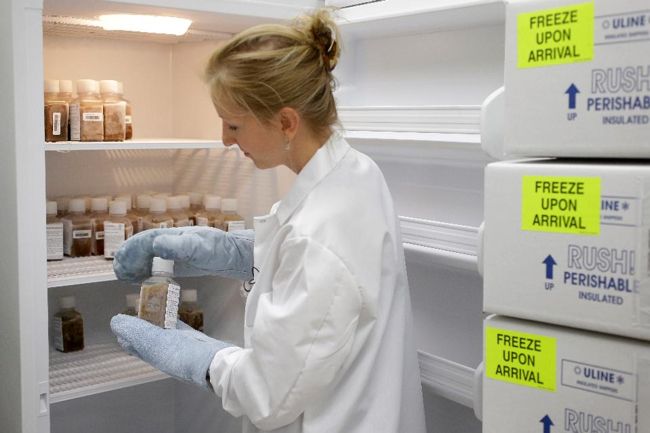
#4 As part of the trial, each patient will be given weekly fecal doses for six weeks.
The scientists will record their weight and health at three, six and 12 months and possibly even longer, depending on how the trial goes. They will ask the trial participants to maintain normal eating and health habits during the test.

advertisement
#5 The team of scientists have long been interested in the effects of frozen feces on various ailments.
Dr Elaine Yu, an assistant professor and clinical researcher, told Ars Technica: ‘We have no idea what the result will be', but that she and her colleagues are cautiously optimistic. At the moment, there is a lot that scientists don't know about the microbes in the body or what they do, which Dr Yu said is ‘highly unsatisfying'.
advertisement
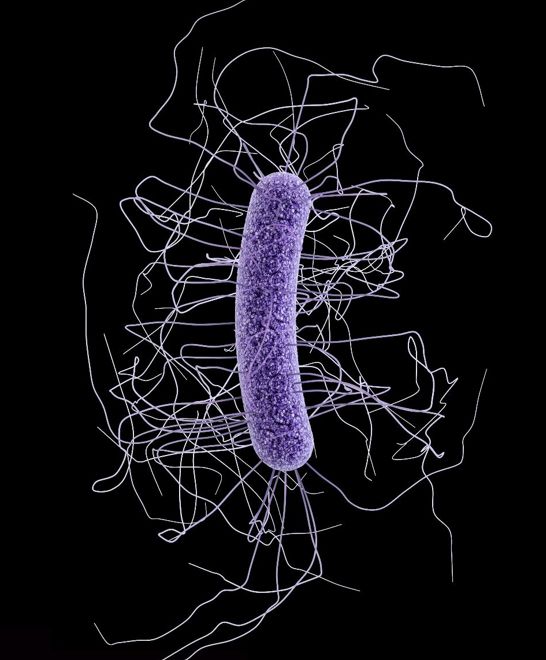
#6 Last year, they tested frozen poo tablets on a deadly hospital superbug.
The infection in question Clostridium difficule (C. difficle) can be life threatening. But, the scientists found that introducing ‘normal' gut bacteria from a healthy donor's excrement rebalanced a C. difficile patient's system, curing their illness. They were able to successfully cure 18 of 20 patients who took part in the study of their diarrohea, improving their condition.
Similar stool treatments can also be conducted in an operation known as as fecal micriobata transplant (FMT).
advertisement
#7 Faeces contains microbes from the intestines, and past studies suggest these microbes could influence a person's weight.
A slim man who had received a fecal transplant in 2011 for her recurring C. difficle infections ended up becoming obese. However, he was treated for the infection with a stool transplant from an overweight donor. This leads scientists involved to believe that the treatments from a slender person to an obese person will be worth continuing the study.
advertisement
#8 Once the test is completed, the scientists will for the first time try to determine once and for all if microbes can cause weight changes.
Mounting scientific evidence suggests that gut microbiota plays an important role in regulating the human metabolism. Dr Yu told Ars Technica that she hopes microbe treatments will one day go hand-in-hand with dietary interventions to treat obesity and metabolic disorders.