The smallest coffins are the heaviest. Children are considered to be the gift of God. They are pure, innocent and a bundle of joy for everyone around them. Therefore losing them is most painful and heartbreaking for the parents.

After 16 Miscarriages, Mom Loses Miracle Baby To Meningitis
By
Samantha in
Heartbreaking
On 31st October 2016
advertisement
#1
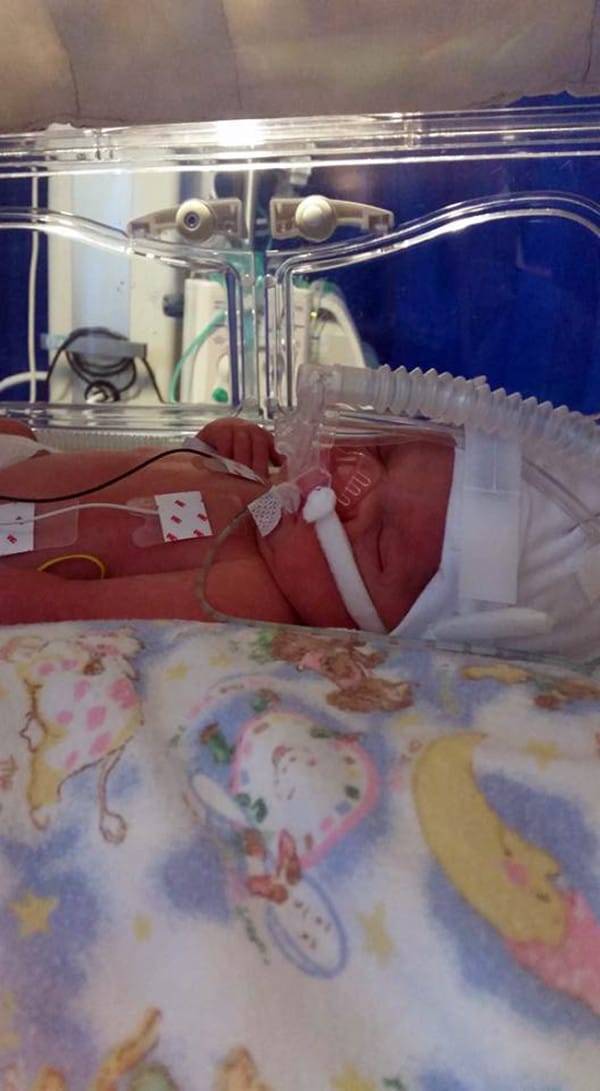
For one mom from the UK, Lizzie Allen, the pain is especially hard. Allen fought through sixteen miscarriages before she finally conceived her baby girl, then lost her to meningitis, a devastating, fast-moving illness that stole her in just 6 hours.
#2
Now she is doing everything in her power to honour her baby girl and educate other parents about the dangers of meningitis.In babies and toddlers, the symptoms of meningitis are:
Fever
Rash
Nausea and vomiting
Sensitivity to light
Listlessness or difficulty waking
Refusing food

advertisement
#3
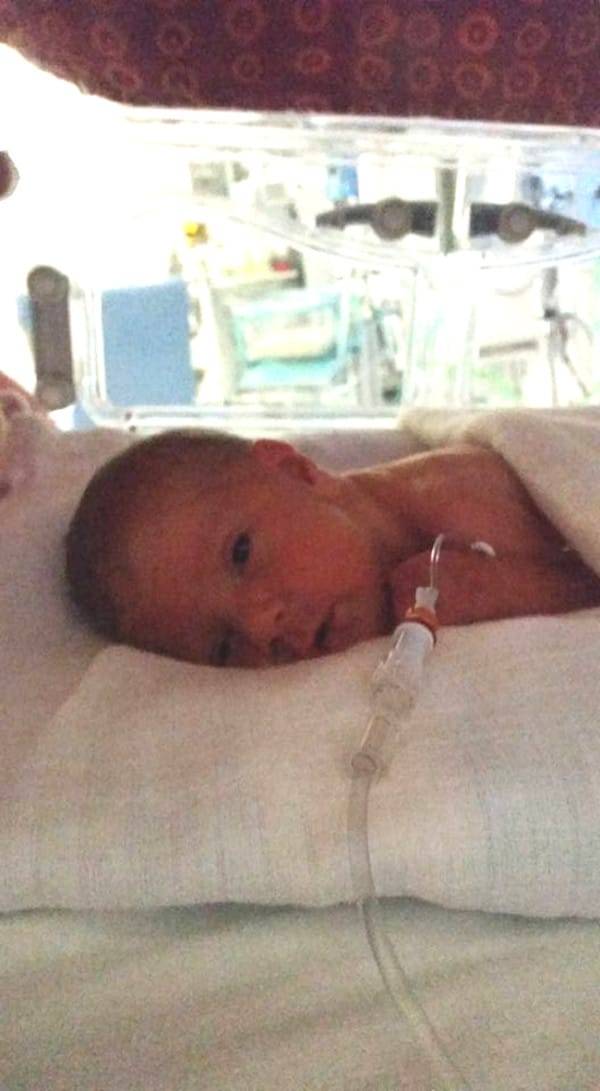
Little Fleur-Rose Allen was the very definition of a miracle baby.
Mom Lizzie Allen told PA Real Life:
"I had 16 unexplained miscarriages in six years before she was born."
"Time after time, I experienced heartbreak. Then, finally, she was there."
"She arrived early and weighed just 4lbs, but she was a miracle."
#4
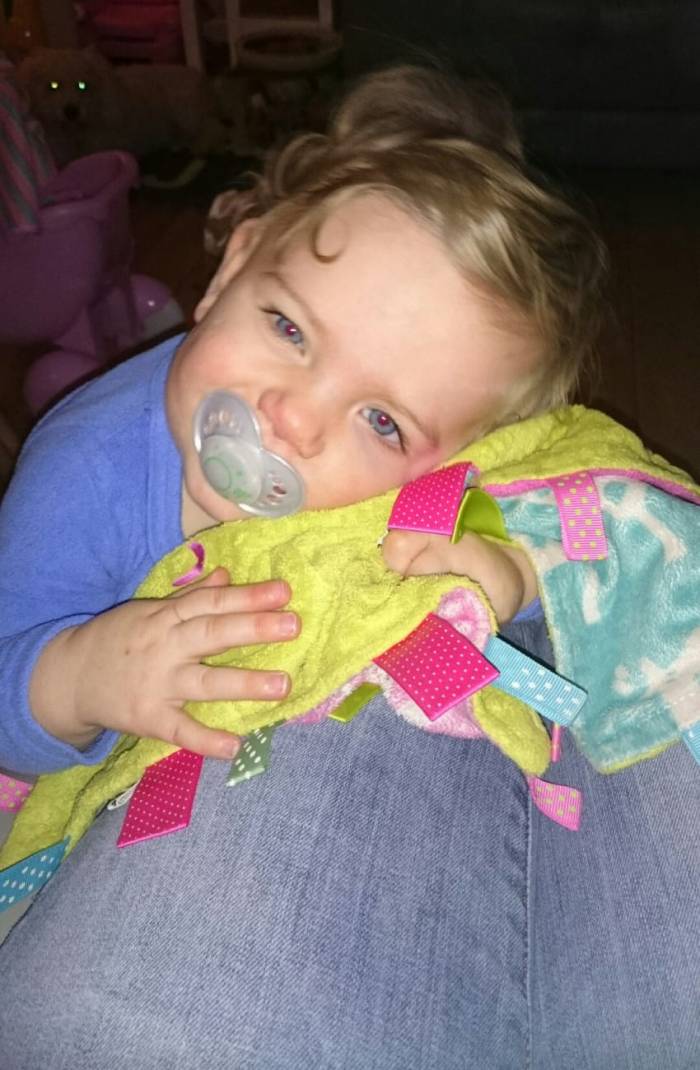
Allen describes her, saying, "She was a cheeky thing. Friendly, giggly and so well-behaved."

advertisement
#5
For parents Lizzie and Matt, she was the light of their lives, and quickly grew into a bubbly, sunny 15-month-old.

advertisement
#6
Allen knew something was wrong right away when she came in to wake up her little ray of sunshine one morning this past April, and found her crying and fussy, with a low fever.

advertisement
#7
Assuming she had a mild bug of the kind toddlers pick up easily, Allen gave her water and some Calpol, a syrup similar to Tylenol used to treat mild pain and fever.
advertisement
#8
But the mild bug quickly turned into something far worse when Fleur-Rose's fever spiked.
But shortly after arriving at the hospital, Fleur-Rose seemed to get better, perking up and playing a bit.
She was vomiting, but the medical staff was not concerned much because she was so chirpy and happy.
She wasn't put on antibiotics or tested for meningitis when she arrived at the hospital, so when her symptoms suddenly grew worse that night, the medical staff had lost any advantage they should have gained from the Allens' fast action in bringing her for treatment.
Fleur-Rose was finally given an antibiotic at 5:30 pm, but it was too late.
She suffered the first of four cardiac arrests at 6 pm that night.
She was resuscitated three times, but after her fourth heart attack, there was nothing more to be done.
Fleur-Rose passed away at 11 o'clock at night, less than 24 hours after first showing symptoms.