There are many signs of cat aging, however, identifying them can be difficult.
When an owner is educated on the symptoms of feline aging, they are better equipped to recognize and treat in the early stages


There are many signs of cat aging, however, identifying them can be difficult.
When an owner is educated on the symptoms of feline aging, they are better equipped to recognize and treat in the early stages
So goes one of the common tropes of feline ownership, and in many cases it's true. Cats are subtle creatures, not ones for making a big scene whenever they feel under the weather.
The good news is astute pet parents looking for small changes can spot many signs of aging as long as they know what to look for.
The aging process varies slightly, and cats do tend to live longer today than in the past. Despite this, there is still a wide range in terms of life expectancy in cats, depending on their breed and whether they are indoor or outdoor cats.
In general, however, cats are considered seniors when they are around 7 to 10 years old. As with humans, once they reach this point they start to show signs of getting older.
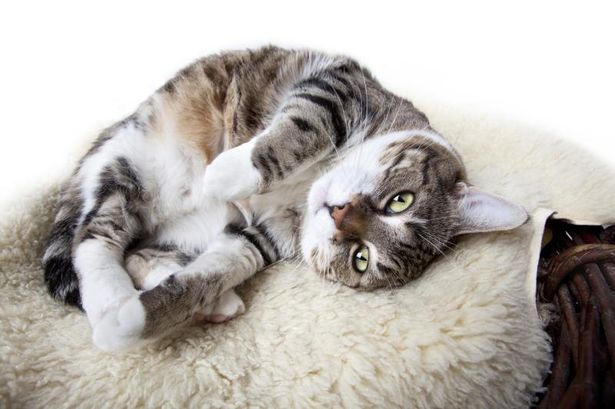
Their energy needs stay basically the same throughout adulthood. Obesity is one of the main health problems of middle age cats, but older cats tend to lose some of that fat. Some studies have shown that senior cats do not digest, and thus absorb fat, as well as younger cats. This means that older cats may need to consume either more fat or fat that is more digestible to get the same amount of energy.
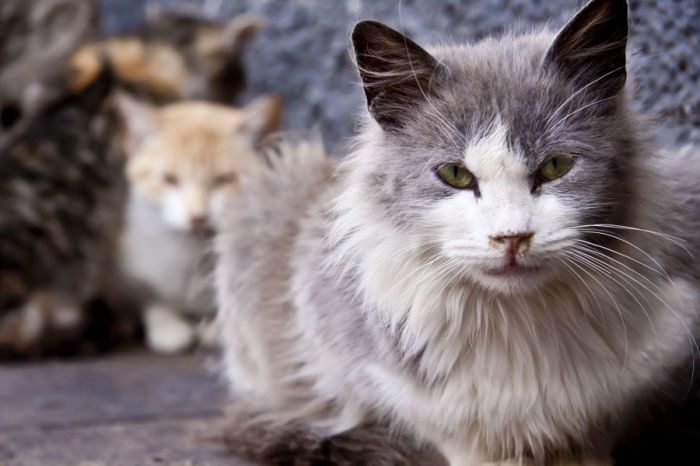
The haircoat may become thinner and duller, however, this can also be a sign of disease or nutritional deficiency. Older cats may need to be groomed more often
The skin of the older cat may become thinner and thus more subject to injury. Injured skin in older cats generally takes longer to heal. Dry skin can be a problem for older cats. Brushing will help stimulate the sebaceous glands and spread the natural oils through the coat.
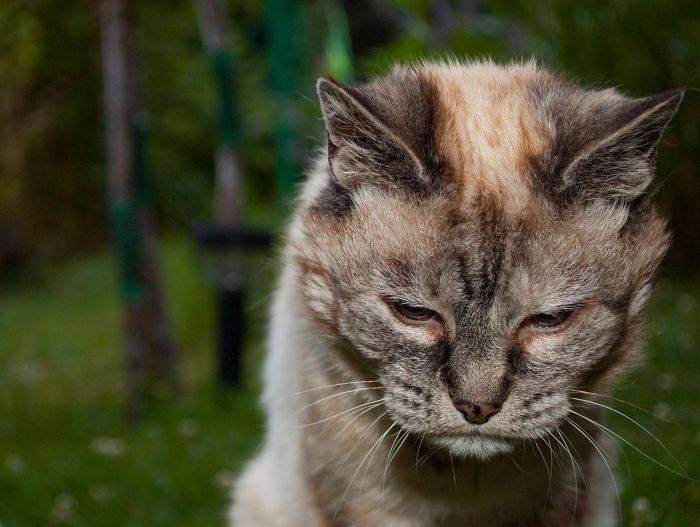
Eye problems in aging cats can present as a primary condition or secondary to a larger health issues. Some of the most common primary eye conditions in cats are trauma, cancers, and glaucoma (increased intraocular pressure).
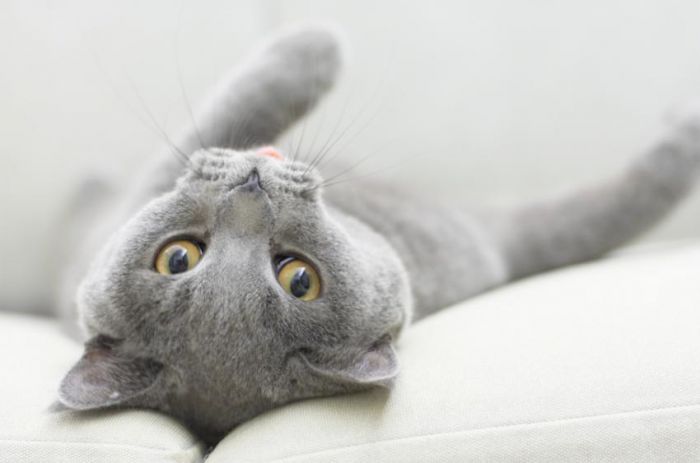
Ocular disease may present secondary to another primary condition such as elevated blood pressure. Hypertension is often seen in cats suffering from hyperthyroidism and/or kidney disease. This may present as engorged retinal blood vessels noted during a physical exam, or in severe cases a detached retina, observed by owners as sudden blindness or decrease in vision.
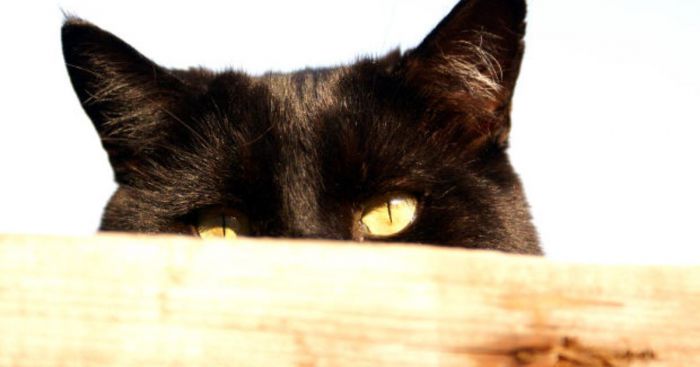
Pawing at the eye or excessive blinking
Engorged blood vessels in the sclera, or whites of the eyes
Pupils that remain dilated even in high light, or are two different sizes
Bumping into objects or other signs of decreased vision
Cloudiness or visible debris in the front of the eye
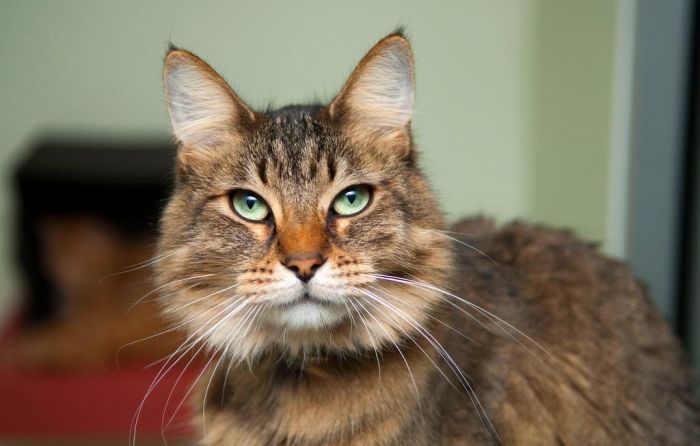
Kidney disease is one of the leading causes of illness in senior cats. You may initially notice an increase in drinking and urination as the kidneys lose their ability to concentrate urine. As the disease progresses, cats lose weight and their appetite as toxins accumulate in the blood. Although kidney (renal) failure is irreversible, early detection and specially designed kidney diets can slow progression of the disease.
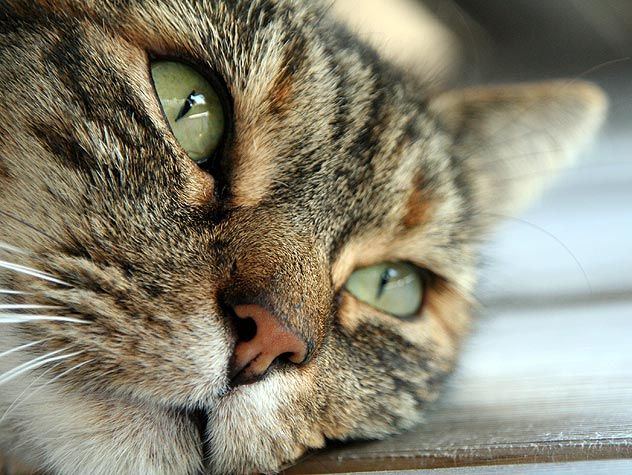
When a cat cannot urinate it's considered an emergency situation which requires immediate veterinary attention.
Just as we see changes in the haircoat, we can also see thickening of the foot pads and changes in the nails of older cats. They may tend to become brittle. Care must be taken in clipping the nails of older cats, and they may need to be clipped more often since older cats may not use scratching posts as often as younger cats.
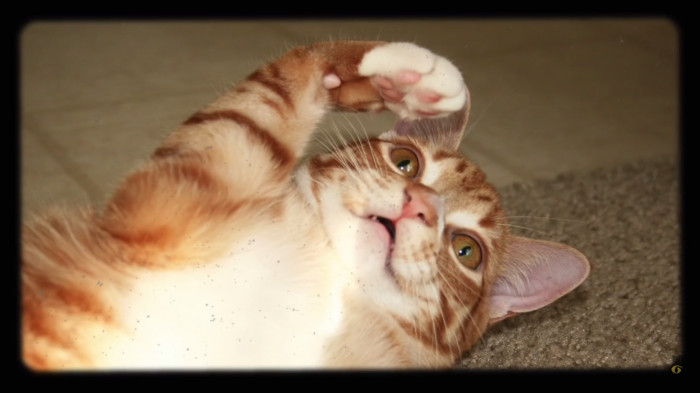
If you have an older cat who is beginning to have problems moving around, this is another sign of feline aging.
He may start walking more stiffly or appear to avoid jumping and climbing. This can indicate muscular problems or arthritis, both of which can be problematic in aging felines.
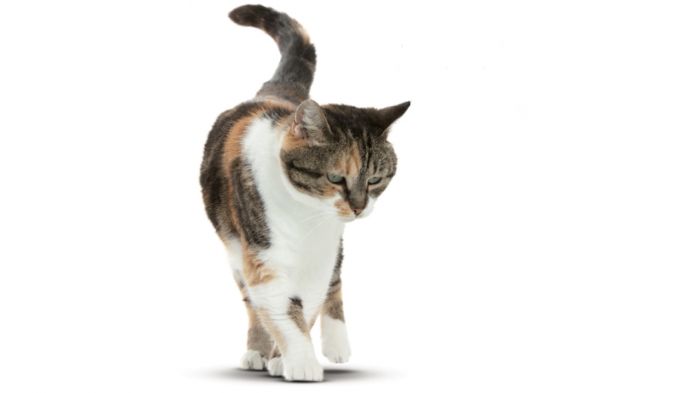
While visible tartar and periodontal disease are significant findings in felines, they are susceptible to a dental problem even more severe. Between 30 and 70 percent of adult cats will experience feline tooth resorption, a poorly understood disease that causes the body to dissolve teeth at the roots. This very painful condition may go unnoticed as the visible crowns above the gumline may appear perfectly normal, even with the roots crumbling away.
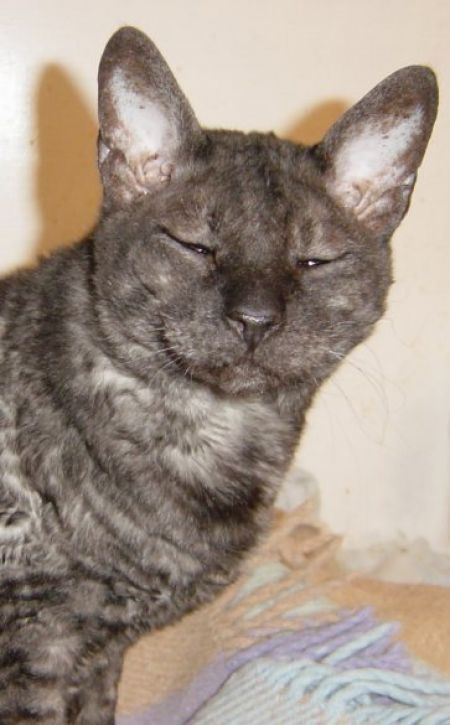
but so is taking dental radiographs. This is the only way to definitively diagnose tooth resorption. Older cats who appear reluctant to eat, drool, or appear to have difficulty chewing should be evaluated promptly.
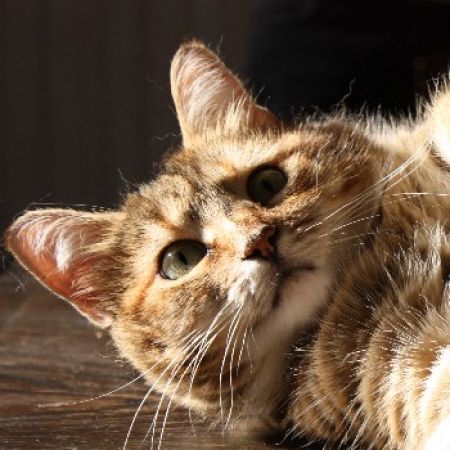
Elderly cats tend to sleep a lot more and play less.
They may react poorly to stress, so it is best to not introduce them to new situations once they get older.
Some cats may become aggressive because of fear or pain. In many cases, your veterinarian will be able to determine the cause of the aggression and either eliminate the cause or recommend a good behaviorist.
Older cats might stop using the litter box either because of stress or a medical problem.
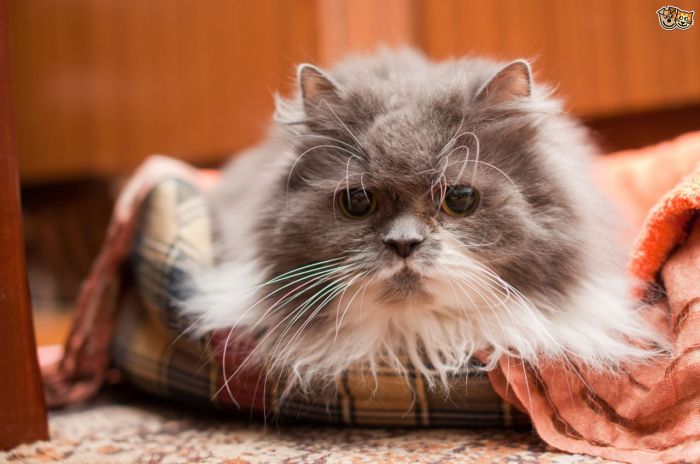
Cancer is well described in most mammals, a genetic consequence of the aging process. Cats are no exception. Some types occur more commonly than others: white cats, for example, are more susceptible to squamous cell carcinomas in the unpigmented regions of the nose and ears, while certain types of vaccines have been associated with soft tissue sarcoma. It can strike any cat at any time, however. If you notice an unusual lump or mass on your cat, have it evaluated by your vet.
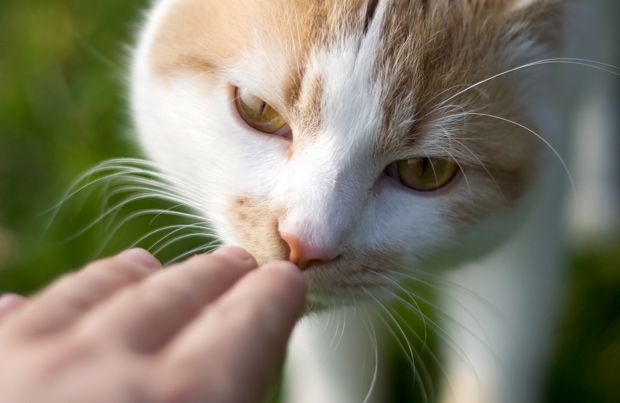
While one pound may not seem like much to you, that represents a 10% weight difference in a ten-pound cat. Sudden drops in weight can indicate a litany of problems ranging from diabetes and kidney disease to cancer and hyperthyroidism. Any noticeable change in your cat's weight warrants an evaluation by the vet. Sometimes it is the first and only early sign of significant disease.
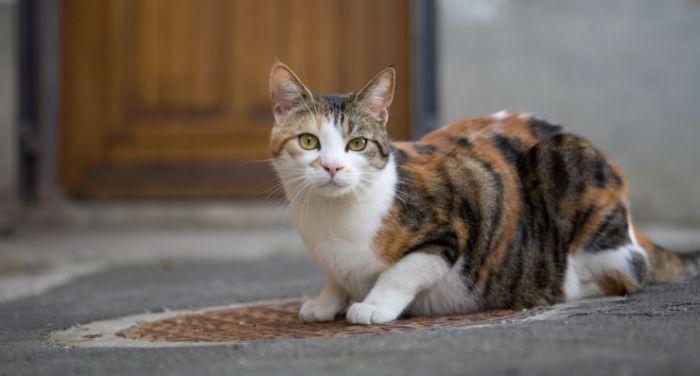
which is why it's so important to be "in tune" with any seemingly minor changes in behavior. They can often be the only signs you get that something is wrong. In addition, don't forget to bring your cat in for regular veterinary visits to identify those age-related diseases early.