

The illness progresses through four stages, each of which can last for years without being detected

Symptoms Of AIDs Explained As Experts Warn Of 3.3 Million New HIV Cases
By
maks in
Health and Fitness
On 2nd December 2025
advertisement
These are the main symptoms linked to AIDS as health experts warn that another 3.3 million HIV cases could develop over the coming years.
AIDS was first recognized in 1981 when the Centers for Disease Control and Prevention (CDC) reported several unusual cases across the United States.
Just two years later, in 1983, researchers identified the virus responsible for AIDS. It was named the human immunodeficiency virus, or HIV, and has been studied extensively ever since.
Over time, a number of well-known figures publicly shared their diagnoses, including Queen frontman Freddie Mercury, Brady Bunch star Robert Reed, and actor Charlie Sheen.
While AIDS was once viewed as a certain death sentence, modern treatment has changed the outlook entirely. With the right care, HIV can be managed to the point where it becomes undetectable and untransmittable.
Because of these breakthroughs, many people with HIV are now able to live long, healthy, and full lives.
advertisement
One of the biggest advances has been antiretroviral therapy, known as ART, which stops HIV from multiplying inside the body.
There is also PrEP, a preventative medication introduced in 2012, which greatly reduces a person’s risk of contracting HIV.
Even with these medical tools, UNAIDS — the United Nations’ HIV prevention program — has warned that an additional 3.3 million HIV cases could appear globally within the next five years.
This rise is linked to the recent drop in global HIV funding, marking the biggest setback in decades for prevention efforts.
Many programs have been scaled back, leaving vulnerable communities without the resources they need.
advertisement
What is AIDS?
AIDS stands for acquired immunodeficiency syndrome, and it is the advanced form of an HIV infection.
According to the National Institutes of Health (NIH), HIV targets and destroys CD4 cells — immune system cells that help the body fight infections.
When these cells decline, it becomes harder for the body to defend itself, which makes everyday illnesses and serious infections more dangerous.
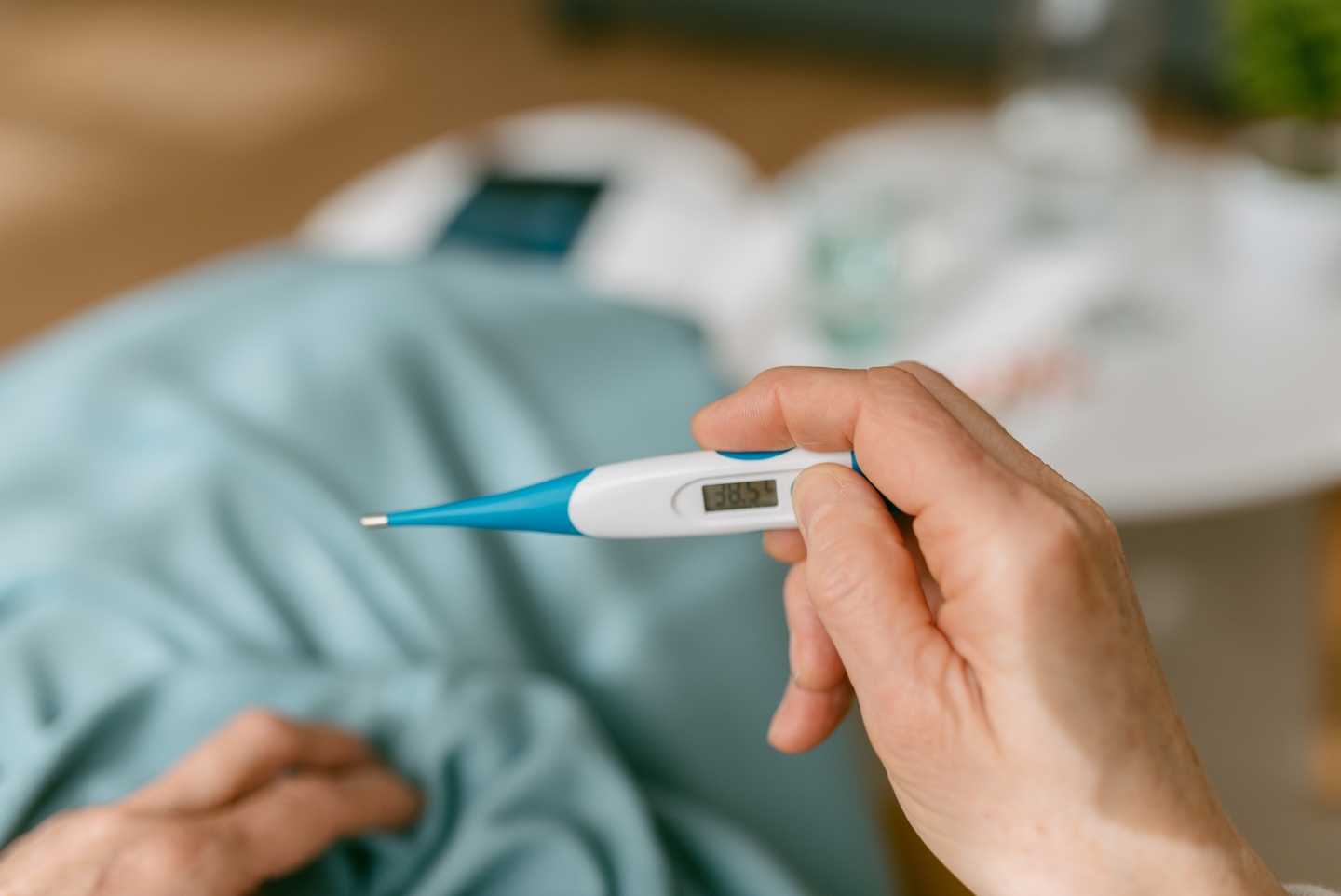
A fever can also be a symptom of HIV
Getty Stock Photo
advertisement
HIV spreads through direct contact with specific body fluids from a person who has a detectable viral load, as explained by HIV.gov.
These fluids include blood, semen, pre-seminal fluid, rectal fluids, vaginal fluids, and breast milk.
advertisement
Symptoms of AIDS
HIV develops in four stages, and each stage comes with its own pattern of symptoms and progression.
Not everyone experiences symptoms in the same way, and the timeline can vary greatly from person to person.
advertisement
Primary HIV Infection
The Mayo Clinic notes that symptoms during the earliest stage of HIV infection often appear two to four weeks after exposure and can last anywhere from several days to a few weeks.
Many people experience symptoms similar to the flu, while others barely notice anything unusual and may assume they are simply run-down.
During this period, the viral load is very high, which makes the infection extremely contagious.
advertisement
Common symptoms include:
- Fever
- Headache
- Muscle or joint aches
- Rash
- Sore throat or mouth sores
- Swollen lymph nodes, especially in the neck
- Diarrhea
- Weight loss
- Cough
- Night sweats
advertisement
Chronic HIV
The second stage, known as chronic HIV, can last for many years if left untreated.
During this phase, HIV is still active but multiplies at a much slower rate, which causes fewer immediate symptoms.
Most people feel completely fine during this stage, even though the virus continues weakening the immune system.

A cough could be a bad sign
Getty Images
advertisement
Without treatment, chronic HIV often lasts eight to ten years.
With ART, however, people can remain in this stage for decades while keeping their viral load undetectable.
advertisement
Symptomatic HIV Infection
The next stage occurs when HIV has caused further damage to the immune system and the number of CD4 cells continues dropping.
This allows mild and moderate infections to appear, many of which keep coming back or last longer than usual.
Symptoms during this stage are often ongoing and may include:
- Fever
- Fatigue
- Swollen lymph nodes
- Diarrhea
- Weight loss
- Thrush (oral yeast infection)
- Shingles
- Pneumonia
advertisement
AIDS
The final stage, AIDS, develops when CD4 levels fall very low and the immune system becomes severely weakened.
At this point, the body can no longer defend itself against serious infections or cancers that a healthy immune system would normally control.
Common symptoms may include:
- Persistent fever
- Chills or heavy sweating
- Ongoing diarrhea
- Swollen lymph nodes
- White patches inside the mouth
- Extreme fatigue or weakness
- Rapid and unexplained weight loss
- Skin rashes or bumps
Thankfully, most people who receive consistent and effective treatment never reach the AIDS stage.
If you need confidential advice or support, you can contact the Terrence Higgins Trust at 0808 802 1221, Monday through Friday from 10 a.m. to 6 p.m., or email them at [email protected].