Your health is a strange thing. It can often be the case that your body can really trick you into believing that you are actually quite healthy when this does not have to be the case. Yes you might feel as if you are well, but there can be little signs that all is not as it seems. Knowing what these signs are can actually help you in the long term, so these are 10 signs you are not healthy at all.
Alarming Signs You’re Not Healthy That You Probably Ignore
By
Editorial Staff in
Health and Fitness
On 20th August 2017
advertisement
#1 You’re Bloated
Some foods are naturally difficult to digest, but “if you’re always bloated, it’s time for a health tune-up,” says Joy McCarthy, holistic nutritionist and Genuine Health ambassador. “It could mean you have a food allergy or sensitivity.”

#2 You’re Always Tired
If you feel lethargic (no matter how many hours of shut-eye you get) on the regular, it’s definitely worth talking to your MD. Dr. Jason Marr, naturopathic doctor and Genuine Health ambassador, warns that, “fatigue is often a sign of many different, inter-related health problems.”

advertisement
#3 You Have Bad Breath
Yes, it’s usually just because you loaded up on garlic or onions at your last meal, but sometimes bad breath can be a sign of something more serious. If brushing and flossing doesn’t improve the stank, go see your doctor or dentist.
#4 Anxiety
While we cannot really see anxiety, we can feel it. But anxiety does show up on the body, on the face, in unhealthy nails and hair, in thin, dry skin. Not always do we recognize the visual signs. So we should pay attention to our bodies responses –like rapid heartbeats, increased breathing patterns, quick blinking, or any twitching, shaking, or trembling throughout the body. Any of these symptoms can indicate a deeper mental issue. Those suffering from anxiety could be depressed, have phobias, be OCD, PSTD, or GAD. These all require the help of professionals, therefore if you are feeling anxiety or noticing physical signs, you should seek the counsel of a professional as soon as possible. Anxiety can reek havoc on your body in terms of your cardio-vascular health, your nervous, digestive, and immune systems, and play tricks with your brain.

advertisement
#5 Un-healthy Nails
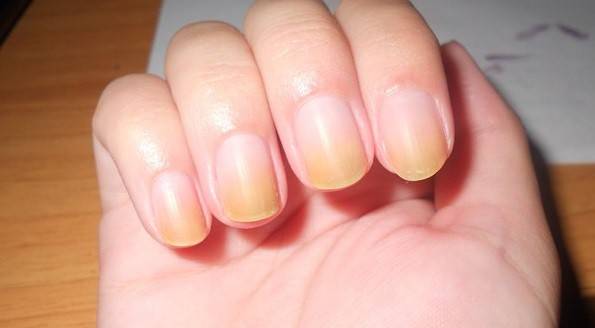
First of all, if your nails are yellow it’s either from smoking, which you should stop now, or from overuse of acrylic nails which damages the natural nailbed and depletes blood flow. Of course, yellow nails happen with age, but you’re not there yet, not even close. Pale, whitish nailbed can indicate anemia or in severe cases diabetes. If your nails become thick or thicker, it could be a sign of a fungal infection that must be cleared up with some proper herbs and medicines. Thin, brittle nails lean towards someone with thyroid problems and you should, therefore, have a blood test to check. Nail pitting, which is known as small divots, cracks, or depressions in the nail, can reveal psoriasis, but you should consult a professional to verify this. White, horizontal lines can be related to blood flow. Dark, vertical lines can be related to melanoma.
advertisement
#6 LOW SEX DRIVE
Like other things on this list, a low libido can be caused by many things. Lifestyle and relationship factors, emotional and physical well-being, and other issues can suppress our desire for sex. Prescription medications are notorious for causing low libido.

advertisement
#7 Your bowels are not regular.
By rights, we should all have regular bowel movements if our system is working perfectly. However, if you find that it is erratic and you only really go once every other day, then it can be a sign that all is not well. You may feel healthy, but there can be inflammation in your bowels, there can be toxins building up, the lining of your bowl can become irritated and you can then develop various health conditions as a direct result of your lack of movements. Perhaps getting yourself checked out is a good idea.

advertisement
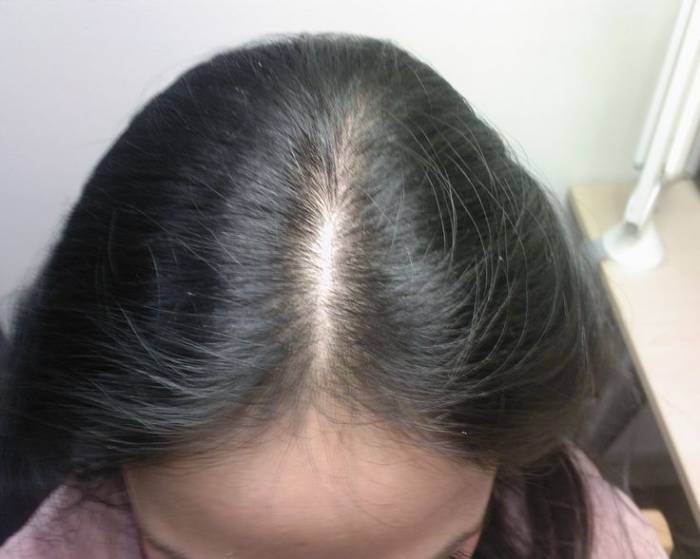
#8 RAPID HAIR LOSS
Loss of hair is a normal process; one that is influenced by your genes and, to a lesser extent, your lifestyle. However, hair loss is – in most instances – a gradual occurrence. Rapid and sudden hair loss should be looked at, as there may be some underlying medical cause.
advertisement
#9 FLUCTUATING WEIGHT
Most of us pack on a few pounds as we age, only to lose it, then gain it back again. This is a natural byproduct of a slowing metabolism (yay!) However, excessive weight gain or loss may very well be a sign of a serious medical condition.

advertisement
#10 You are not sleeping like normal.
If you find that your sleep pattern is disturbed and you are suffering from some form of insomnia it does tend to point towards your body and mind being too stressed. When we sleep, our body is supposed to lower the amount of cortisol coursing through it, but when we are stressed this does not happen and we are thrown out of sync. When this happens our body struggles to repair itself and recharge its batteries leading to us gradually being run down and when this happens we can pick up all kinds of illnesses due to our immune system not operating at full capacity.

advertisement
#11 You are not as tall as you used to be.
This may sound strange, but as we get older there is a tendency for us to shrink, but the rate at which this happens can indicate that there is some kind of issue with our bones and in particular with us developing osteoporosis. The problem with this bone disease is that it then means we are more likely to fracture a bone when we fall or develop curvature of the spine, so early diagnosis will allow you to make changes to your diet that can stop it from progressively getting worse.

advertisement
#12 Urine color
Having a good look at your urine could tell you more about what’s happening inside, or maybe what’s not happening, and give you a clue as how to correct the problem. If your urine is brown this could hint at a serious muscle issue, like muscle damage or overexertion –small piece of muscle fibers have been released into the bloodstream resulting in brown urine. Untreated, this could lead to kidney damage. Brownish-yellow surely seems to be a sign of dehydration, but it could be that your kidneys have concentrated your urine for some reason; no need for alarm, but definitely more water is called for. Bright yellow could be the cause of too much B vitamins which is nothing to panic about as this is the body’s way of excreting the extra riboflavin in B vitamins. Many multi-vitamins contain additional amounts of riboflavin, so this could be the culprit. Pale yellow is a good sign, you’re probably perfectly hydrated but this doesn’t indicate anything further about your overall health. And if your urine is clear you are, without a doubt, hydrated if not overhydrated, however there is no harm in drinking too much water only the pain in visiting the toilet multiple times a day.

#13 You Snore
Make all the jokes you want about snoring, but it can actually be a sign of a serious health problem. Speak to your doc to rule out sleep apnea and make sure you don’t have a deviated septum.

advertisement
#14 You’re consistently itchy
If you’re not acutely aware that you have an itch, you probably won’t notice. But if you’re thinking about whether or not you have an itch? You’ll be itchy. It’s weird. However, if you’re seemingly always itchy and it’s disrupting your day, that may indicate a bigger problem. It could be your body’s way of telling you you’re allergic to something nearby. Or it could be a skin disorder, as we covered earlier. One big worry? Excess itchiness could be a sign of liver trouble.

#15 You always have the cold or flu.
It does seem to be the case that there are some people out there that catch the cold and flu constantly throughout the winter. This is because their immune system is constantly low and they are then unable to fight off the bacteria and viruses that are surrounding us on a daily basis. If you are that person, then your immune system could be compromised and it has been shown that this will make you more likely to develop various other health issues over your life time.

advertisement
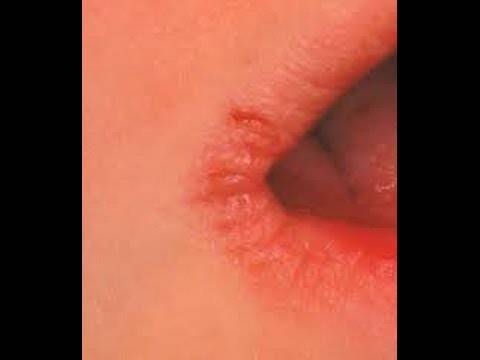
#16 Your lips crack, especially at the corners of your mouth.
Cracked lips, also known as “cheilitis,” can signal adeficiency in B vitamins, especially vitamin B12, which can put you at risk ofillnesses like anemia. For a simple sourceof B12, mix up my favorite go-to snack—popcorn, olive oil, nutritional yeast,truffle salt, and cayenne pepper. (It’s the nutritional yeast that is a potentsource of B12. My BFF Tricia Barrett, who made up the recipe, calls it “popcorncrack!”)
#17 Flushed face
Red cheeks and nose (rosacea) often affects women aged between 30 and 55. Stress, sun, and spicy foods make blood vessels dilate, so limit your exposure. Rosacea can affect the eyes and is sometimes confused with lupus. See a general practitioner, who can prescribe antibiotics.

advertisement
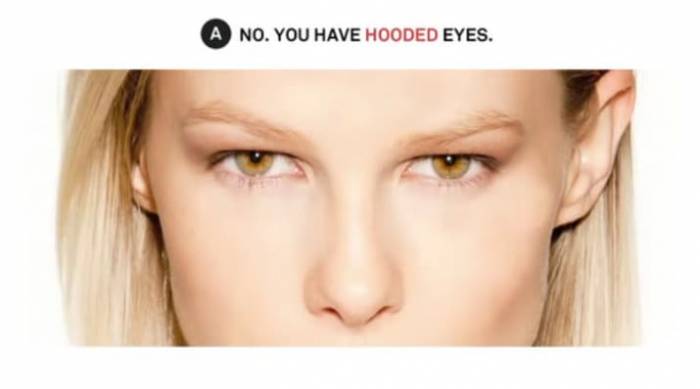
#18 Hooded eyelids
They may look sultry, but have them checked — the cause could be more than aging or a family trait. If they droop so much that your sight is impaired, this is the one time you can have an eye-lift on your insurance.
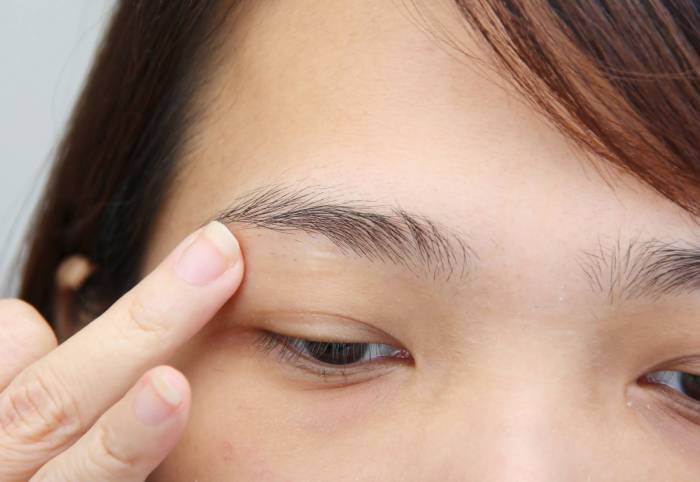
#19 Short Eye-brows
You may think that your thinning, shortening eyebrows are a sign of regular aging.
But if you’re losing hair from the outside edge of your eyebrows, it could be a sign of an underactive thyroid, explains WebMD.
An underactive thyroid, or hypothyroidism, affects your hormones and metabolism.
Depending on your exact case of hypothyroidism, there may be a variety of treatment options available.
advertisement
#20 Premature graying
Going gray at an early age? Sometimes that’s just a part of getting older. Other times, it can be a sign of health problems. While you shouldn’t panic just because you’ve found a stray gray, if you’re noticing a pattern, it may be worth talking to your doctor. It could be a simple genetic quirk, but it can also be related to a number of other health conditions, including certain deficiencies and thyroid disorders.

#21 Your skin is always breaking out.
If you have frequent outbreaks of acne, psoriasis, eczema, or other rashes, your health may be on the fritz. Your skin is the body’s largest organ of elimination, and if it’s acting up, your body may be trying to tell you something. Your skin may signal food or other allergies, but your skin is also very often a sign that your nervous system is in stress response. If you’re brave enough to identify what stressors might be underlying your skin breakout — and to write The Prescription for healing bringing your nervous system back into the relaxation response—you may notice that your skin clears up without Clearasil.

advertisement
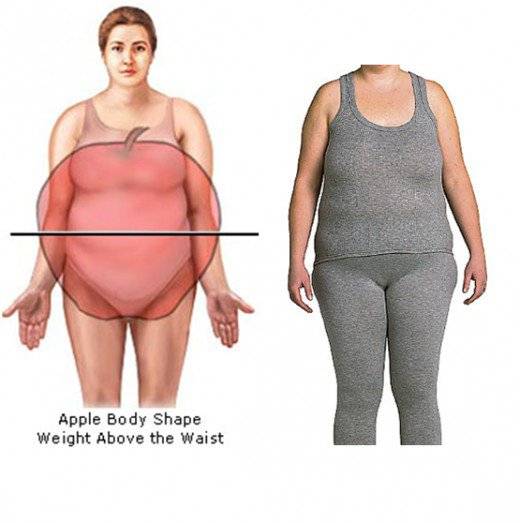
#22 You have become an apple.
There are various shapes used to describe our bodies and if you have recently become an apple, then there may be some underlying health issues. Believe it or not, but apple shaped people have been medically proven to be more at risk of heart disease than people that are pear shaped, but then being overweight in general is never a good thing for your health.
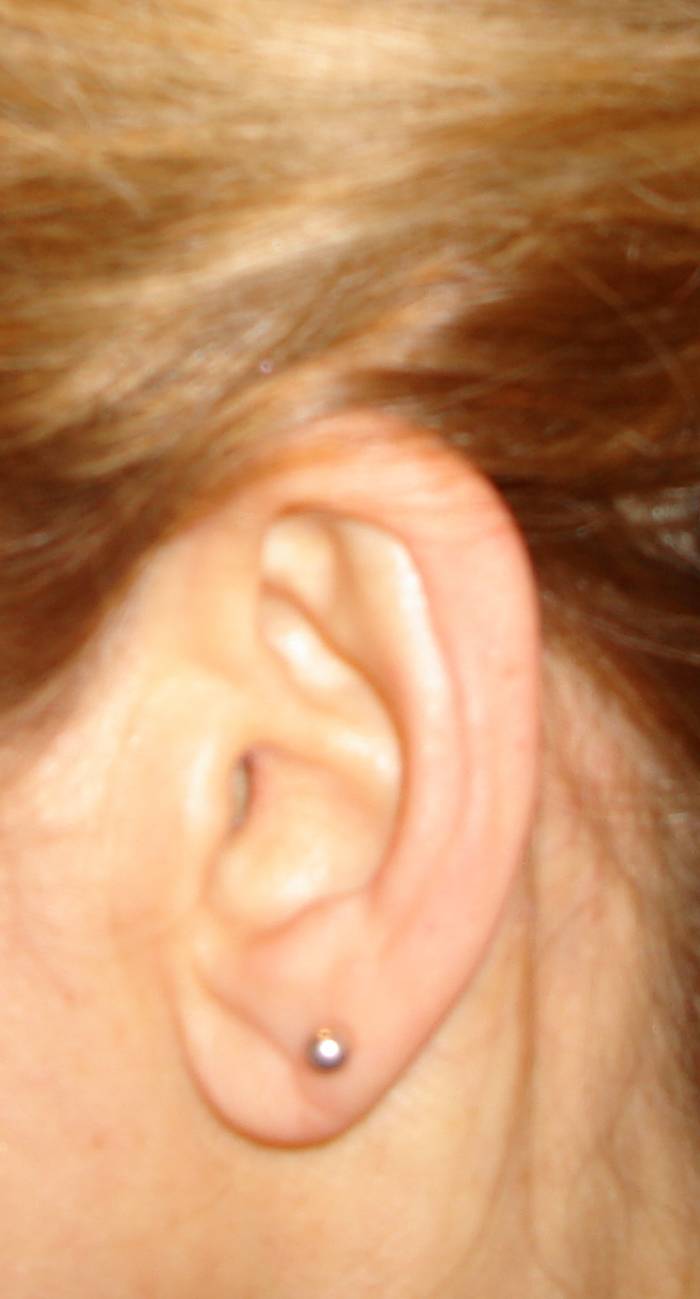
#23 You have a deep, vertical crease down the middle of your earlobe.
You're a hobbit. Check your birth certificate. If there are no Middle-Earth references, consider your heart health. Some studies have shown that people who have creases in their earlobes have a high incidence of heart disease. Doctors don't know why, and some don't subscribe to the idea at all, but it's worth looking into.
advertisement
#24 Not-So-White Eyes
Often, yellowish eyes can just be a sign that you’re worn out or tired.
But if your eyes remain yellow for longer than usual or if your eyes turn yellow when you’re run down, it could be a sign of jaundice, explains MedicineNet.
According to MedicineNet, “Jaundice, also referred to as icterus, is the yellow staining of the skin and sclerae (the whites of the eyes) by abnormally high blood levels of the bile pigment bilirubin.”
In adults, there are a variety of issues that can cause jaundice, so doctors will generally do an entire workup if a patient comes in with jaundice.

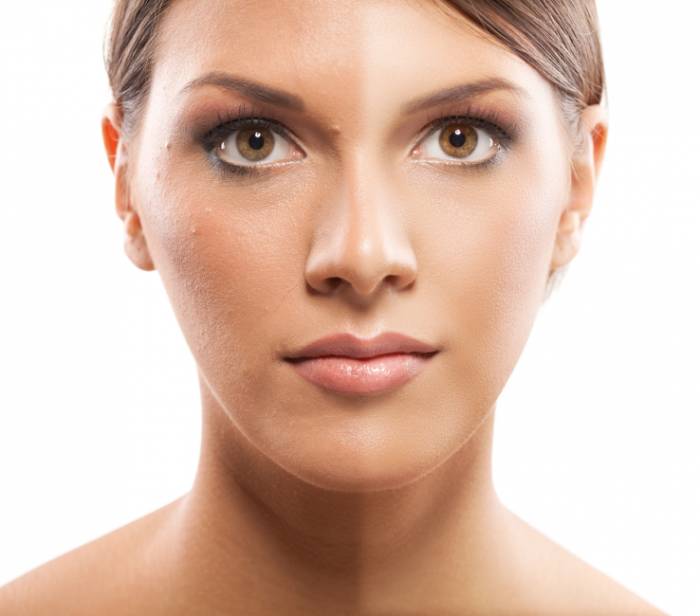
#25 Sunless tan
Darkening skin is worth reporting to your doctor. A rare cause is Addison's disease (failure of the adrenal glands), which also makes you tired, sick, and achy. If you do have it, the good news is that it can be treated.
advertisement
#26 Cold Feet
If your feet are unseasonably cold, it could be a sign of vascular disease.
Additionally, if both your hands and feet are strangely cold, it could be linked to Raynaud’s syndrome, which can be a sign of several autoimmune conditions.
If you have any of the above symptoms, they shouldn’t be cause for immediate concern — but you should mention them to your doctor at your next visit.