

When it comes to your health, is alcohol or weed more damaging over time?

Study Looks At Whether Alcohol Or Cannabis Causes More Long-Term Harm
By
maks in
Health and Fitness
On 25th February 2026
advertisement
A study has examined the long-term effects of alcohol and cannabis, outlining how regular use of each substance can affect the body and mind over time.
Many simulations have shown what might happen if someone smokes weed every day. However, beyond online videos, there are documented health risks linked to cannabis use, which is classified as a Class B drug in some regions.
When compared with substances such as ketamine or cocaine, many people argue that weed is “safer” overall. That belief often shapes public opinion, but the full picture is more detailed than simple comparisons.
Alcohol, on the other hand, is legal and widely available in bars and supermarkets. Despite that, many long-term studies have linked it to serious health problems.
If you were to ask someone like Snoop Dogg which substance is more harmful, you might hear that cannabis carries fewer long-term risks. The real question is how accurate that claim is when you look at scientific evidence.

Is alcohol that much worse for you than weed is?
Getty Stock Image
advertisement
What are the long-term effects of alcohol?
Having a drink now and then may not cause major harm for most adults. However, regularly consuming more than 14 units per week can increase health risks over time.
The NHS lists several long-term effects linked to alcohol misuse. These include stroke, liver disease, pancreatitis, high blood pressure, certain cancers, and various mental health conditions.
Alcohol can also damage the brain. The Royal College of Psychiatrists explains that alcohol alters brain chemistry and can raise the risk of depression, panic disorder, and impulsive behavior.
Over time, alcohol may also harm the heart, pancreas, and kidneys. It can weaken the immune system as well, making it harder for the body to fight off infections.
advertisement
What are the long-term effects of cannabis?
A 2016 study published in the International Journal of Drug Policy found that most long-term negative effects of cannabis appear to be milder than those associated with alcohol.
Researchers note that these effects are not as clearly understood. There are fewer daily cannabis users than daily drinkers, and fewer people have used cannabis daily for several decades, which limits long-term data.
Smoking cannabis tends to have a stronger impact on the lungs. From a mental health perspective, regular use has been linked to a higher risk of psychotic symptoms and schizophrenia compared to alcohol.
advertisement
According to Anthony et al. (1994), the risk of developing dependence on cannabis is lower than the comparable risks for alcohol, nicotine, or heroin. The health and social consequences linked to cannabis are also described as less severe overall.
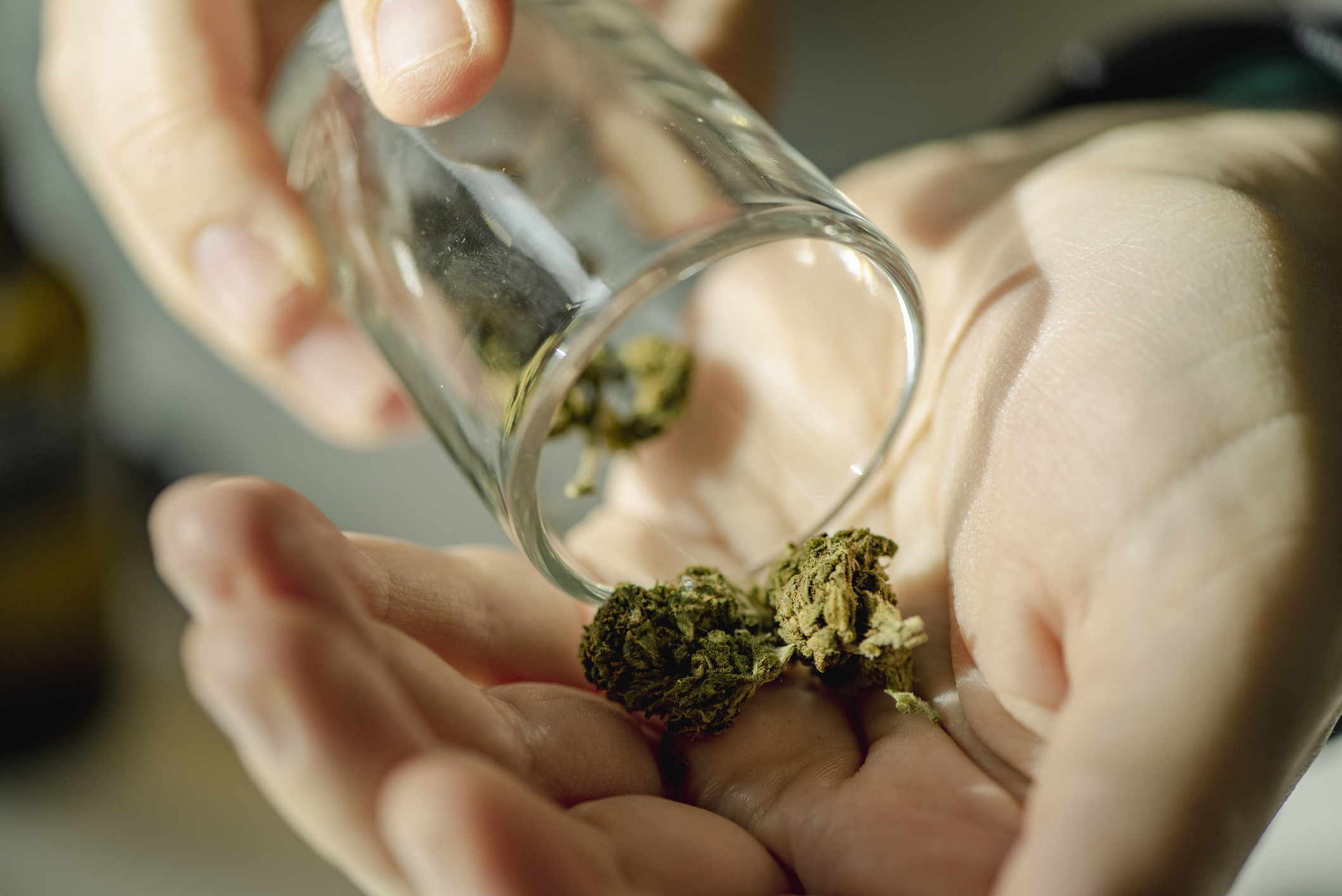
The study found that there are far less health effects caused by weed compared to alcohol
Getty Stock Image
advertisement
Is smoking weed worse than drinking alcohol?
This remains a common question. In the late 20th century, many believed that regular cannabis smoking could damage the respiratory system in a way similar to tobacco.
Later case-control studies found higher rates of chronic bronchitis among regular cannabis smokers, including those who did not use tobacco.
Psychotic symptoms have also been associated with cannabis use. This is one of the known adverse effects, especially when use begins at a young age. These risks are often weighed against the broad range of physical health problems linked to long-term alcohol misuse.
advertisement
Supporters of cannabis often point out that it is not known to cause fatal overdoses. Unlike alcohol and opioids, it does not have the same depressant effects on breathing.
According to Asbridge, Hayden, & Cartwright (2012), cannabis intoxication increases the risk of road accidents, but only modestly when compared to alcohol.
It is important to note that research in this area continues to evolve. There is still limited long-term data, and experts caution that more large-scale, high-quality studies are needed before drawing firm conclusions.