Almost 40 Million Of Us Might Not Be Able To Use The Web In 2016
#1 More than five years old cell phone will be unable to access the encrypted web
which includes sites like Facebook, Google, and Twitter according to a new plan to upgrade the way those sites are verified.
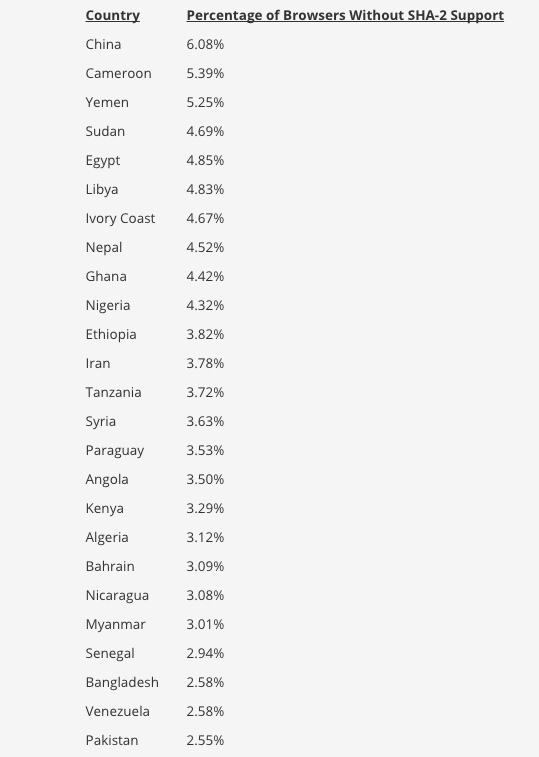
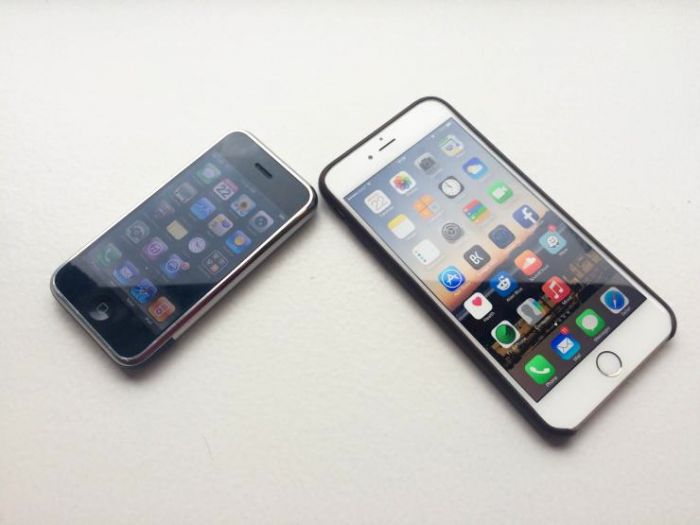
It might not be a big deal in New York or San Francisco, where a 5-year-old phone is treated as an antique, but in some parts of the developing world up to 7% of internet users could find themselves suddenly cut off from the world's most popular sites, according to research recently published by Facebook and CloudFlare.
#2 Matthew Prince CEO of CloudFlare said,
"This is a story about encryption and the conflict between how you support the future and the past at the same time,".
"It is important to remember that the internet is not just guys with the newest laptops and an iPhone 6."

#3 The “why” behind why this is happening has to do with how websites tell you they are secure.
Despite the heated debate over encryption technology currently being waged in Washington, much of the web already is encrypted. The "https" and little green lock at start of many URLs is a sign that that site has been certified, and that your browser can trust that you are visiting the real version of Google, Facebook, or your bank, rather than an imitation.

#4 Websites are encrypted through what’s called a “cryptographic hashing algorithm”
Basically a code that the website you're visiting is put into that is then translated by your browser, provided the site is the real deal. The problem is that the current version, called SHA-1, is no longer safe, according to researchers who announced this October that they would be able to break the technology by the end of the year.

#5 basically a code that the website you’re visiting is put into that is then translated by your browser, provided the site is the real deal. The problem is that the current version, called SHA-1, is no longer safe, according to researchers who announced this October that they would be able to break the technology by the end of the year.
#7 Rowley said,
"There is a growing interest in Facebook's proposal, but it will require all the browsers to consent in some way that includes Google, Microsoft, Apple, and Mozilla,"
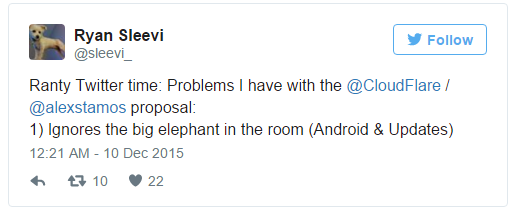
#8 The entire process has been criticized, including Ryan Sleevi
A software engineer at Google, whose Twitter feed has become a repository for those who think the entire CA/Browser system needs to be changed.