Alopecia: FDA Approves Game-Changing Medicine For Hair Loss Treatment
There are different treatment options available for alopecia areata and one additional treatment now available is an FDA-approved drug Olumiant. This drug though remarkable for its purpose, however, comes with some serious side effects including tuberculosis and other infections that could prove to be fatal for the human body.
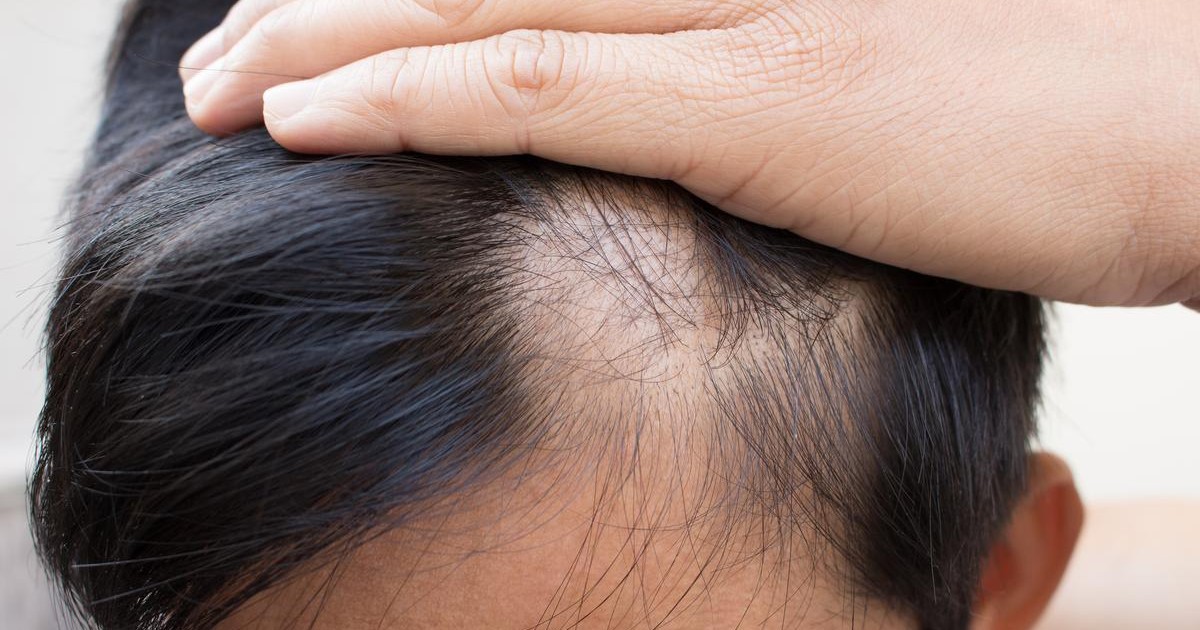
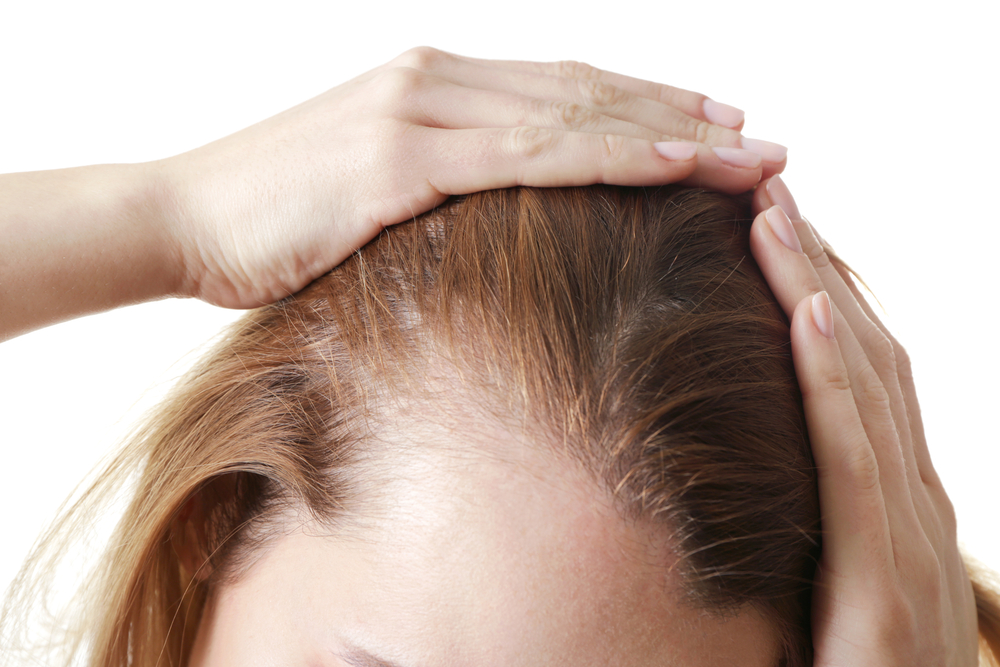
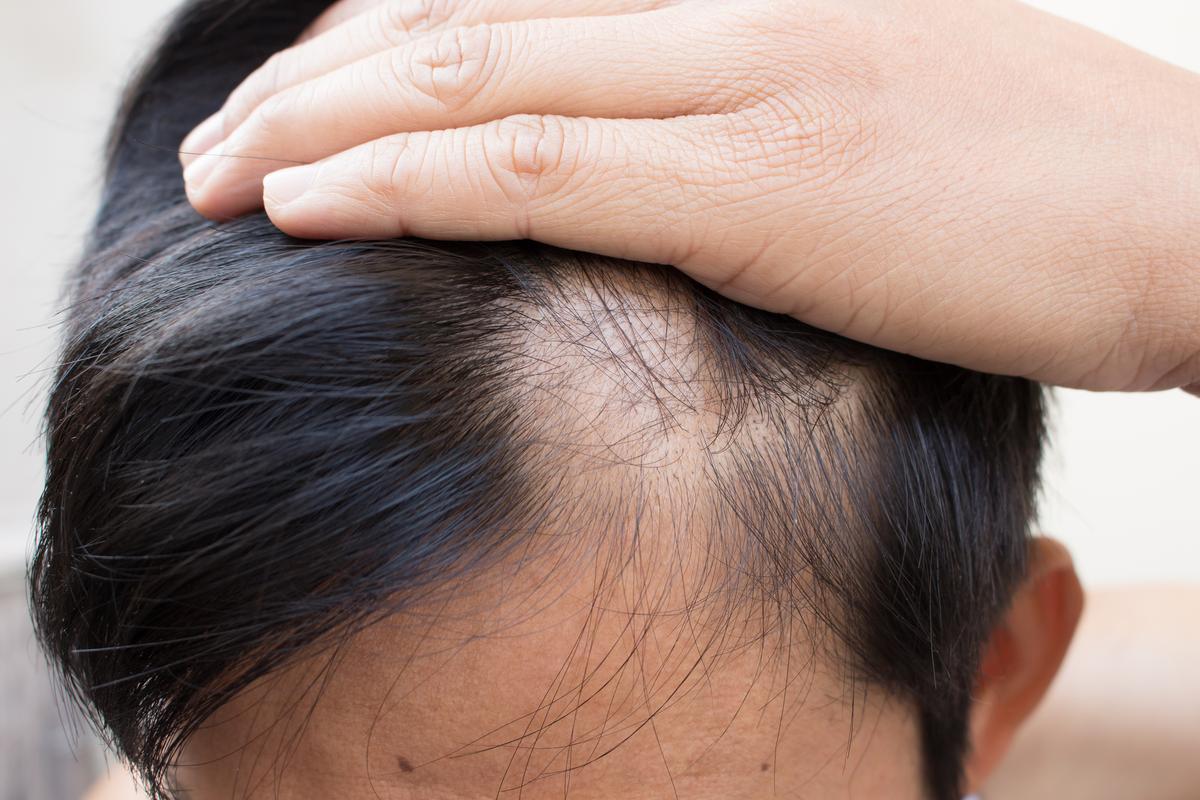
Alopecia comes in different forms, including Alopecia areata, an autoimmune skin disease that causes bald patches.
According to the American Academy of Dermatology Association (AAD), the immune system attacks the hair follicles, which leads to hair falling out.
The National Organization for Rare Disorders states that alopecia areata affects some 2.5m Americans and even though many people experience mild cases of this disease and have only one or two patches but some people develop severe cases and face a significant amount of hair loss.
According to the medical report, people can develop alopecia at any time of their life, but the AAD indicates that most people who have it first see symptoms by the time they are 30 years old.
Treatment options
There is no set cure for alopecia, even though there are some treatment options available that help stimulates hair growth.
Corticosteroids are used as injectables that are injected into the affected area or can be applied topically. Doctors often prescribe topical corticosteroids to younger people with alopecia.
Another treatment option is immunotherapy, however, according to the National Alopecia Areata Foundation, this treatment “causes an allergic rash (allergic contact dermatitis) that looks like poison oak or ivy, which alters the immune response.”
Then comes the treatment option with a drug called Janus kinase (JAK) inhibitors. JAK inhibitors treat a variety of inflammatory diseases.
Wirestock Creators/Shutterstock.
How Olumiant work?
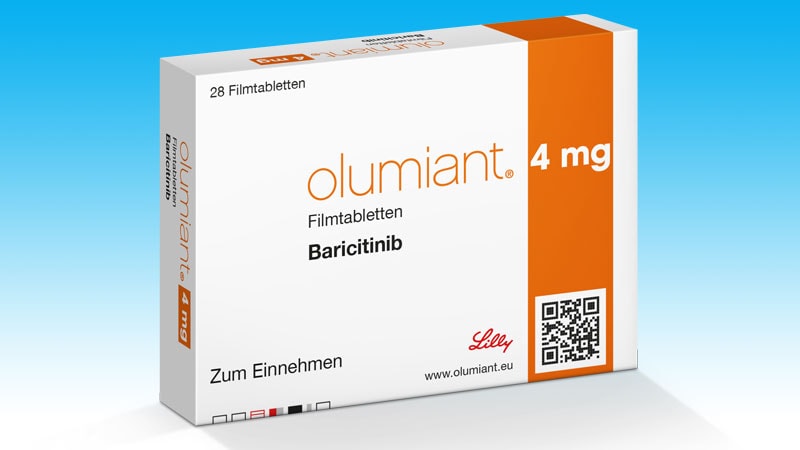
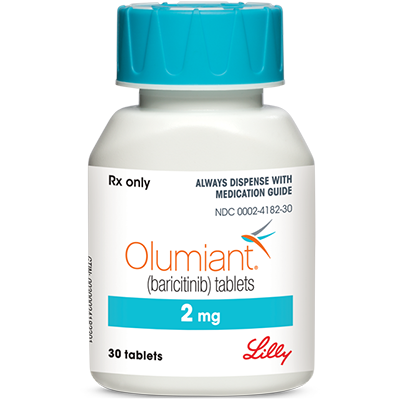
FDA has approved another drug recently called Olumiant which is used traditionally for the treatment of rheumatoid arthritis, for the treatment of alopecia areata.
CytokinesTrusted Source, which are proteins involved in cell signaling, play a role in autoimmune diseases. When the body produces an excessive amount of cytokines, this can dysregulate the immune system.
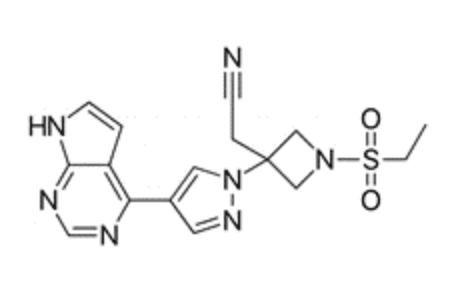
This drug basically works by interrupting the cytokine cell signaling, including the signaling pathways of enzymes.
The direct impact of this drug would be on the body and it will lower the immune system as a result, an opportunity will be created for the drug to allow hair growth.
Getty Images
Drug trials
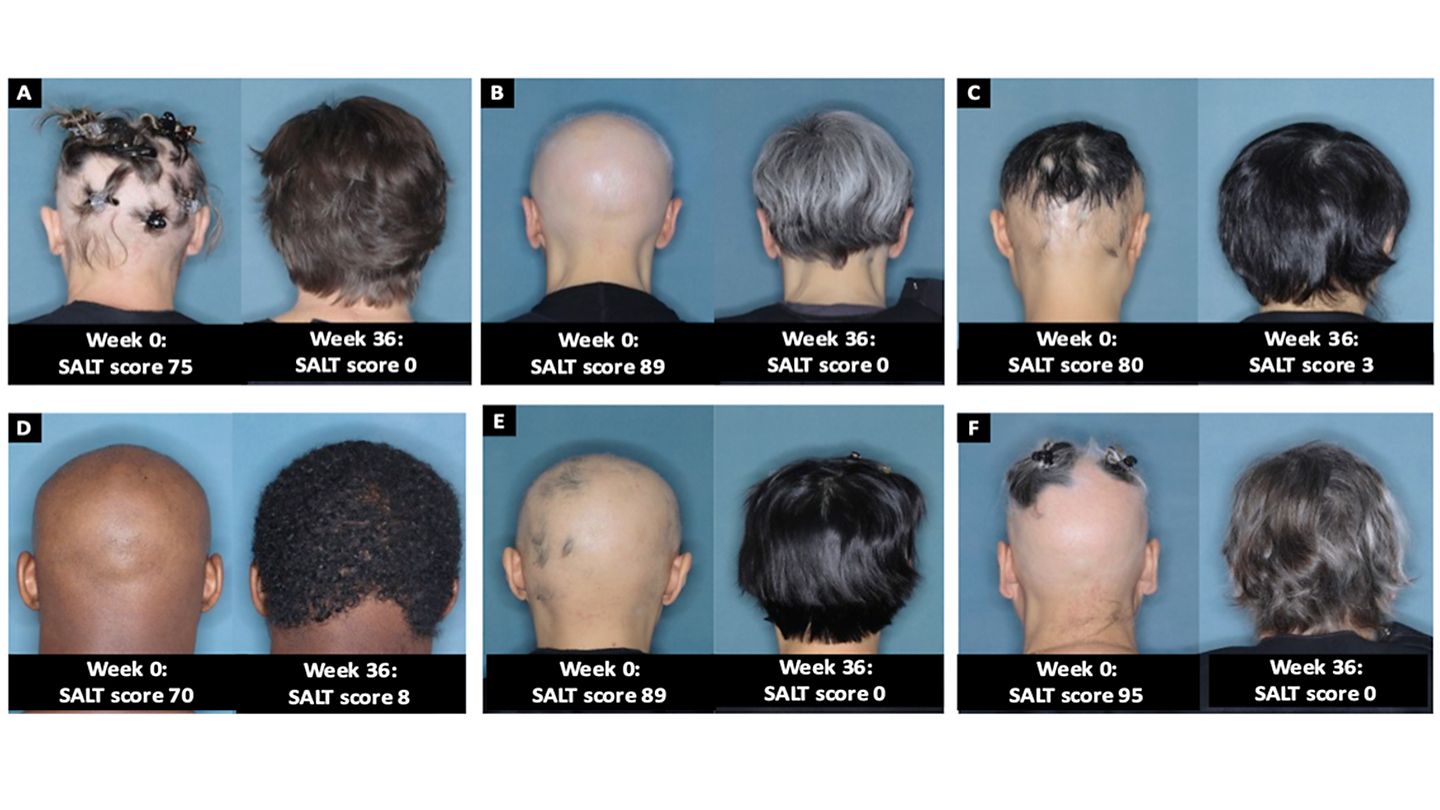
The FDA based its approval on two recent phase 3 trials, THRIVE-AA1 and THRIVE-AA2 that Olumiant manufacturer Eli Lilly conducted.
Participants had to have a severe case of alopecia to participate in the trials, with at least a 50% hair scalp loss occurring for at least 6 months.
Both trials consisted of three groups each. The first group received a 2-milligram (mg) daily dose of Olumiant, the second group received 4 mg of Oluminant daily, and the third group received a daily placebo.
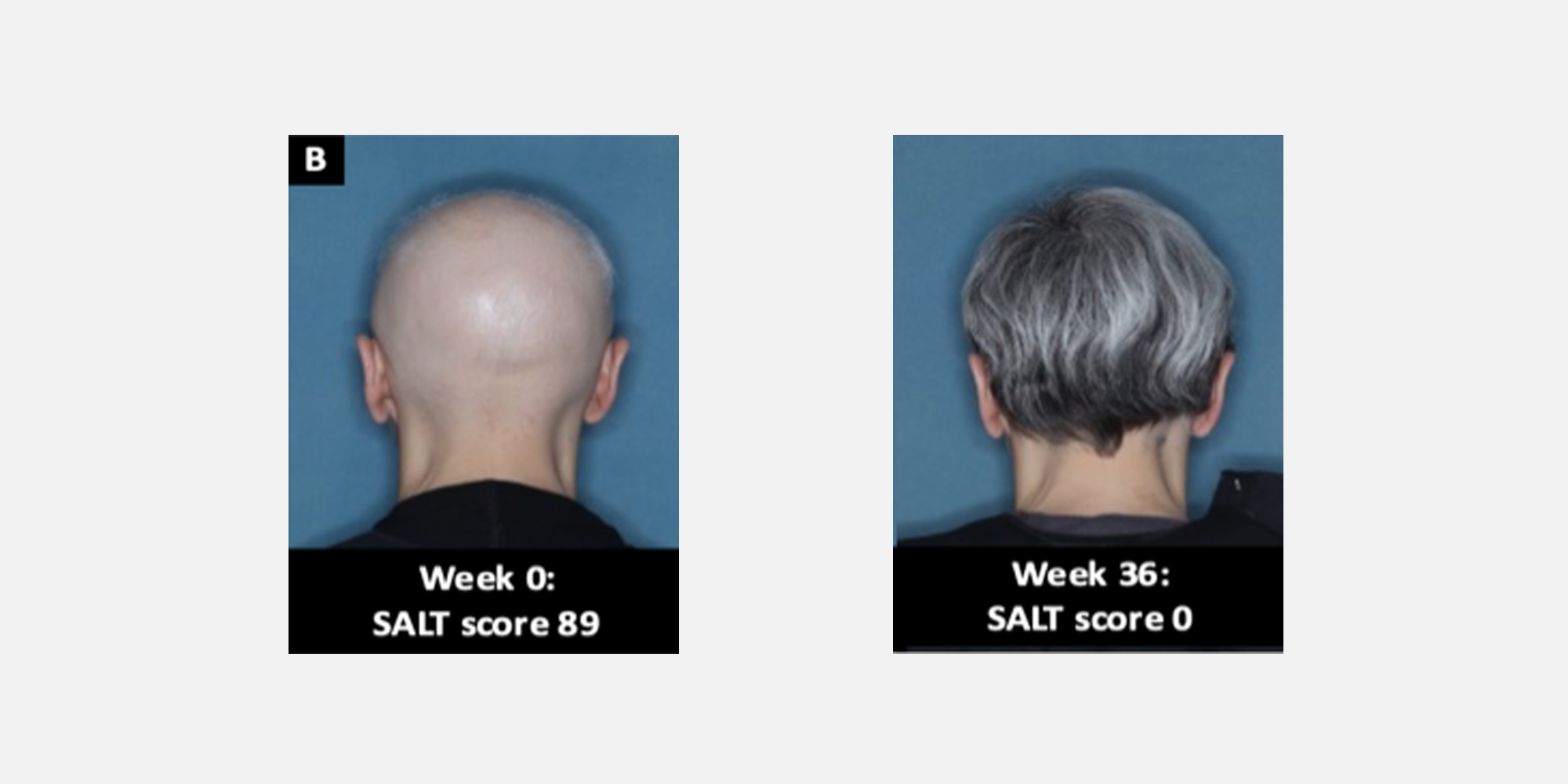
The goal was for the participants to see “adequate scalp hair coverage,” which researchers defined as having at least 80% scalp hair coverage by week 36 of the trial.
Wirestock Creators/Shutterstock.
Of the participants in the first trial, 22% who took 2 mg of Olumiant, and 35% of participants who took 4 mg saw adequate coverage. Of the placebo group, 5% had adequate coverage.
The results observed for the second trial were slightly lower.
Of the participants who took 2 mg of Olumiant, 17% saw adequate scalp hair coverage. Of the participants who took 4 mg, 32% saw adequate coverage, and 3% of the participants who took a placebo saw adequate coverage.
Getty Images
Safety information for this drug
Olumiant reports a number of common side effects, including:
- upper respiratory tract infections
- headaches
- high cholesterol
- urinary tract infections
- fatigue
- anemia.
Additionally, the drug comes with a boxed warning that notes the medication can cause serious issues, such as tuberculosis. Additionally, Olumiant can cause people to have a higher risk for cancer, heart attacks, and strokes.
During the Olumiant trials, only 2.2% of participants quit due to adverse reactions.

Getty Images
Pros and cons to notice
Dr. Ken L. Williams Jr., surgeon and founder of Orange County Hair Restoration in Irvine, CA, spoke with Medical News Today about the FDA’s approval of Olumiant for alopecia areata.
Dr. Williams said that for patients with more advanced forms of alopecia who have emotional difficulty with the disease, “consideration of this medication for certain patients may be warranted.”
Apart from the positive outcomes of this drug, Dr. Williams also expressed concerns about Olumiant and how it can possibly affect one’s health.
“This medication decreases a human’s ability to fight infections,” Dr. Williams said. “Other important serious side effects of immunosuppression are tuberculosis and susceptibility to environmental pathogens such as bacteria, fungi, and viruses.”
And to note that these infections can be potentially fatal.
“In my opinion, for the more common clinical presentation of alopecia areata such as localized patches of hair loss, the potentially serious effects of this medication limits its use,” commented Dr. Williams.
Wikipedia