

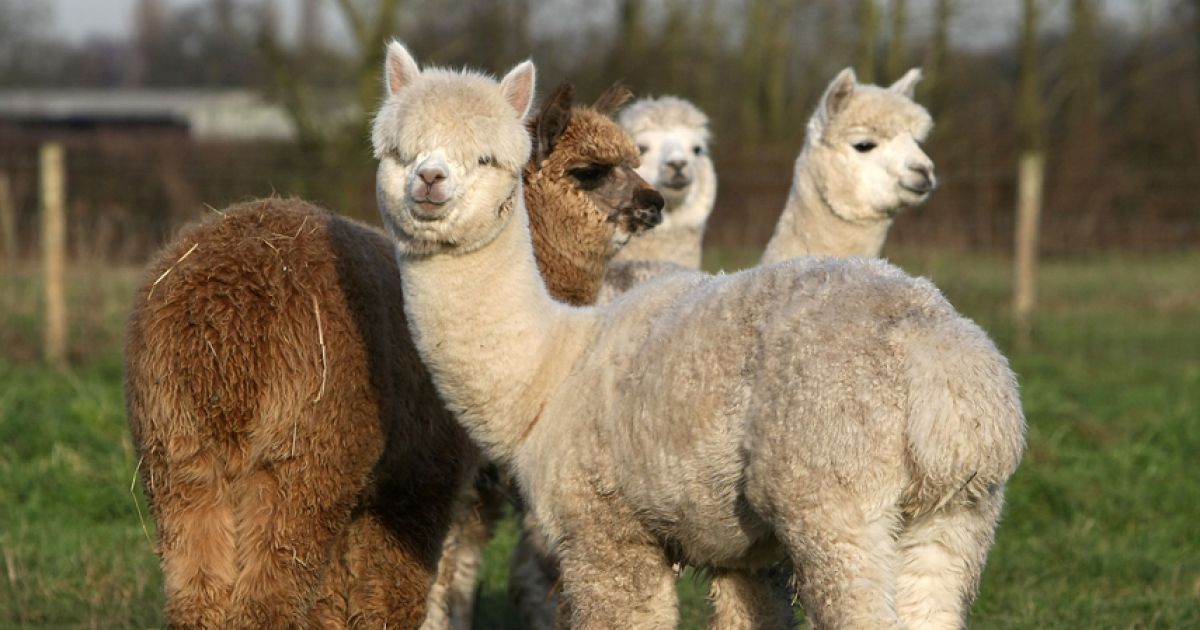
With their floppy furry tufts, slender necks, ingénue eyes and coy Clara Bow grins, they are the “it” girls and boys of the ungulate world.
Alpaca Facts: Things You Never Knew About The Llama’s Quirky Relative
By
Editorial Staff in
Nature
On 22nd March 2016
advertisement
Alpacas may just be the cutest of all the Camelidae family,
which includes llamas, guanacos and vicunas from South America, and Bactrian and Dromedary camels from Asia and Africa. With their floppy furry tufts, slender necks, ingénue eyes and coy Clara Bow grins, they are the "it" girls and boys of the ungulate world.
But beyond their charming, quirky good looks, these creatures are
responsible for bearing some of the silkiest, most versatile fiber found in nature, for which they are shorn annually. Alpaca is a specialty fiber that has been described as stronger than mohair, finer than cashmere, smoother than silk, softer than cotton, warmer than goose down, and better-breathing than thermal knits. Along with that, alpacas themselves possess some pretty remarkable personality traits.
advertisement
They’re ancient
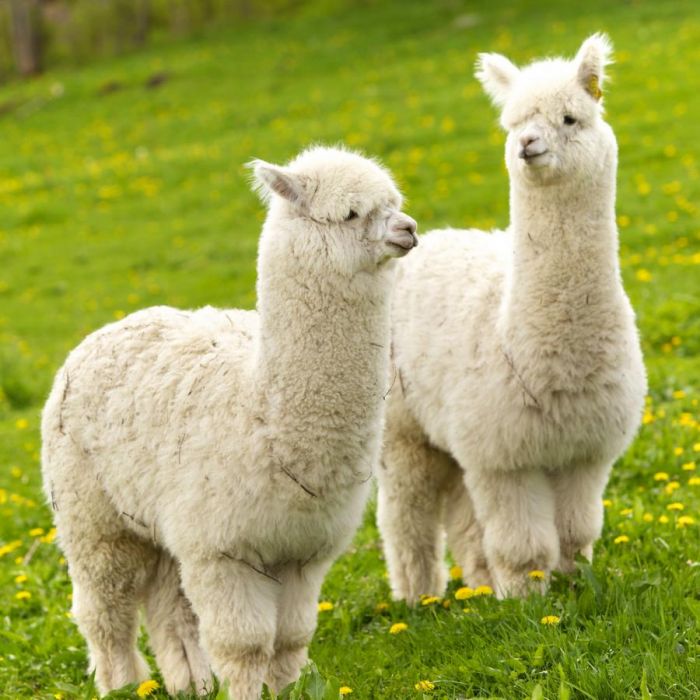
Alpacas were domesticated by the Incas more than 6,000 years ago and raised for their exquisite fleece. Due to its quality and all of its superhero characteristics, alpaca fiber was reserved exclusively for the elite and nobility.
There are two types of alpacas in this world...
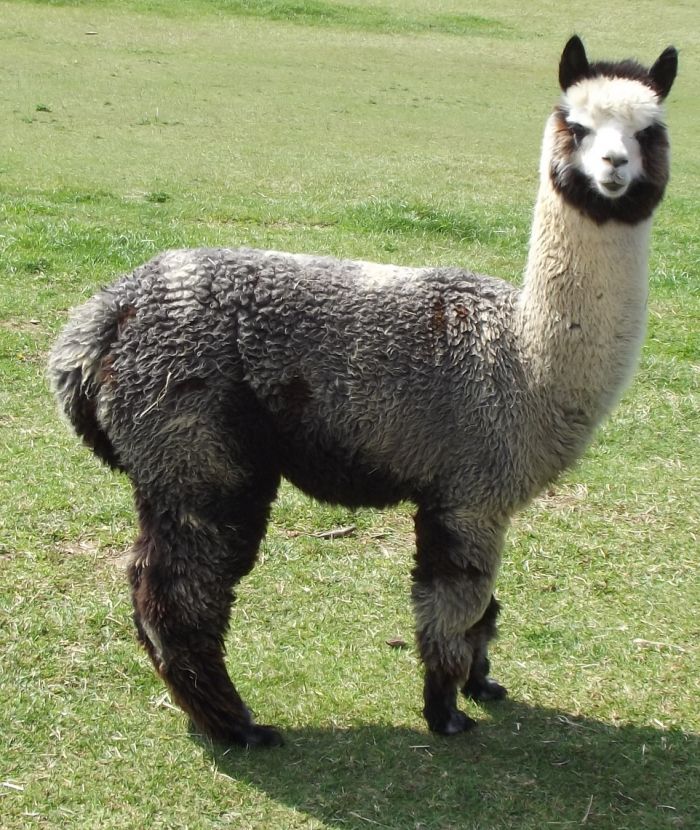
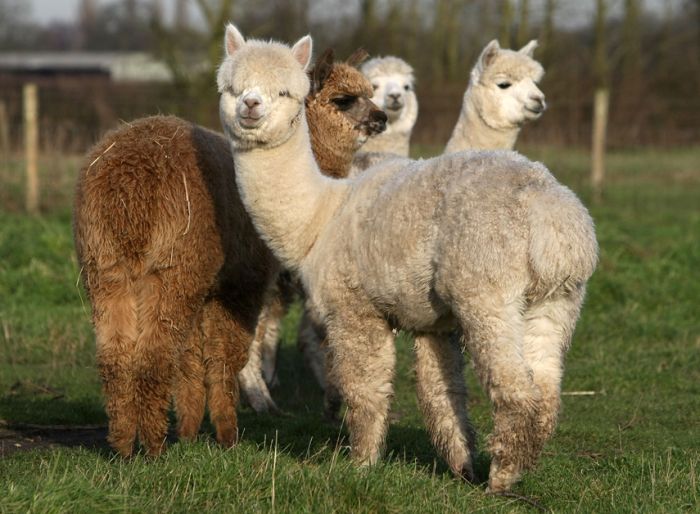
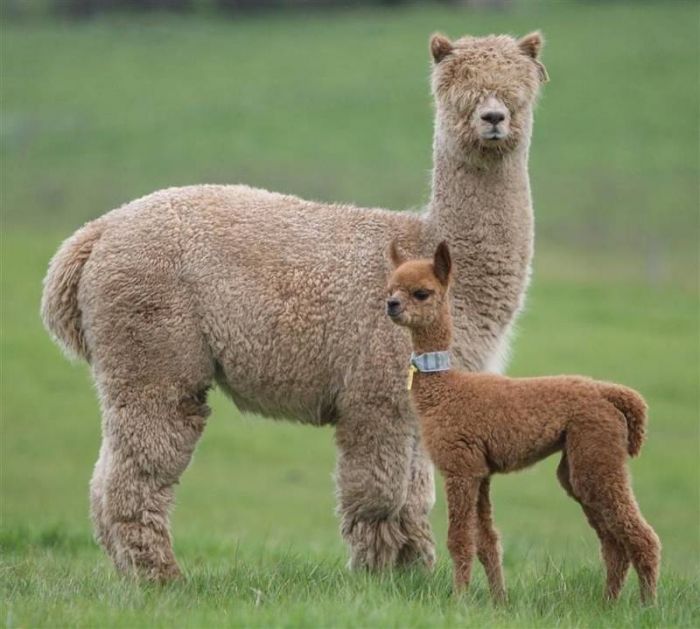
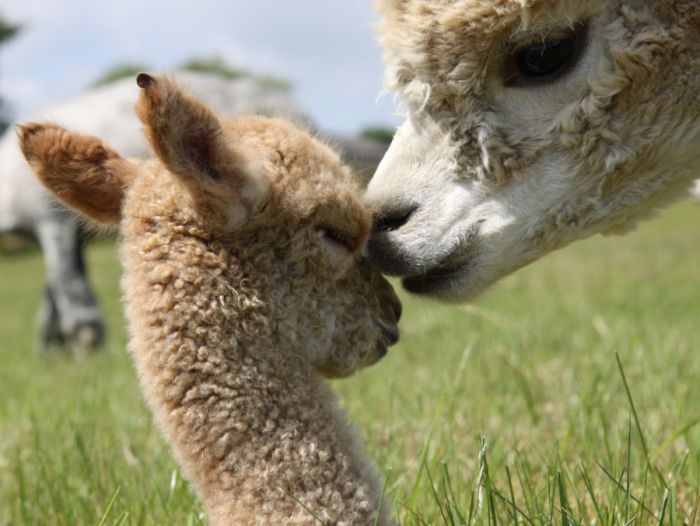
Alpacas come in two types: Suri and the huacaya. The suri has fiber that grows long and forms silky dreadlocks. The huacaya has a wooly, dense, crimped fleece like a teddy bear giving it a very wooly appearance. About 90 percent of all alpacas in the North America are huacayas.
advertisement
They can mix and match
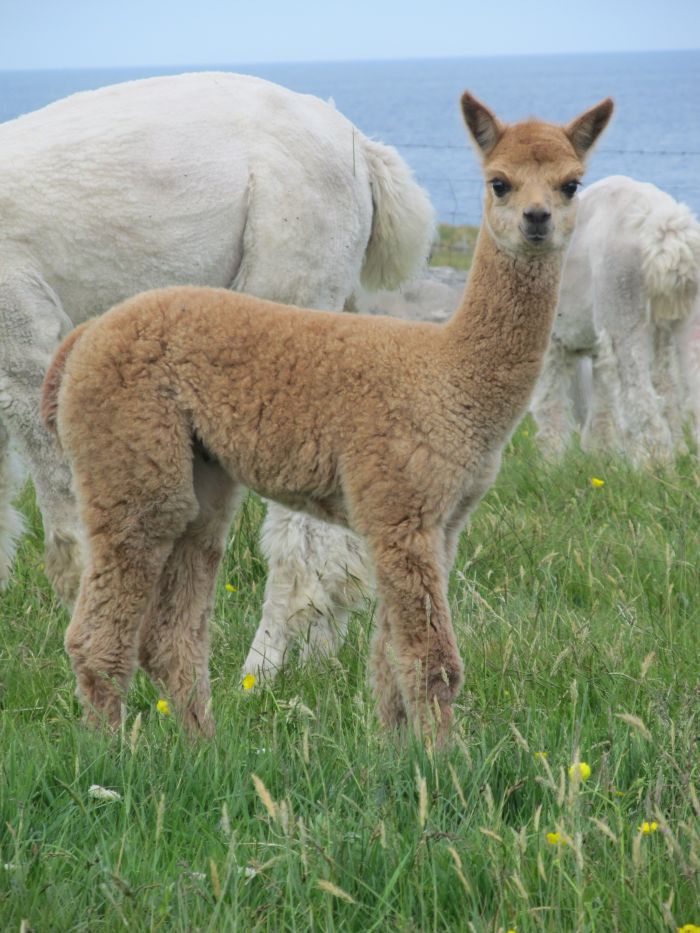
Alpacas and llamas can successfully cross-breed. The offspring they create are known as huarizo, which are valued for their longer fleece.
advertisement
They grow superlative, hypoallergenic fleece
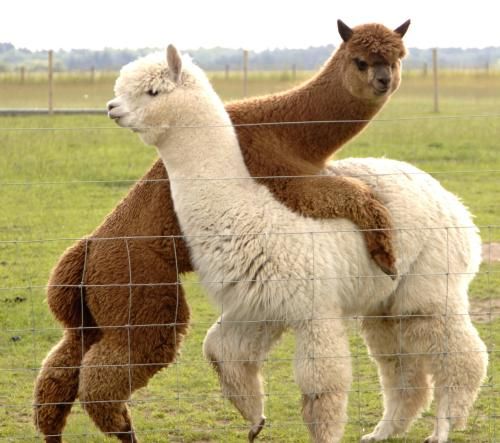
Alpaca fiber is much like sheep's wool, but warmer and not itchy. It is lacking in lanolin, which makes it hypoallergenic and also allows it to be processed without the need for high temperatures or harsh chemicals in washing.
advertisement
They're flame and water resistant
Well, technically their fiber is flame-resistant, meeting the standards of the U.S. Consumer Product Safety Commission's rigid testing specifications as a Class 1 fiber for use in clothing and furnishings.
Like wool, alpaca fiber is water-resistant, but it can wick away moisture because of its unique ability to mimic cotton in moisture regain. These attributes are what make alpaca feel lighter than wool, but warmer than cotton in cool and damp climates.
advertisement
They come in a rainbow of color tones
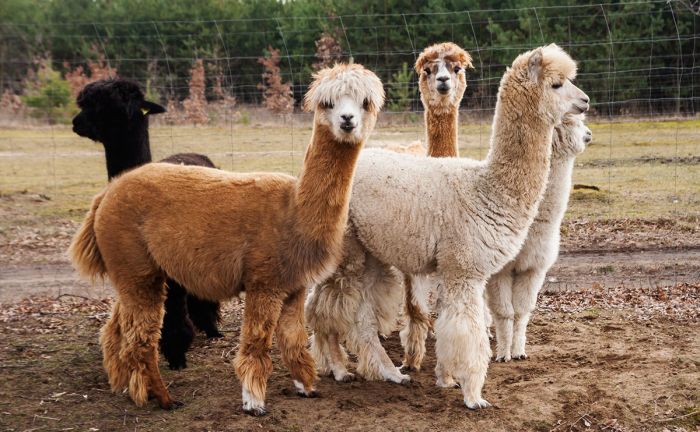
Alpaca fiber comes in 16 tones that are recognized by the textile industry, from white to light rose gray to dark fawn, in addition to the blends that can be made from those, thus minimizing the need for pollution-intensive dying.
advertisement
They hum and haw ... and orgle
Humming is the most common sound that alpacas make, which has been described as a kind of musical purring. Alpacas hum when they are curious, content, worried, bored, fearful, distressed or cautious. When startled or in danger, a staccato braying is started by one animal, then followed by the rest of the herd in the direction of the potential threat. During breeding, the male alpaca Romeo emits a unique throaty vocalization called "orgling."
advertisement