When people hear the word “clone,” they are most likely envisioning Dolly the sheep or a scene out of a trippy sci-fi film.
In reality, cloning happens every day in nature. Many plants reproduce asexually (without sex) and create carbon copies of themselves. However, there are some interesting critters in the animal kingdom that do the same thing.

Aphids
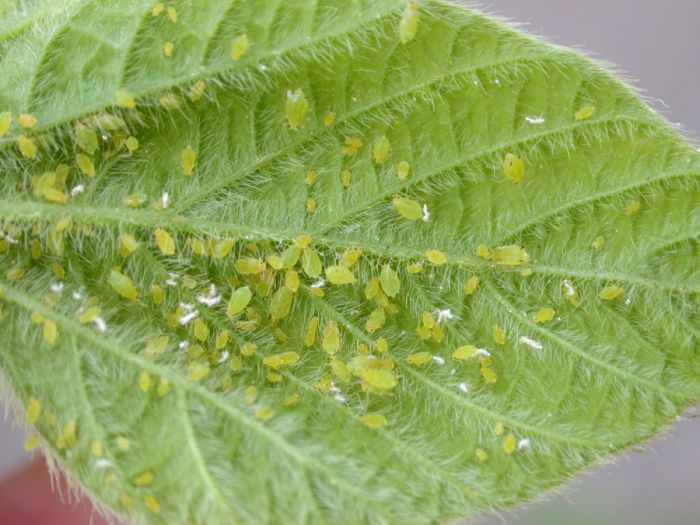
Avid gardeners are probably well acquainted with the pesky aphid, a soft-bodied insect. Like moths to a flame, aphids are drawn to soft leaves, drawing out and feeding on the sap of the unlucky plant.Aphids are masters of self-replication because they are capable of asexually reproducing all year longup to 12 young a day. The nymphs (immature aphids) shed their exoskeletons about four times before reaching maturity. In warm weather, 80 clones from one aphid are possible.
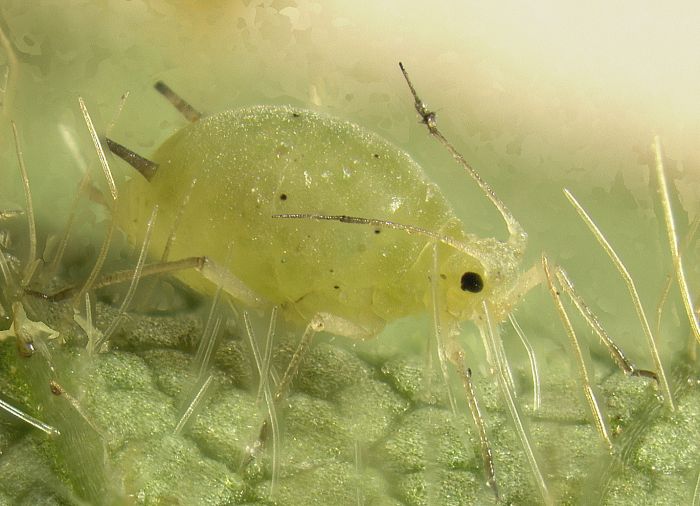
After laying their eggs, the adults essentially seek and destroy, moving on to other plants to devour.
Once aphid populations have become severe, they can cause obvious discoloration and distortion of leaves, attract unpleasant fungus, and even spread plant-based viruses. Aphids are also crafty in that they are hardly noticeable until the funguscalled sooty moldstarts to materialize.
Sea Sponges
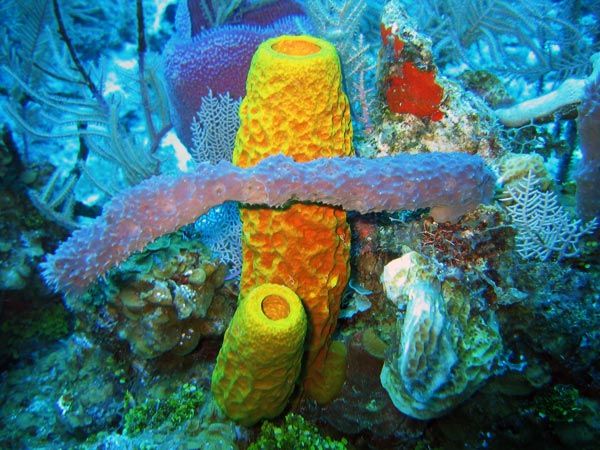
The usually sedentary but often colorful sea sponge has incredibly simple anatomy. Regardless of size, each organism is composed of a mass of cells and fibers without any true organs.
The fact that such a simple animal has the capability to clone itself is rather remarkable. Sponges can duplicate themselves through a process called gemmulation.
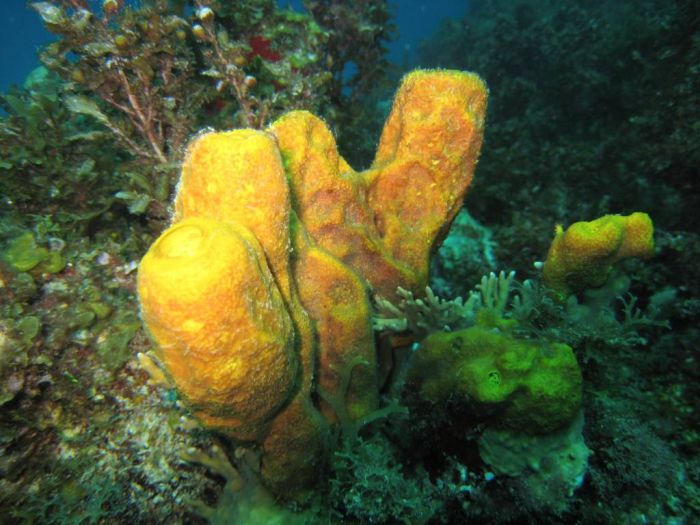
Gemmulation starts with the formation of gemmules—groups of cells that are enclosed in a protective casing.
When each gemmule is provided with a food supply, it is moved to the surface of the sponge and ejected from the adult. From there, it will mature into a new sponge.
Even more amazing is the ability of the sponge to regenerate due to injury or predation. If part of the sponge is broken off, that part can survive on its own. It will grow into a completely new sponge that is genetically identical to the parent sponge.
Jellyfish
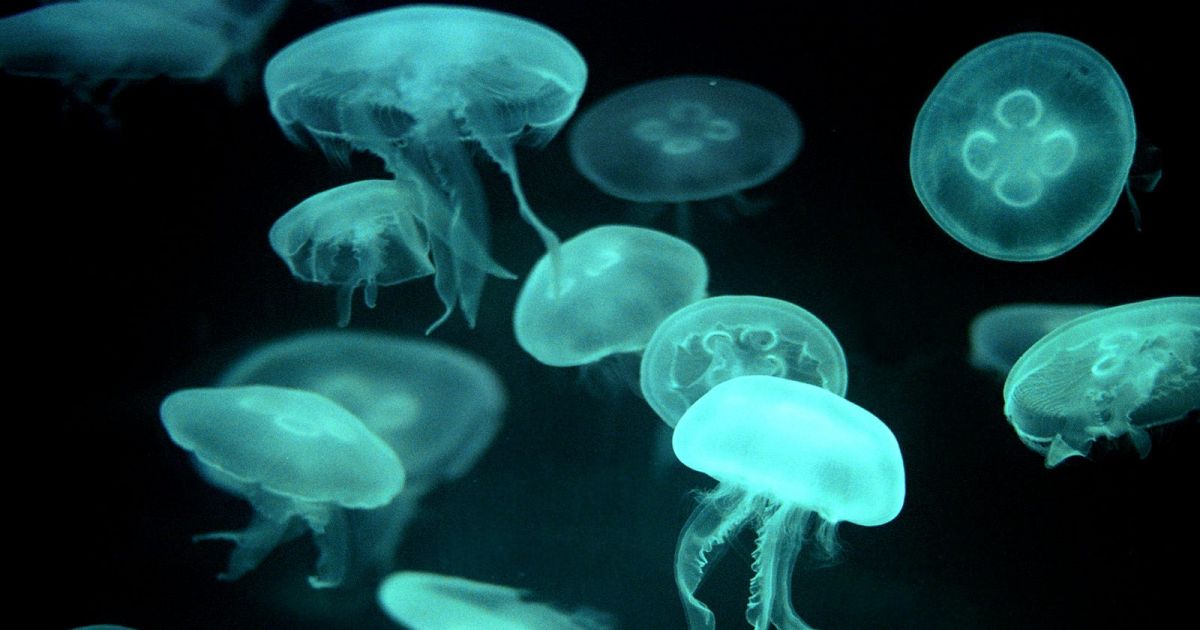
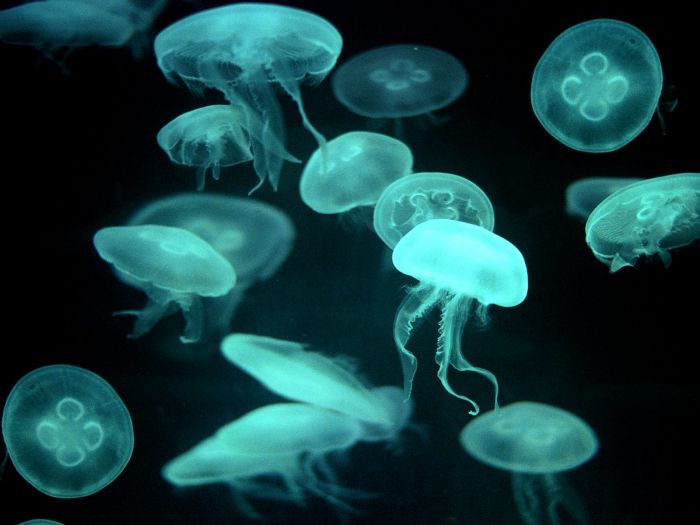
Both beautiful and deadly, jellyfish exhibit a rather complex life cycle because they are able to reproduce sexually as well as asexually. These multitalented creatures are called medusae at adulthood.During spawning season, each medusa releases either sperm or eggs. In most species, the eggs are fertilized in open water. Once the young jellyfish finds a suitable spot to set up shop, the cloning begins.
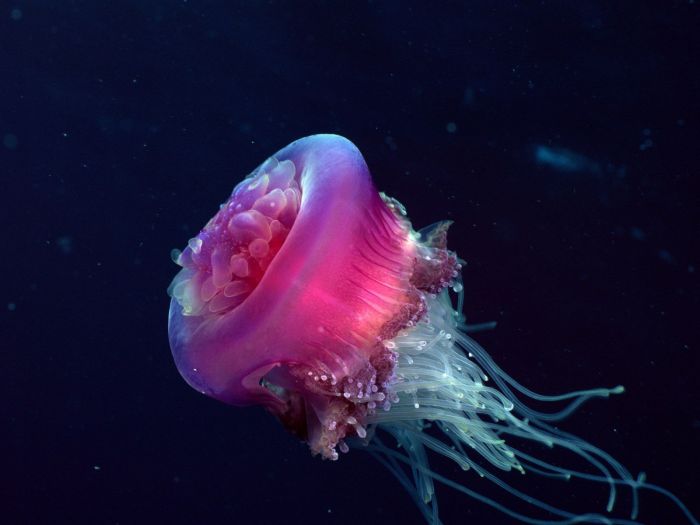
At this point, the polyp begins to reproduce asexually via budding.
Basically, the polyp divides itself in half, which produces a genetically identical twin. In another species of jellyfish, the polyp reproduces through strobilation. In strobilation, the polyps split into a number of segments that mature into adult medusae when released.
Boa Constrictors
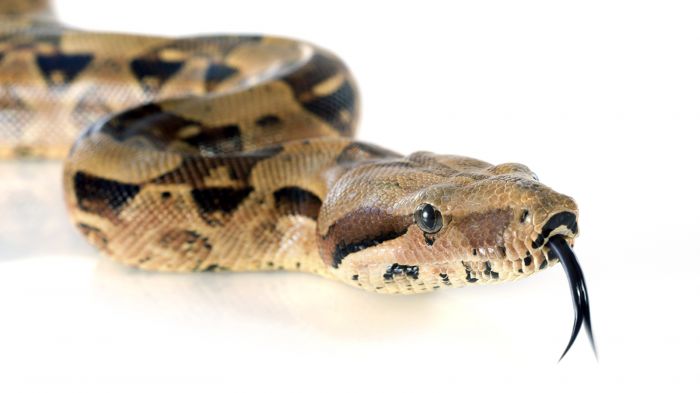
In a rare moment in scientific history, a female boa constrictor gave birth to two litters of young that have no trace of male DNA in them. Even more incredible is that both litters (22 snakes in total) retained the rare color mutation that the mother constrictor exhibits.
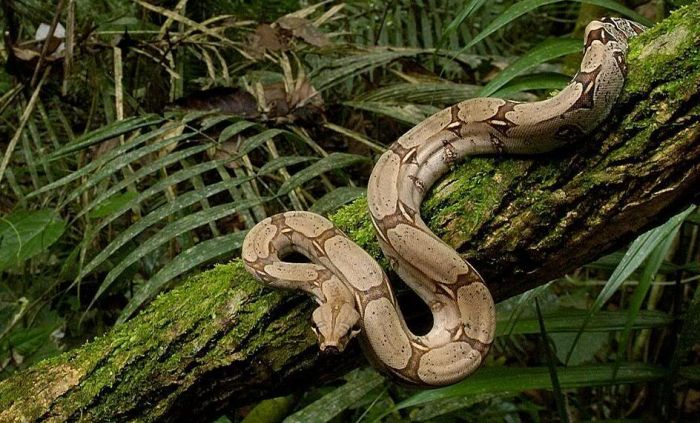
As the young were produced through parthenogenesis, the entire litter is female.
Normally, female snakes exhibit ZW chromosomes and males express ZZ chromosomes. In this instance, however, all of the snakes in the litter expressed WW chromosomes, which has never been seen before. The snakes are considered "half-clones" because they carry the WW chromosomes.
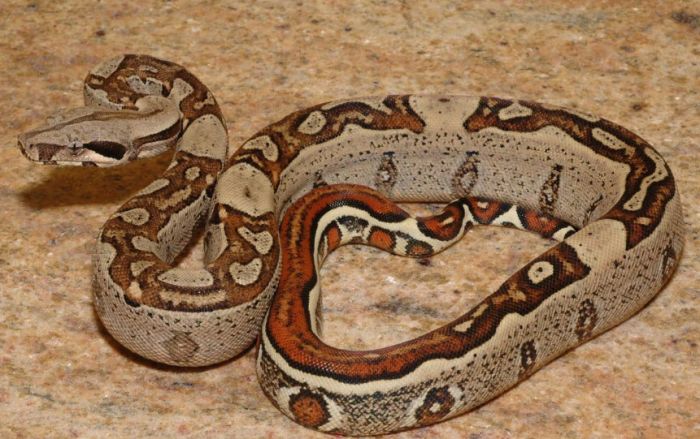
The researcher who made the discovery speculates
that the new finding will change the way that scientists look at how reptiles, especially snakes, reproduce.
Hammerhead Sharks
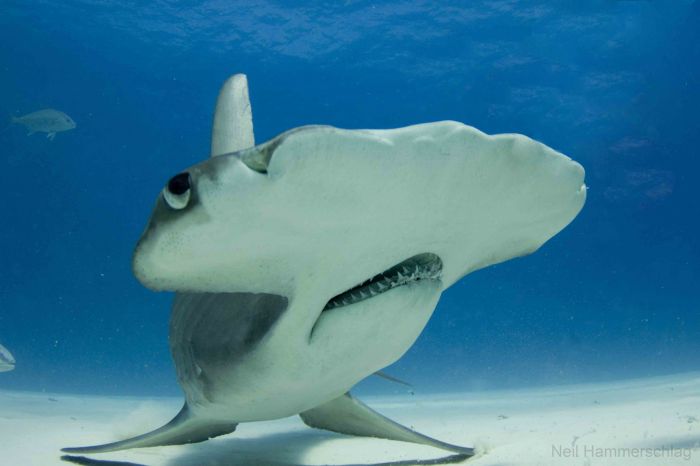
Sharks are one of the most feared sea creatures. When hammerhead sharks begin cloning themselves asexually, they become even more of a biological threat. This happened to a female belonging to a species of hammerhead sharks known as the bonnetheads or shovelheads in 2001.
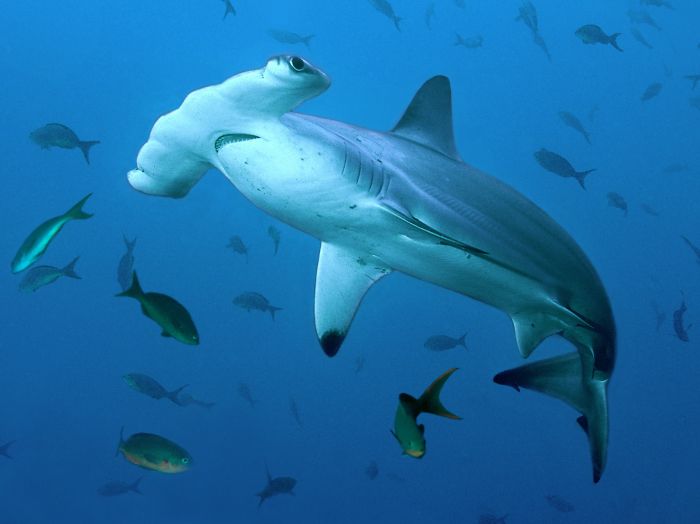
American and Irish researchers made the historical discovery
after a female shovelhead kept in captivity at the Henry Doorly Zoo in Omaha gave birth to a live female pup. In 2007, it became clear after extensive testing that the female pup had DNA that was identical to its mother's DNA. There was no trace of male DNA.
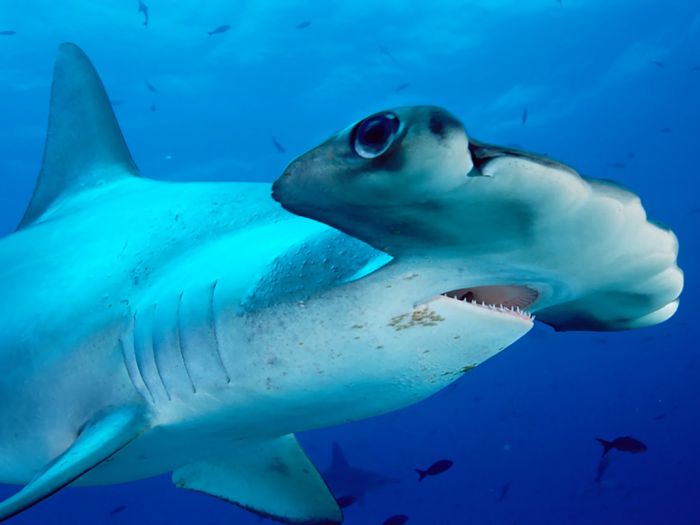
Parthenogenesis is once again the culprit
although scientists say that it results in decreased genetic diversity. Sadly, the pup was killed shortly after its birth by another fish in the tank, possibly a stingray.
Tapeworms
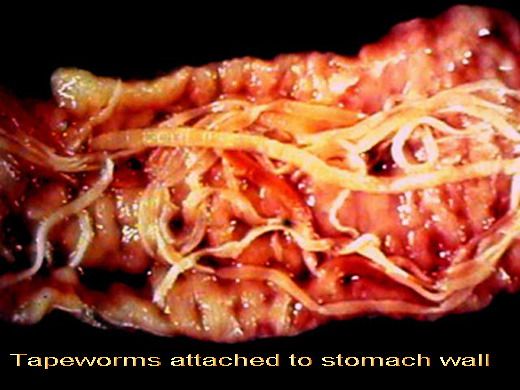
Parasitic tapeworms also possess the power to replicate themselves. Both humans and animals run the risk of harboring and becoming infected with these long, flat worms. People who like their meat on the undercooked side increase their chances of becoming infected.
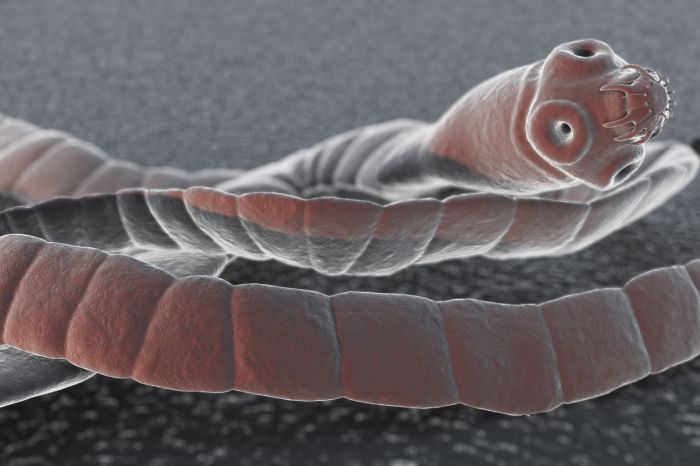
Once inside the human body, the tapeworm matures into an adult.
When the adult reaches the reproductive stage of its life cycle, it detaches a rear segment of its body called a proglottid.
The proglottid, which is ripe with eggs, passes out of the body and is eventually ingested by another grazing animal. The result is a multitude of cloned tapeworms that will infect other unsuspecting victims. Tapeworms are even more dangerous because most people don't know when they're infected, which allows the parasites to spawn a clone army of worms.
Whiptail Lizards
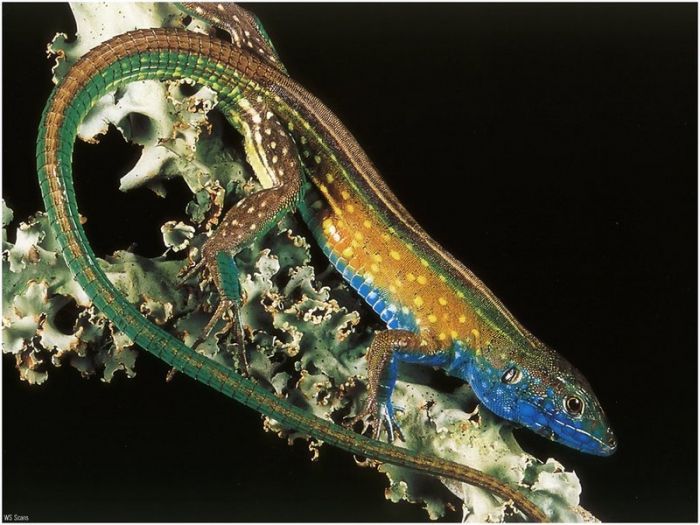
One of the distinguishing features of the whiptail lizard is its namesake tail, which can grow to a length of 30 centimeters (12 in). Like some other species, the whiptail can reproduce asexually. But what's even more fascinating is why.
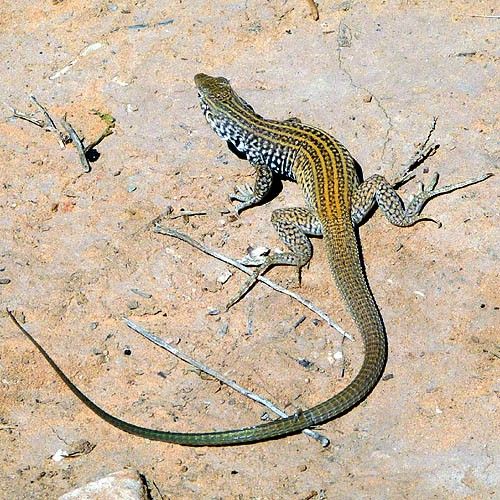
A recent study revealed that certain species of animals can reproduce asexually if necessary
but some whiptail species do it because they have no choice. It is reported that these parthenogenetic lizards have twice the number of chromosomes as other whiptail species.
This oddity makes it easier for the female to reproduce without needing the male's genetic material. The result is all-female offspring carrying chromosomes that were paired from the mother alone.
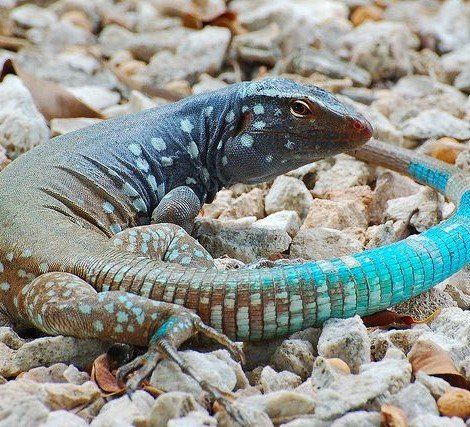
Although the reasons why whiptails have twice as many chromosomes are still not fully understood,
the reproduction of whiptail lizards allows the species to populate a habitat more easily than if male and female species were present together.