Amazing Things That Happen When You Quit Drinking Alcohol
Alcohol is infamous for serving as a social lubricant or as a way to have a good time with others. But for some individuals, drinking loses its appeal or becomes a negative influence in their life — and that can be a catalyst for kicking it altogether.
Ditching alcohol can be a tough subject, that’s why it’s important to understand a person’s rationale behind the decision in the first place. The bottom line? It’s different for everyone.
#1
Here is a list of the many common things people realize when they quit drinking booze, as compiled from a number of personal stories found online, all listed below in the footnotes:
#2 The decision might be more than just a simple lifestyle change.
Drinking is more than just a social habit for some people — and that requires proper treatment and change. Individuals with addiction or dependency issues need to cut themselves off, because there may be dangerous consequences if they don’t.
#3 Quitting allows you to make better decisions.
Alcohol can affect the brain’s frontal lobe — the area involved with decision-making — which lowers inhibitions and sometimes makes it difficult to make a good judgment call. An alchol-free mind is a clearer mind.
#4 Giving up alcohol can lead to changes in your body.
The reality of drinking a little too much is that it takes a toll on the body. Alcohol can cause dehydration, weaken the immune system and lead to sleep disturbances.
#5 You'll sleep more soundly.
One recent study in the journal Alcoholism: Clinical & Experimental Research found drinking before bed increases alpha wave patterns in the brain—a kind of cerebral activity that usually occurs when you're awake but resting. The result? Disrupted sleep. Another review of 27 studies found that while alcohol may help people fall asleep more quickly and deeply at first, it seriously screws with sleep quality after that initial restful period. You may toss and turn a bit at first, but give up alcohol and the sleep you get will likely leave you feeling more refreshed and sharp the next day. The byproducts of better sleep: improved mood, concentration, and mental performance, Raskin says.
#6 You'll consume less at dinner.
According to a study published in the American Journal of Nutrition, alcohol is one of the biggest drivers of excess food intake. That may be because alcohol heightens our senses, according to a new study published in the journal Obesity. Researchers found some women who'd received an alcohol "infusion" equivalent to about two drinks ate 30% more food than those who'd received a saline solution. Even mild intoxication increased the women's brain activity in the hypothalamus, making them more sensitive to the smell of food and prompting them to eat more.
#7 You may feel new sugar cravings.
Sugar boosts levels of the "reward" chemical dopamine, which fuels feelings of pleasure, Raskin says. Alcohol does the same thing. So it's very possible that when you give up one substance that causes happy-making chemicals to float around your brain, you'll be more likely to reach for the other. "Don't be surprised if you try to get that same enjoyment or rush you used to get after a drink from something sweet," he says. (Check out these 25 sugar-free ways to beat a craving.)
#8 You'll Lose Weight
Alcohol has a sneaky way of increasing your daily calorie intake without you realizing it.
Just one margarita may contain 300 calories or more—mostly from sugar.
Men consume an additional 433 calories on those days they drink a “moderate” amount of alcohol, according to one study. Cut those from your diet—and don’t replace them with desserts—and you’ll start to lose weight without much effort.
#9 Your Skin Will Clear Up
Within a few days of cutting out booze, you’ll notice your skin looking and feeling more hydrated.
That’s because alcohol is a diuretic, causing you to urinate more, Dr. Raskin says.
Alcohol also decreases the body’s production of an antidiuretic hormone, which helps the body reabsorb water. (Less water in the body equals dry-looking skin.)
Ruddiness in your cheeks and around your nose may also start to fade, and other skin conditions—such as dandruff, eczema, or rosacea—may also improve, Dr. Raskin says.
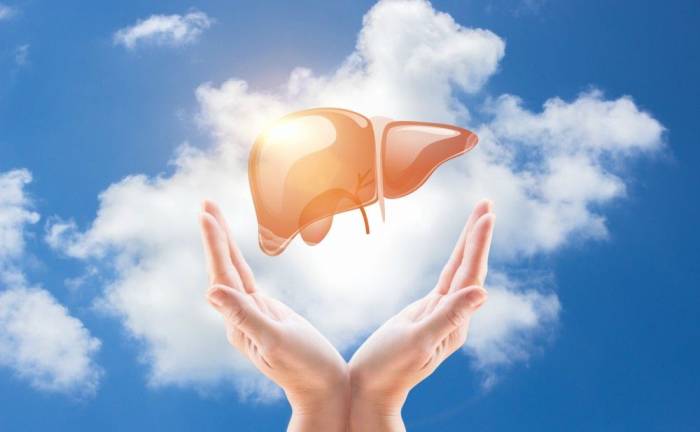
#10 Your liver gets healthier.
Specifically, abstaining from alcohol for a month led to a 15% decrease in liver fat. Fat accumulation in the liver is one of the causes that leads to liver damage
#11 Your risk for cancer falls, though your heart disease risk may creep up.
According to the National Cancer Institute, alcohol use has been linked to an increased risk for cancers of the mouth, liver, breast, colon, and rectum. The risk increases the more you drink. On the other hand, multiple studies have shown moderate alcohol consumption may lower your odds of heart trouble. More research suggests your risk for stroke, diabetes, and mortality may all rise slightly when you give up booze—assuming you were a light drinker before you quit.
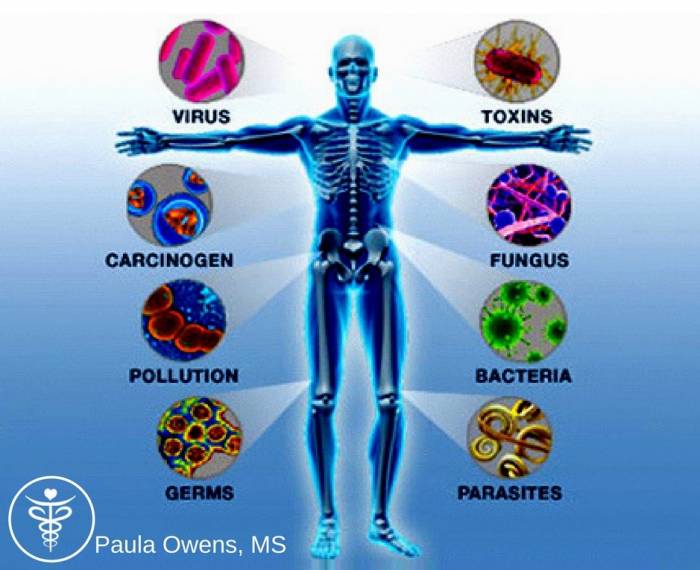
#12 Boost Your Immunity
According to one study, your immune system becomes weakened due to binge drinking “within just 20 minutes of ingesting alcohol”. Makes you think twice about binge drinking in that questionable dive bar now, huh?
I know it’s hard to resist drinking spiced eggnog and warm hot toddies during the holidays, but that’s prime cold and flu season.
Listen, I don’t want to be a Debbie Downer and tell you that you’re not allowed to drink alcohol and have fun anymore. But the truth is that the “fun” of binge drinking alcohol may not be enough to justify all the health benefits you’ll enjoy when you cut back to more reasonable levels.
From weight loss, muscle building, to improved sleep and brain function, I can’t imagine many parties or glasses of wine that offer anything close.
If you roll with a crowd that always seems to be popping bottles around you, share this article with them and make a pact to avoid booze together. You’ll be one sexy, healthy crew!
#13 You become more fertile.
A study found that women who drink 10 or more drinks a week were 34% less likely to conceive children when they tried. A separate study found similar results in women who drink moderately (up to 5 drinks per week).
#14 Being sober allows you to experience every emotion.
Research shows alcohol can alter the brain’s reward system as well as the amygdala, the area of the mind responsible for triggering fear or anxiety, essentially affecting emotions.
#15 Improvements in mental health
Improvements in mental health include decreased overall anxiety, improvements in depression, much higher levels of mental clarity, improved memory, better concentration, increased sense of connection, decreased levels of stress, higher self-esteem, greater motivation and a more positive outlook on life in general.
#16 Gain and Rebuild that Muscle
If you think unwinding with a drink after work feels good, think about that session you put in at the gym earlier that morning instead.
Are you thinking about all those strenuous reps you agonized through?
Well, here’s something to think about.
Research from one study on rats showed that alcohol impaired the synthesis of protein and disrupted the building of new muscle. When the rats consumed more alcohol, their lean body mass and muscle weight both decreased.
Scientists from another study found out that “alcohol decreased the production of human growth hormone, a key part of the muscle repair and growth process, by up to 70%”.
Even the best whey protein shakes can’t undo those issues.
Drop the excessive drinking and start building muscle again — your muscles will thank you and you’ll be feeling hotter than ever.
#17 Your cholesterol levels decrease.
Alcohol doesn’t have cholesterol, but it has cholesterol-increasing effects nonetheless. A study in mice once found that bad cholesterol levels decreased by 40 percent after they stopped their alcohol intake.
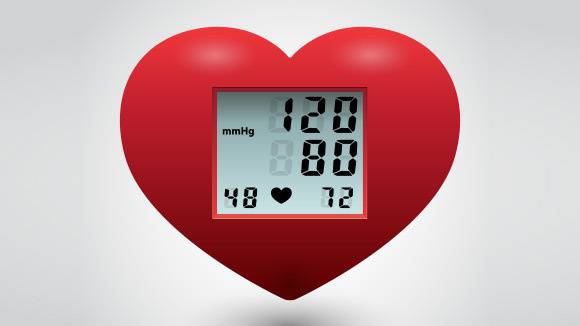
#18 Your blood pressure goes down.
A study by the Royal Free hospital tested a group of people to see what kind of effects quitting alcohol would have. Many reported that their high blood pressure dropped.
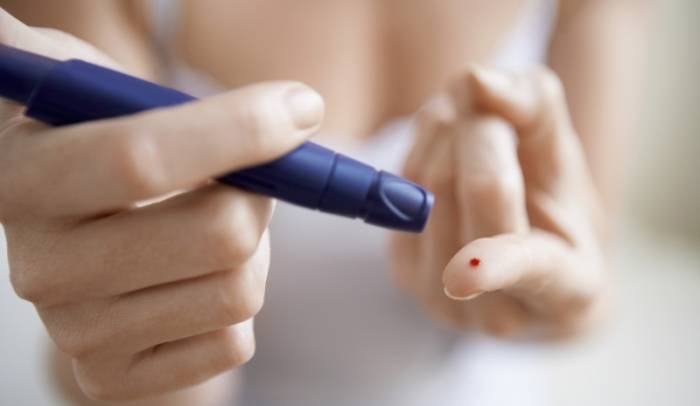
#19 Your risk of diabetes will decrease.
Alcohol can increase the body’s sensitivity to insulin, which in turn leads to type 2 diabetes.
#20
They find it easier to make healthier choices in general, choosing better foods, drinking more water, taking more exercise, and purposefully sleeping better.
#21 You'll have more money.
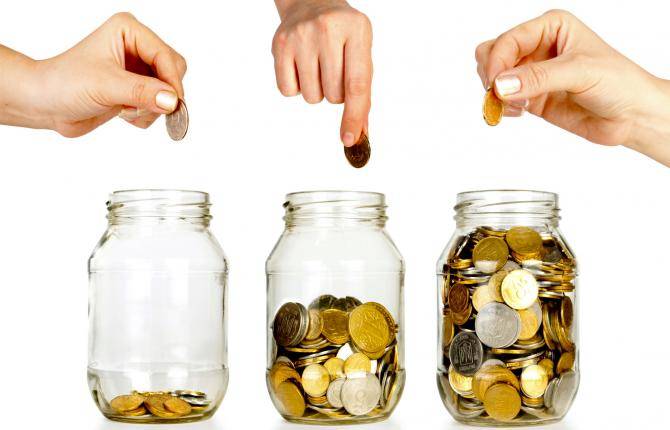
​Drinking—especially a fine wine or scotch habit—is an expensive undertaking. Take a moment to crunch the numbers, adding up what you spend for drinks both at home and out on the town (factoring in tax and tip). It can be an eye-opening—and motivating—exercise.
#22 You save time.
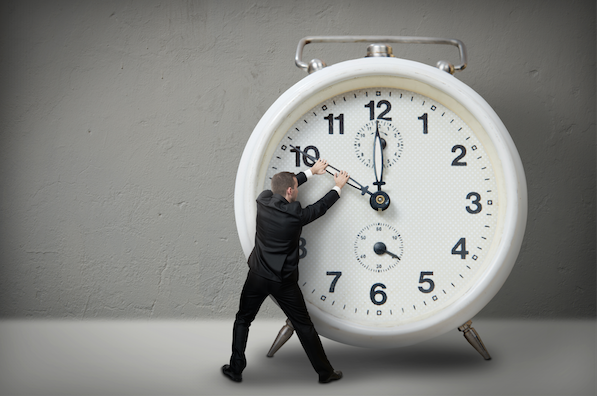
When you drink habitually, your body is less likely to do a lot of things like get up early, exercise and spend time in nurturing hobbies. After you quit drinking, you’ll see how much more time you have to do other things!
#23 You learn you don’t need alcohol to have fun
They realize that they don’t actually need to drink to have fun and enjoy themselves at parties and social gatherings, thus exposing the great cultural lie that alcohol equals a good time. For many, they discover that alcohol actually strains social relationships rather than strengthening them.