

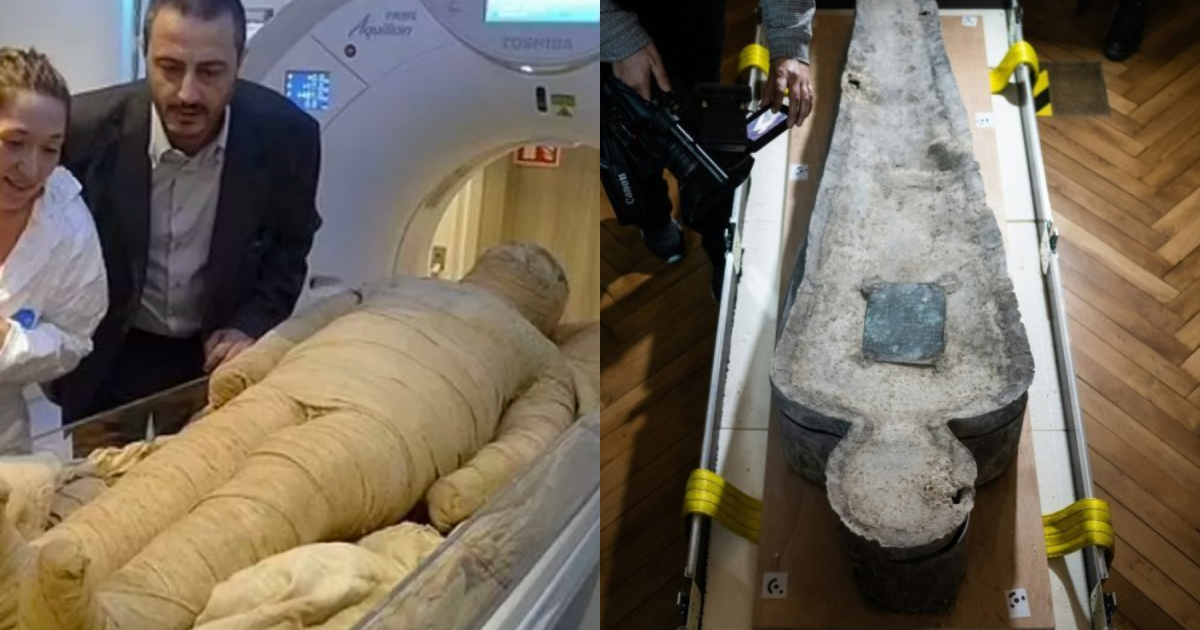
Traces of 'The Black Death' have been found in the DNA of an Egyptian mummy from 1780 BC, uncovering its ancient origins.
advertisement
When someone mentions the 'bubonic plague' or 'The Black Death,' most people immediately think of the medieval period.
Images of crowded cities overrun by rats and desperate attempts to escape the illness might come to mind.
But would you ever think of Ancient Egypt? Surprisingly, these two seemingly unrelated times in history now share a connection.

The yersinia pestis bacteria was found on the ancient mummy, the first time outside of medieval Europa and Asia
ROGER HARRIS/SCIENCE PHOTO LIBRARY via Getty
A recently analyzed ancient Egyptian mummy has been linked to this devastating pandemic, which claimed the lives of 50 million people during its most notorious outbreak.
The plague, known for being transmitted by fleas carried by rats, spread like wildfire during the Middle Ages, killing large populations swiftly.
It wasn't just the rapid spread that was horrifying. Victims suffered from severe symptoms, including swollen lymph nodes, painful skin sores, high fevers, and even a blackened tongue, before succumbing to the disease.
advertisement
While the Bubonic Plague is often tied to medieval Europe, recent findings suggest its origins might go even further back in history.
Archaeologists studying a mummy from 1780 BC uncovered traces of the disease, linking it to a much earlier time.
The mummy, belonging to a male individual, is preserved at the Museo Egizio in Turin, Italy.
Researchers took samples from the remains, including bone tissue and intestinal content, to better understand the mummy’s history.
To their astonishment, they detected DNA from Yersinia pestis, the bacteria responsible for the Bubonic Plague.
This remarkable discovery marks the first known case of the disease outside of its historical presence in Europe and Asia, offering new insights into its ancient spread.
The team of archaeologists shared their groundbreaking findings at the European Meeting of the Paleopathology Association.
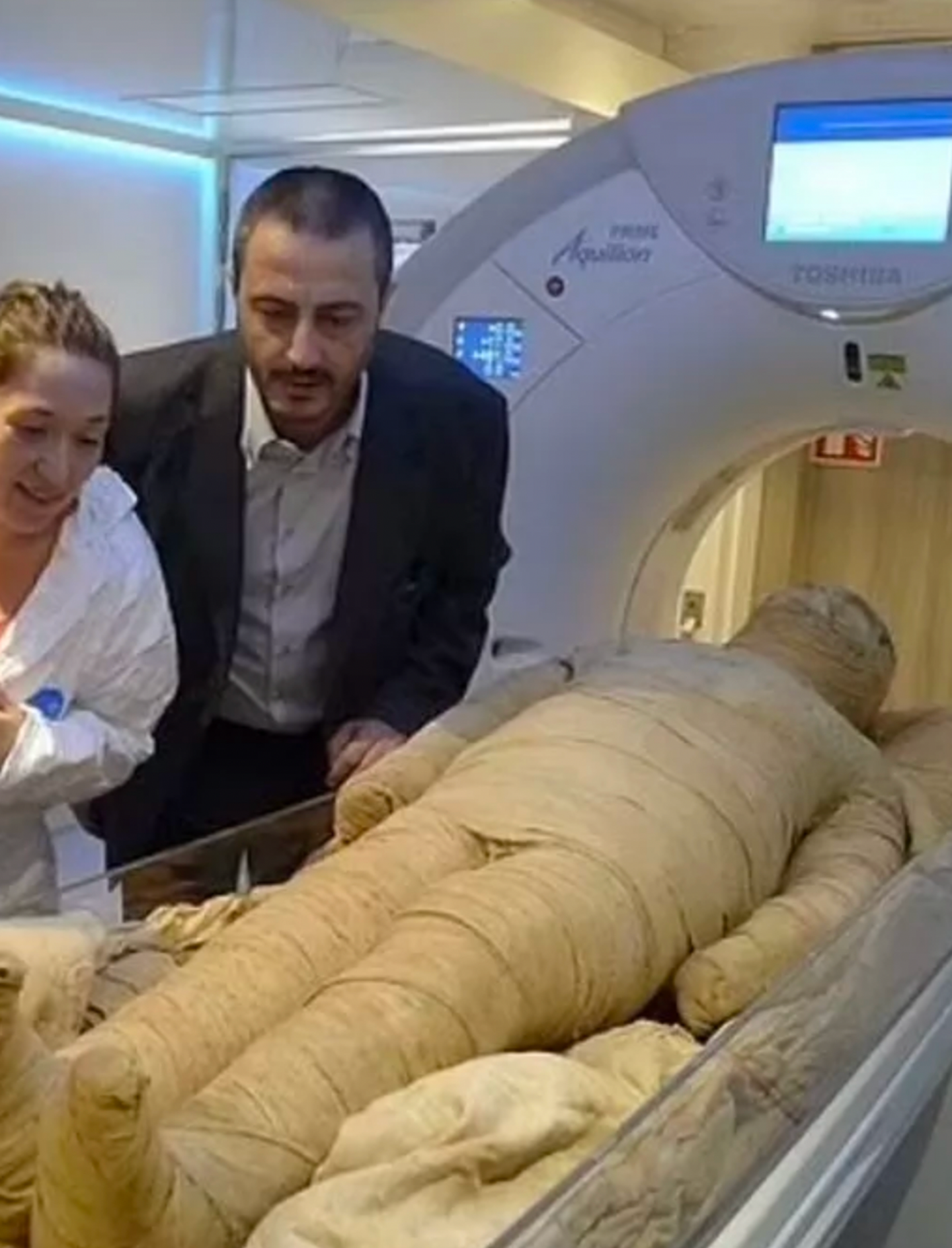
An ancient mummy dating back to 1780BC has traces of The Black Death
Eurac Research/Museo Egizio/Getty Images
advertisement
Their report stated: "Here, we report the presence of Y. pestis DNA in an ancient Egyptian mummy of an adult male from the collection of the Museo Egizio in Turin, Italy."
"The individual, who was anthropogenically mummified, was radiocarbon-dated from the end of the Second Intermediate Period to the beginning of the New Kingdom, yet its exact provenance within Egypt is unknown."
"Bone tissue and intestinal content derived from the mummy were first subjected to a shotgun metagenomics approach. Thereby, we detected Y. pestis DNA in both samples indicating broad tissue tropism of the pathogen during an already advanced state of disease progression."
advertisement
"This is the first reported prehistoric Y. pestis genome outside Eurasia providing molecular evidence for the presence of plague in ancient Egypt, although we cannot infer how widespread the disease was during this time."
It’s easy to assume that The Black Death is a thing of the distant past, vanquished by modern medicine and improved hygiene.
However, that assumption isn’t entirely accurate. Despite our advancements, the plague has continued to make rare appearances even in recent history.
For instance, cases have been reported as recently as 2015. While the UK has remained untouched by the disease, outbreaks have occurred in other regions, including Africa, Asia, South America, and the United States.
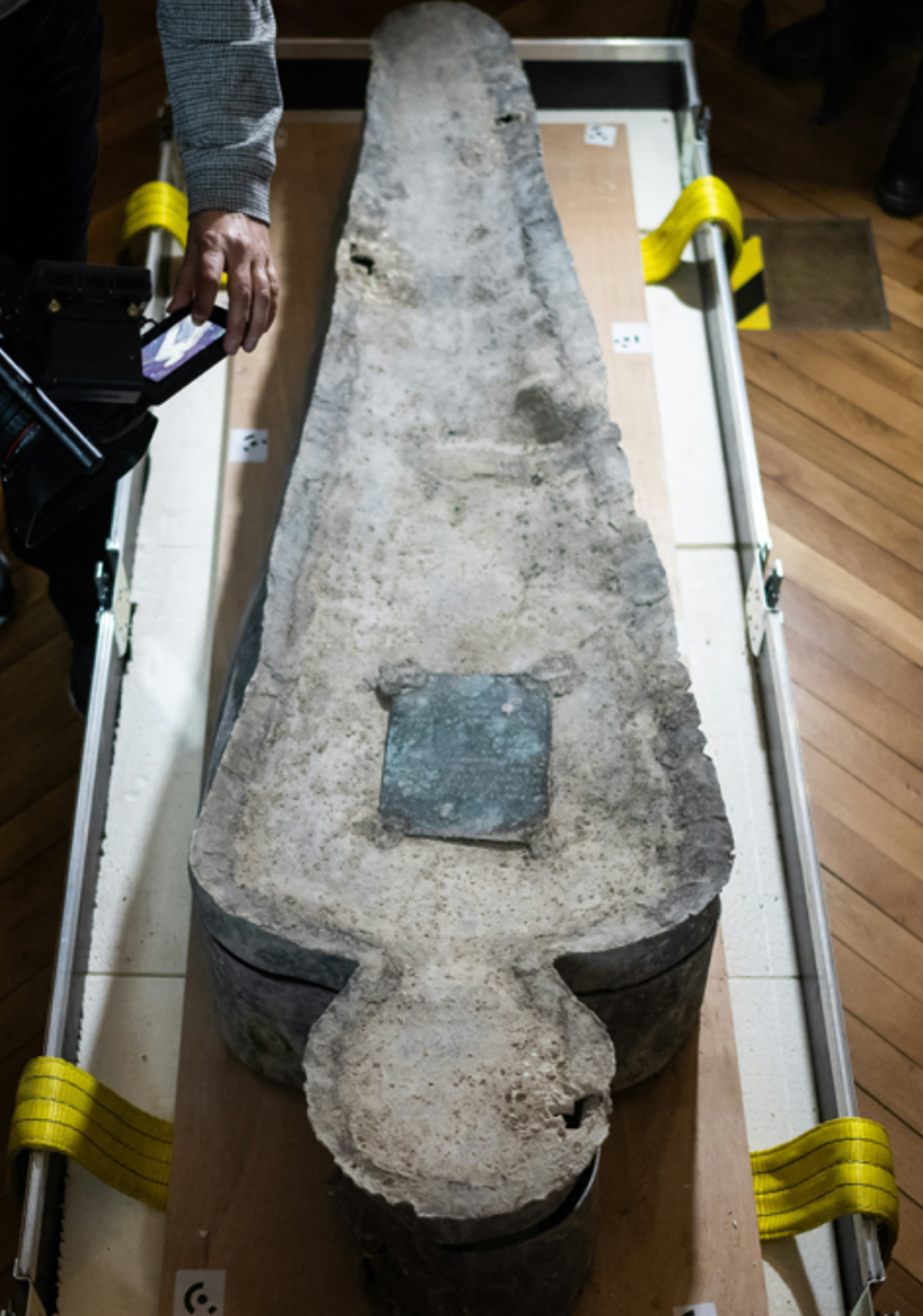
Traces of the plague were found in the bone tissue and intestinal content of the ancient mummy
LIONEL BONAVENTURE
advertisement
Between 2010 and 2015 alone, 3,248 cases of the plague were reported globally, according to data from Public Health England.
Thankfully, unlike in the past, contracting the disease no longer means certain death. Modern antibiotics can effectively treat it, saving lives.
The transmission of the plague still heavily relies on animals, especially rodents. Michael Marks, a professor at the London School of Hygiene and Tropical Medicine, shed light on this last year: "People with plague are very sick. They aren't getting on planes basically. So the way plague moves around the world isn't individuals with plague (unlike say COVID) but by infected animals."
"The risk to the UK is extremely low, close to zero, as evidenced by the fact that cases continue in the USA every year but we don't see cases reach the UK."