A virus which locks computer users out of their files until they pay a ransom has started targeting Apple devices for the first time.
Apple Computers Hit By Virus 'Ransomware' For First Time
By
Editorial Staff in
Science and Technology
On 7th March 2016
advertisement
#1 Apple Hit With It's First Ever Virus And It's A Huge One
A virus which locks computer users out of their files until they pay a ransom has started targeting Apple devices for the first time.
Hackers have infected a number of Macs with "KeRanger" malware which demands owners pay one bitcoin (about £280) or $400 US for their files to be unencrypted. It is believed that over 2,000 people may have installed the virus already.

#2 The Malicious Virus Holds Your Computer Until You Pay A Ransom
Apple customers were targeted by hackers over the weekend in the first campaign against Macintosh computers using a pernicious type of software known as ransomware, researchers with Palo Alto Networks have revealed.
Ransomware, one of the fastest-growing types of cyber threats, encrypts data on infected machines, then typically asks users to pay ransoms in hard-to-trace digital currencies to get an electronic key so they can retrieve their data.
advertisement
#3 KeRanger Malware Usually Hits Windows OS So Apple Is Concerned This Is Only The Bginning
Security experts estimate that ransoms total hundreds of millions of dollars a year from such cyber criminals, who typically target users of Microsoft's Windows operating system.
Ryan Olson, threat intelligence director at Palo Alto, said the "KeRanger" malware, which appeared on Friday 4 March, was the first functioning ransomware attacking Apple's Mac computers. He said they are worried that hackers have found a way to infiltrate their systems.
#4 Hackers Infected Macs Through A Tainted Copy Of A Popular Program Known As Transmission
Users began unwittingly downloading the malicious program as they tried to install popular software called Transmission, which is used to transfer data on BitTorrent.
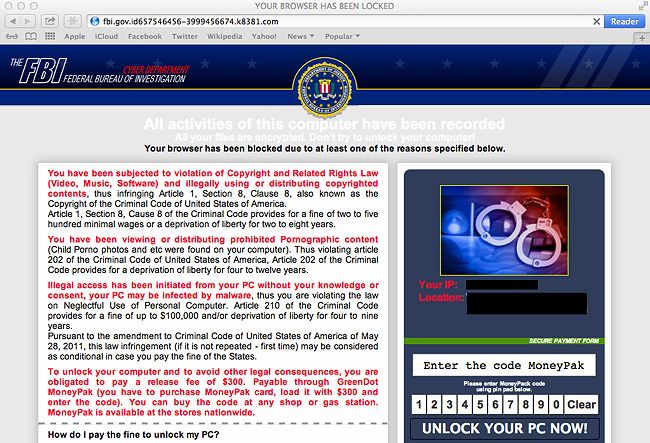
The "ransomware" stays quiet for three days after infecting each computer - and then starts to make documents, photographs, videos and other precious files inaccessible. At that time, users systems are then locked and they receive a message asking for 'ransom' to have it unlocked.
advertisement
#5 Users Will Begin To See Their Computers Slowly Lock Up If They Do Not Get Rid Of The Virus
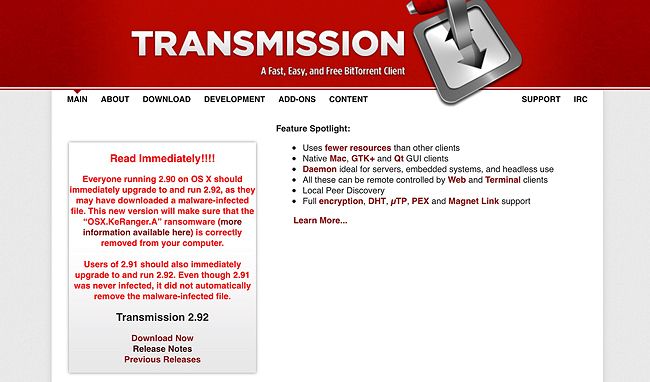
Cyber security experts believe the "KeRanger" virus was loaded onto the Transmission website on Friday - meaning affected Apple users could start receiving ransom demands from Monday unless they immediately install an updated version of the software. Apple has blocked the software to users unless they read the websites message, agree to it, then remove and update existing software.
advertisement
#5 Transmission Software Will Need To Be Removed And Replaced
"This is the first one in the wild that is definitely functional, encrypts your files and seeks a ransom," Olson said in a telephone interview with Reuters. Transmission is one of the most popular Mac applications used to download software, videos, music and other data through the BitTorrent peer-to-peer information sharing network, according to Olson. He adds, "Don't pay them anything."
Representatives with Transmission could not be reached immediately for comment but on Sunday it released a version that its website said automatically removes the ransomware from infected Macs.
advertisement
#7 What Ransomeware Really Is
Ransomware is not new, but it's new to Apple systems. The virus has been making the rounds to hospitals, insurance companies, car dealerships, emergency clinics, and even government offices since early last year. The virus dates back to 1993. Ransomware is a type of malware that restricts access to the infected computer system in some way, and demands that the user pay a ransom to the malware operators to remove the restriction. Some forms of ransomware systematically encrypt files on the system's hard drive, which become difficult or impossible to decrypt without paying the ransom for the encryption key, while some may simply lock the system and display messages intended to coax the user into paying. Ransomware typically propagates as a trojan, whose payload is disguised as a seemingly legitimate file.
While initially popular in Russia, the use of ransomware scams has grown internationally. According to the FBI, criminals are netting an estimated $150 million a year through these scams.