Archaeologists Dug Up An 800-Year-Old Pot...But What They Found Changed History!
By
Editorial Staff in
History
On 23rd February 2016
Archaeologists spend a lot of their time digging, and because the things for which they are digging are very old, they are usually artifacts made of rock or clay, or in very special, rare cases, a mummified something or other. Most organic material, though preserved, is still dead. Archaeologists are highly unlikely to be dealing with things that grow, like the scientists in Jurassic Park. If you didn't watch it (for shame), dinosaur DNA is extracted from a mosquito to populate the most expensive theme park imaginable with dinosaurs.
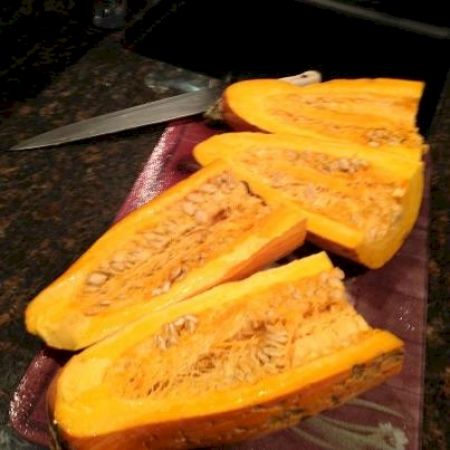
Well, no DNA extraction was involved in this amazing discovery, but this is the closest thing to the best movie of the '90s. (I wonder what these taste like.)
#1 Tiny Clay Pot. NBD.
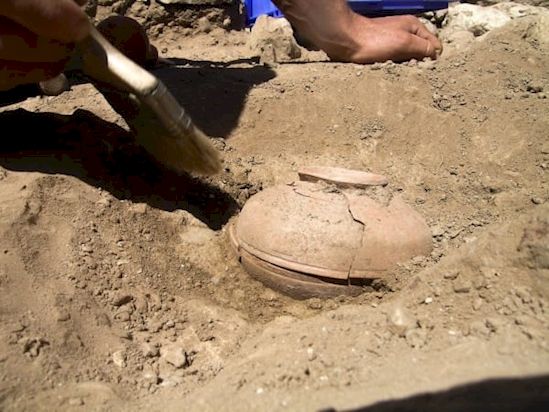
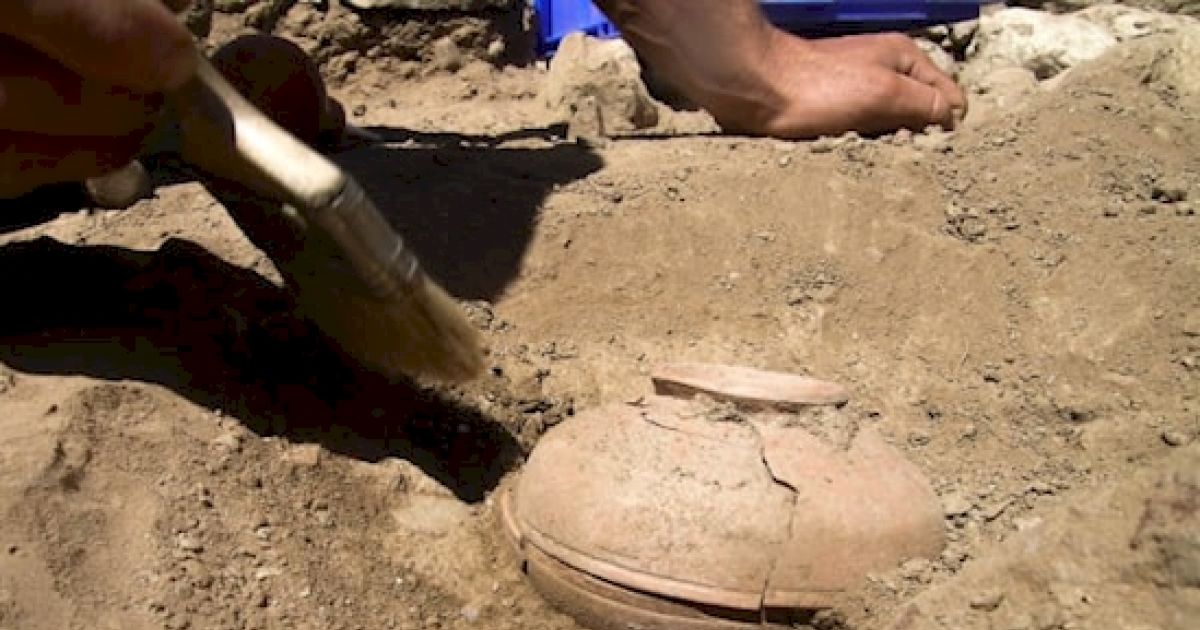
Archaeologists on a dig at the First Nations Menominee Reservation in Wisconsin in 2008, made a small but amazing discovery: a small clay pot. They were able to determine that the pot was approximately 800 years old, even though it doesn't look a day over 750.
#2 800 Years Old And EXTINCT But What Happens If We Plant 'Em?
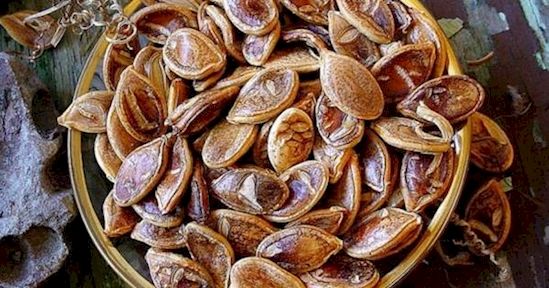
These seeds are not only old, but they are no longer found in nature's collection of squash and squash-like vegetation. The small pot was used for food storage and buried intentionally for "freshness." Perhaps it's owner forgot where he or she had stored it, which probably ruined an evening. #prehistoricproblems
#3 It's ALIVE!
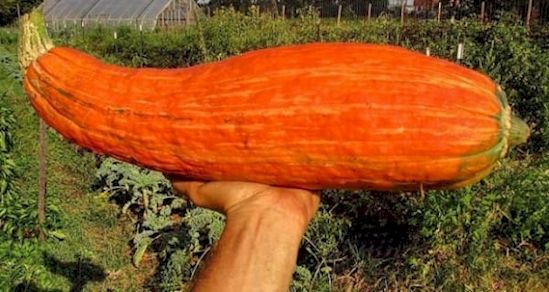
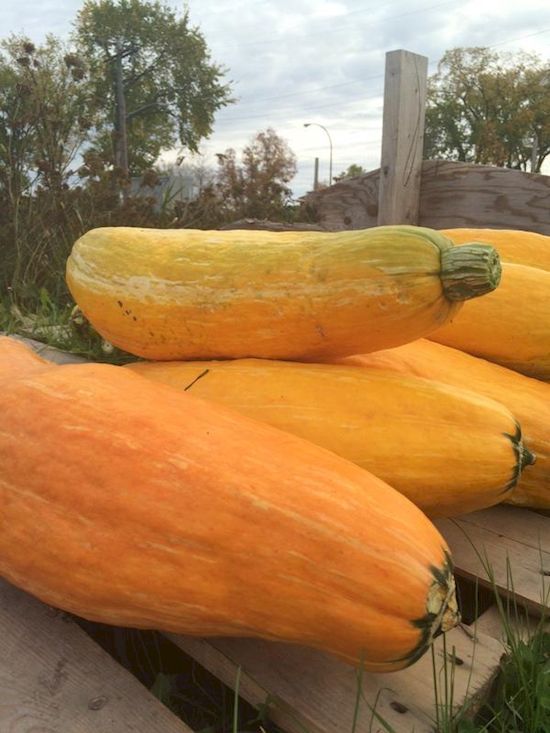
Several years after making this delicious discovery, Winnipeg students decided to plant the old AF seeds. They were not expecting anything to happen but to everyone's amazement, something actually began to grow.
#4 Gete-okosomin My Belly!
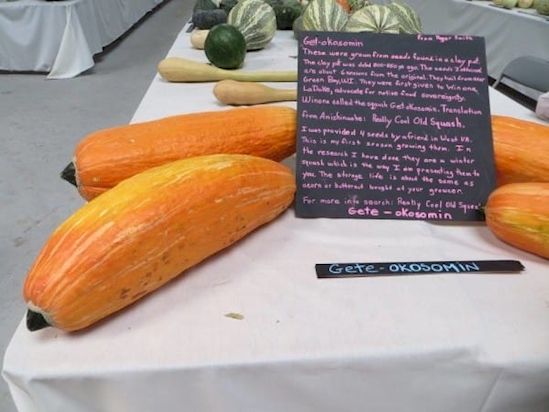
Sorry, we forgot to introduce you. This squash is called "Gete-okosomin," but its friends call it "Big Old Squash."
#5 "I've Already Lost You Once, I'm Not Going To Lose You Again!" –Prince Eric, The Little Mermaid
The students are aware of the importance of their discovery. They are currently working to cultivate the gigantic vegetable so that it doesn't go extinct again.
#6 But In All Seriousness
This is a big part of the history of the First Nations' community that once used these squash, and the natural history of the land there. A fascinating discovery like this can revive interest in First Nations' wealth of traditions and way of life, both then and now.