

16 Psyche could make everyone on Earth a billionaire.
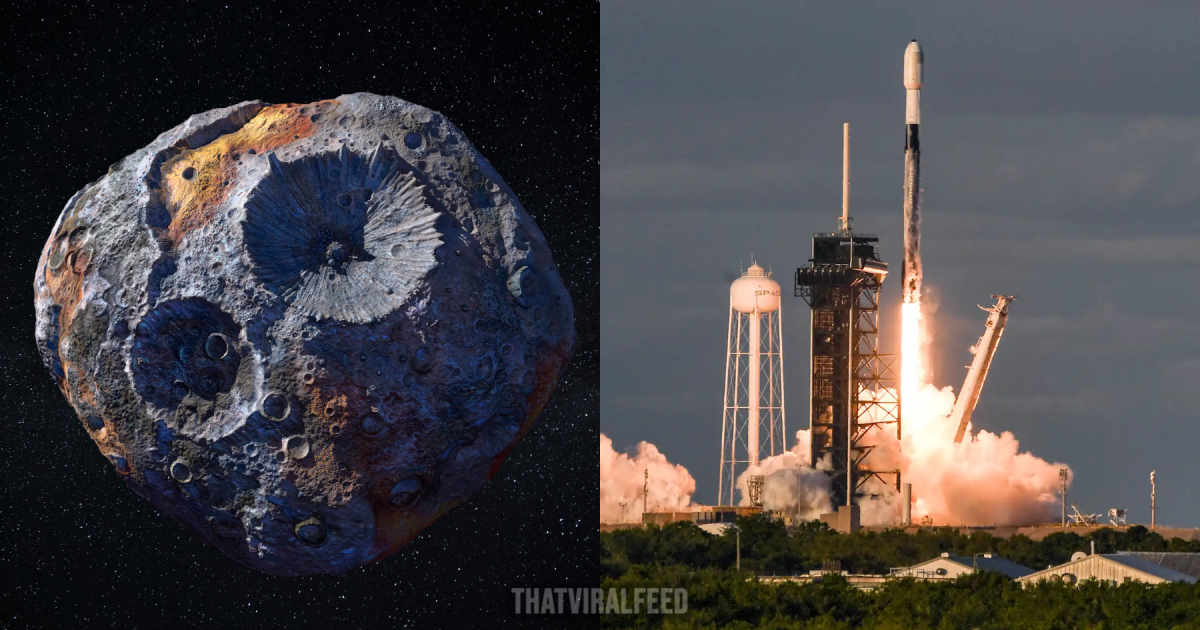
Asteroid Being Captured By NASA Worth $10,000,000,000,000,000,000 Could Make Every Person On Earth A Billionaire
By
maks in
Science and Technology
On 27th April 2024
advertisement
Months have passed, yet the buzz hasn't faded around a certain NASA mission that captured the public's imagination last summer.
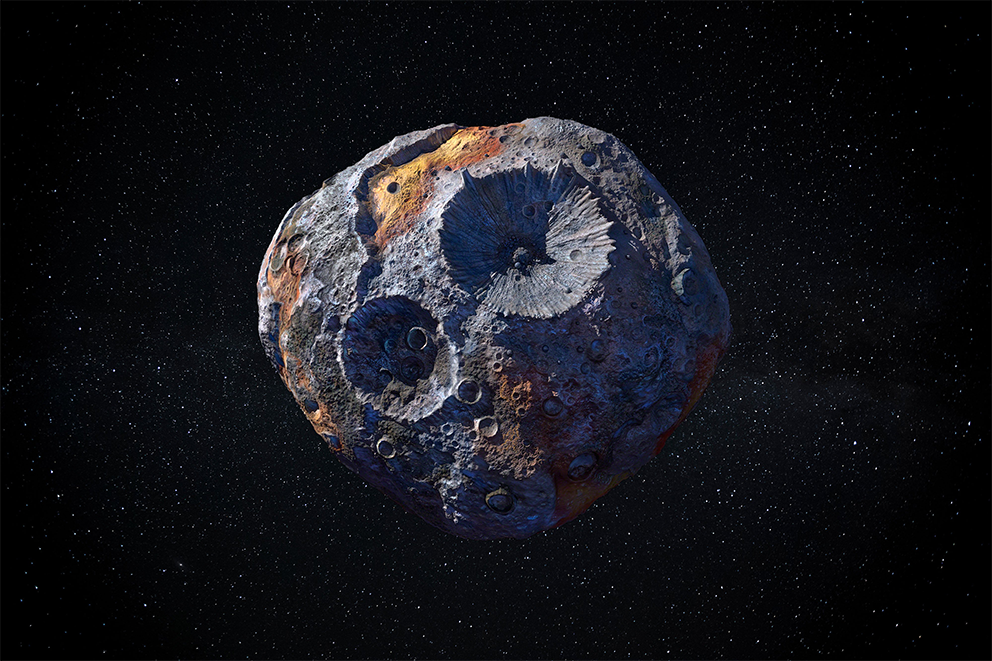
The operation involves a journey to a distant asteroid known as 16 Psyche, which has intrigued many due to its unique characteristics and potential.
Last summer, NASA announced its ambitious plans to target this faraway asteroid, believed to be a treasure trove of precious metals.
The metals believed to be on 16 Psyche, including gold, iron, and nickel, not only promise scientific riches but also boast an astronomical monetary value.
NASA
In a statement released last July, NASA highlighted the intense preparations for the mission:
advertisement
"Teams of engineers and technicians are working almost around the clock to ensure the orbiter is ready to journey 2.5 billion miles to a metal-rich asteroid that may tell us more about planetary cores and how planets form."
The mission officially began with a successful launch from NASA's Kennedy Space Center in Cape Canaveral, Florida, on October 13, 2023.
Since then, the spacecraft has been en route to its distant target.
The asteroid's staggering estimated worth has inevitably led to wild speculations and dreams about the economic implications of such a discovery.
advertisement
Many enthusiasts have imagined how mining the asteroid could potentially distribute unimaginable wealth across the globe, theoretically making every person on Earth a billionaire.
However, experts were quick to caution that such a scenario would likely lead to an economic collapse, likening it to the chaos of every human winning the lottery at once.
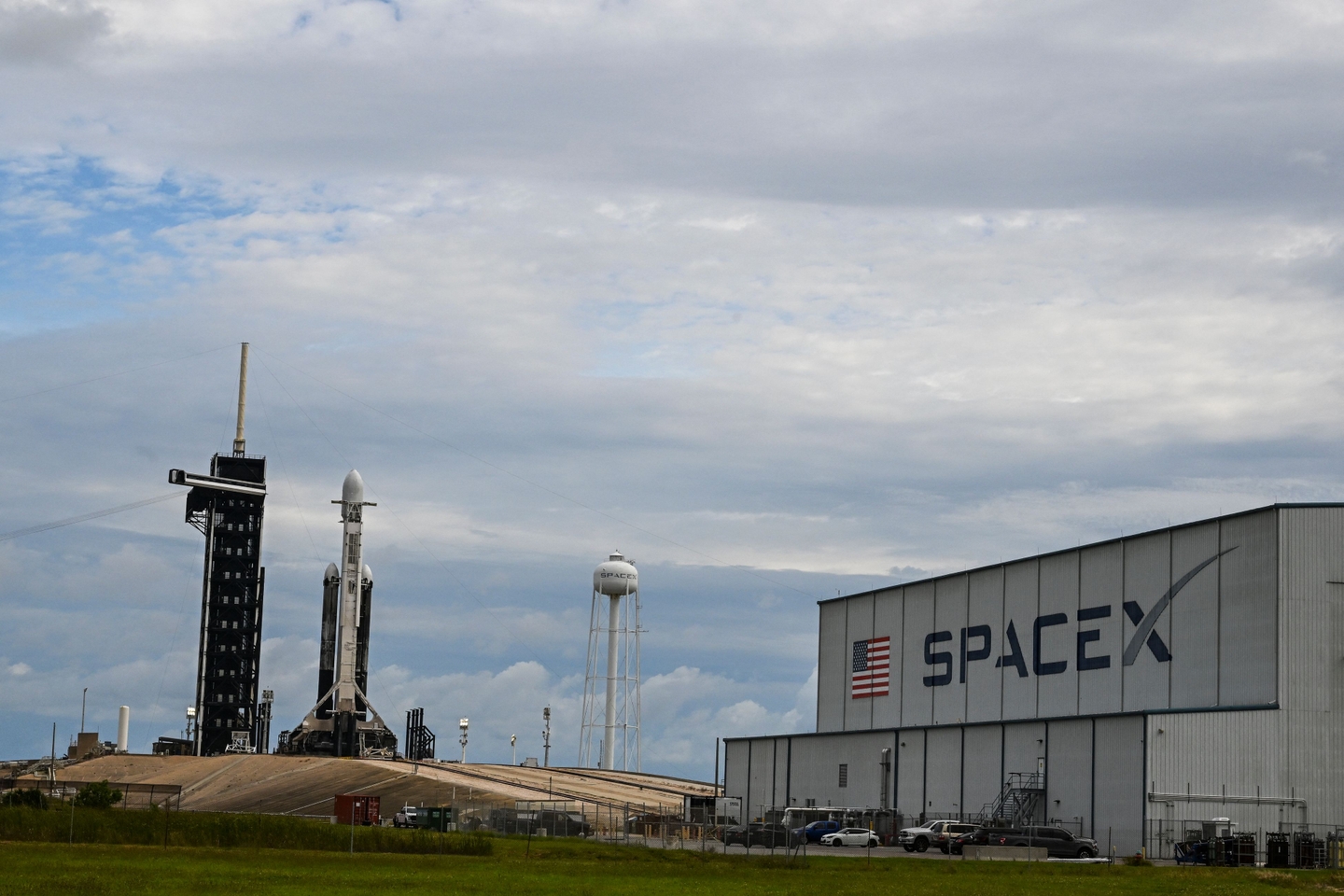
The mission began in October 2023.
CHANDAN KHANNA/AFP via Getty Images
This economic speculation has stirred as much conversation as the scientific aspects of the mission.
advertisement
Reassuringly, NASA has made it clear that the mission's focus is not on exploiting 16 Psyche's mineral wealth.
The agency aims to use the mission to gain deeper insights into the building blocks of planet formation by studying the asteroid's metallic core, which is exposed and offers a rare glimpse into the violent history of collisions and accretion that shaped our solar system.
advertisement
NASA's July press release also reiterated the mission's scientific goals: "With less than 100 days to go before its launch, teams of engineers and technicians are working almost around the clock to ensure the orbiter is ready to journey 2.5 billion miles to a metal-rich asteroid that may tell us more about planetary cores and how planets form."
The asteroid's orbit around the Sun takes it between Mars and Jupiter, varying in distance from the Sun from 235 million to 309 million miles (378 million to 497 million kilometers).
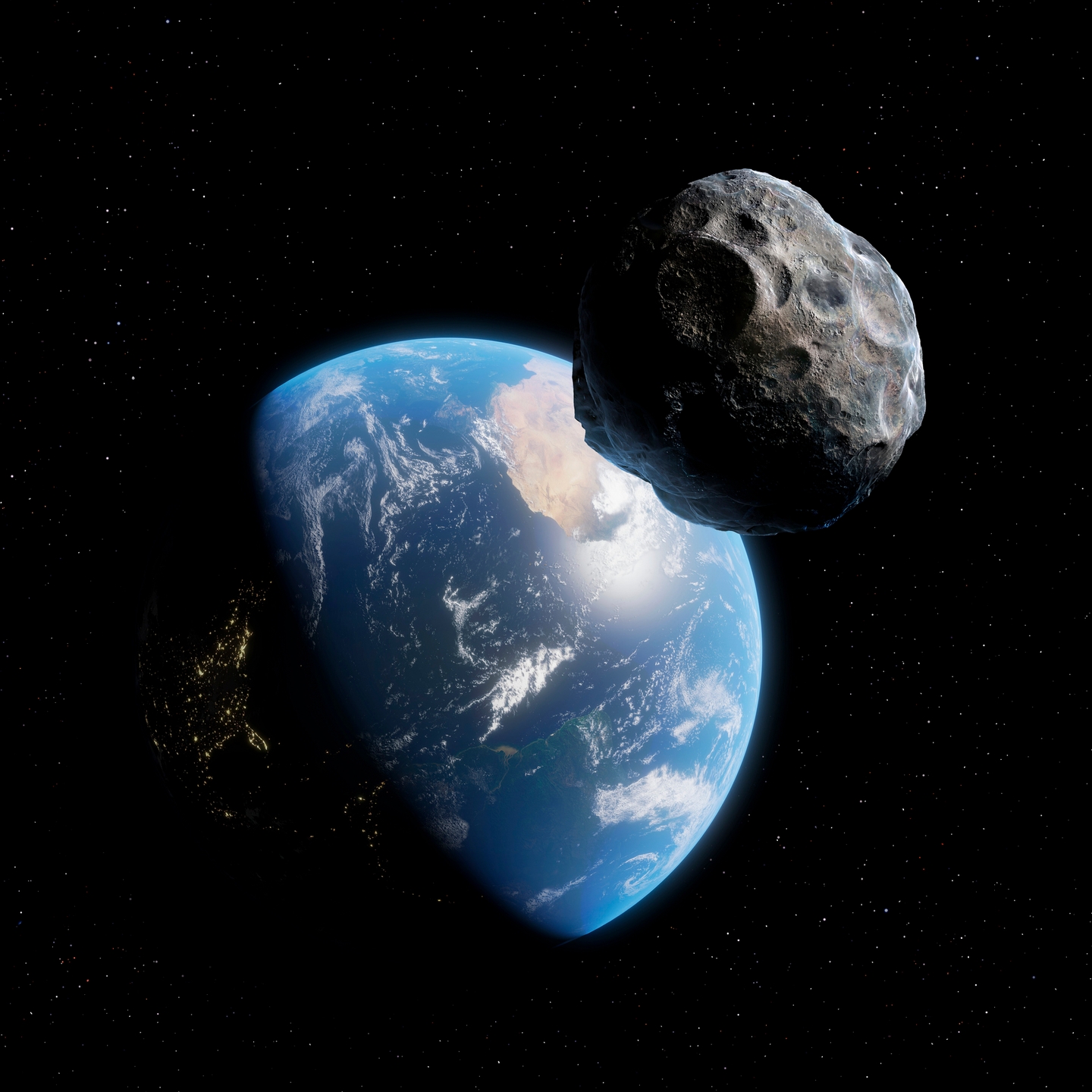
The mission is making headlines.
Getty Stock Photo
The spacecraft's long journey will include a gravity assist from Mars in May 2026 to help it reach its distant target by July 2029.
advertisement
Upon arrival, NASA plans a comprehensive study of Psyche, employing tools like a multispectral imager, a gamma-ray and neutron spectrometer, a magnetometer, and a radio instrument for gravity measurement, to map and analyze its composition and topography.
advertisement
While there are other metal-rich asteroids in our solar system, NASA chose 16 Psyche because of its size and the likelihood that it has remained largely unchanged by other impacts, making it an ideal subject for study.
advertisement
"Psyche is by far the largest, and that's why we want to go to it because the smaller ones are more likely to have been changed by things impacting them, whereas the big one, we think, is going to be completely unchanged," Nicola Fox, the associated administrator for NASA's science mission directorate, told Space.com.
This mission not only promises to enhance our understanding of planetary formation but also tests our capabilities in deep space missions.