

The finding brings scientists closer to understanding where life may have begun
advertisement
Scientists have detected early signs of life’s essential ingredients on asteroid Bennu, offering a deeper look into how life might have first emerged. The discovery gives researchers a fresh trail to follow as they try to piece together the story of our origins.
In recent months, much of the public attention shifted to comet 3I/ATLAS, which NASA now believes is actually an asteroid. One Harvard researcher even suggested it could be an alien probe. But Bennu, which once held headlines of its own, remains equally important and full of unanswered questions.
The 500-meter-wide asteroid was once labeled one of the most dangerous objects in our solar system. It carried a 1-in-2,700 chance of striking Earth sometime between 2175 and 2199, sparking years of study and planning from space agencies across the world.
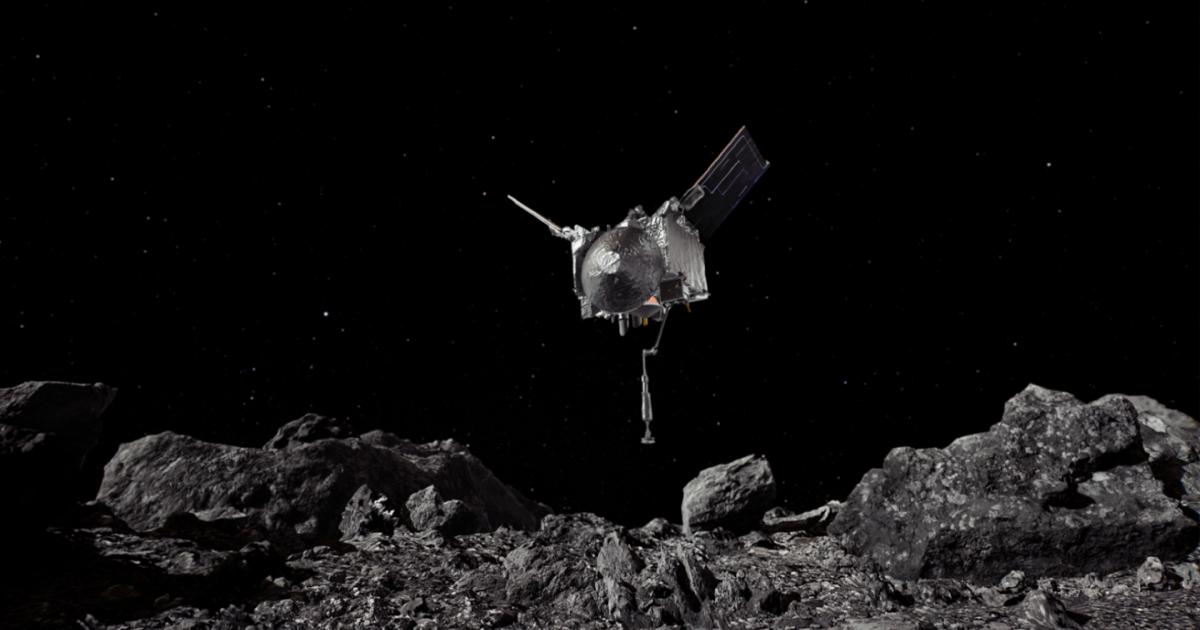
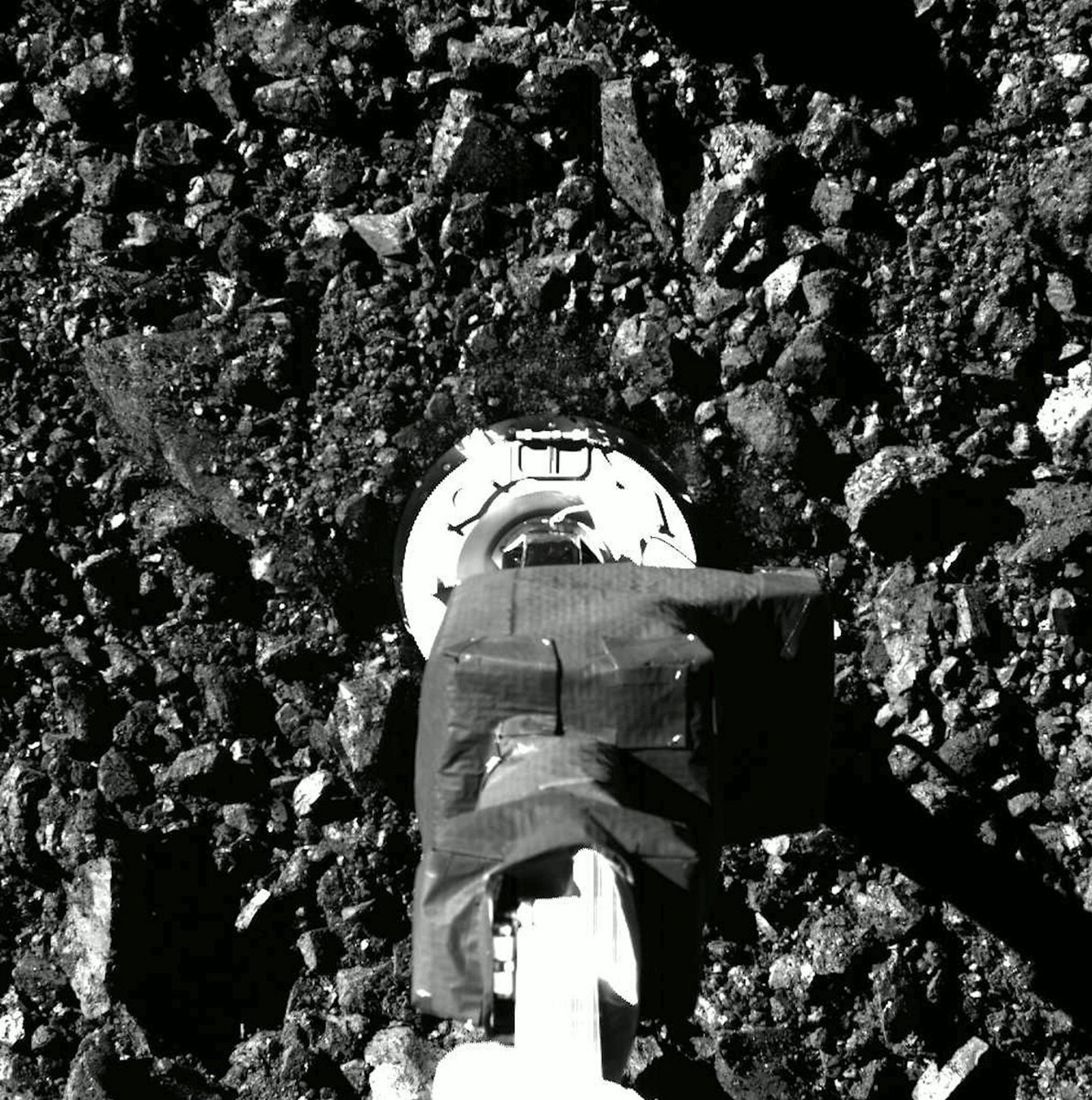
NASA launched the OSIRIS-REx mission in 2016 to bring back a sample from Bennu. The spacecraft reached the spinning, top-shaped asteroid and collected material in 2020. Those precious pieces of rock finally landed in Utah in 2023, and scientists have been analyzing them closely ever since.
The material is believed to be around 4.5 billion years old. Early results suggest Bennu may offer clues about how our solar system formed and whether life’s earliest components existed long before Earth developed environments capable of supporting them.
The discovery challenges our understanding of how life on Earth may have begun
NASA
advertisement
What are the early signs of life on Bennu?
Researchers discovered glucose inside the asteroid sample. Glucose is a six-carbon sugar that plays a key role in biology, and this marks the first time it has been identified in material from beyond Earth. The finding surprised scientists because it shows essential molecules may be far more common in space than once believed.
They also found ribose — a five-carbon sugar used to form RNA — along with amino acids, nucleobases, carboxylic acids, and phosphates. RNA is a vital molecule in all known life because it acts as a messenger for DNA. These ingredients together make a strong case that many building blocks of life were widespread throughout the early solar system.
NASA explained that these discoveries support the idea that organic compounds formed naturally in space long before Earth’s surface became habitable.
A NASA scientist is confident we will find life beyond our own solar system
Fotograzia/NASA/Getty Images
One interesting detail is that researchers found ribose but not deoxyribose, the sugar used to form DNA. This difference suggests that ribose may have been more common in ancient space environments than DNA’s sugar, offering hints about how life’s earliest chemistry may have unfolded.
advertisement
What does this mean for how life on Earth began?
The findings support the RNA world hypothesis, which proposes that RNA existed before DNA and proteins and served as both a genetic material and a catalytic molecule. This theory has gained more attention as scientists uncover chemical evidence that early solar system materials may have carried RNA components.
The presence of glucose strengthens the idea that crucial energy sources could have reached Earth through meteorites in its earliest years. This aligns with the panspermia hypothesis — the idea that life’s initial ingredients were delivered to Earth from space rather than forming entirely on the planet.
NASA scientist and OSIRIS-REx Co-Investigator Daniel Glavin spoke about the breakthrough, saying: "I'm becoming much more optimistic that we may be able to find life beyond Earth, even in our own solar system."
advertisement
He continued by noting that even though many chemical ingredients needed for proteins and nucleic acids were detected in the Bennu samples, no direct evidence of life itself has been found. The material shows promise, but it doesn’t confirm biological activity.
"I think this is going to open up a lot of new areas of research for folks to try to figure out why didn't these building blocks advance to something more complex inside this giant asteroid parent body," Glavin added.
advertisement
These findings suggest that asteroids and meteorites could have played a major role in delivering life’s essential components to Earth and possibly to other worlds as well. The discoveries bring new weight to theories about how life may start in different parts of the universe.
And yes, it definitely makes you stop and think about our place in all of this.