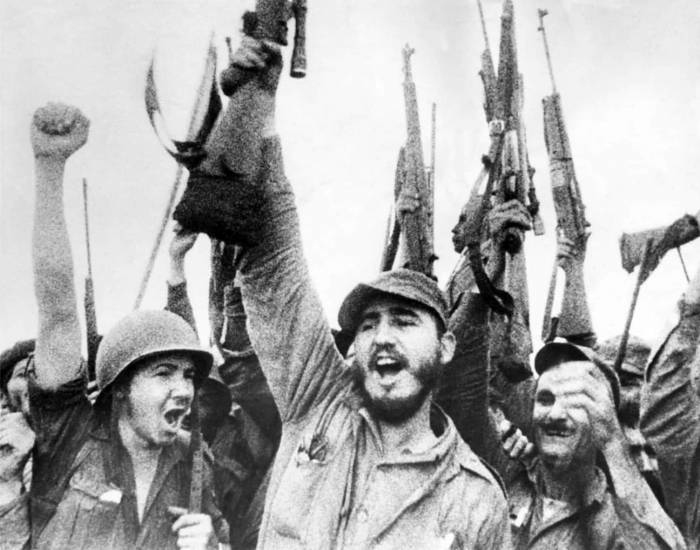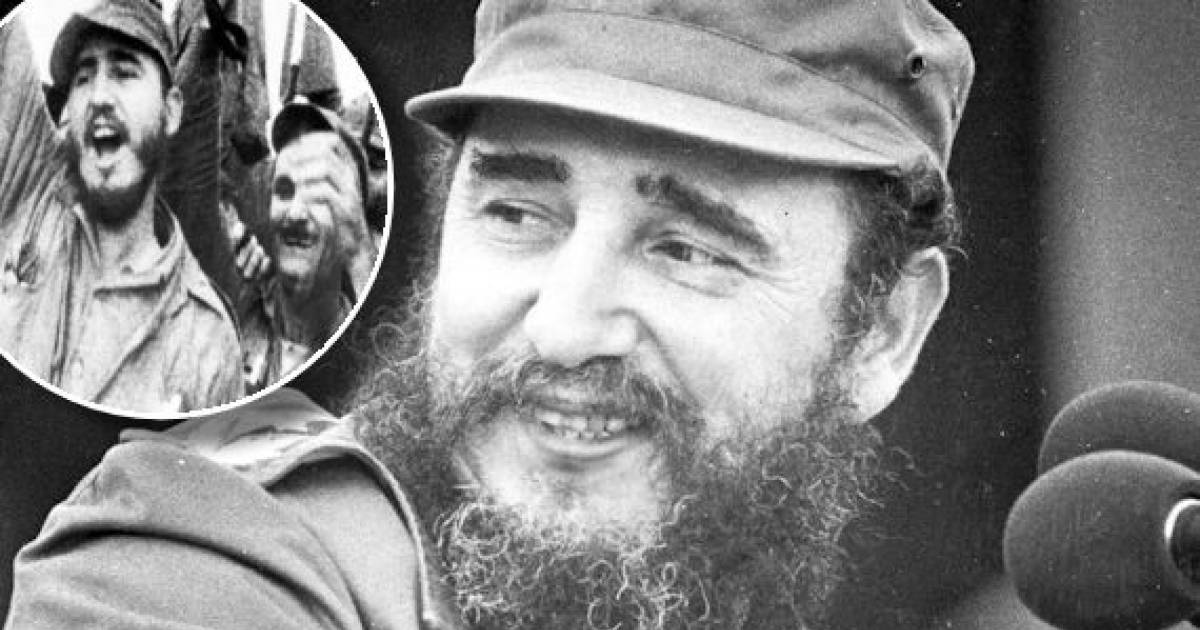
After decades of ruling Cuba with an iron fist, cutting it off from the modern world, Fidel Castro passed away. His death has been taken in two very different ways from Little Havana in Florida, US to the real Havana, Cuba. In the US people celebrated the passing of the ruthless dictator, but in Cuba, where most people grew up under his rule and knew nothing else, they mourned. This man has ordered multiple atrocities that are immense violations of basic human rights. From mass murders to the execution of small children, Fidel Castro has left an innumerable death toll in his wake and has shown very little remorse for these innocent lives lost. He was a tyrant that should be remembered as such.
advertisement
#1 The Overall Death Count
There is no exact death count for those killed by Fidel Castro and his militia because he killed so many people over the last 5 decades. The numbers are in the tens of thousands, it is believed. At least 78,000 people died trying to flee dictatorship while 5300 are known to have lost their lives fighting for communism in the Bay of Pigs and Escambray Mountains. His army fought alongside the Russians in Angola where 50,000 died. But despite his atrocities, people still mourn his death in a very complicated way because of the "good things" he did do for those who were born after his overthrow of the previous dictator.
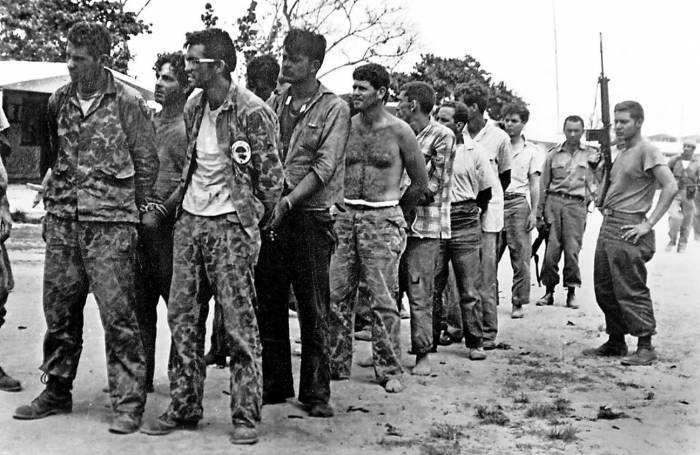
#2 Appointing Raul Castro
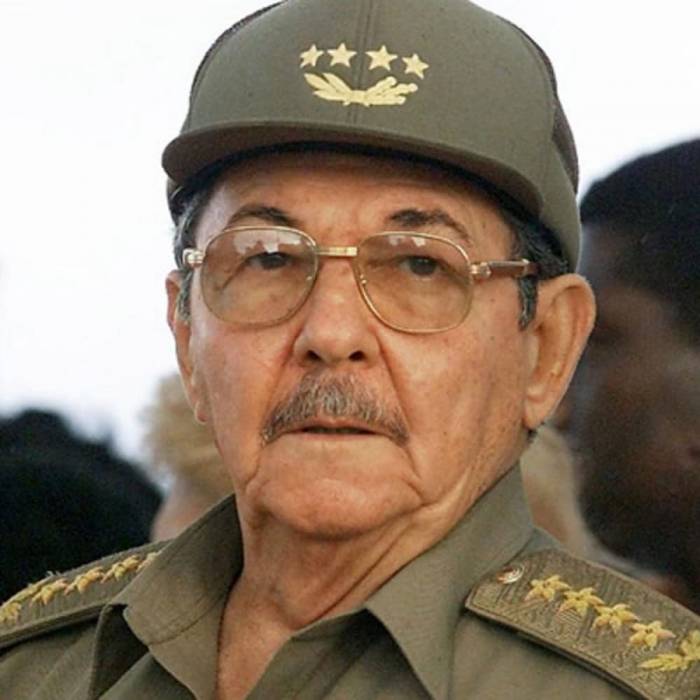
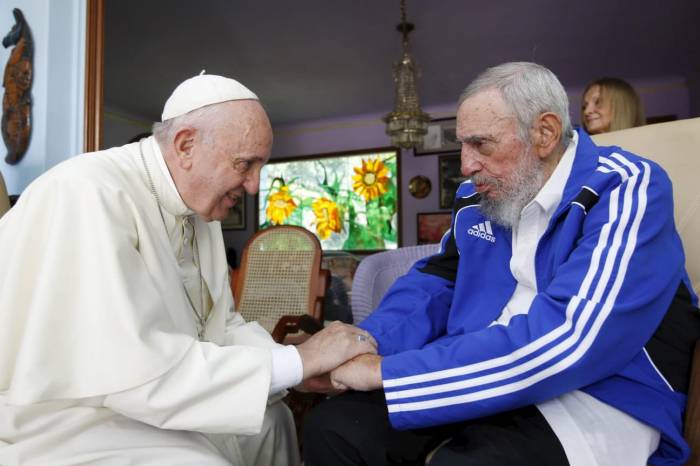
Raul Castro has served as President of the Council of State of Cuba and the President of the Council of Ministers of Cuba since 2008. An ill Fidel turned the day to day duties of ruling the island nation to his brother. Raul is known as the man who carried out the high-profile kidnappings of US and Canadian nationals. Raul Castro continues to be the leader of rebuilding a tattered relationship with the United States. However, some believe it's a bad decision to get back into good standing with the Castro family and Cuba. Those who escaped the country to the United States are skeptical of the new leader and the new ties that seem to hold promise for both countries. Raul recently met with the Pope and said he may revert back to Catholicism, something that would make his brothers blood boil!
advertisement
#3 The Canimar River Massacre
In the 1970's, near Matanzas Bay, around 100 people were fleeing the country of Cuba in a tourist boat when machine guns opened fire on them and killed everyone aboard. Among those aboard were several children and women. Despite being a horrific display of power and violence the Canimar River Massacre also marks another milestone in the Castro dictatorship. Cubans were then never permitted to leave the country, which led to the country having one of the largest suicide rates.
#4 The Execution Of Children
There are 95 documented killing directly ordered by Fidel Castro. Of these teens and children, 22 died by firing squad and 32 were killed in an extrajudicial assassination. 15-year-old Owen Delgado Temprana took refuge in the Ecuadorian embassy and was then beaten to death. Many people died in prison of unknown causes though it was often written that every one died of a heart attack. There were a total of 2199 reported prison deaths during this Socialist regime, one of which was a 17-year-old denied medical attention, who was found in a pool of his own vomit. In 1971, three children were killed fleeing the country when a Navy ship rammed their small boat. To make it even sicker, they watched as their mother was eaten by sharks nearby.
advertisement
#5 Killing To Sell The Blood
In May of 1966, 166 citizens were rounded up and executed so that 7 pints of their blood could be harvested. Reported by the InterAmerican Human Rights Commission, the blood sold for $50 per pint in Communist Vietnam to obtain hard currency while also contributing to the Vietcong Communist aggression. Extracting the amount of blood Castro desired to be sold in Vietcong would always result in a person suffering from cerebral anemia. Cerebral anemia causes someone to go through paralysis and unconsciousness. In this blatant disregard for human rights, the subjects were first drained of their blood to the point of cerebral anemia before being carried on a stretcher down a long hall where they would be killed. This was all done by the command of murderer Che Guevara in these hard times for Cubans.
advertisement
#6 Fidel Castro And Gay Rights
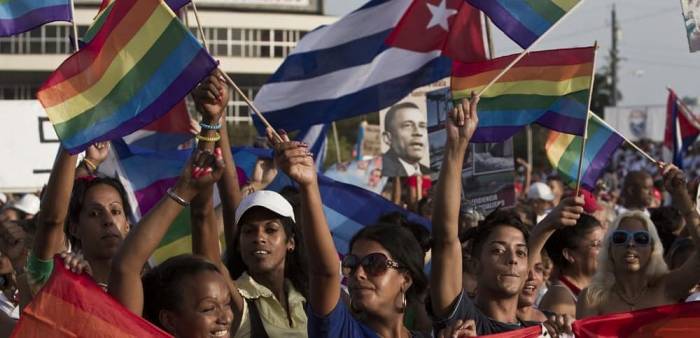
From his early days forward, Castro had a disdain for homosexuals. He had anyone suspected of being homosexual to UMAPS camps alongside Jehovah's Witnesses and vagrants. In 1965 police began rounding up gay men which sparked one of the first gay rights protests in history. Most gay men were shot in the head. Even after UMAPS closed, homosexual people were generally fired from their jobs and treated like beasts instead of men and forced to live on the streets if they survived the death squads. Fidel Castro has even referred to homosexual men as "worms" in his time in power.
advertisement
#7 Persecution Of Catholics
Before being the President of Cuba, Castro was a Catholic who practiced his religion regularly. The Roman Catholic religion flourished in Cuba before Castro took the country over. Almost immediately after being elected Fidel Castro released propaganda citing Catholics as "social scum." By the 1960's Fidel Castro had banned Christmas from being celebrated on the island. He made sure to shut down churches, silence priests, and parishioners, and monitored all church activities that could possibly be going on in Cuba at the time. There have been a few papal visits to the island in the last 16 years, but no new churches were built and the religion was banned. However, Raul has said he is Catholic, and the Cuban citizens have hopes of celebrating Christmas and Easter once again.
advertisement
#8 Violent Media For Shock Value
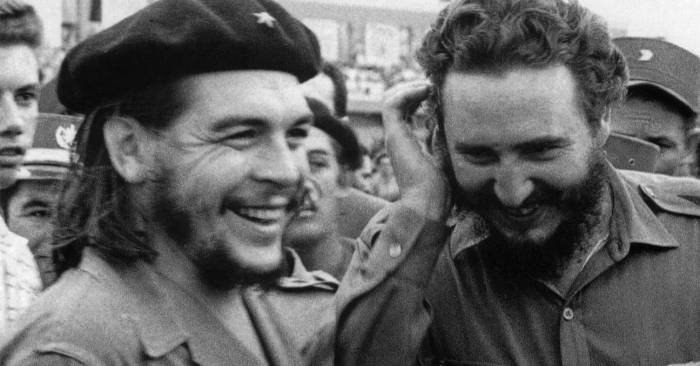
To establish fear in the hearts of those that didn't believe in their revolution Fidel Castro and Ernesto "Che" Guevara took photos and videos of these brutal executions of men, women, and children. Guevera did not like this behavior and told Castro that a cold blooded killer needed no proof of his actions. Fidel Castro has always utilized the mainstream media to expand his domineering presence over the people of Cuba. The Cuba Archive documents the deaths and executions of Fidel Castro since he took over power in Cuba in 1959 and the total deaths by Firing Squad are documented at 3615. He would commonly broadcast his military and some of the ruthless murders over his personal television station for everyone to witness. It seemed to make him feel more in control, according to his brother Raul. Sound familiar?
advertisement
#9 The Treatment Of Dr. Hilda Molina
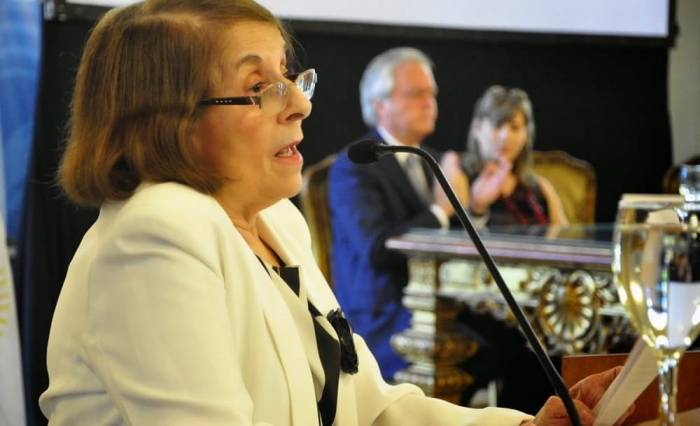
Doctor Hilda Molina is the former chief neurosurgeon for Cuba who also served in the Cuban National Assembly. She founded the neurosurgery center in Cuba in 1987, and by 1991 the scientific center was the most important in the nation. 1991 was also the year that Julio Teja Perez, the former Cuban Minister of Health, said that she would cease helping Cuban nationals and only serve those paying in U.S. dollars. Molina's answer to this change was to resign immediately and renounce her seat in the Cuban National Assembly. Despite stepping away, Molina was still continuously subject to a mob like retaliation from the government. She was forbidden to travel outside of Cuba to see her family. After decades of being denied transport, Dr. Hilda Molina was finally granted a visa to Argentina and see her family in 2009, after Fidel had passed along control of the government.
advertisement
#10 Restricting The Movement Of Cubans To Havana
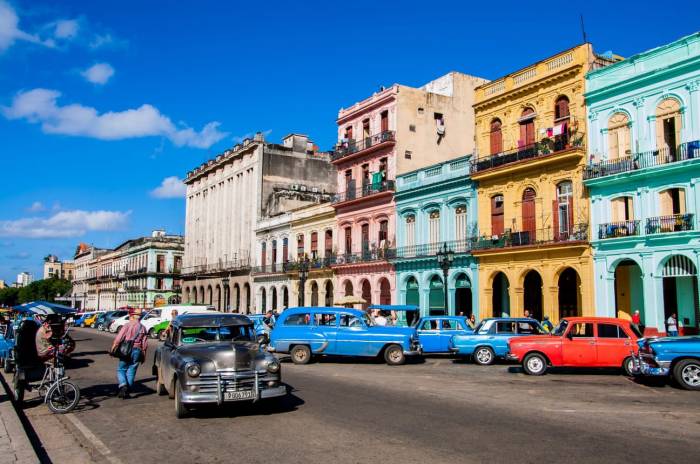
In 1997 Fidel publicly announced that nobody would be allowed to move in or out of the capital, Havana. The justification for this disgraceful slashing of civil liberties was that free movement to and from the capital would endanger the security of those that resided in the capital. He also made note that there was overpopulation and overcrowding inhibiting the happiness of Havana residents. People were allowed to make day trips for work or to visit family but police guarded the streets heavily and often checked ID's for offenders. Castro's regime evicted 1600 residents of Havana back to their home countries and one month after the initial purge many more residents were told that they had 48 hours to relocate to their place of origin. Over 700 people were killed or jailed for not following the orders.
advertisement
#11 Military Units To Aid Production
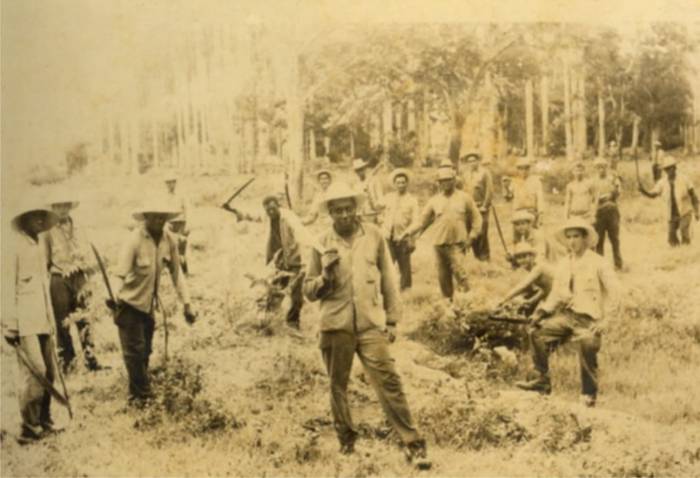
agricultural labor camps were reserved for anyone who could not serve in the military because they were conscientious objectors, homosexuals, or political enemies of the revolution. Better known to Spanish speaking people as UMAPS, people were often kidnapped and sent to these work farms to become nothing more than slaves. Each camp held about 120 internees split into units of 10, everyone wore identical uniforms, weren't permitted to carry firearms, and received no military training. Gay men were split up from everyone else, most of the anger and violence was directed towards the Jehovah's Witnesses in the camps. These peaceful people were often beaten, had their mouths stuffed with dirt, threatened, and even tied up naked outside without food or water.
advertisement
#12 Persecution Of Jehovah’s Witnesses
During a portion of the 1960's, all Jehovah's Witnesses were sent to UMAPS camps to be "re-educated". By 1971 all Jehova's Witnesses were banned from the country. Once Fidel Castro came into power in Cuba Jehovah's Witnesses were considered "social deviants" alongside vagrants and homosexuals. But the Jehovah's rebelled. Most were killed or sent to the camps, and their children were often sent to other countries as orphans. Fidel Castro did not appreciate the celebration of religion in his state, whether it was Catholicism or Jehovah's Witnesses.
#13 Brothers To The Rescue Aircraft Shot Down
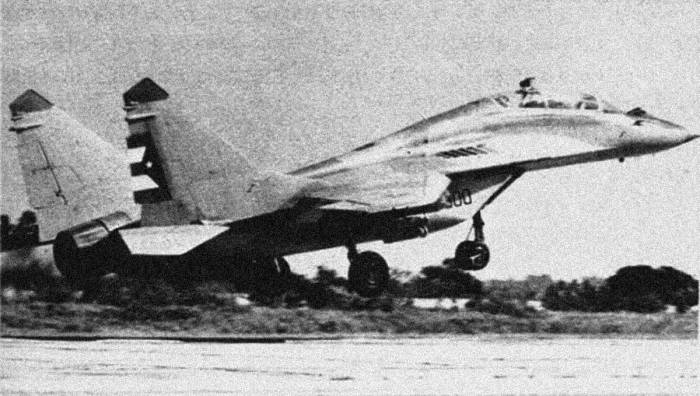
In the Winter of 1996, two small passenger airplanes with 10 passengers each, were shot down by Cuban Air Force, although they were told that US Air would be flying over the country. The International Civil Aviation Organization investigated the event and reported that Cuban authorities notified the United States of multiple airspace violations for two years before this incident. The aircraft was releasing pamphlets for the Brothers to the Rescue. This activist group was started by Cuban exiles and is widely known for their opposition to the Cuban government. The pamphlets urged Cubans to flee the country and showed that the use of force against them by the Cuban government verged on cruelty. All passengers were killed in the shootout and eventual crash landings.
advertisement
#14 de Marzo Tugboat Massacre
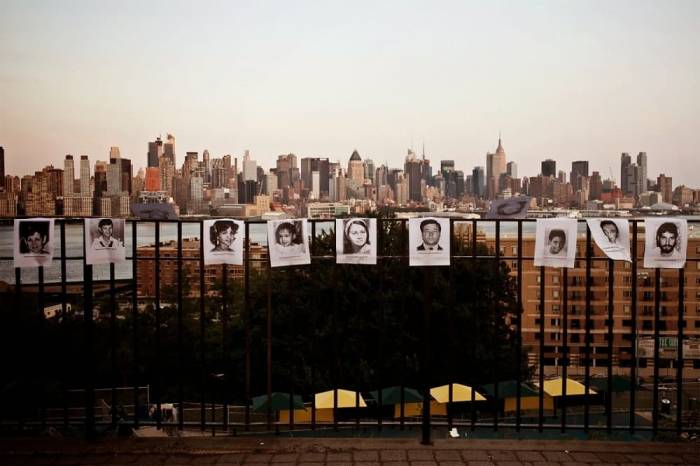
This is the name that Cuban-Americans have given the event that occurred on the 13th of March in 1994. On this day about 72 Cuban men, women, and children were attempting to escape dictator Fidel Castro's reign of terror on a hijacked tugboat. At that time all water vessels were owned by the state so it was illegal for these people to occupy the boat, illegal or not what happened next was a tragedy and a crime. Only seven miles from the coast of Havana at about three in the morning the Cuban coast guard maliciously rammed the tugboat repeatedly until it starting sinking. As the boat sunk Cuban officials were spraying those on the tugboat with firehoses. Only 31 survivors were pulled from the water after reports that Cuban officials refused help to some of the survivors in the water. 41 Cubans died in the water that day at the hand of Fidel Castro's officials.
#15 Fidel Castro Firing Squads
Cubans referred to the firing squads as referred to as "el paredon" or "the wall" and these squads did not discriminate based on age or gender. Fidel and his compadres would simply execute any person that disagreed with their betrayal of the Revolution. For more than 50 years people were sent to "el paredon" but being executed wasn't the worst part of the experience. Prisoners were forced to wait in line in view of the executioner so that they had to witness each person before them be gunned down. The wall was at its height in 1961 and Time Magazine did an expose on the killings and brutal attacks. Many Cuban-Americans reported that Castros goal was to create the most formidable execution wall that has ever existed, and he succeeded.