

The great-grandson of the actress who played the Aunt Jemima character for nearly 20 years said he was angry with Quaker Oats’ decision to change its logo and name on its pancake mix and syrup. He believes that his family's history is being erased.
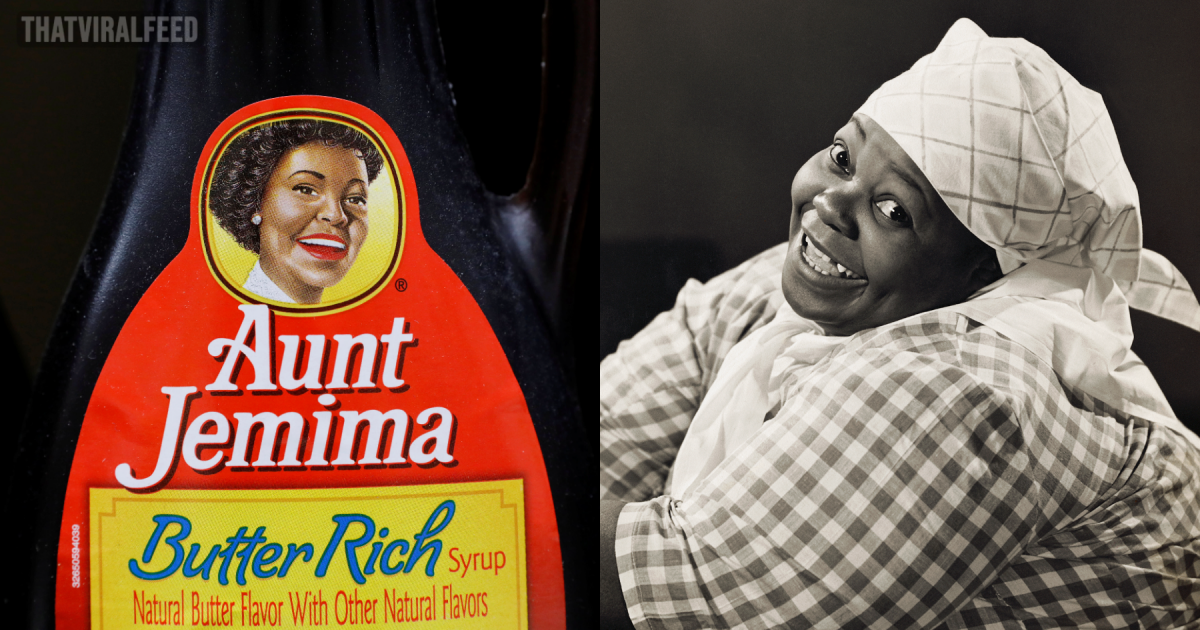
Aunt Jemima’s Great-Grandson Is Furious That Her Legacy Is Being Erased
By
Zainab Pervez in
Social Issues
On 9th November 2022
advertisement
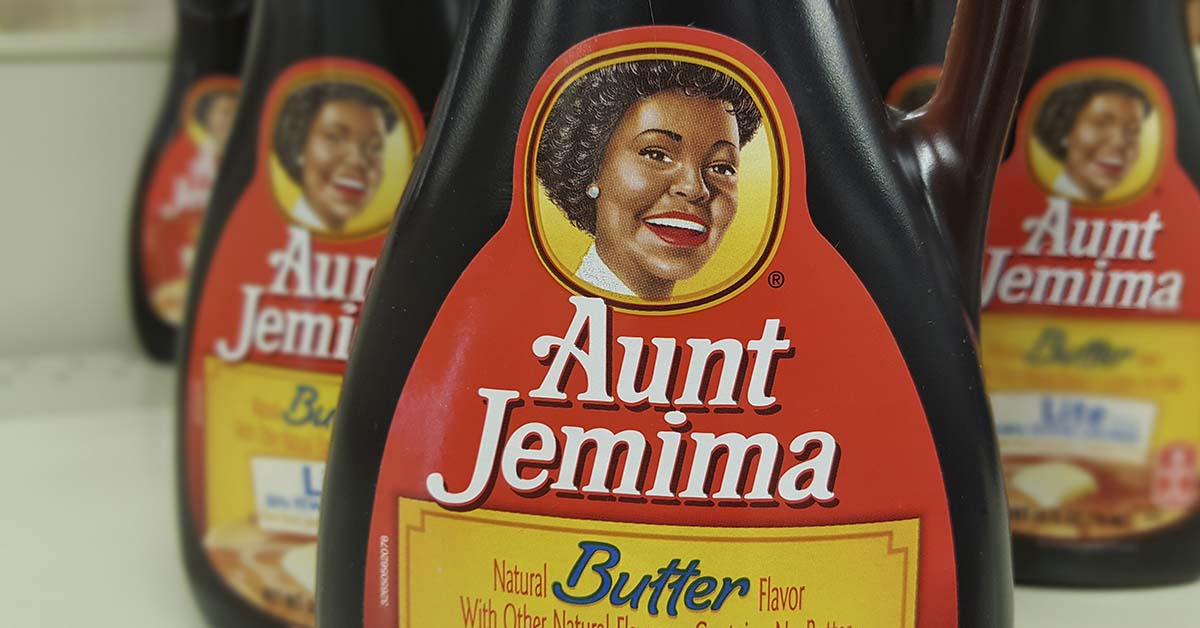
The great-grandson of the most recent woman to appear on boxes and bottles of Aunt Jemima products is angry over Quaker Oats rebranding them.
Larnell Evans Sr.‘s great-grandmother, Anna Short Harrington, portrayed the Aunt Jemima character from 1935 to 1954.
He spoke out against the rebrand, saying it erases her legacy of two decades.
“This is an injustice for me and my family. This is part of my history, sir,” said Larnell Evans Sr. in an interview with Patch. “The racism they talk about, using images from slavery, that comes from the other side — white people. This company profits off images of our slavery. And their answer is to erase my great-grandmother’s history. A Black female. …It hurts.”
advertisement
The decision to rebrand came in response to civil unrest in the wake of the death of George Floyd, an African American man who died when his neck was pinned by the knee of a white Minneapolis police officer for nearly nine minutes.
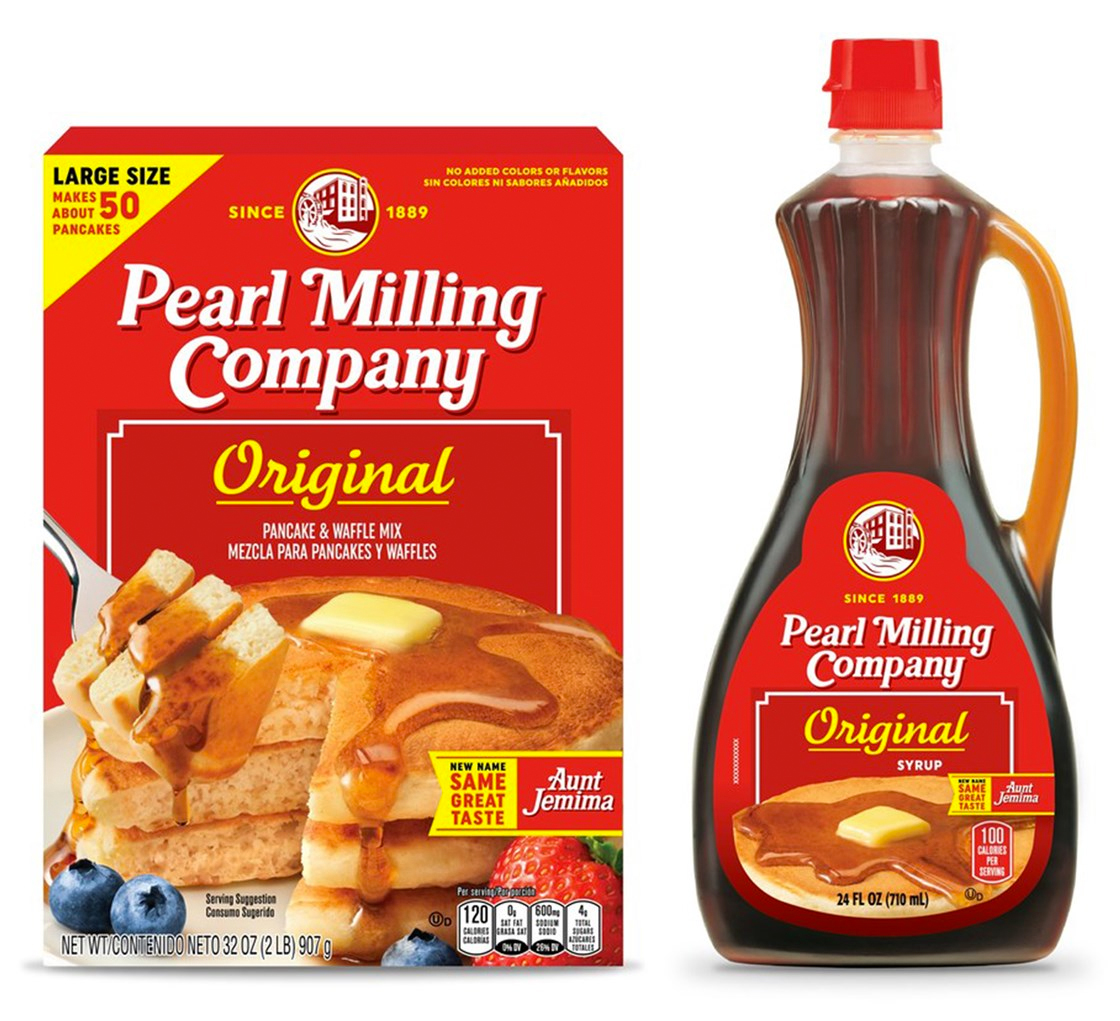
The new name pays homage to the mill built in 1888 that began producing the well-known pancake mix in 1889.
“Last June, PepsiCo and The Quaker Oats Company made a commitment to change the name and image of Aunt Jemima, recognizing that they do not reflect our core values. While the name on the box has changed, the great tasting products — the ‘pearl’ inside the familiar red box – remains the same,” Pearl Milling Company said in a statement at the time.
advertisement
The Aunt Jemima brand's image references a 'mammy' character who served white people.
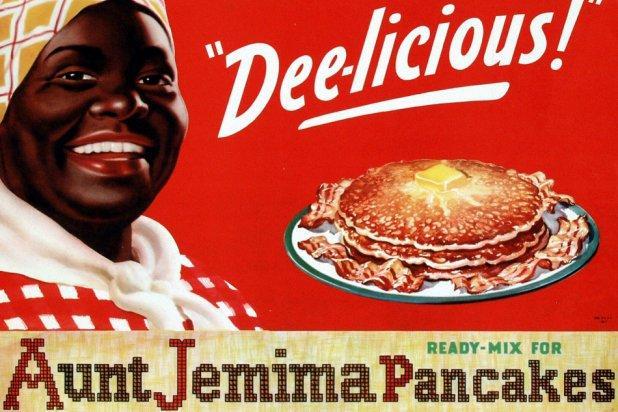
The brand's name references a song, "Old Aunt Jemima" often performed in minstrel shows by a white person in blackface.
The brand has previously been criticized for its racist origins.
advertisement
“This Aunt Jemima logo was an outgrowth of Old South plantation nostalgia and romance grounded in an idea about the ‘mammy,’ a devoted and submissive servant who eagerly nurtured the children of her white master and mistress while neglecting her own,” Riché Richardson, an associate professor in the Africana Studies and Research Center at Cornell University, wrote in an op-ed in the New York Times in 2015. “Visually, the plantation myth portrayed her as an asexual, plump black woman wearing a headscarf.”
advertisement
However, Evans thinks that the rebranding won't undo the profits Quaker Oats made off the images of slavery. And the least they can do is pay restitution to her family. In 2014 Evans and his nephew filed a lawsuit where they sought $3 billion from Quaker Oats for not paying royalties to Harrington’s descendants.
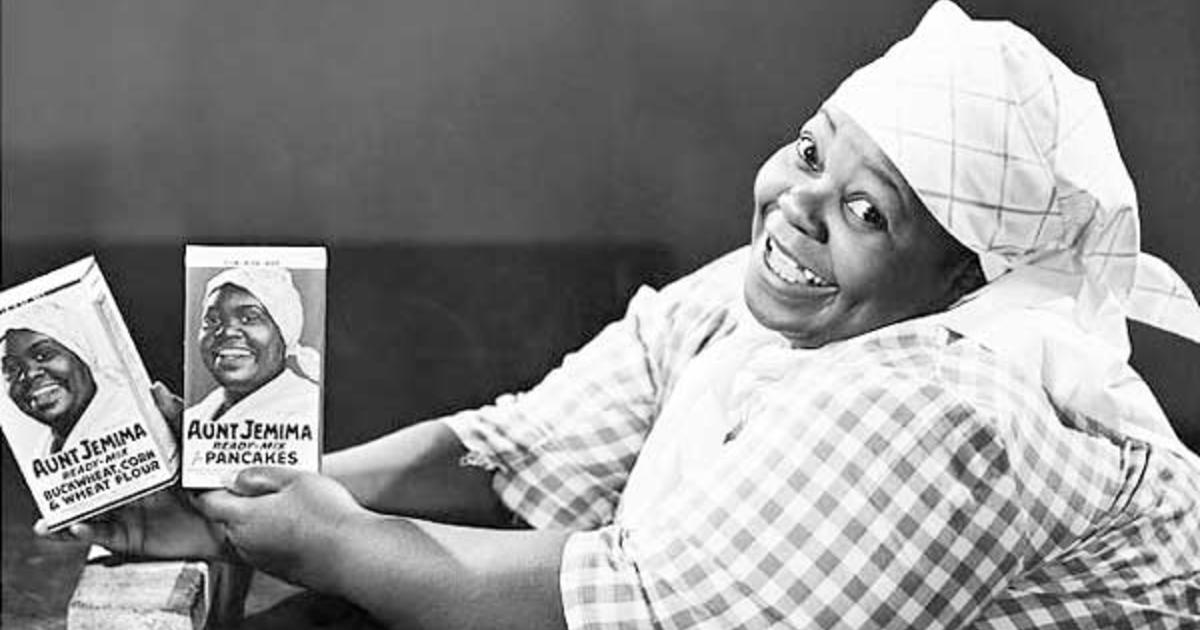
Evans lost the case; the judge said he and his nephew weren’t executors of Harrington’s estate and therefore didn’t have the standing to sue in her name.
advertisement
"How many white people were raised looking at characters like Aunt Jemima at breakfast every morning? How many white corporations made all them profits, and didn't give us a dime? I think they should have to look at it. They can't just wipe it out while we still suffer," he said. "After making all that money—and now's the time when black people are saying we want restitution for slave—they're just going to erase history like it didn't happen?"
advertisement
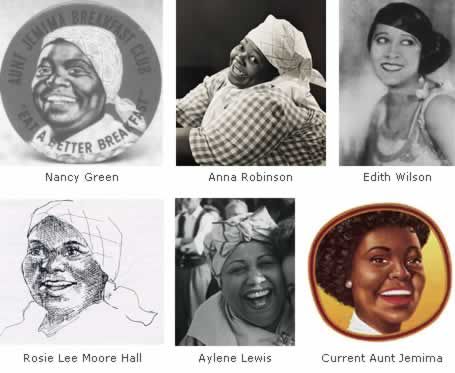
But Anna Harrington wasn't the only face of Aunt Jemima. The first black woman to be the face of the brand was Nancy Green, who was a slave before she worked as a cook on the South Side.
advertisement
She was hired to wear an apron and headscarf while serving pancakes to people at the fairgrounds called “The White City.”
She eventually played this role at the Chicago’s World’s Fair in 1893, where she made pancakes and told romanticized stories about “the good old plantation days.”
Later, Lillian Richard took up the mantle and played “Aunt Jemima” for over 20 years.
advertisement
Anna Robinson began to portray Aunt Jemima in 1933. Then, a Quaker Oats representative hired Anna Harrington after seeing her make pancakes at the 1935 New York State Fair.
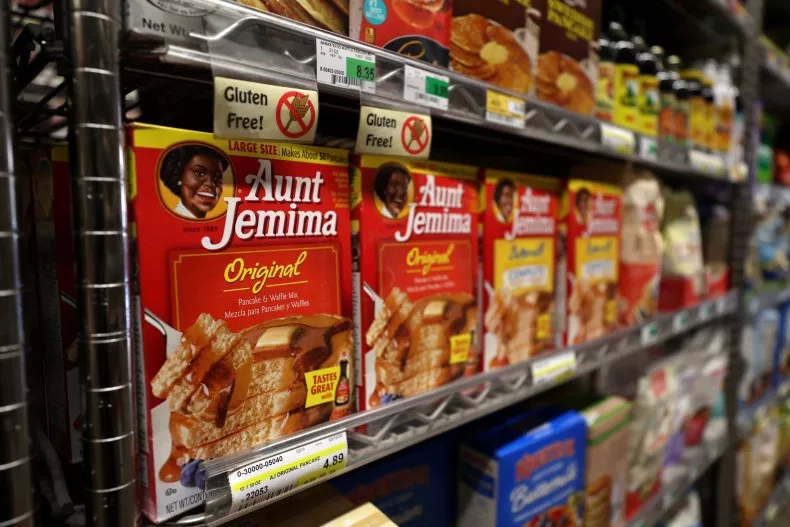
After that, Harrington became the face of the brand, and a national celebrity, as she traveled around the country to make pancakes in character as “Aunt Jemima.”
advertisement
Not only Evans but descendants of other Aunt Jemima actresses also objected to the decision. Vera Harris, a descendant of Lillian Richard said,
“I understand what Quaker Oats is doing because I’m Black and I don’t want a negative image promoted. However, I just don’t want her legacy lost, because if her legacy is swept under the rug and washed away, it’s as if she never was a person.”
Similarly, Marcus Hayes, a great-nephew of Nancy Green, the original 'Aunt Jemima' said,
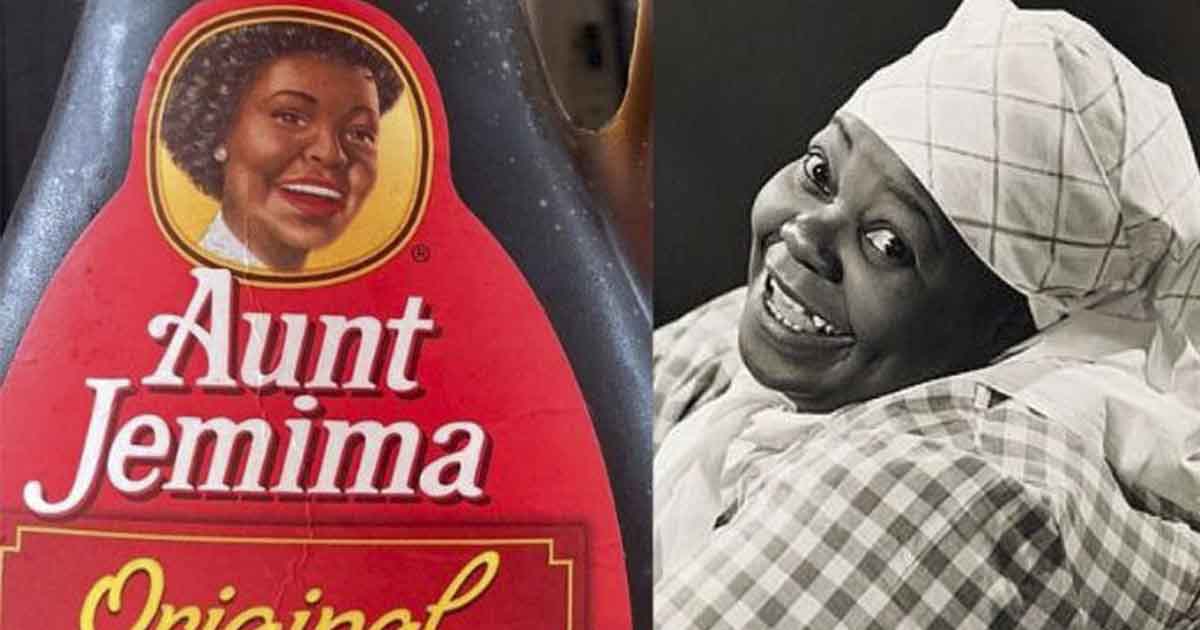
“I do understand the sensitivity of the name and the brand,” he said. “But at the same time, I don’t want Nancy Green’s legacy and what she did under that name to be lost.”