

Australia fined X (formerly Twitter) $600,000 for failing to combat child exploitation content under the Online Safety Act. Concerns arose as identification dropped under Elon Musk's leadership.

Australia Fines Twitter/X More Than $600,000 For Not Answering Questions On Child Abuse Content
By
Haider Ali in
News
On 18th October 2023
advertisement
An Australian safety agency has charged X, formerly known as Twitter, over AUD $600,000 for child exploitation content.

Getty Images
Australia's eSafety commissioner imposed the penalty over the weekend, citing X's failure to explain its actions against child abuse content.
In February, X received legal notices from the eSafety commissioner in line with Australia's Online Safety Act.
The Online Safety Act, enacted in 2021, mandates tech companies to disclose their efforts in detecting and preventing child sexual abuse content.
advertisement
X is given a 28-day window to respond or make the required payment.
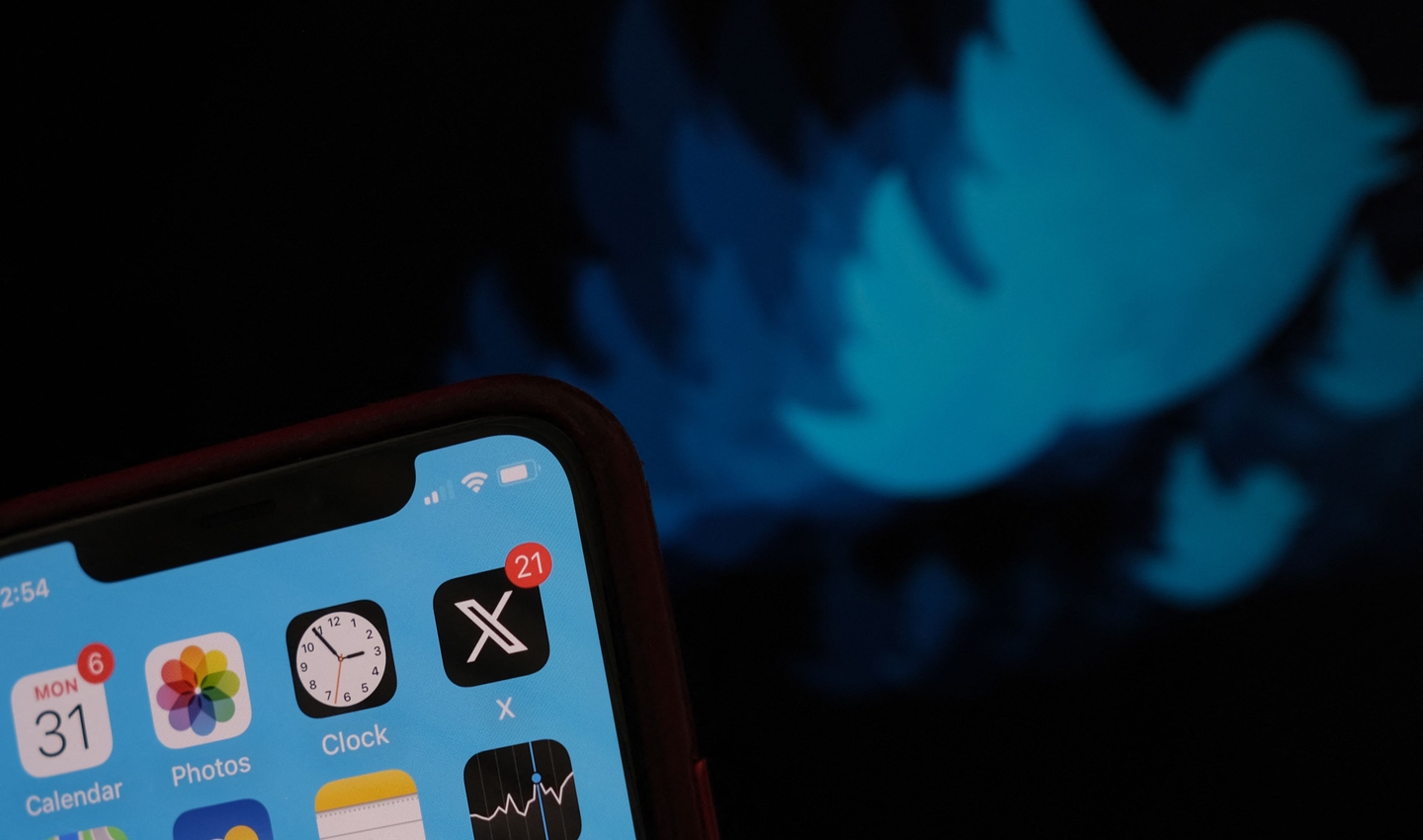
Getty Images
A legal notice was also sent to Apple, Meta, Microsoft, Skype, Snap, WhatsApp, and Omegle earlier this year, but both X and Google ignored it.
According to eSafety Commissioner Julie Inman Grant, X left several sections of the notice "blank," while Google provided generic responses about its handling of the issue.
Grant emphasized the importance of transparency to hold the online industry accountable for addressing this issue.
advertisement
She mentioned that the initial report on Apple, Meta, Microsoft, Skype, Snap, WhatsApp, and Omegle revealed significant shortcomings in how these companies dealt with child abuse content.

Getty Images
The latest report also highlights similar gaps in how these tech companies address the issue and the growing problem of sexual extortion.
advertisement
Elon Musk has previously stated that his main focus on the platform is eliminating content that exploits children.
However, the eSafety investigation found a drop in the automatic identification of child abuse content, from 90% to 70%, after Musk took control and downsized the workforce.
advertisement
Grant stressed that X (Twitter) has publicly claimed that combating child sexual exploitation is its top priority.

Getty Images
She emphasized that words need to be backed up with tangible action.
advertisement
If X and Google can't provide answers about their efforts against child sexual exploitation, Grant suggests they either want to avoid public scrutiny or need better systems to scrutinize their operations.
In either case, these scenarios are concerning and indicate a failure to meet their responsibilities and public expectations.
advertisement
The situation raises questions about the commitment of tech companies to addressing child exploitation content.
The fines imposed under the Online Safety Act aim to encourage greater transparency and accountability in this regard.
advertisement
The eSafety commissioner's actions are part of a broader effort to improve online safety and protect children from exploitation.
Addressing these issues remains a critical challenge for both tech companies and regulatory authorities.