#1
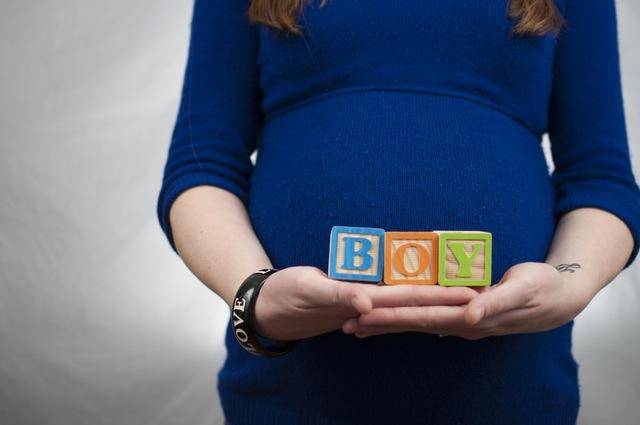
It may be a man's world (for now, at least), but in the womb it seems that being female may actually give you the upper hand in life. A new study has confirmed that boy babies are much more likely to experience potentially life-threatening outcomes during their mother's pregnancies than girl babies. Although the difference isn't enough to cause mothers expecting boys too much concern, the findings do suggest that maternity healthcare can benefit by catering to a mother's needs based on the sex of her child.
#2
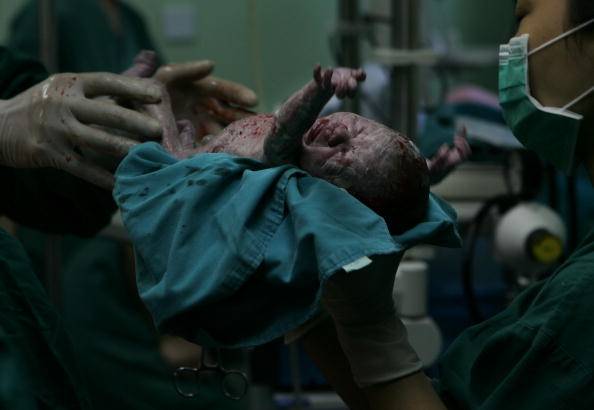
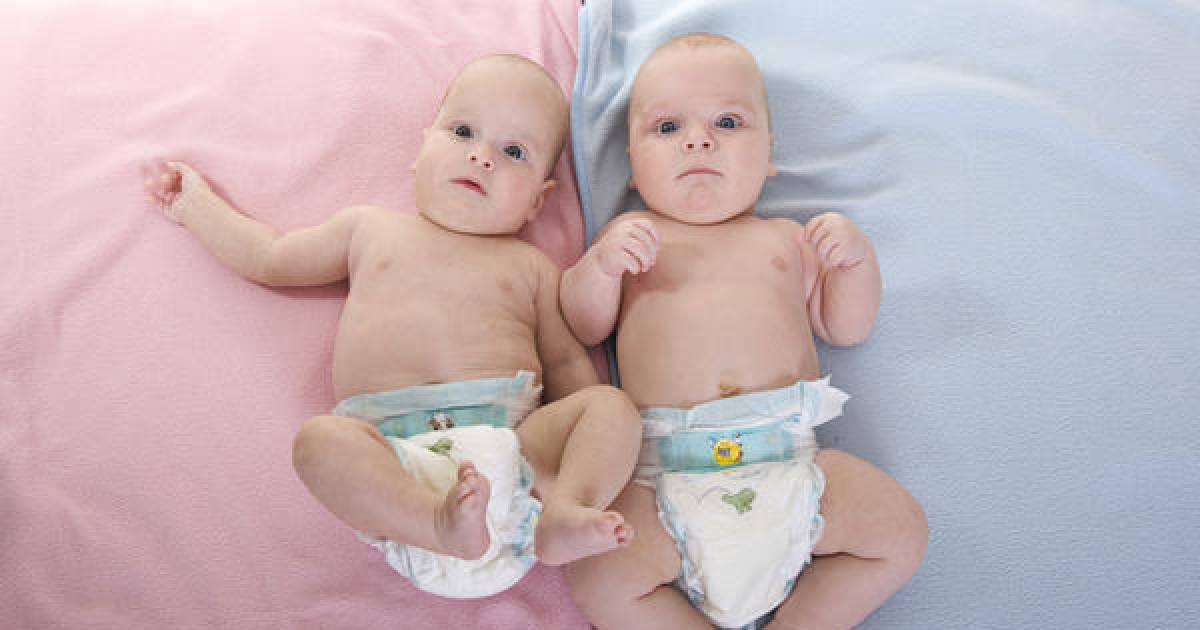
The new research led by the University of Adelaide has confirmed that boy babies are much more likely to experience potentially life-threatening outcomes at birth than girls.
The research, which investigated data of more than 574,000 South Australian births over a 30-year period (1981-2011), is the first population-based study of its kind in Australia to confirm the presence of differences in birth outcomes based on the sex of the baby.
#3
"The major conclusion of our study is that the evidence is there and it is very clear: the sex of the baby has a direct association with pregnancy outcomes," says research leader and senior author Professor Claire Roberts, from the University's Robinson Research Institute.

#4
Past research has also suggested that female babies are less likely to have a preterm birth, stillbirth, neonatal death, or macrosomia a baby that weighs more than 8 pounds, 13 ounces at birth.
#5
The recent study found that:
-Boys are more likely to be born spontaneously pre-term. Boys show a 27% higher risk for a pre-term birth between 20-24 weeks' gestation, 24% higher risk for a pre-term birth between 30-33 weeks, and 17% higher risk for pre-term birth between 34-36 weeks.
-Mothers carrying boys are 4% more likely to suffer gestational diabetes.
-Mothers carrying boys are 7.5% more likely to suffer pre-eclampsia at term.
-However, pregnant women carrying a girl have a 22% higher risk for early onset pre-eclampsia requiring a pre-term delivery.

#6
Although it's still not entirely clear why a baby's gender has such a significant impact on pregnancy outcomes, senior author Claire Roberts suggests that it may have to do with how male and female fetuses affect the placenta. A 2014 study, also led by Roberts, suggested a similar theory after finding that genes produced by the placenta differ depending on the baby's gender.

#7
This research suggests fetal sex should be taken into account in further studies on obstetric complications. The team hopes that identifying the mechanisms behind different pregnancy outcomes for male and female babies, whether they're from genetic causes or other reasons, could lead to tailored care during pregnancy, as well as infant and later childhood care.