Your vagina has a few things to say about your health, aging, periods, and other ‘taboo’ topics.
Here’s what you need to pay attention if you want a healthy vagina:



Your vagina has a few things to say about your health, aging, periods, and other ‘taboo’ topics.
Here’s what you need to pay attention if you want a healthy vagina:
If your vagina were a song, she'd be Destiny's Child "Independent Women, Part 1"—she can take care of herself. Despite that universal truth, though, some ladies still insist on messing around or tidying up down there in the most, ah, creative of ways. Here are four common moves that can go very, very wrong.

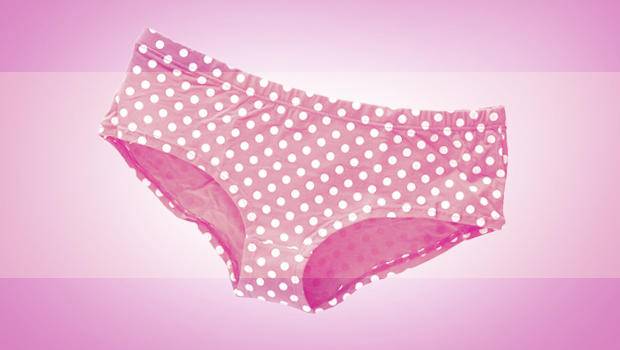
It’s fine to throw on a revealing thong or silk panties when you want to feel a little sexier, but for everyday wear, nothing beats good old cotton underwear. According to the Women’s Health Clinic, wearing cotton underwear (or at least something with a cotton lining) helps circulate air and prevent rubbing, keeping your nether regions dry and happy.
It's self-cleaning up in there! Seriously! Because of what Minkin calls "good guy bacteria" — aka lactobacilli — keeping everything nice and clean, you don't have to do a damn thing to make sure you're healthy inside your vagina.
In fact, attempting to clean in there often has the opposite effect: If you wash out all the good bacteria, you'll be left with a more basic (meaning, less acidic) vagina, which helps promote the growth of bad bacteria, leaving you more susceptible to infections, says Minkin. Not to mention, douching tends to dry you out — and a dry vagina is not a good place to be.

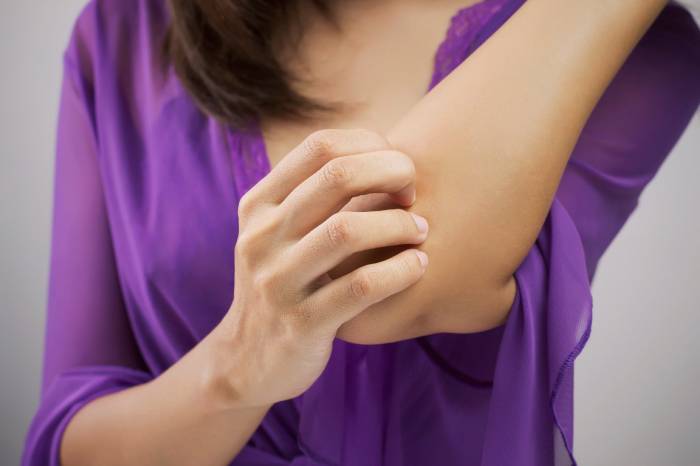
There are a lot of reasons your vulva might itch, whether it's because you used a vanilla-scented wash down there, had sex recently, you're experiencing some vaginal dryness, whatever. But when your genitals itch, scratching it is not the answer, because you'll wind up developing a scratch-itch cycle, says Ross: The more you scratch, the more irritated and dry that it'll get, the more you'll need to scratch, etc. etc. etc.
SO, the best thing to do is figure out the root of the problem and fix that. You can check out this post for a variety of problems that could lead to itching.
In the meantime, Ross's favorite remedy is a little coconut oil to rehydrate your skin. If you're crazy itchy, try soaking in a bath with some of that tossed in. (FYI: Oils can break down the latex in condoms, so don't use those two together.)
Vaginal yeast infections are super common fungal infections caused by an overgrowth of yeast in the area. Given that yeast thrives in warm moist environments, sitting around in your sweaty, tight-fighting gym clothes can increase your chances of getting an itchy yeast infection, says Minkin. Which, no thanks.

SERIOUSLY, FRONT TO BACK, PEOPLE. This is a case of please don't get fecal matter into your sensitive vagina and vulva.
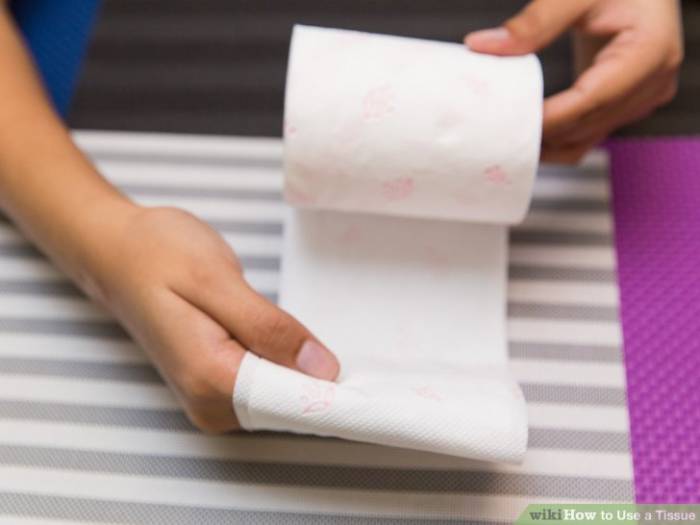
But on another note, the type of toilet paper you use could be causing you some irritation — specifically thin, abrasive, dyed, or scented TP. So stick with white, soft, unscented paper, and your vulva will be a happy camper.
Meaning, you might not be properly lubricated for penetration. And a dry vagina during sex = an unhappy, uncomfortable one. Or worse, one with abraded or torn tissue.
"Lubrication to a vagina is analogous to an erection to a penis," says Minkin. Meaning, you should be adequately stimulated and lubricated from foreplay before moving forward.

Those over-the-counter vaginal creams or suppositories for yeast infections have their place; this is about the more homespun approach people sometimes try. "You should never try to self-medicate with homemade remedies like garlic or tea tree oil," says Dardik. At the very least, they won't make a dent in your misery. At the very worst? Well, it's not pretty. "I've seen chemical burns from some of these Internet suggestions, and a chemical burn inside of your vagina is not something I'd wish on anyone," says Dardik.

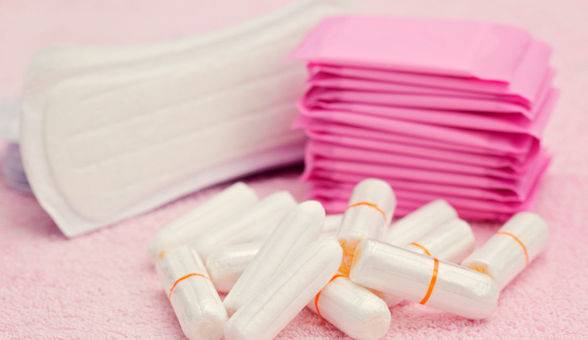
Though it will vary slightly for each woman, you should swap out your pad or tampon before it becomes soaked with blood. The Office on Women’s Health suggests to changing your tampon or pad every four to eight hours depending on the heaviness of the flow. Not doing this can result in some pretty scary consequences, including infection and, in rare cases, toxic shock syndrome. So save yourself the worry and change that baby frequently.
A study from University of Indiana reports that almost half of women remove their genital hair. While there are no serious health risks related to hair removal, it can cause irritation, razor burn and ingrown hairs. When maintaining your “lady lawn” it’s important to take proper precautions to avoid these common, uncomfortable situations. The Center for Young Women’s Health says that when it comes to shaving it’s important to, “invest in good tools such as: scissors, razor, shaving cream or gel, and plan on shaving every couple of days.”

Eating healthy doesn’t just affect the scale. In an interview with Everyday Health, sex and relationship therapist Laura Berman noted the strong correlation between diet and vaginal health. “Incorporating certain foods into a balanced diet is one of the simplest ways not only to promote a strong reproductive system, but also to prevent a host of typical south-of-the-border woes,” she explained. Berman expanded on her point by noting that a diet high in healthy probiotics can help maintain your vagina’s healthy pH balance, while cranberry juice, leafy vegetables also aid in its health.

Invasive detergents that are made from chemicals and provide a pleasant smell actually irritate the genital area and disrupt vaginal health. Therefore, washing underwear is best to use Hypoallergenic detergent without fragrance, designed for sensitive skin.

Your vagina isn't always going to tell you when something is wrong. "Getting tested for STIs after every partner is really important," says Ross. "With a lot of the STIs, women rarely know they have it. Symptoms can be very loose and confusing, or there are none at all."

The vagina is inherently humid and the amount of moisture depends on the phase of the cycle, and sexual excitement. But in the summer women’s health is threatened by external humidity. Namely, swimsuit that does not allow normal drying and retain moisture in the vaginal area, create an ideal environment for the proliferation of fungi and bacteria that create the appearance of infections and tingling. To save the health, always carry a spare swimsuit that you can change it as soon as you exit the water.